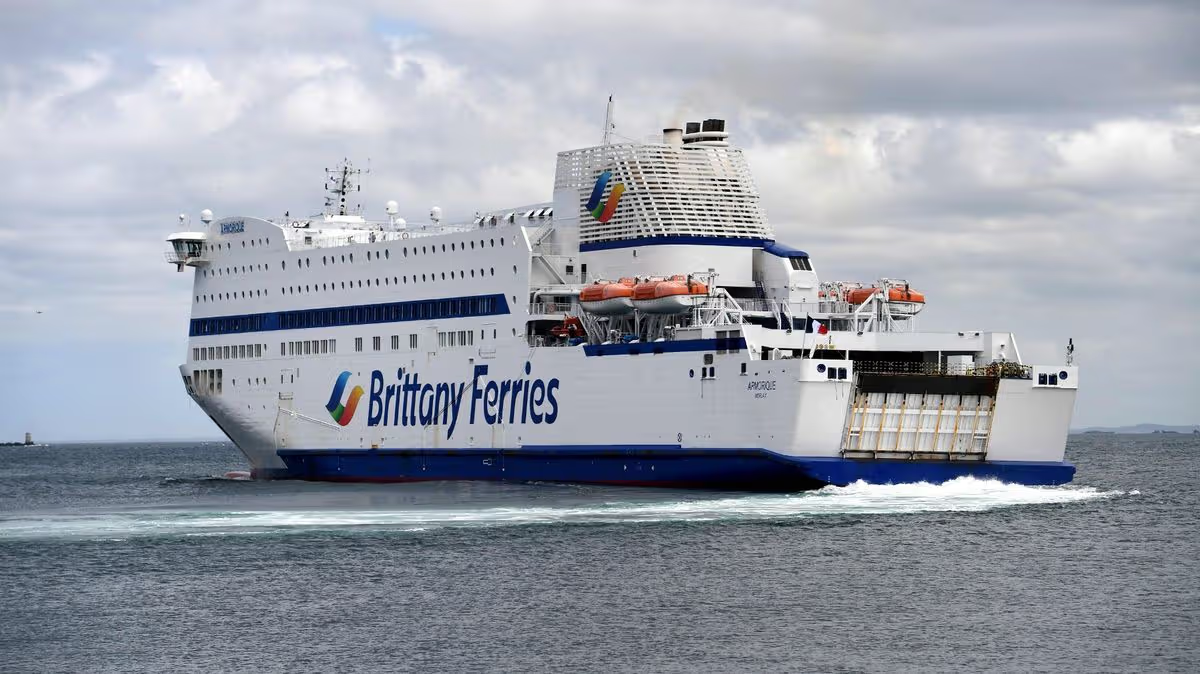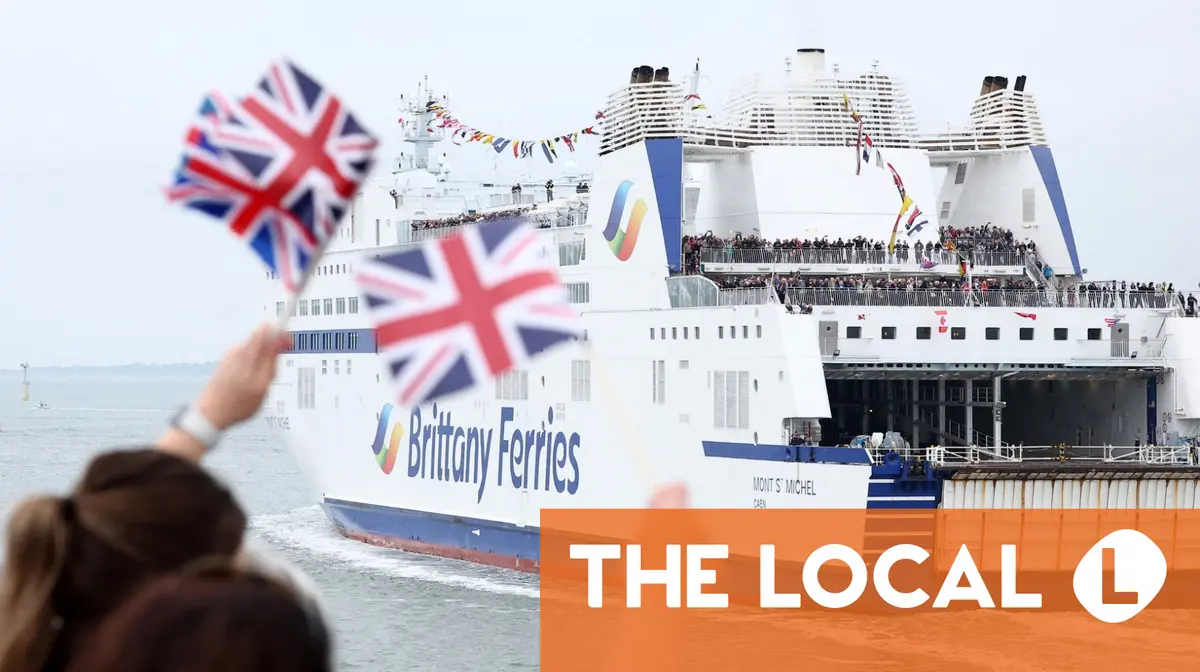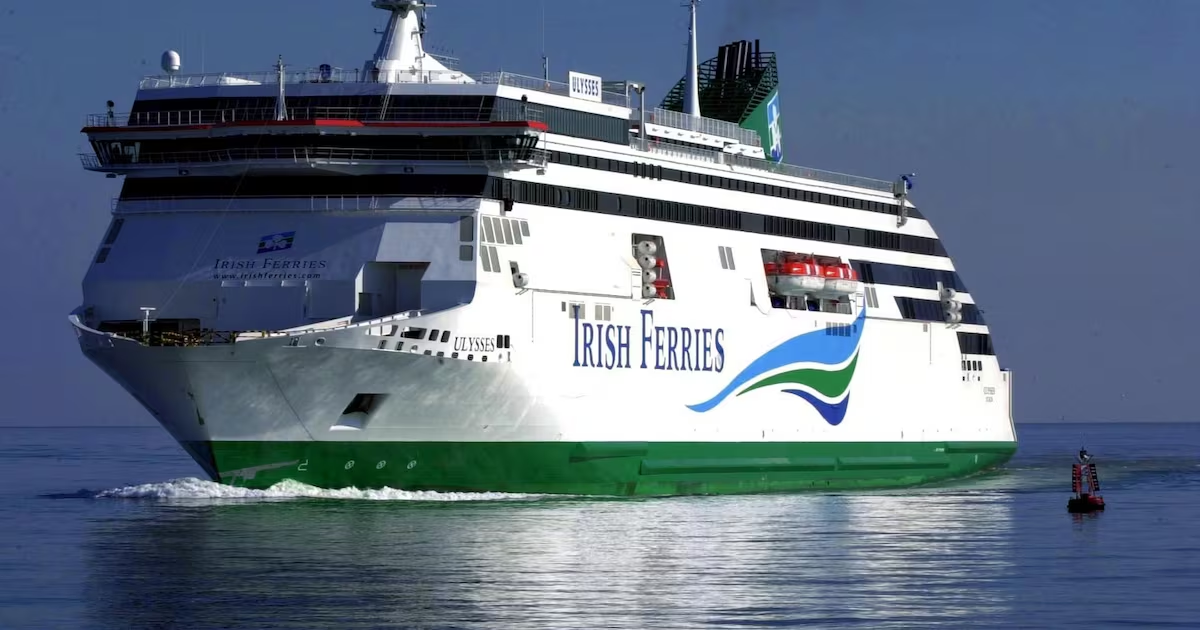
Irish Ferries will soon be the only significant ferry company transporting livestock in a roll-on, roll-off service in Ireland after Brittany Ferries said it intends to cease exports from next month.The Irish company confirmed there are “no changes” to its freight policy as farmers’ groups and politicians looked to ensure the route would remain open.A Brittany Ferries spokesman said the decision to cease the service “followed repeated disruption associated with protests at Portsmouth, which affected wider passenger and freight operations and created significant operational and scheduling difficulties”.Stena confirmed that it does not offer live export, while P&O provides the service only on the Larne to Cairnryan route where the livestock is to remain within the United Kingdom.Irish Farmers’ Association president Francie Gorman said: “Any contraction in services to access the single EU market for our cattle is a concern.”He said a strong live export trade is important for Irish agriculture regarding “price competition as well as providing an alternative market outlet for Irish livestock which are in high demand across the EU owing to their quality”.Gorman said Irish farmers cannot have access to the single market “determined by the commercial decisions of ferry companies or any other service providers”.A farm animal campaign group welcomed Brittany Ferries’ decision, saying that the move to exit live export in general, rather than just unweaned calves, was “a big bonus”. Caroline Rowley, executive director of Ethical Farming Ireland, said the group’s main concern is unweaned calves, but added that all animals, including pigs and sheep, “suffer during long journeys, confined in trucks”.The group was set up in 2020 and had been protesting against live exports at Rosslare Port, Cork Port and outside the Agriculture House and Leinster House in Dublin “regularly” since then.She said the reaction from some MEPs, TDs and farming groups is a “bit alarmist”.Rowley said about 200,000 calves are exported each year of the two million born in Ireland annually.She said unweaned calves are not fed for more than 24 hours while travelling, causing them “a lot of harm and suffering, being deprived of feed for so long”.The calves are suffering from “dehydration, hyperglycaemia, fatigue; a lot of them have lung disease”.Most of the calves are sent to veal farms in the Netherlands, she said, adding that “for a lot of calves, Europe isn’t the final destination; they’re fattened and exported on”.Fianna Fáil MEP Barry Cowen said at the Tullamore Show last week that political options for restoring the Brittany Ferries service were “limited”, and said focus should now be on ensuring that Irish Ferries’ services were “retained and potentially expanded”.MEP Ciarán Mullooly and Independent Ireland TD Michael Fitzmaurice will host an August 15th public meeting on the “live animal export crisis” to discuss the implications of the stoppage and “actions needed”. Aontú leader Peadar Tóibín is calling for an immediate meeting between the chief executive of Brittany Ferries and Minister for Transport Darragh O’Brien to return future live exports from Rosslare Harbour. “We are looking at another massive blow to a farming sector,” he said, if the Minister does not do this. An Irish Ferries’ spokeswoman said: “Irish Ferries is not currently commenting on reports relating to Brittany Ferries’ live animal export plans. The company’s freight department looks after bookings for those travelling with horses, other livestock or more than five pets. There are no changes to its freight services.”A Department of Agriculture spokeswoman said it “takes its responsibilities in the matter of animal welfare very seriously ... including in respect of animals being transported.”She added that live exports are an “important part of Ireland’s livestock industry ... [and that] Ireland is strongly committed to improving animal welfare standards during transport and supports the revision of the EU regulation for this sector.”
Irish Ferries the last remaining option for livestock transport after French firm halts exports
Campaigners celebrate shift as farmers and politicians express concern for market access
622 words~3 min read