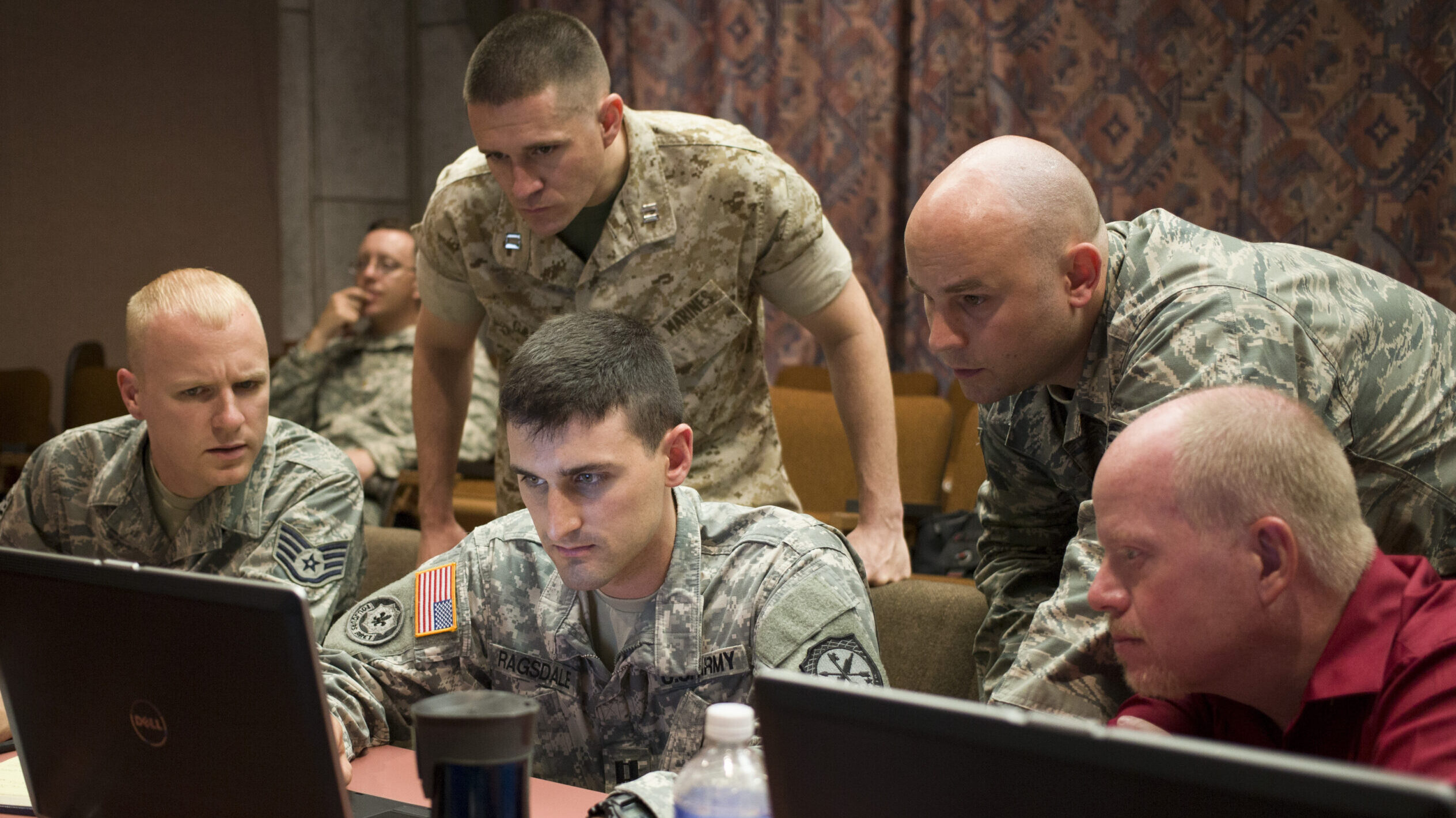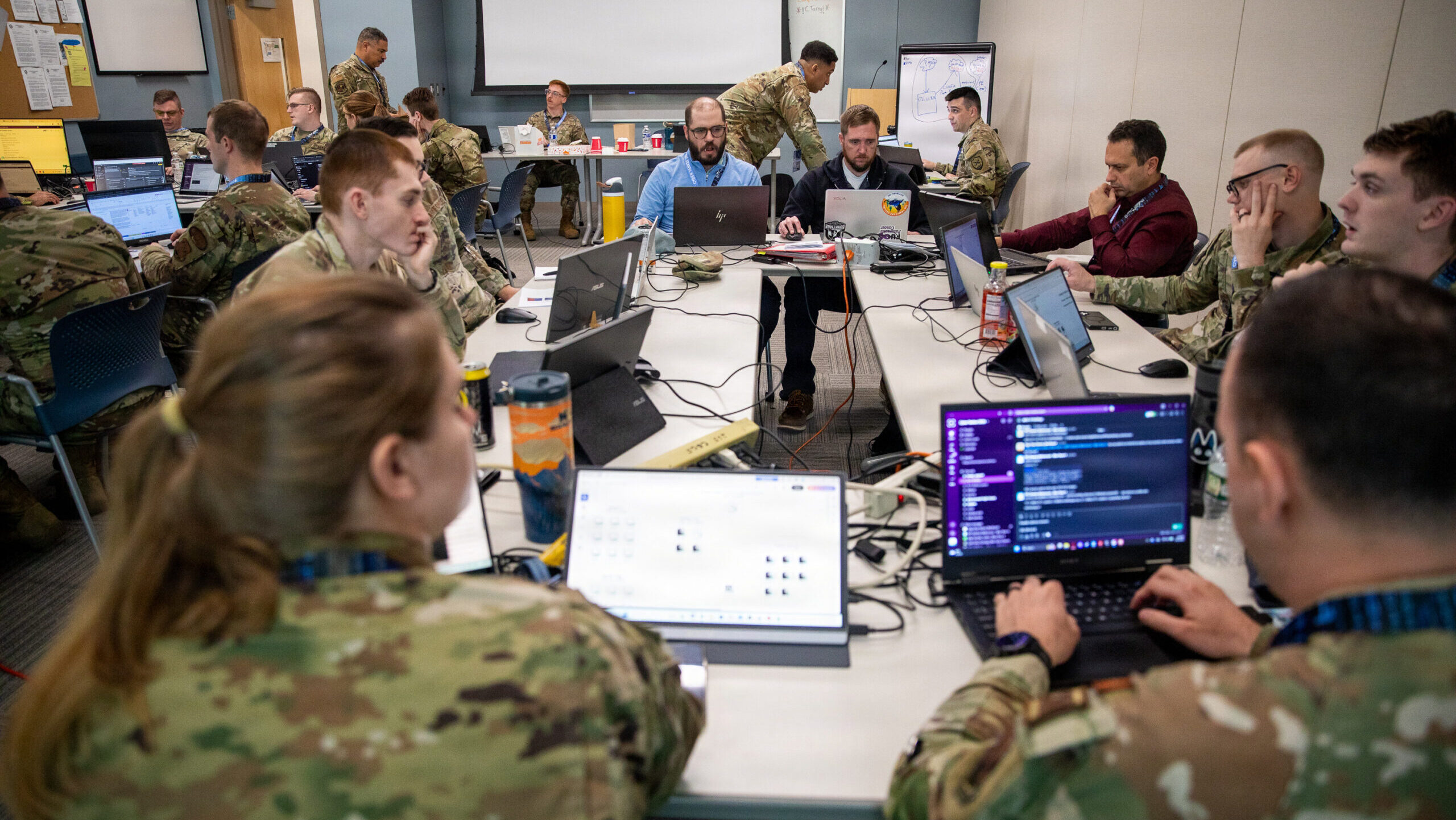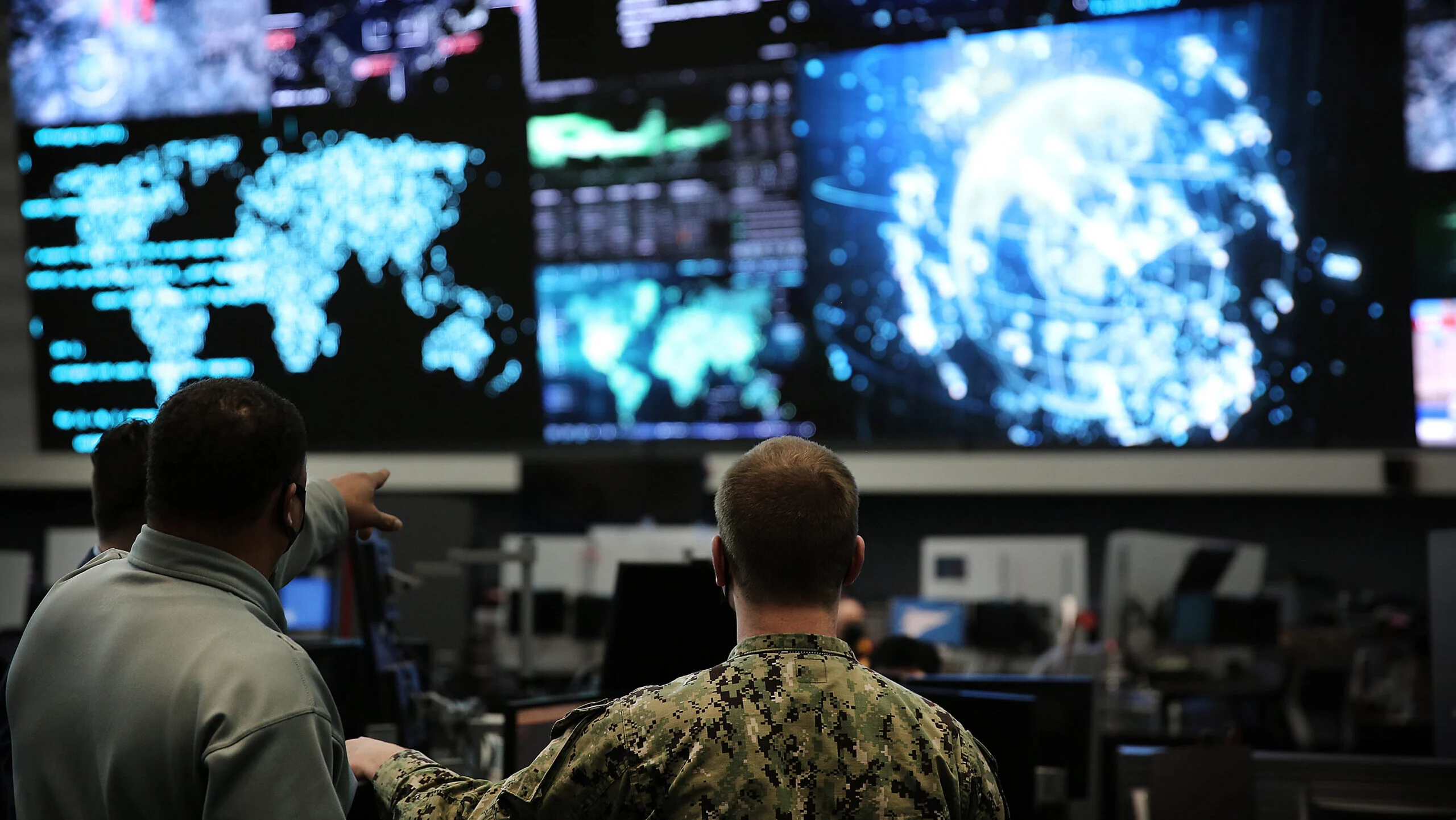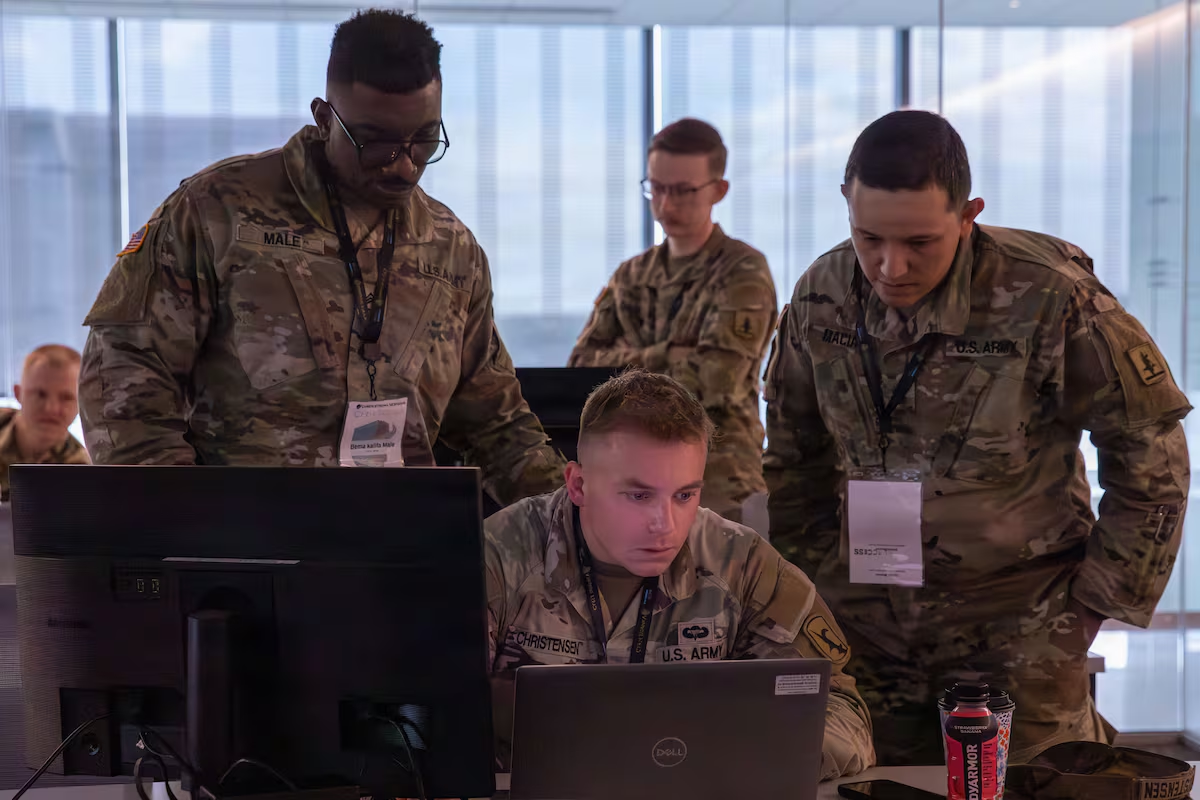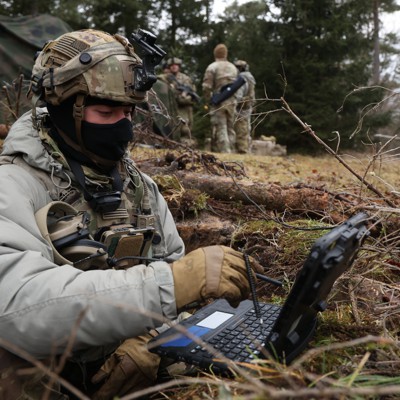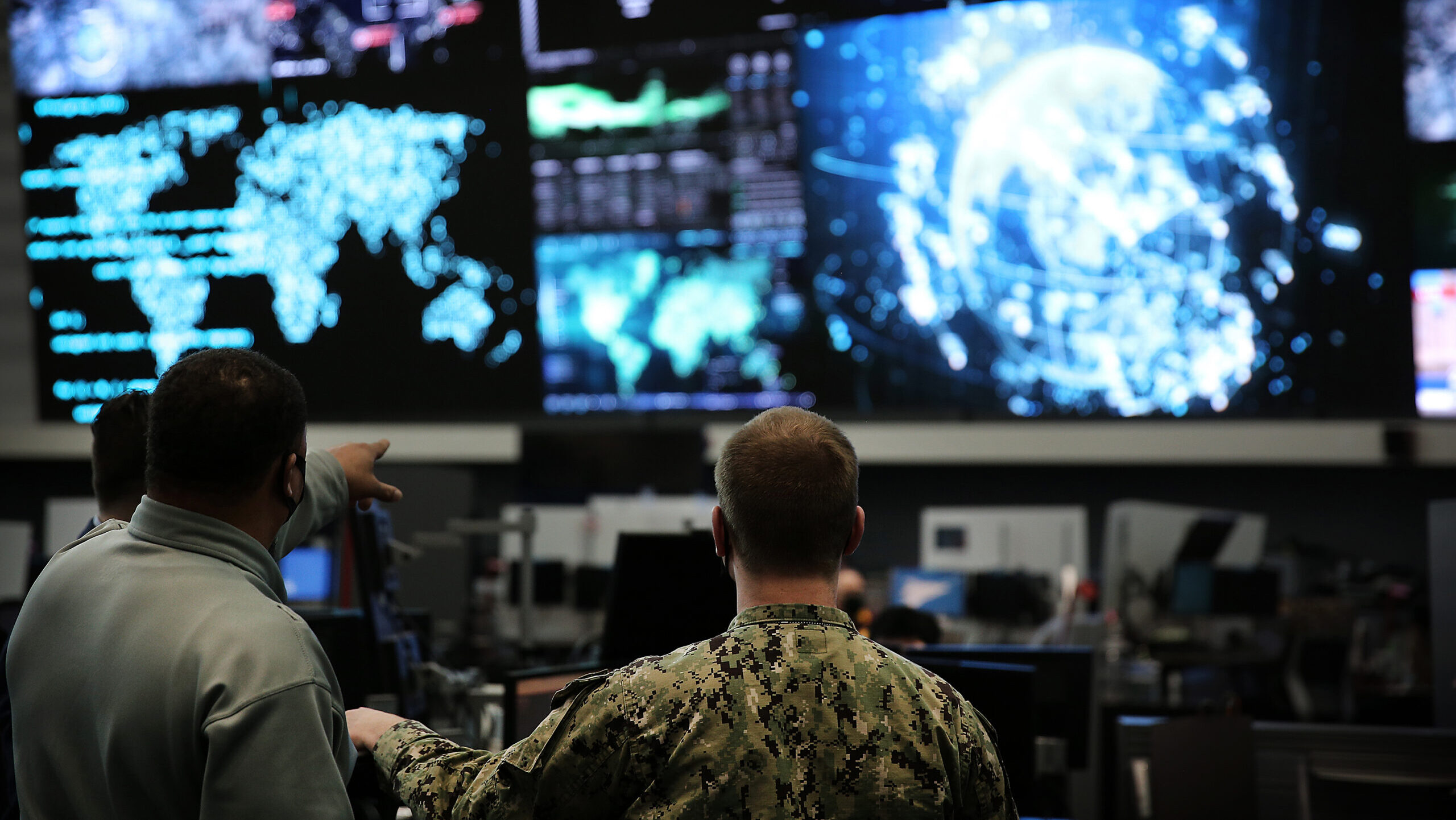
Earlier this month, Bloomberg reported on a tremendous tragedy: as many as five suicides among the Cyber Operations Forces, a grouping that includes US Cyber Command (CYBERCOM) and associated organizations and units. Bloomberg’s report indicates a belief that the rash of suicides was the result of increased operations for CYBERCOM and the associated stress. Whatever the cause, the quick succession of tragedy within such a small ecosystem warrants urgent attention.
Unfortunately, this recent suicide cluster echoes comparable episodes over the last 25 years affecting other high-demand, low-density military communities, such as special operations forces and Unmanned Aerial Vehicle (UAV) pilots/operators. But while those other communities have since built mental health support and operational resiliency programs to address the unique psychological strains within the force, the cyber community has largely failed to convert years of warning, study and internal advocacy into an adequately funded and accountable system of prevention and care.
The recent cluster must become more than another crisis managed through temporary intervention. Rather than fleeting, short-term fixes, these cases should serve as the catalyst for implementing durable institutional change.