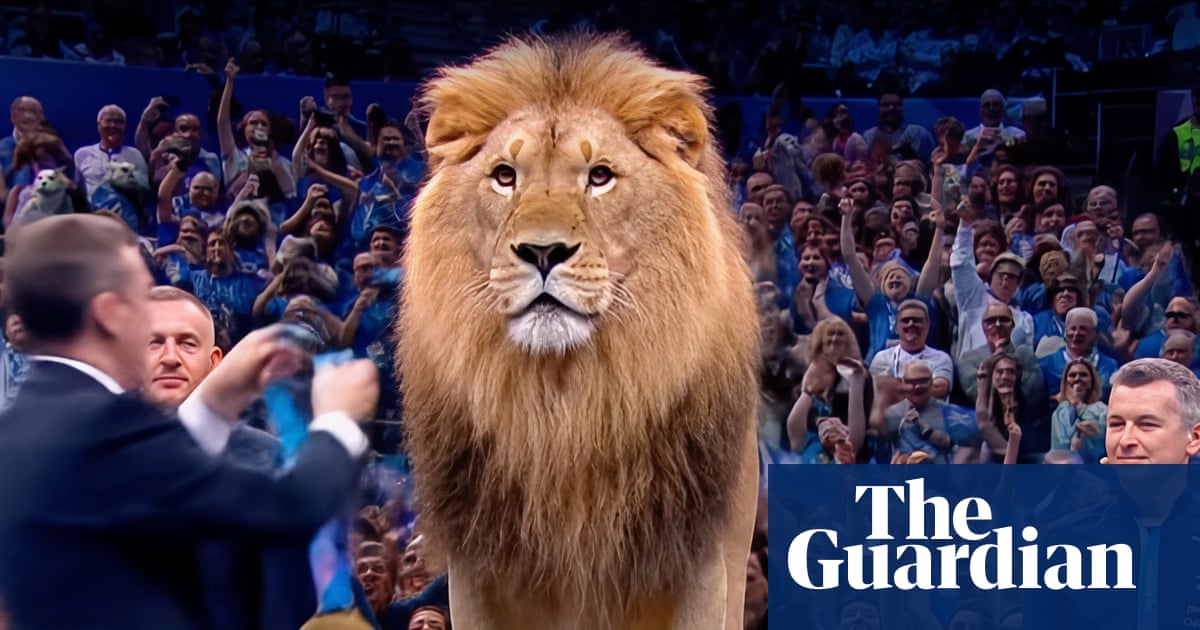
As artificial intelligence’s popularity continues to grow, so does the prevalence of so-called AI slop: the uncanny, sometimes funny and sometimes creepy mass-produced online content that seems inescapable online, particularly if you follow Donald Trump. While users continue to create new images, audio, and video with AI tools, some websites are beginning to crack down on the content. In the latest episode of Pivot, cohost Kara Swisher was joined by Casey Newton and (Intelligencer alum) Kevin Roose, the outgoing hosts of the New York Times’ podcast Hard Fork, to discuss the current era of slop and where things might soon be headed.
Pivot
Twice weekly, Scott Galloway and Kara Swisher host Pivot, a New York Magazine podcast about business, technology, and politics.
Subscribe on:
Kara Swisher: So, one of the things that’s also happening is more and more companies are pushing back against AI slop — this is sort of the everyone hates AI episode — which seems to be everywhere these days, including the president’s social media accounts. Snapchat now says it will stop recommending fully AI-generated videos in its spotlight feed. Instead, rewarding authentic human-made content. LinkedIn just introduced a “seems like AI slop” button, allowing users to flag posts they think are written with AI. And Substack has also rolled out a tool to help readers identify AI-generated writing. Meanwhile, Meta has an Instagram feature that lets users modify photos from public accounts with AI. That feature was removed after a backlash. Where are we with AI slop? And, obviously, Sora closed down. I always thought this looks terrible and I don’t know why people would want to use it. It’s sort of like a Twinkie of photos. It’s ruined pet videos for Scott Galloway, who loves pet videos. Talk a little bit about where this is going.