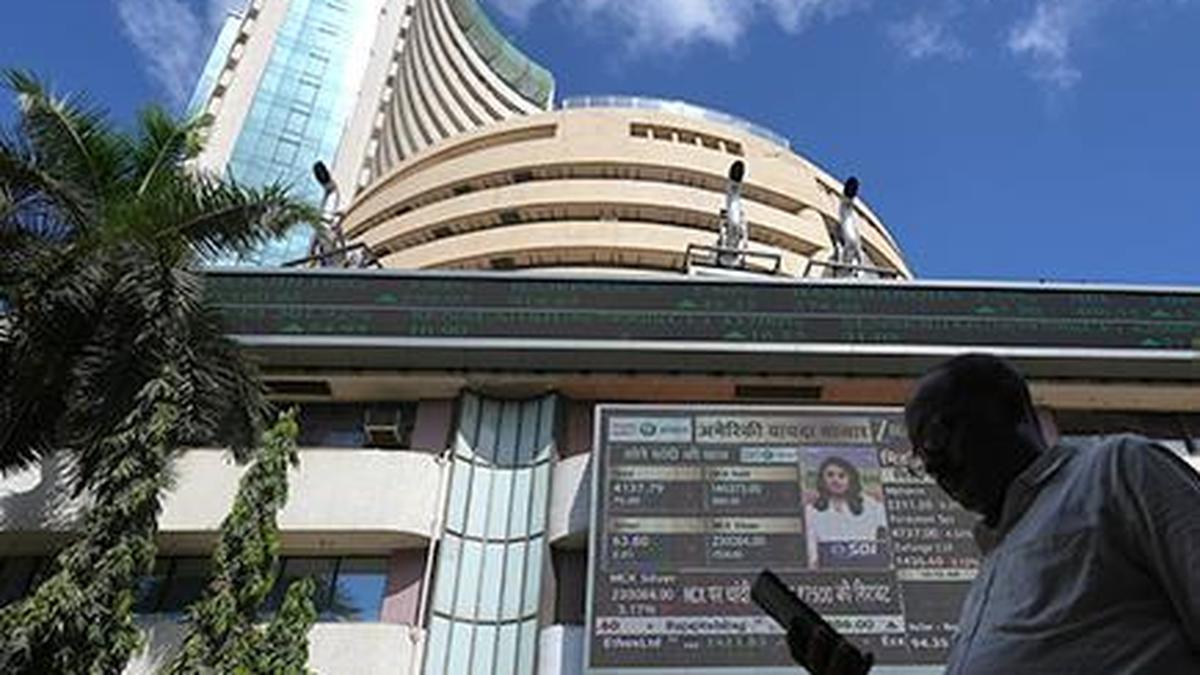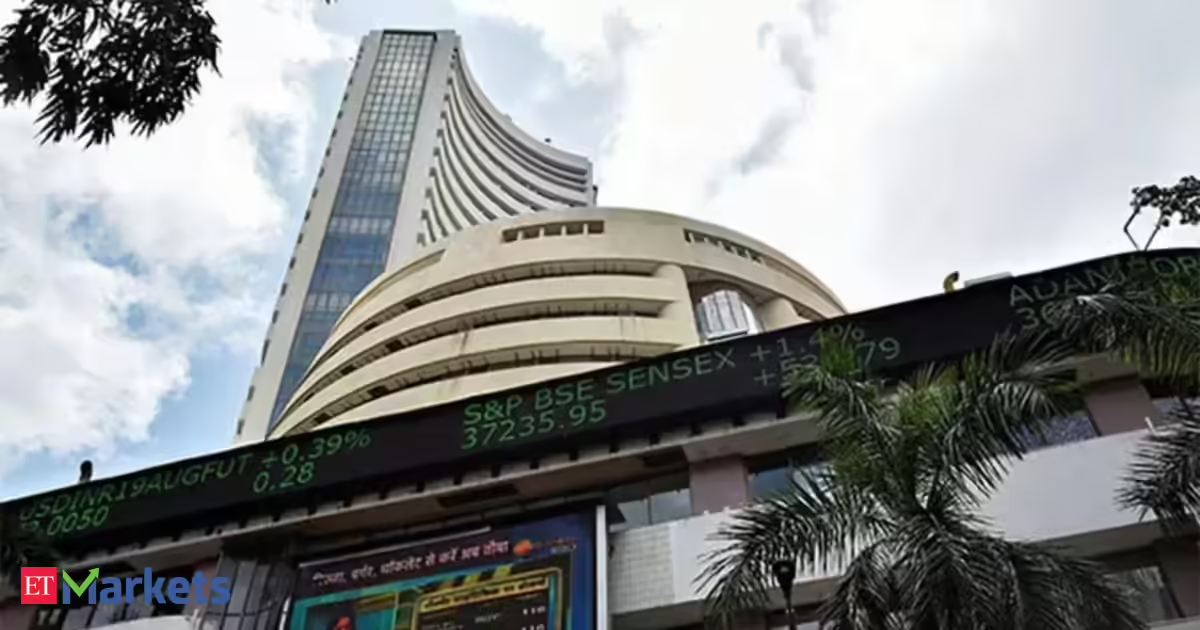
The brokerage estimates this will involve about 18 million shares, equivalent to around six times BSE’s average daily trading volume, with the stock expected to carry a 1.3 per cent weightage in the index
| Photo Credit:
The stock of BSE is expected to attract around $700 million in passive inflows following its entry into the Nifty 50, as funds tracking the benchmark rebalance their portfolios to include the stock.The inflow is expected to be largely concentrated around the September 30 rebalance, with Nuvama Alternative & Quantitative Research estimating $695 million of buying in BSE from Nifty 50-linked funds. The brokerage estimates this will involve about 18 million shares, equivalent to around six times BSE’s average daily trading volume, with the stock expected to carry a 1.3 per cent weightage in the index.Passive flowsAfter accounting for BSE’s exclusion from the Nifty Midcap 150, Midcap 100 and Midcap 50 indices, Nuvama estimates the overall passive flow impact on the stock at a net $622 million, or 16.5 million shares, equivalent to 5.6 times its average daily trading volume.Nikunj Saraf, CEO, Choice Wealth said, “We estimate BSE's Nifty 50 entry will trigger roughly ₹6,500-7,000 crore, or about $740 million, of one-time passive buying based on an expected entry weight of around 1.3-1.4 per cent applied to the nearly ₹5 lakh crore that tracks the index.” He expects 85-90 per cent of the buying to come from domestic ETFs and index funds, with global Nifty 50 trackers contributing a smaller share.The immediate demand is largely mechanical, but analysts expect the impact of index membership to extend beyond the September rebalance as every incremental rupee flowing into Nifty 50 passive funds now buys BSE too, he said.Arihant Bardia, CIO and Founder of Valtrust said, “An index is supposed to reflect where investors are putting their money. But increasingly, it is also influencing where that money goes.”“BSE will now be eligible for investment by a much larger pool of benchmark-linked institutional capital, which can translate into greater institutional ownership, trading liquidity, analyst coverage and visibility. It can also make the stock more relevant to global investors and active funds that use the Nifty 50 as a reference point,” Bardia said.Saraf said the longer-term benefit could come through a better quality of ownership and lower cost of capital rather than another immediate trigger for the stock.However, analysts said that much of the expected benefit could already be reflected in BSE’s share price, which has risen sharply ahead of its inclusion. The sustainability of the valuation will ultimately depend on the exchange’s earnings and business performance rather than its index membership alone.Published on August 11, 2026