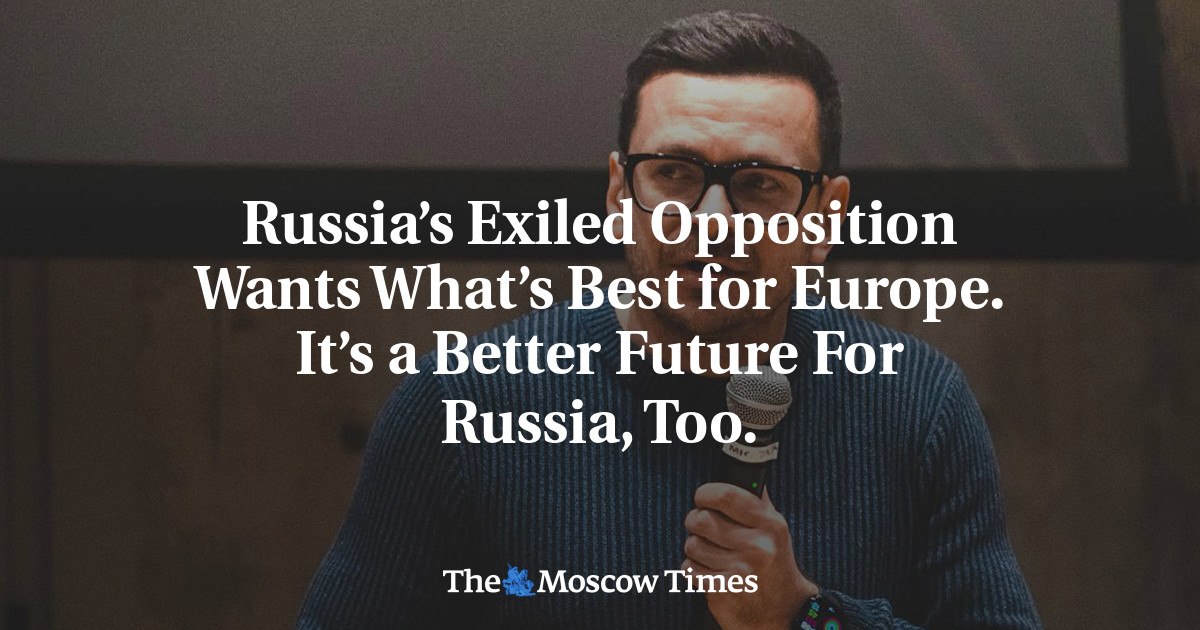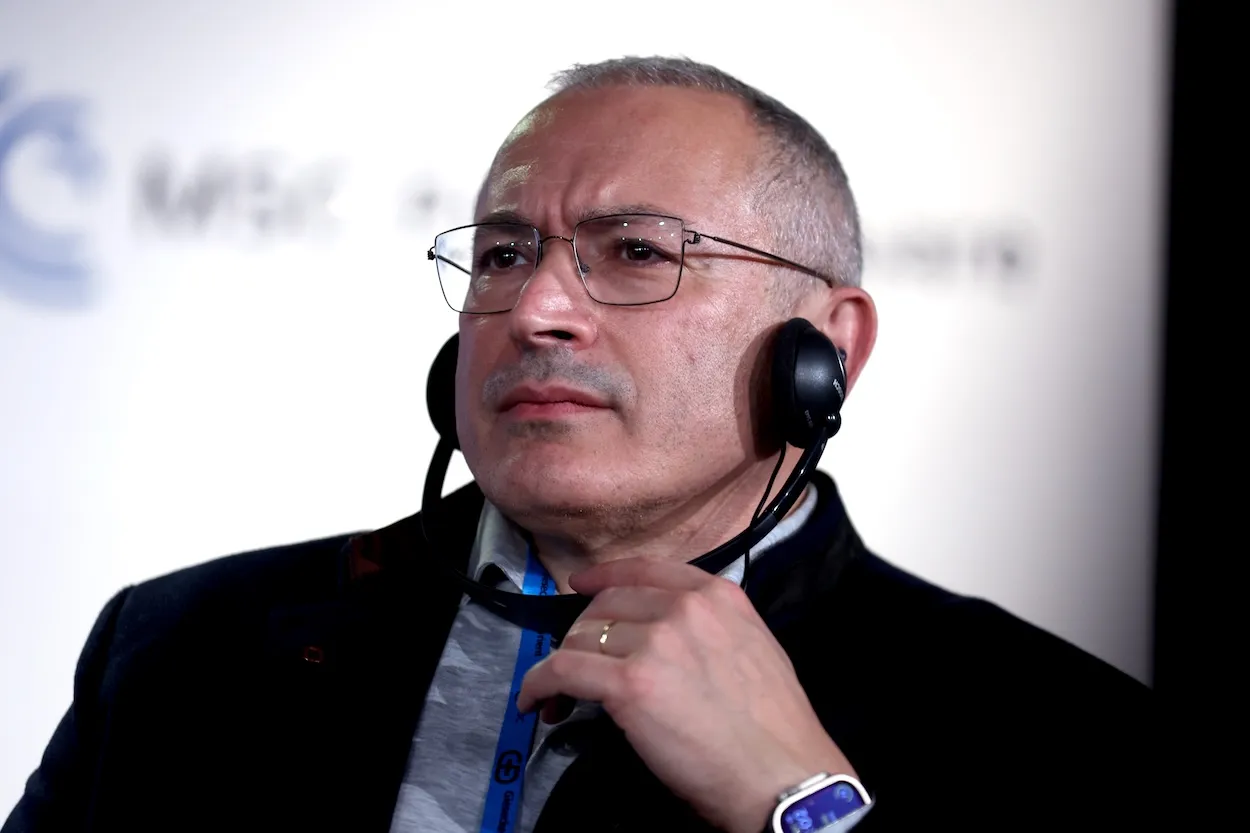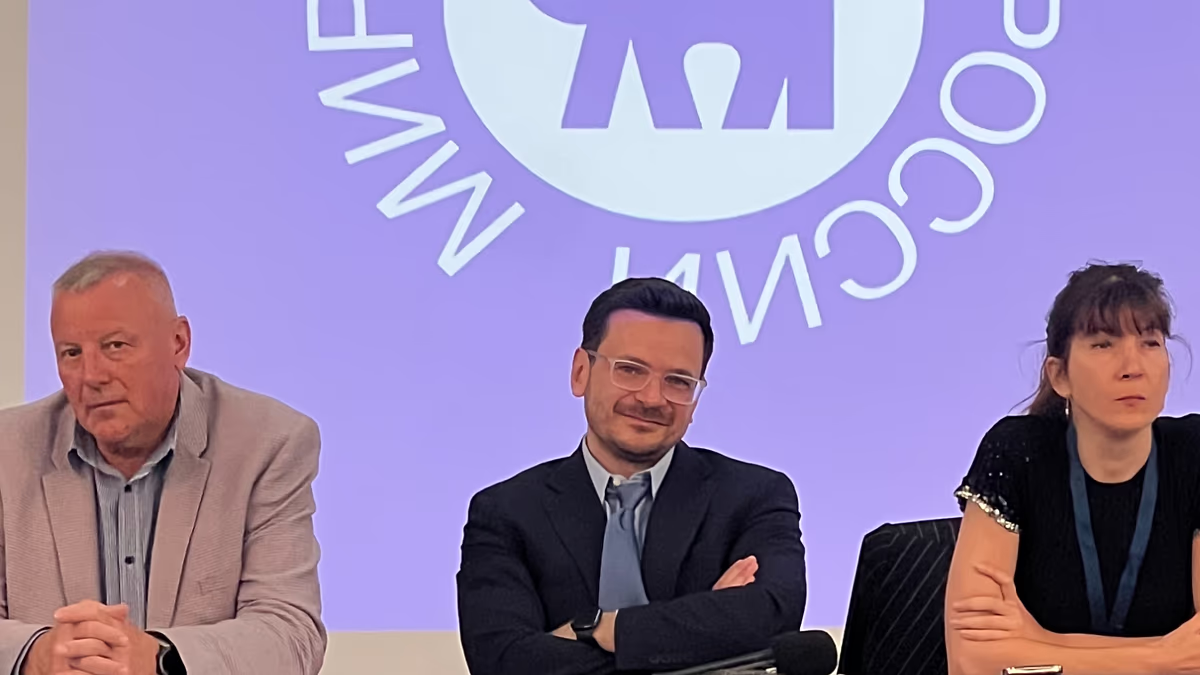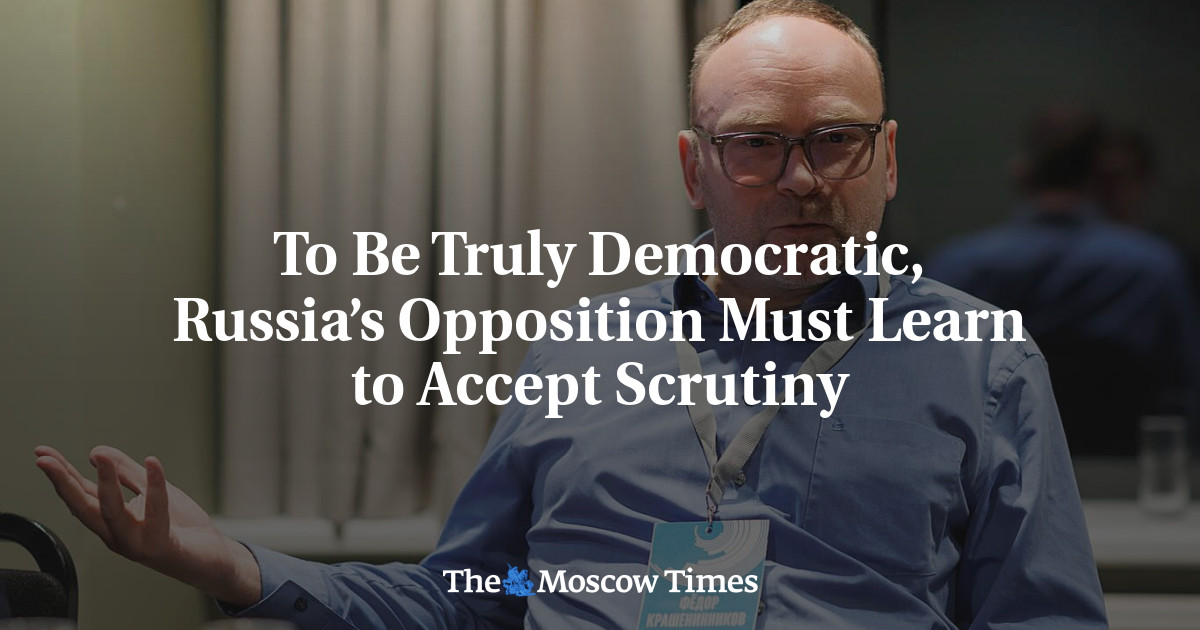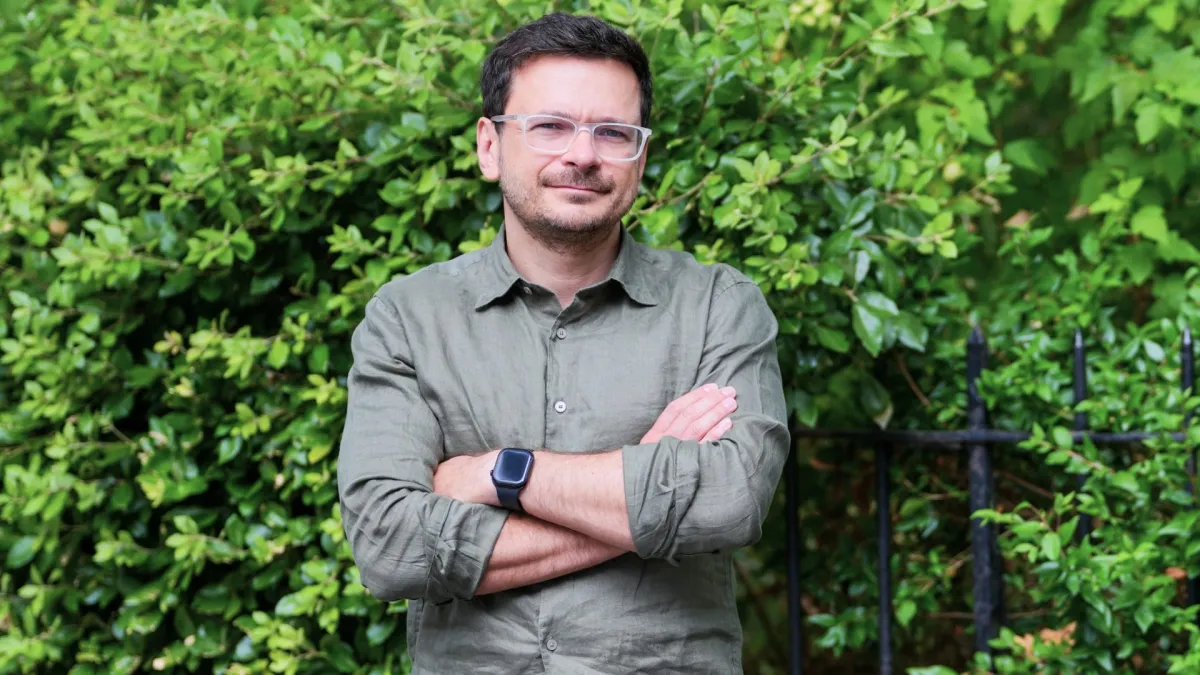
In a recent article for the Moscow Times, the prominent Russian opposition politician Ilya Yashin claimed I argued that “the interests of Russia’s opposition in exile are fundamentally at odds with Europe’s security.”
I did no such thing, and readers can judge for themselves here. But I welcome the opportunity he has offered to continue debating these important matters.
The key point is that the Russian opposition’s strategy appears beset by a contradiction between its means and ends. Its goal is to “liquidate” Vladimir Putin’s regime. To this end, leading figures variously urge Europe to limit sanctions, to liberalize restrictions on immigration from Russia and to pay for Russia’s future reconstruction. It is difficult to see how such a strategy — more radical in ends, yet more limited in means than Europe’s own policies — could work. It seeks to undermine a regime at war by advocating measures to protect citizens from the costs of doing so. This is a circle that cannot be squared.
Take sanctions. Most opposition leaders criticize all but very limited measures like personal sanctions against regime officials. To his credit, Yashin calls for “targeting Putin’s war machine.” But as the regime diverts ever-greater resources to the battlefield, this war machine becomes increasingly inseparable from the economy that supplies and finances it.