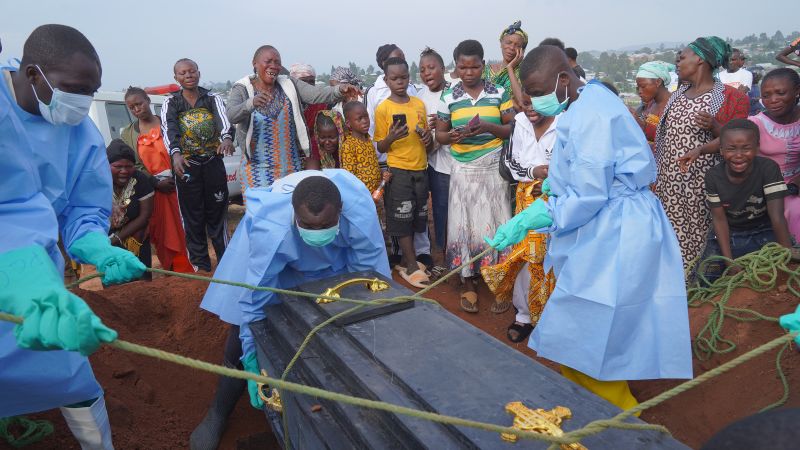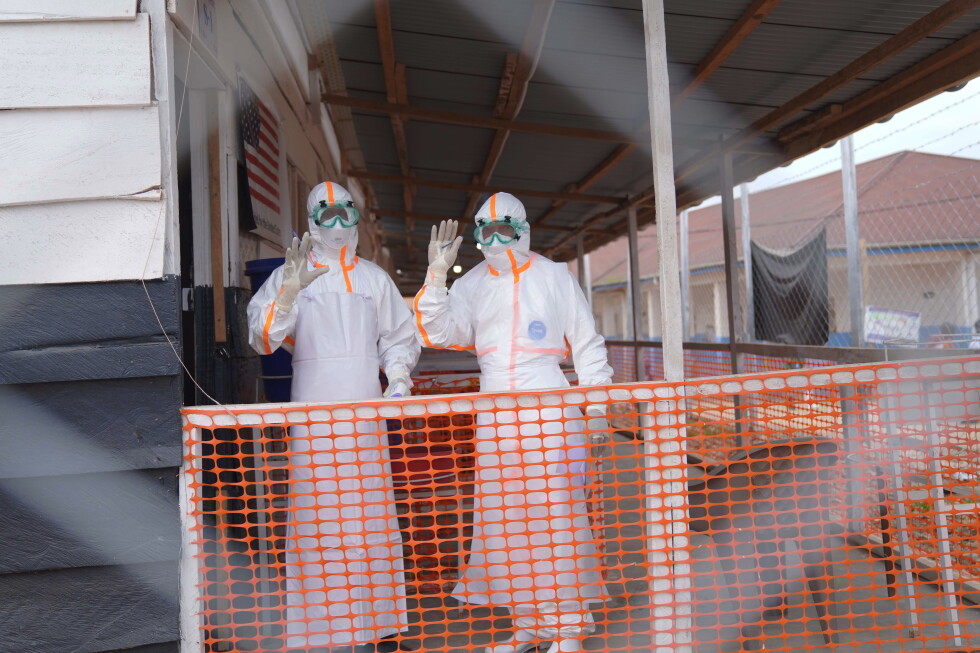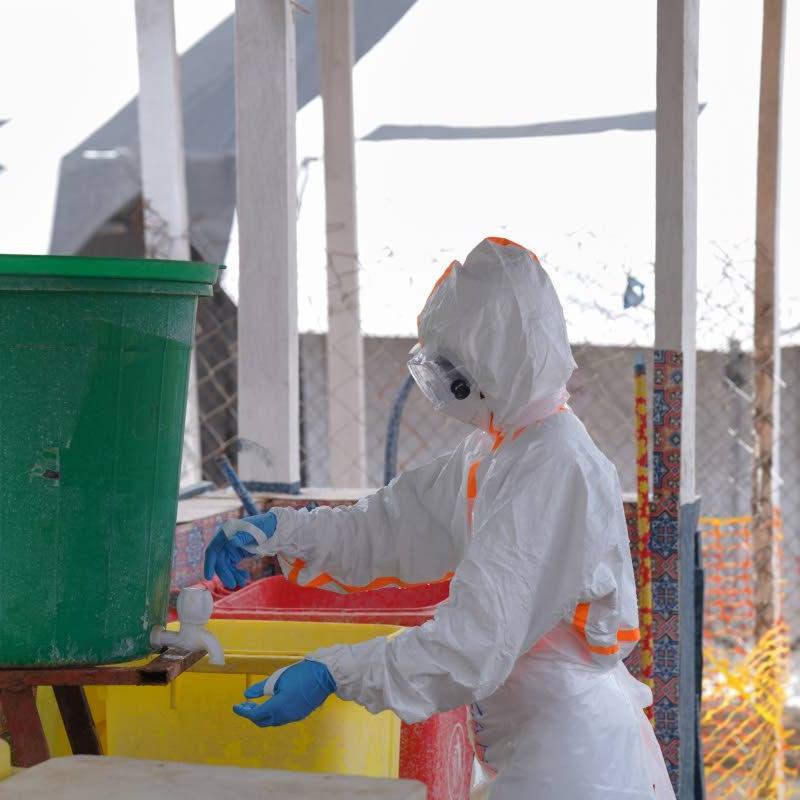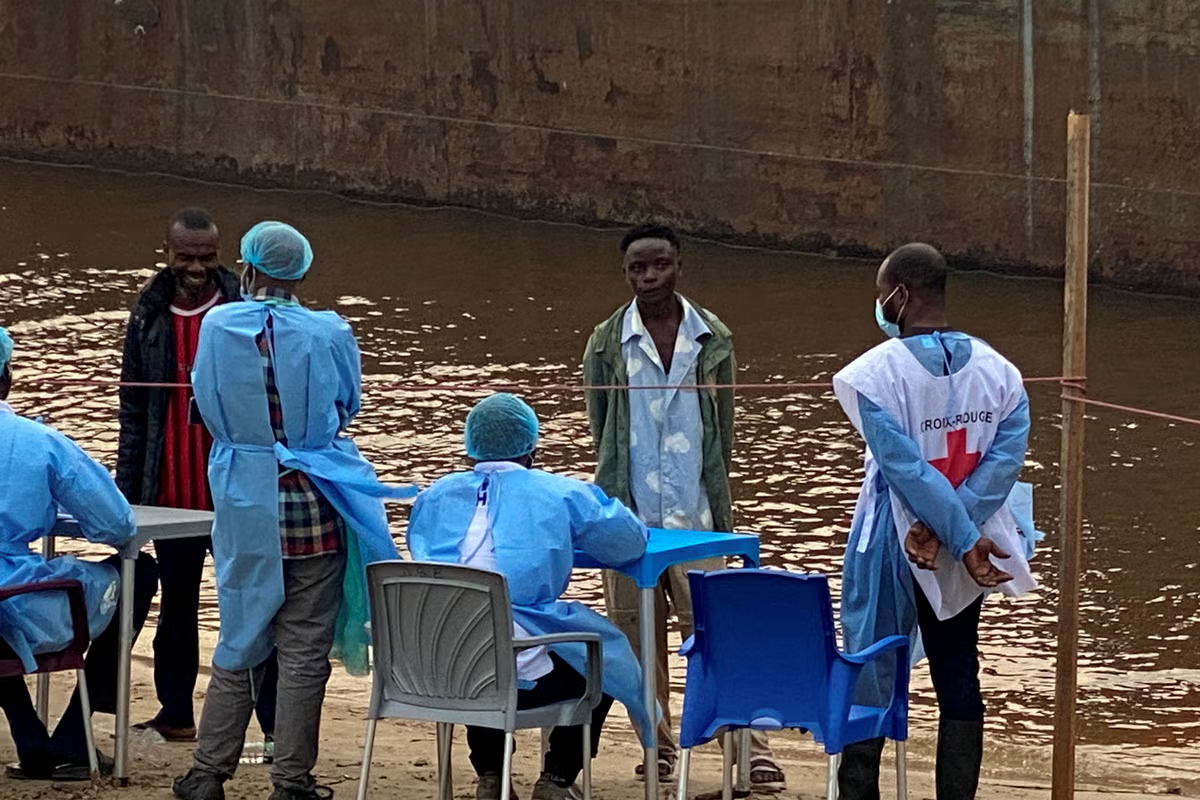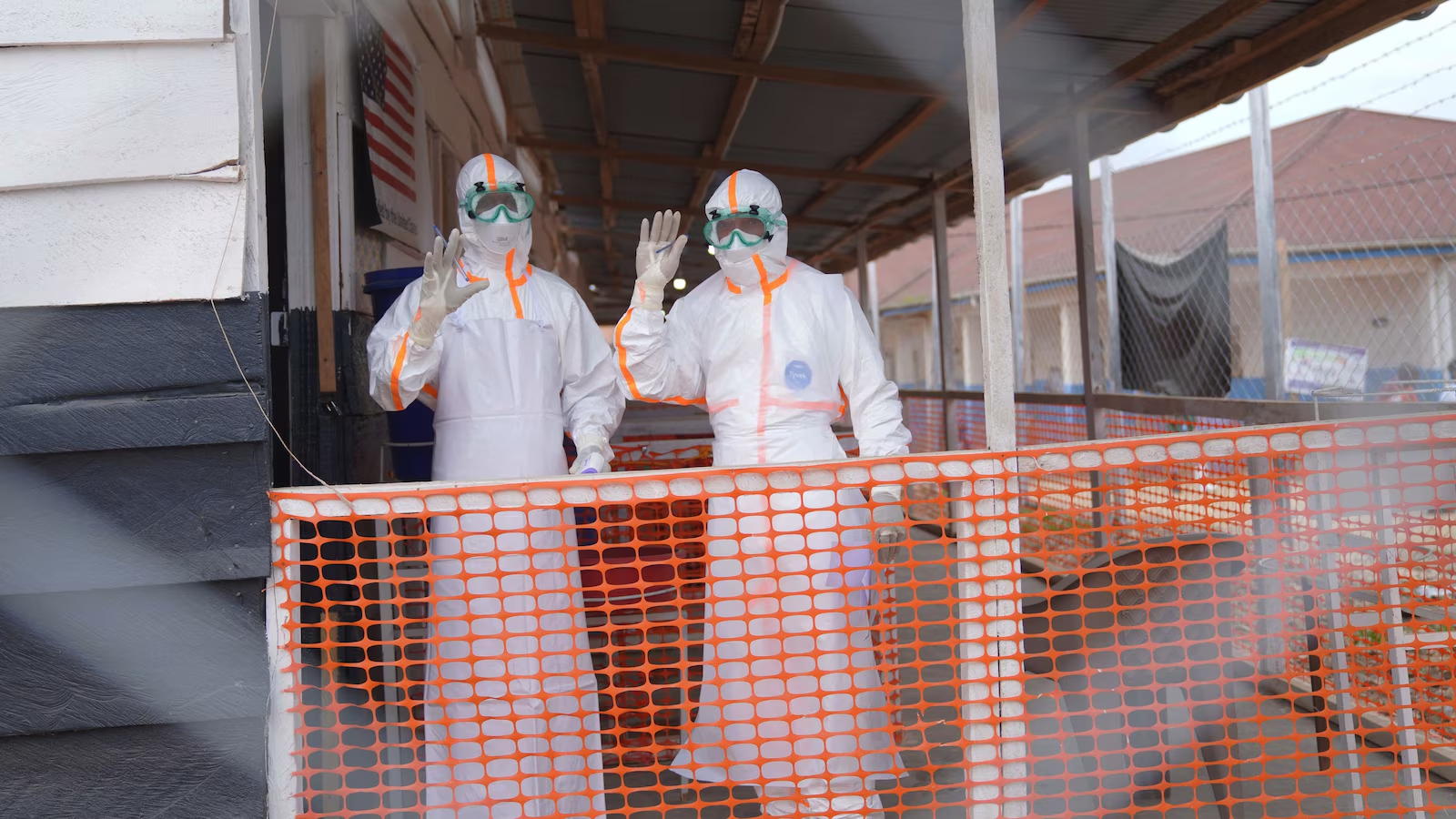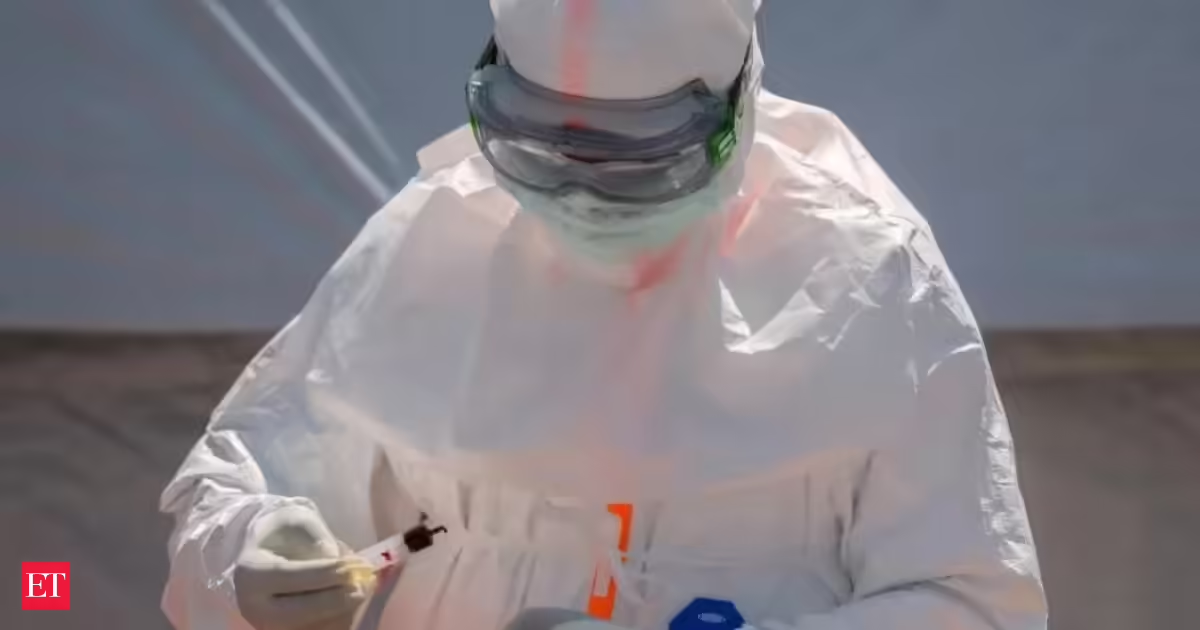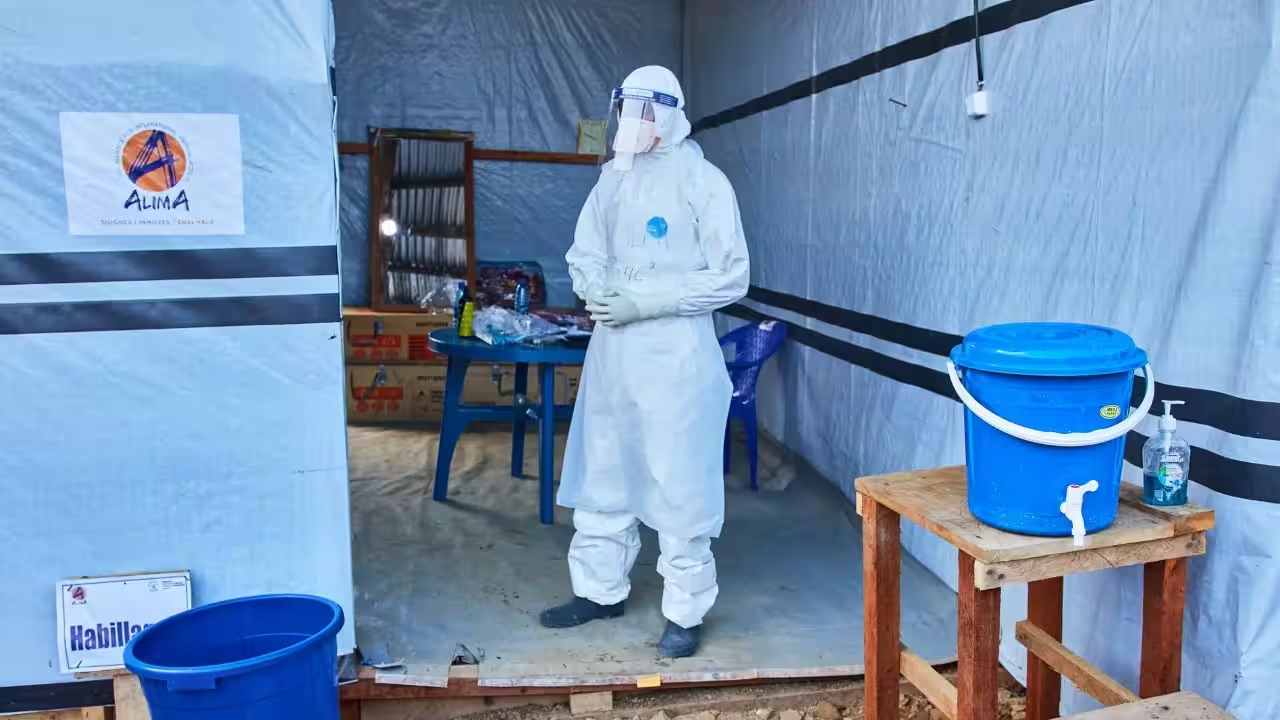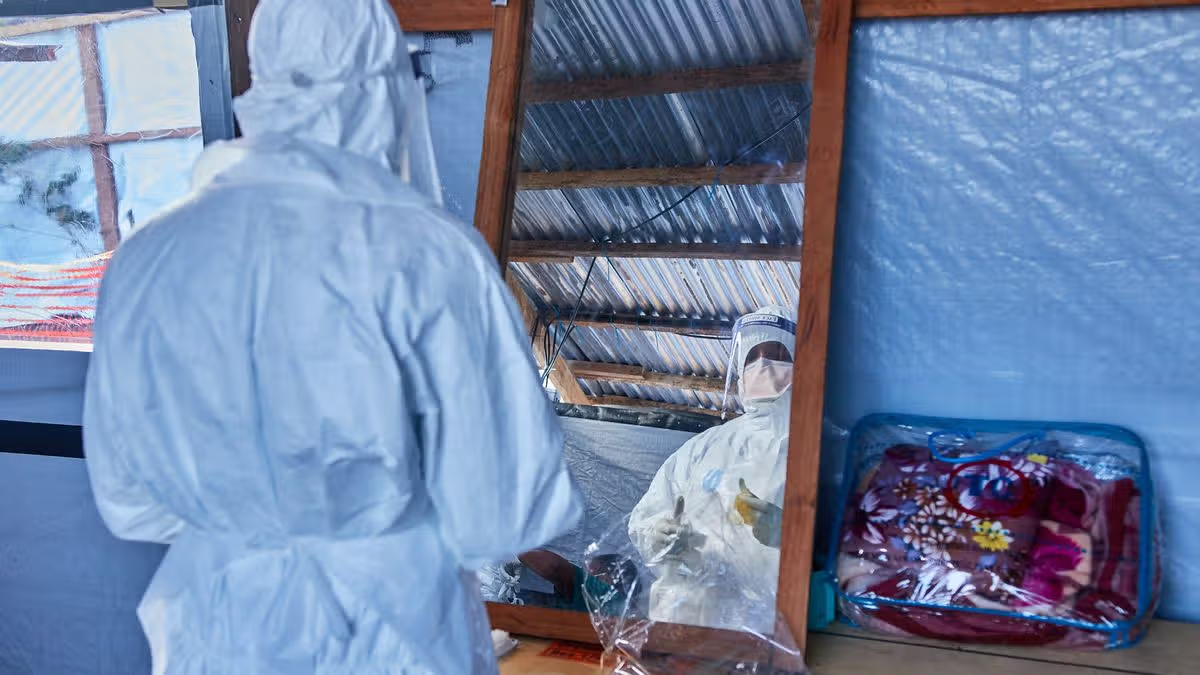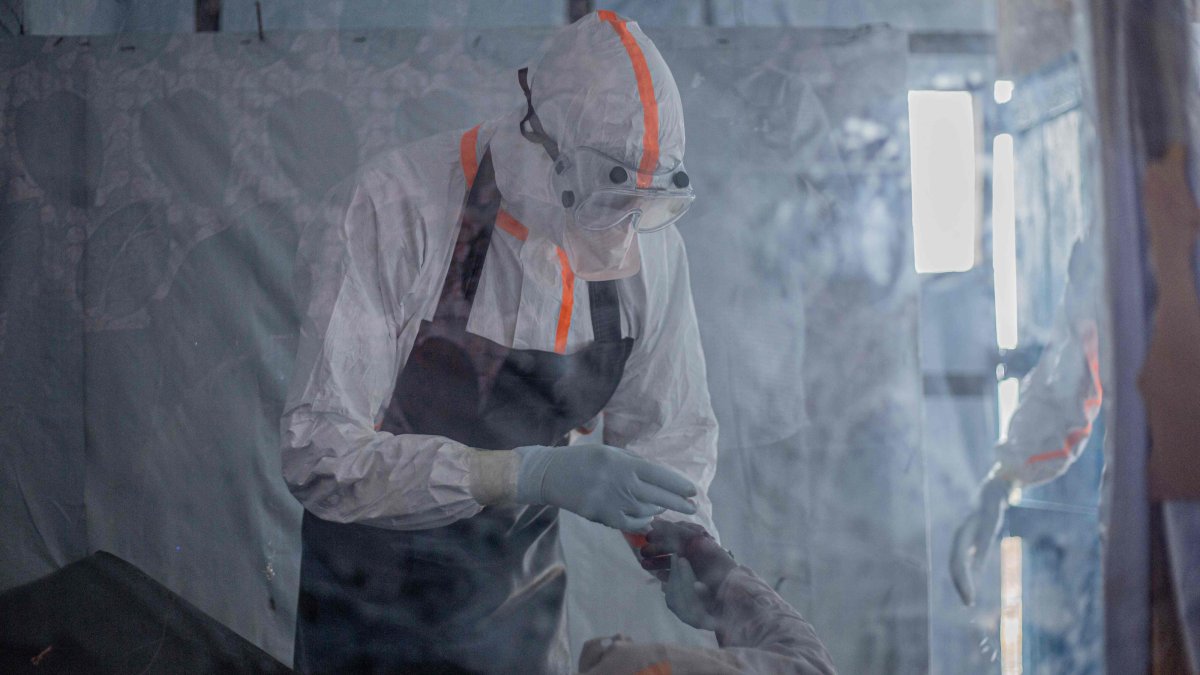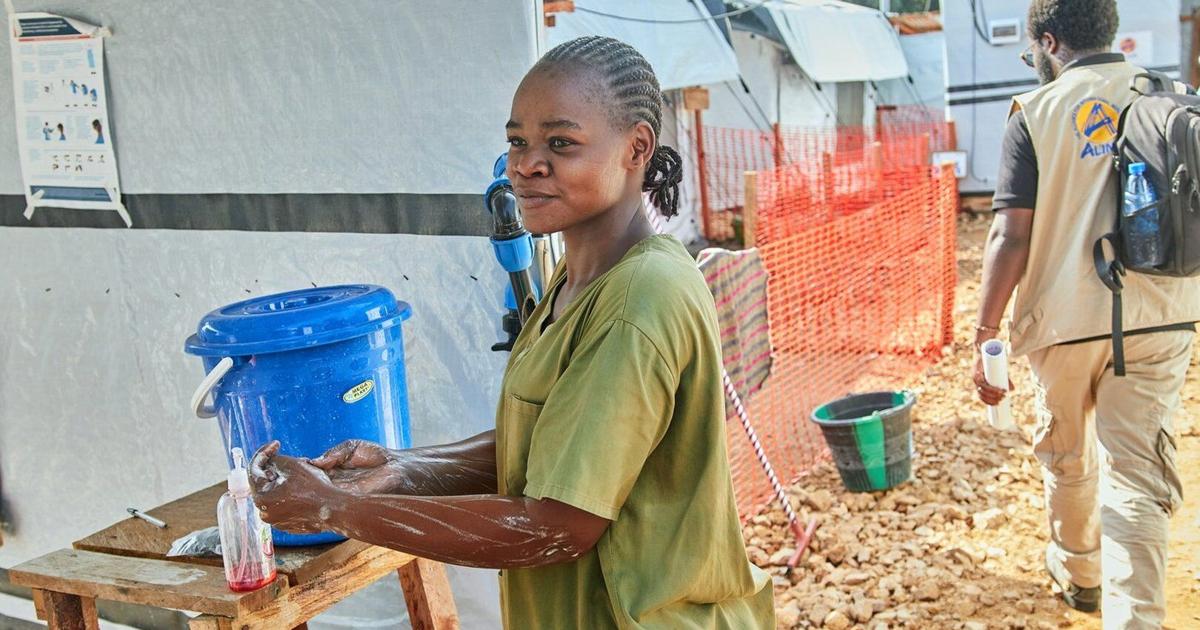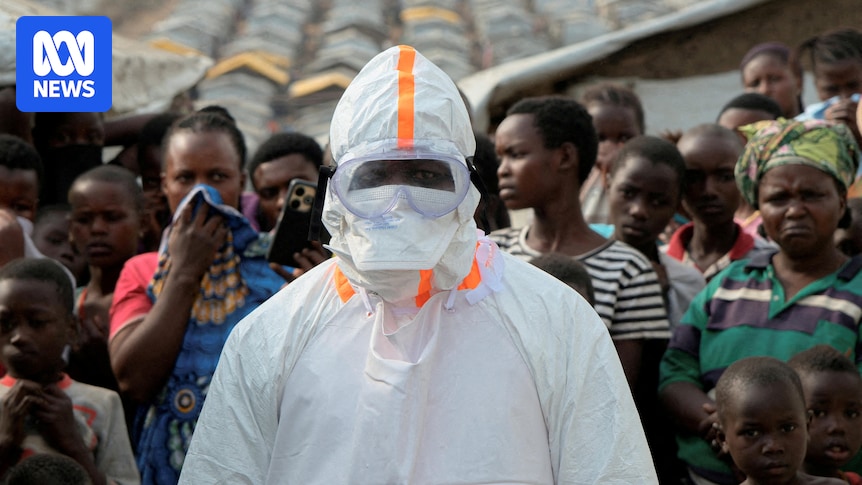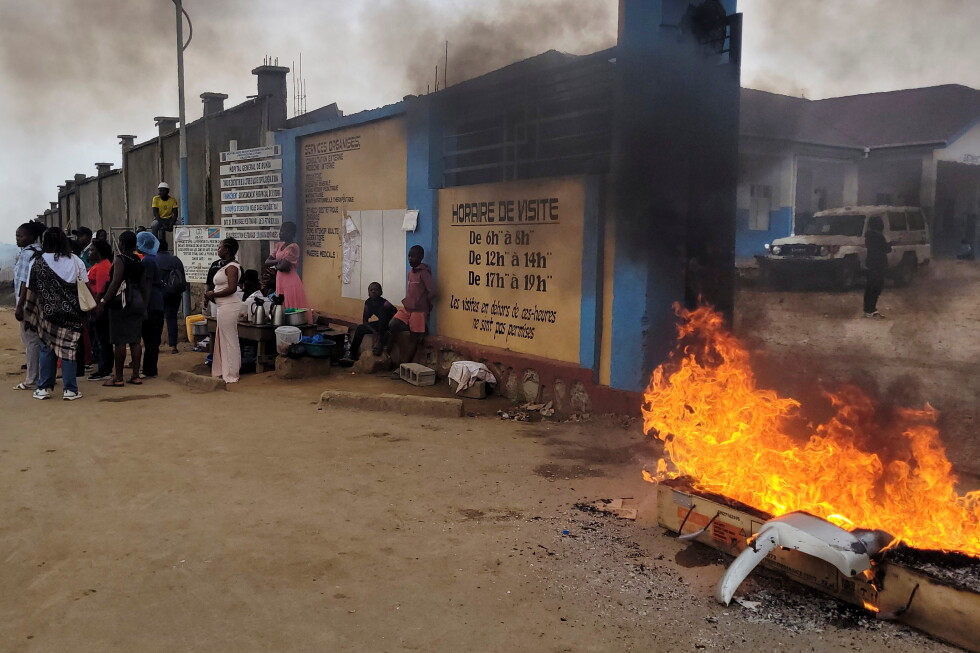
More than 2,000 people have now died in the fastest-growing Ebola outbreak in history, and challenges keep coming in containing a rare type of the virus with no approved treatment or vaccine.Congo’s health authorities on Tuesday announced 4,381 confirmed cases, including 2,011 deaths. This death toll has been reached almost three times faster than in the 2014-16 Ebola outbreak in West Africa — the worst in history.The outbreak is unfolding in some of the most challenging conditions imaginable, with strikes by some unpaid health workers, threats by rebel groups, anger from long-traumatized communities and misinformation asserting that Ebola isn’t real. Health teams travel remote, unpaved roads and have reported shortages of protective gear, while a vast population of displaced people struggles to find reliable water sources for washing hands.
Five provinces in eastern Congo are affected, near neighboring South Sudan, Uganda and Rwanda, and there are fears about the potential spread to larger cities in the region with a highly mobile population and many people fleeing conflict.On Monday, the World Health Organization said the outbreak started in February, months before it was officially declared in mid-May, as experts try to track down how it began. Health authorities have said between 60% and 70% of new cases are recorded outside contacts being monitored, and that the disease is spreading at an “alarming” rate.“We are chasing the virus, the virus is ahead of us,” the WHO regional director for Africa, Dr. Mohamed Yakub Janabi, said this week.Here’s a look at the outbreak and the challenges to contain it.