in History, Music | August 11th, 2026 Leave a Comment
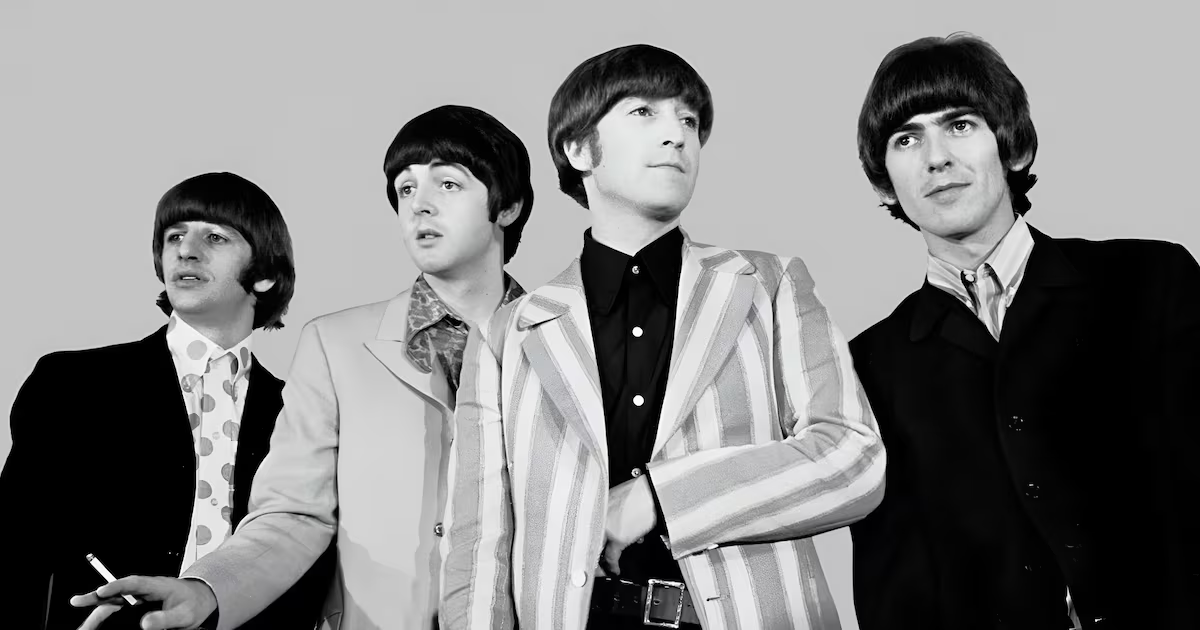
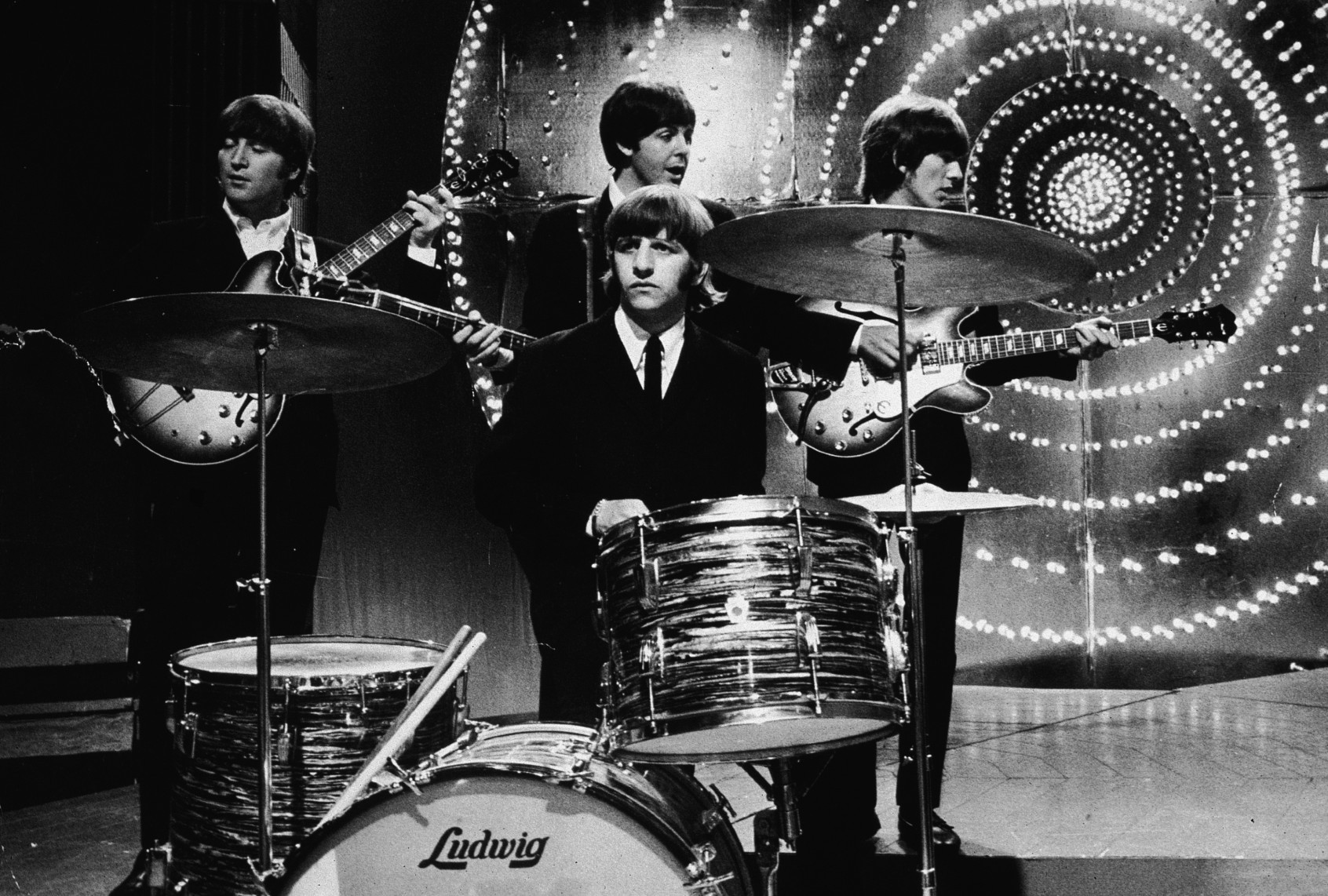
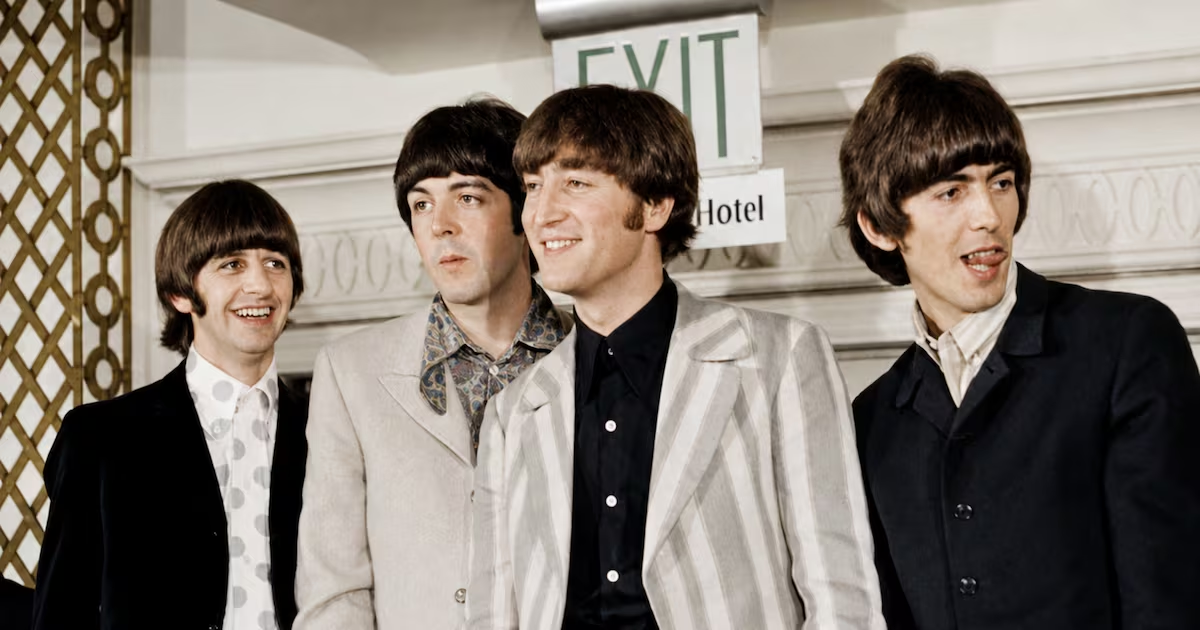
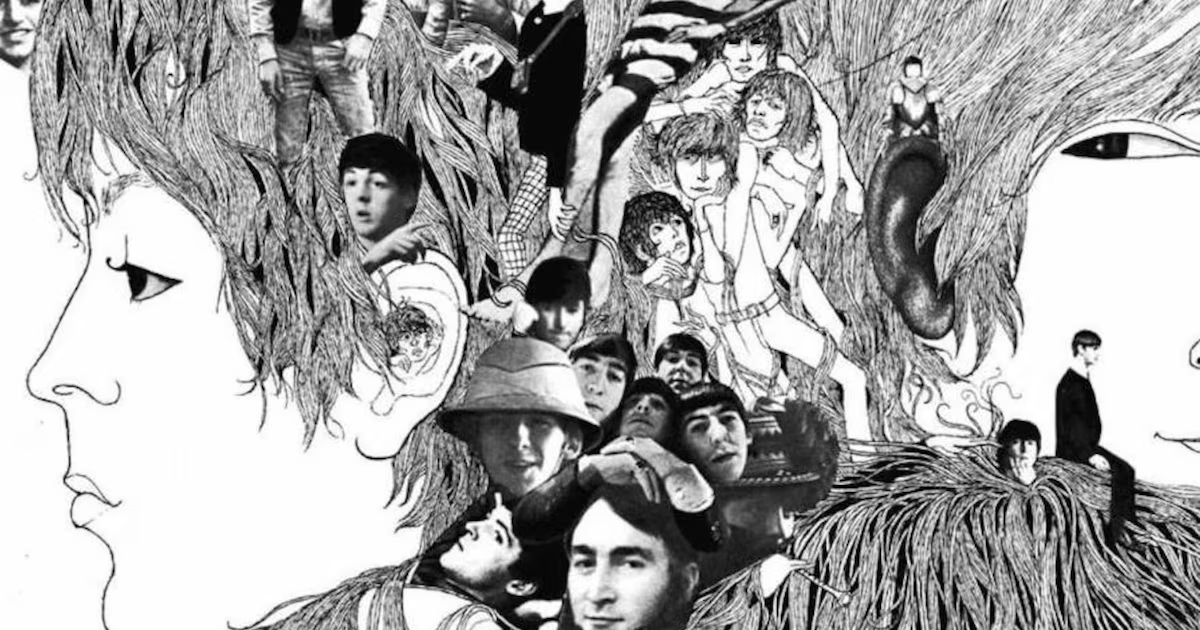
Among Beatles connoisseurs, it’s fair game to claim anything from Rubber Soul to Abbey Road as one’s favorite album. But even within that span of the catalog, a hierarchy of acclaim exists, and that hierarchy has been rearranged over the decades. The ecstatic reception of Sgt. Pepper’s Lonely Hearts Club Band lasted at least a decade. By the turn of the nineteen-eighties, its immediate predecessor Revolver had joined it at the top spot of critical regard; twenty years after that, Abbey Road had displaced Sgt. Pepper. Now, a full 60 years after it first came out, Revolver is the single Beatles album held in the highest esteem — which, naturally, makes it a serious contender for the greatest album ever recorded.
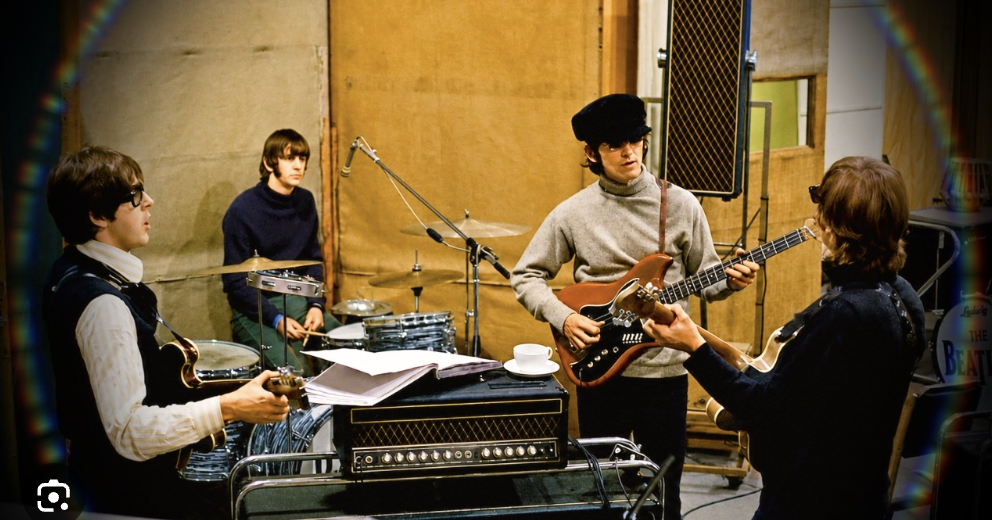
In his new video above, music YouTuber David Hartley explains what makes Revolver so beloved by recounting the history of its production. As in his previous Beatles videos, he draws on the library of studio outtakes that make audible the evolution of each song, as well as on contemporary interviews with the Beatles and their collaborators.
Among his most illuminating sources is engineer Geoff Emerick’s memoir Here, There, and Everywhere — titled, incidentally after one of the songs on this very album, the challenge of whose recording he took on at just twenty years old. In the event, his youth proved an asset, granting him as it did the willingness not just to execute the Beatles’ “far-out” sonic ideas, but also to violate EMI Studios’ policies against experimental use of its hardware in the process.