MoS Murlidhar Mohol
| Photo Credit:
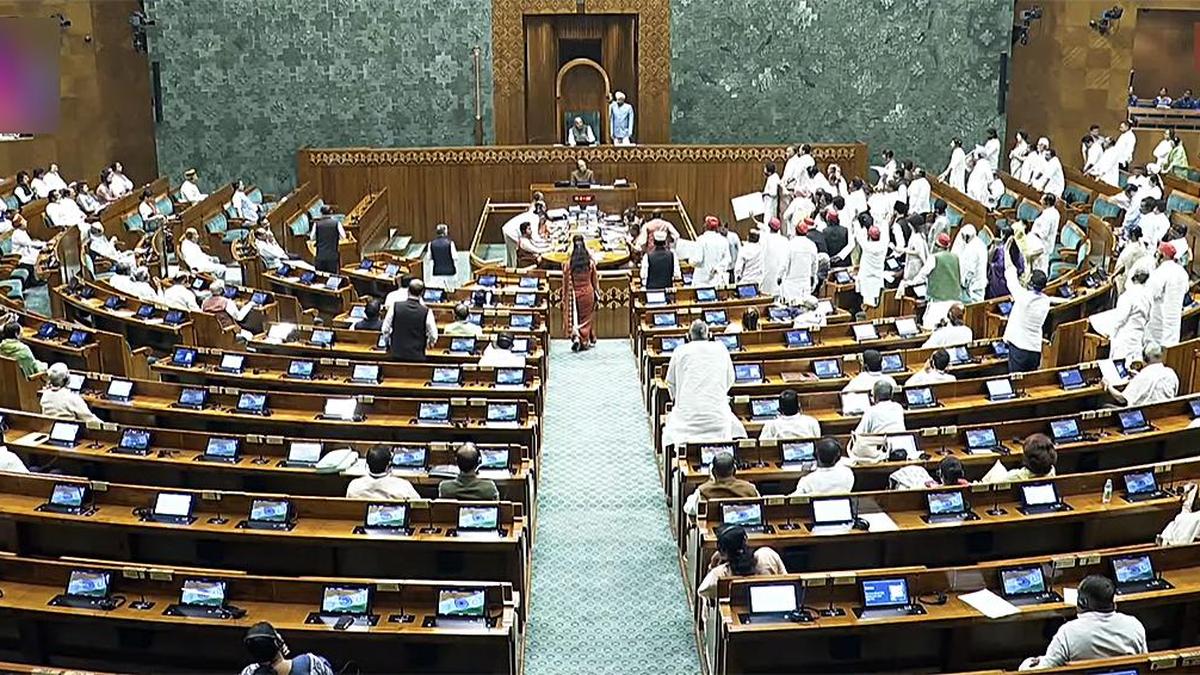
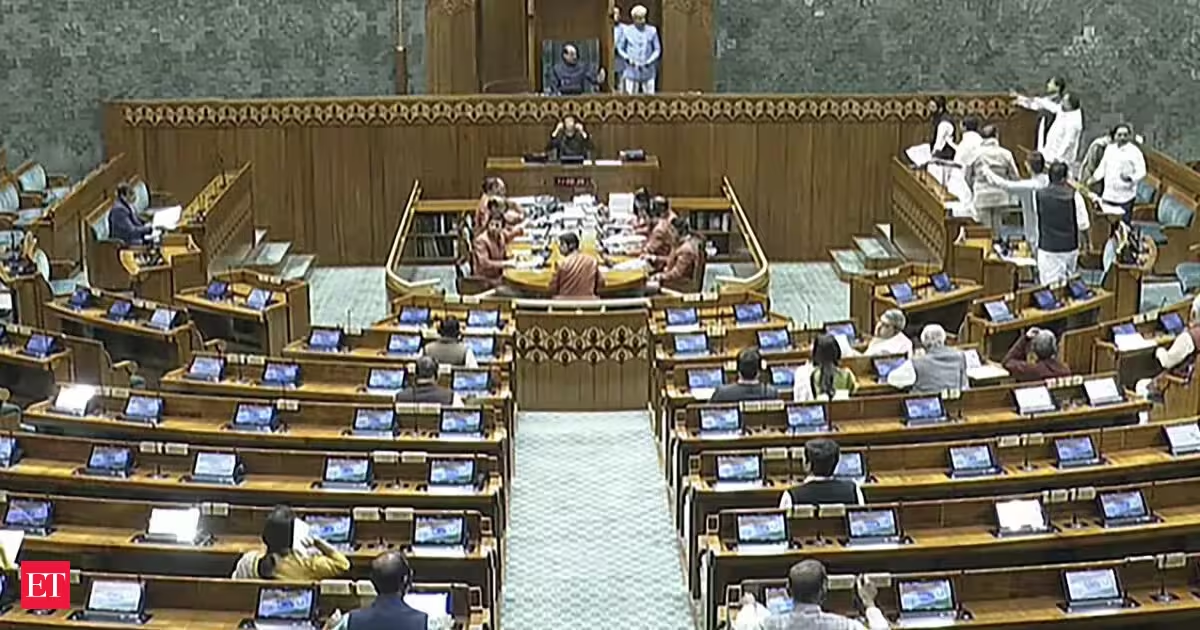
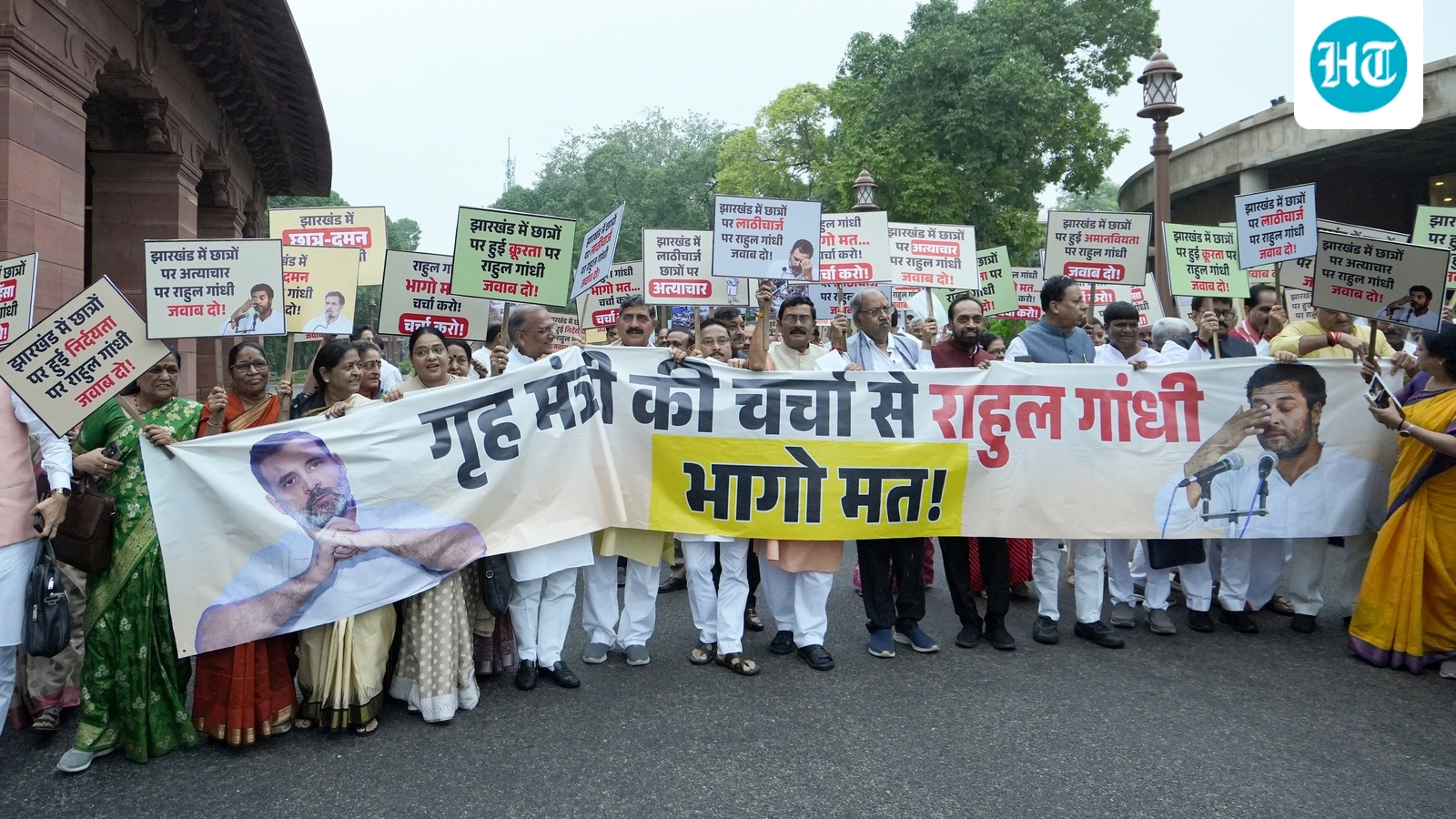
The Lok Sabha on Tuesday passed the National Co-operative Development Corporation (Amendment) Bill, 2026 without a debate amid continued protest by the Opposition parties seeking the presence of Home Minister Amit Shah, who also holds the cooperation portfolio, over the police crackdown on students during a protest march to Parliament on July 20.Minister of State for Cooperation Murlidhar Mohol moved the Amendment Bill to enable NCDC extend loans and grants directly to any entity engaged in cooperative development subject to furnishing security as may be required by the corporation. So far, NCDC’s credit line was reserved only for cooperative societies.The NCDC, a statutory organisation under the Ministry of Cooperation, was established in 1963 under the NCDC Act, 1962 and was amended in 1973, 1974 and 2002. Its main activities include planning, promoting and financing programmes for the production, processing, marketing, storage and export-import of agricultural produce, foodstuffs, and other notified commodities.share capitalAfter taking the government’s approval, NCDC will be allowed to participate in the share capital of any cooperatives or any entity engaged in cooperative development, according to the amendment proposed. The Bill seeks to widen the institutional channels through which assistance may reach and strengthen the cooperative sector while cooperative societies will continue to remain the primary beneficiaries.Statutory bodies, state government agencies and other specialised entities are increasingly engaged in providing infrastructure, technology, processing, marketing, financial and other services for the development of cooperatives. Since such entities may not be registered as cooperative societies, NCDC is presently unable to finance them directly, even where their activities are intended to benefit the cooperative sector.Among other changes, the Bill proposes to expand the definition of ‘foodstuffs’ to include any other food items notified by the Centre. The geographical restriction applicable to industrial goods is proposed to be removed as this will enable assistance for such activities irrespective of their location.It also proposes additional powers to the NCDC that may be necessary for effectively discharging its functions. It also provide greater flexibility and legal clarity to the NCDC, facilitating timely and direct financial assistance for co-operative development.Published on August 11, 2026