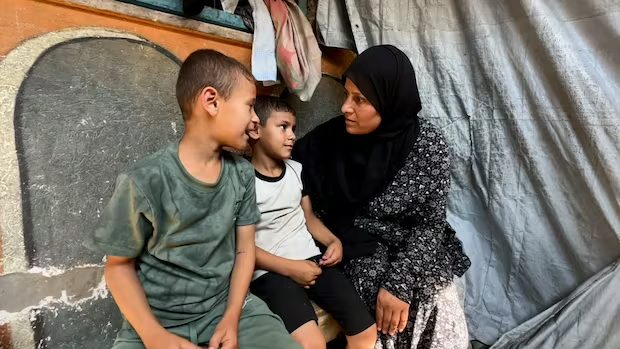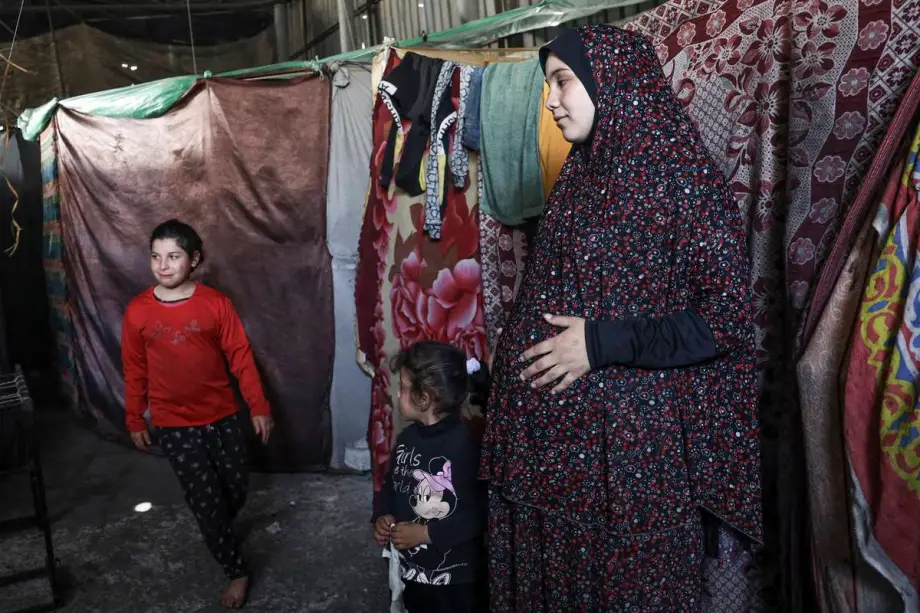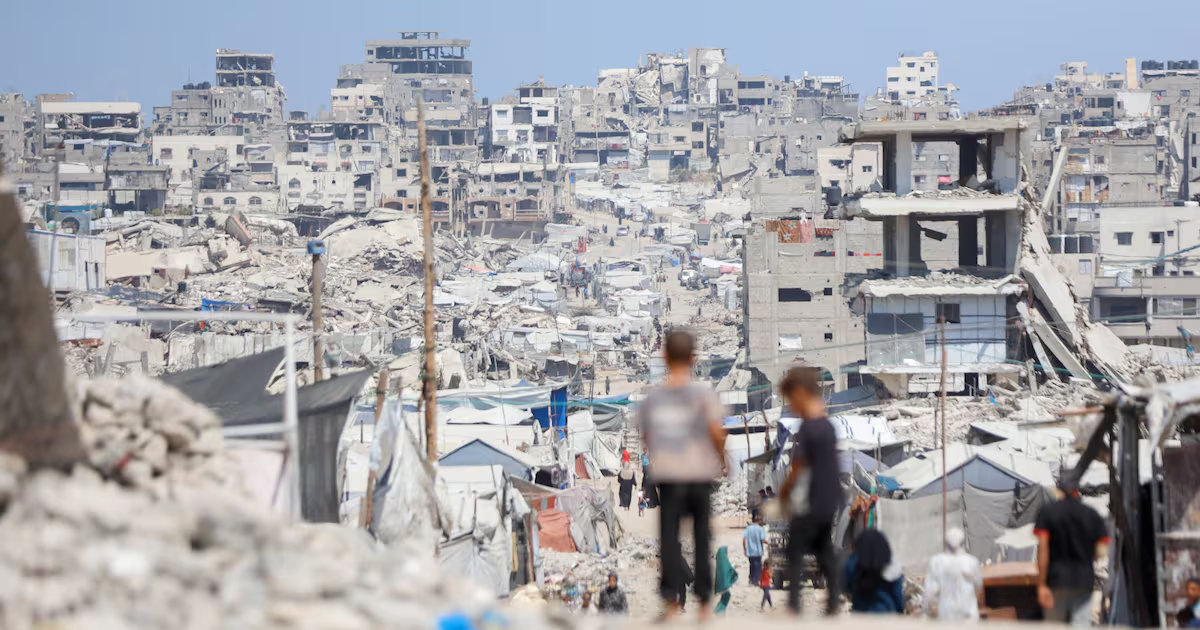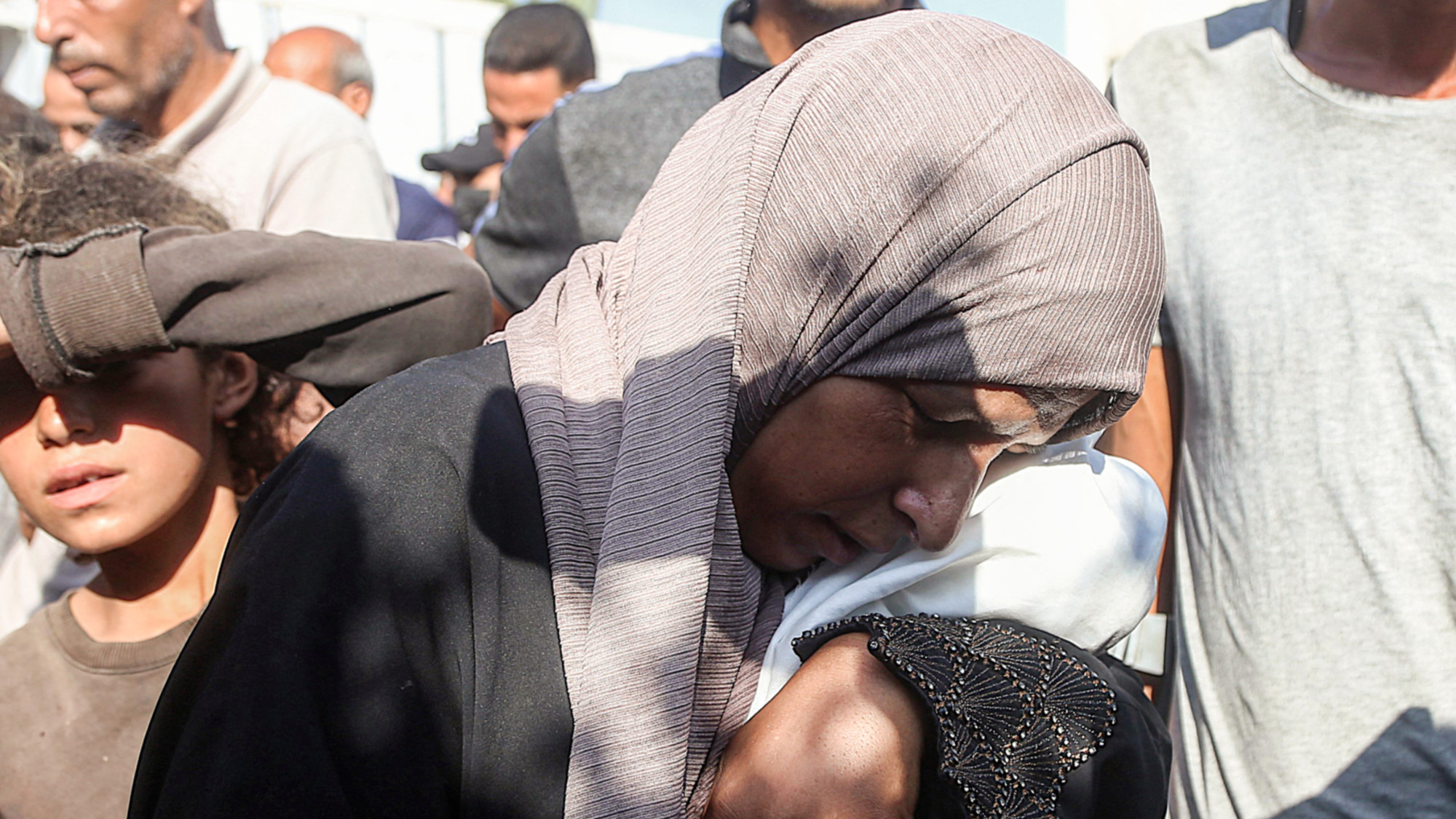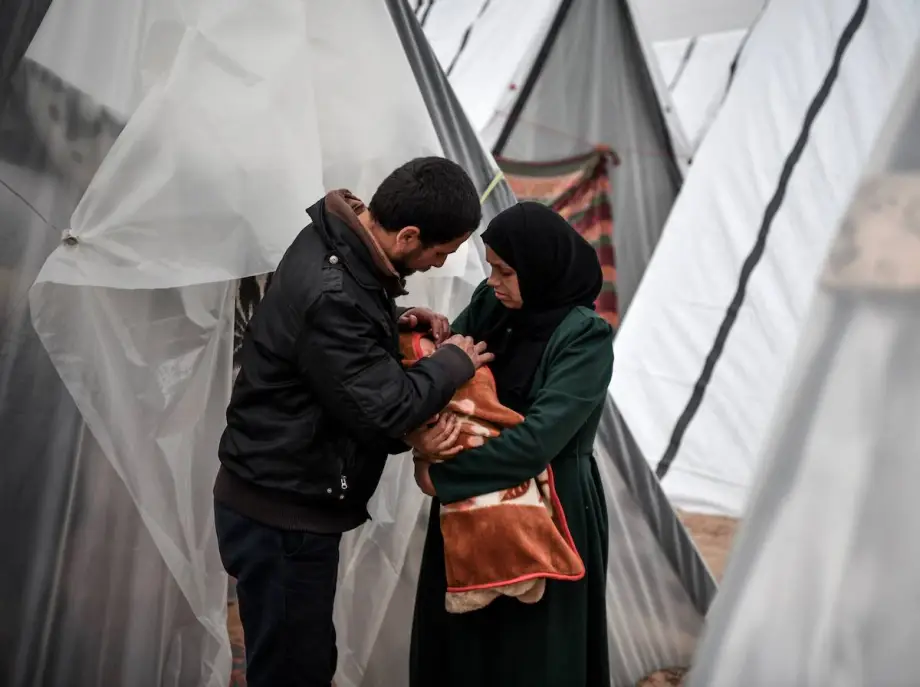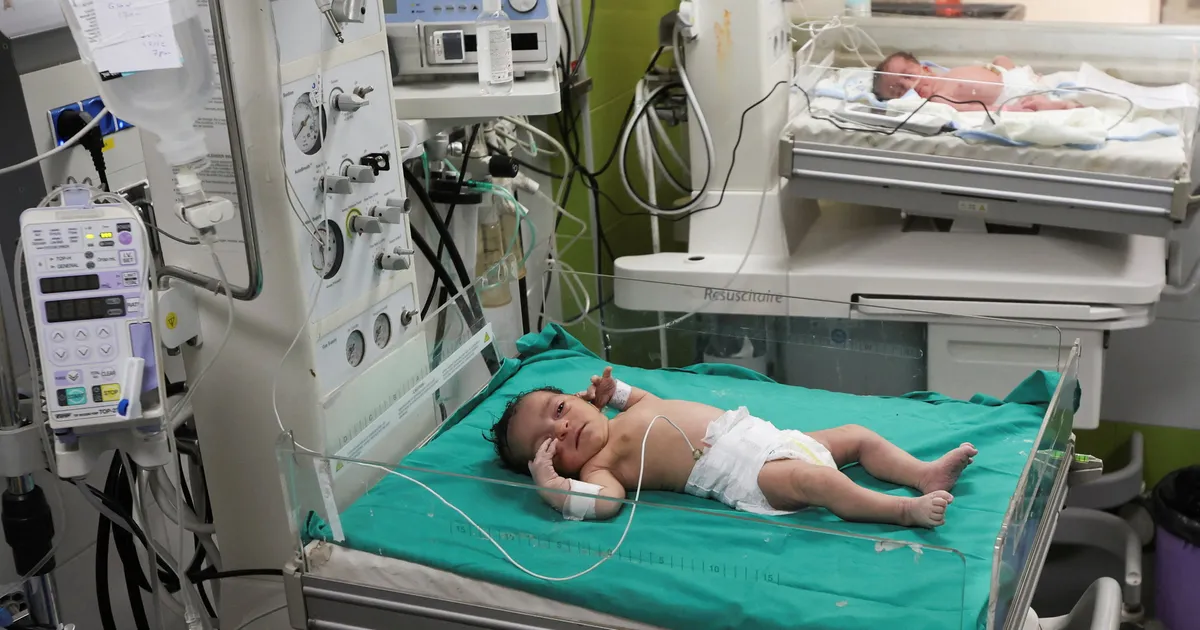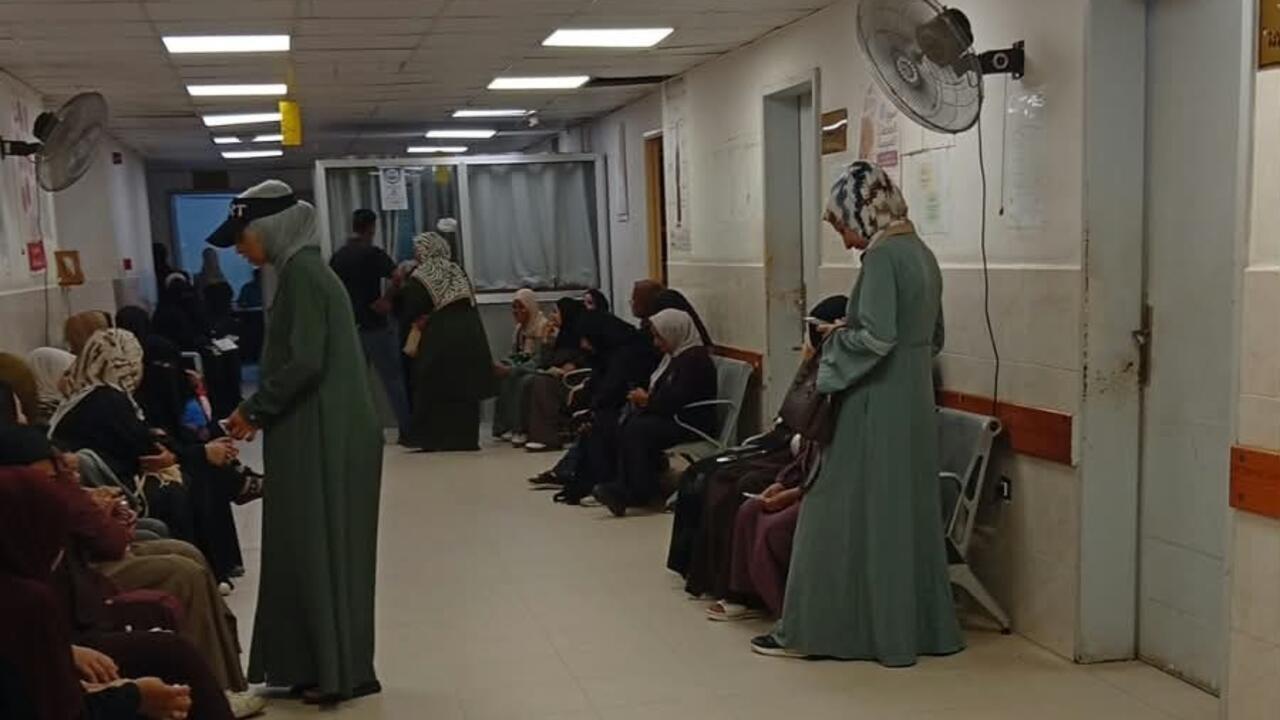
Living conditions in Gaza documented by the United Nations Office for the Coordination of Humanitarian Affairs (OCHA) are far from conducive to a safe and peaceful pregnancy. Forced displacement, overcrowded and unsanitary living conditions, acute food insecurity, limited access to safe drinking water and the constant threat of danger all place pregnant women in an extraordinarily precarious situation. We spoke with Dr Rewaa Nasser, a specialist in gynaecology and obstetrics at Al-Shifa Medical Complex, whose maternity ward relocated to Al-Helou International Hospital in northwestern Gaza. "Repeated displacement, living in overcrowded conditions, constant psychological stress, fear for one’s family and children: these are all factors that negatively affect a mother’s health during pregnancy. The difficulty in accessing regular medical care and follow-up examinations also leads to delays in the detection and treatment of certain complications. Overall, pregnancy in Gaza has become riskier and more complex than before, not because of any single factor, but due to the accumulation of health, psychological, and living conditions that affect both the mother and the foetus throughout the pregnancy." 'Under normal circumstances, many of these complications can be prevented'
Miscarriages triple, healthcare access worsens… the nightmare for pregnant women in Gaza
With over 3,950 cases recorded by the ministry of health in Gaza, the number of miscarriages between January and June has tripled compared with the previous six months. During this period, there was…
1,035 words~5 min read