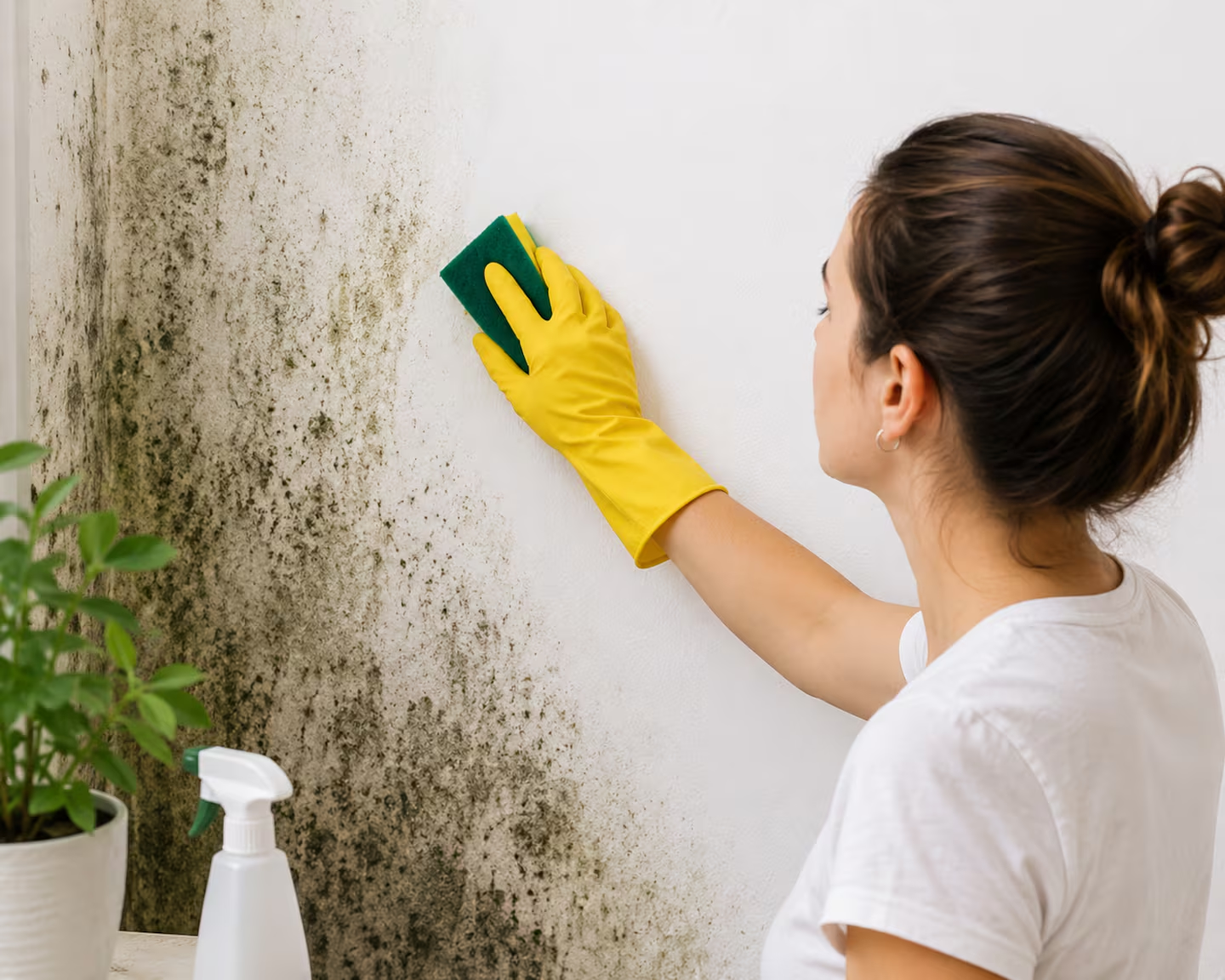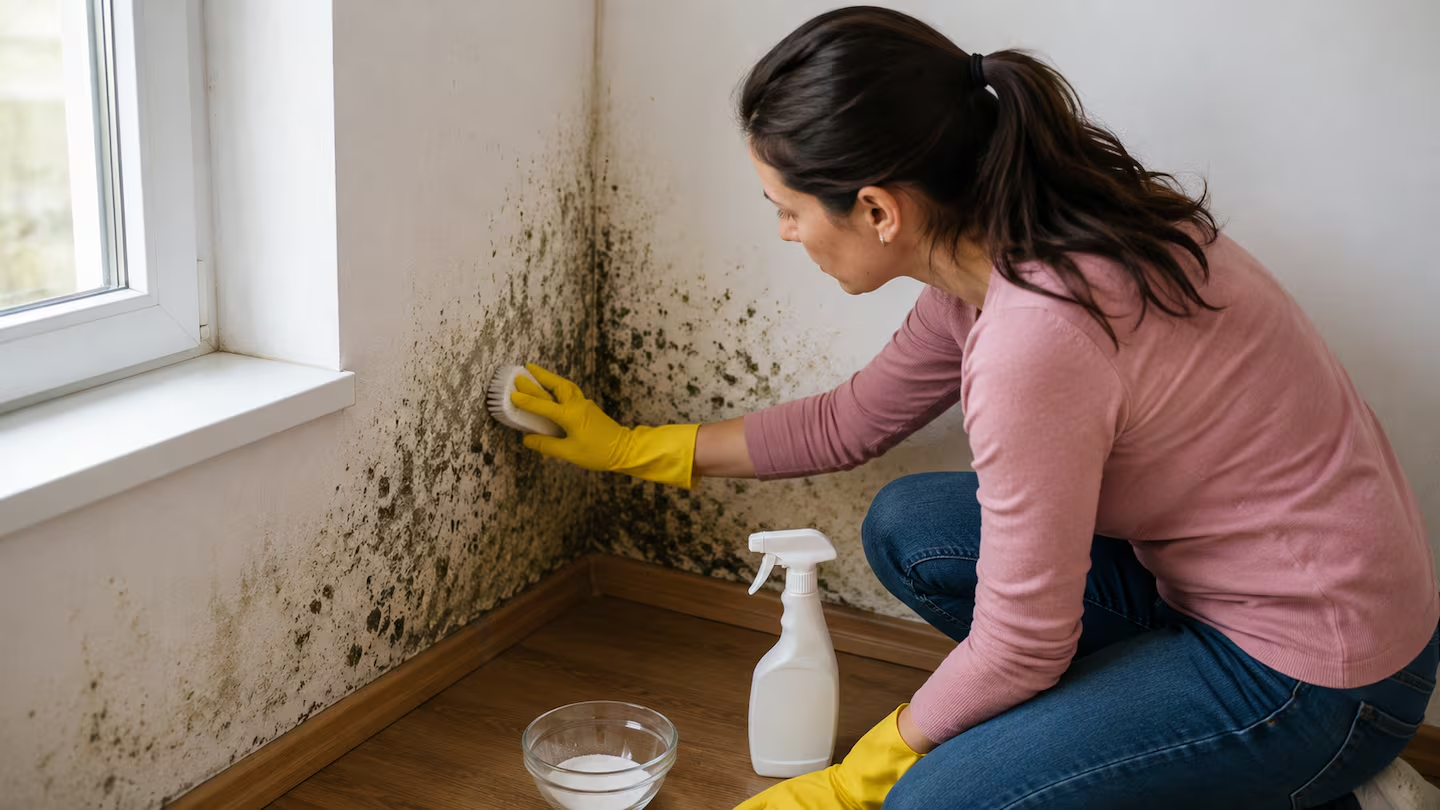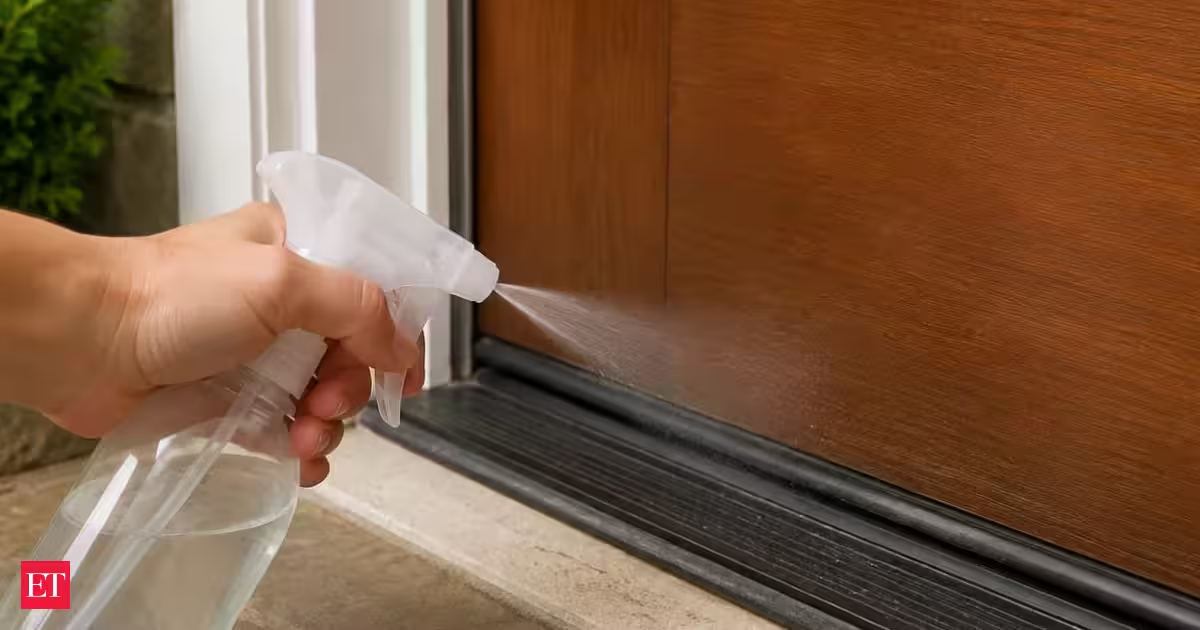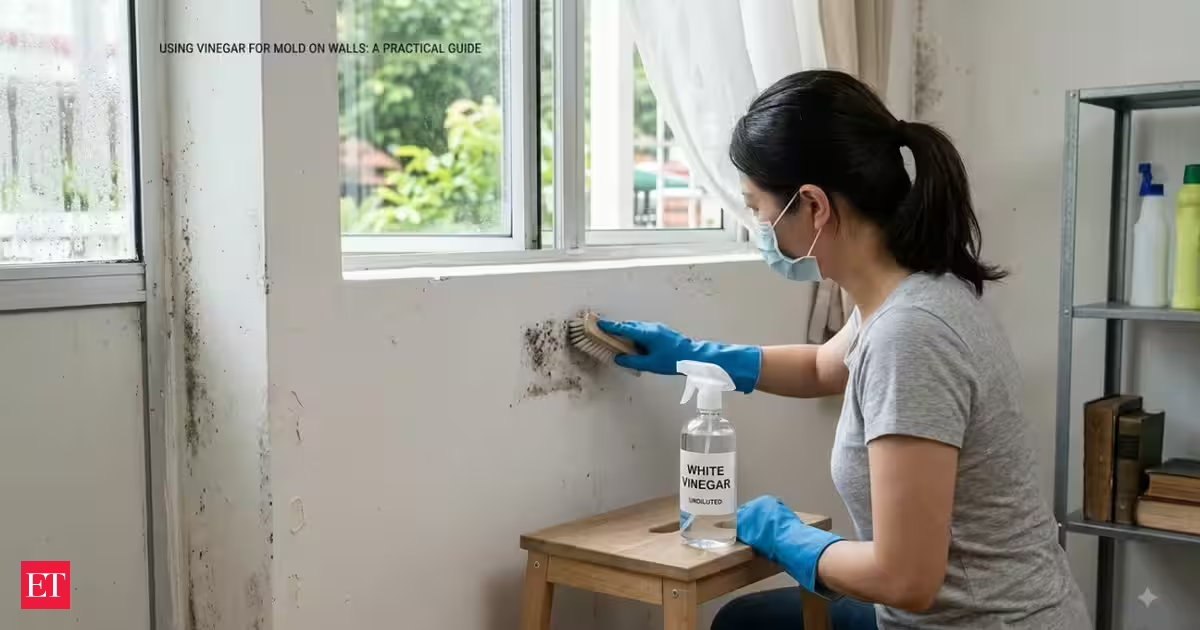
SynopsisWhite vinegar for mold removal hack: Mold thrives in damp conditions, but there's an effective solution: white vinegar. Its acetic acid content is a powerful ally against household mold. To treat small patches, spray undiluted vinegar and scrub after thirty minutes. Remember, the key to preventing mold from returning is to fix the moisture problem.How to remove mold from walls (Photo: AI/Gemini)White vinegar for mold removal hack: If you've noticed dark patches, a musty smell or paint starting to peel from your walls, moisture could be the reason. Damp walls can also create the perfect conditions for mold to appear.Before reaching for a commercial mold remover, some people turn to a familiar kitchen cupboard staple: white vinegar.For small areas affected by mold, undiluted white vinegar can help because it contains acetic acid, which can act against certain types of mold on household surfaces.Why vinegar can help with moldThe reason white vinegar is often suggested is fairly simple. Its acetic acid can help eliminate some types of mold, and the liquid can penetrate porous materials and act on part of the fungus growth, as per an El Cronista report.That does not mean it is suitable for every mold problem, though. If a large section of a wall is covered in mold or there is a structural moisture problem, professional intervention is needed.You Might Also Like:It is also worth remembering that removing the mold you can see does not remove whatever is making the wall damp. If the source of the moisture remains, the mold can come back.How to use vinegar on a moldy wallIf the affected area is small, the process is relatively straightforward.Before cleaning, put on gloves, a mask and eye protection. Mold spores can become airborne while the surface is being disturbed.Then open the doors and windows to ventilate the room and spray undiluted white vinegar directly onto the affected area.You Might Also Like:Leave it for 30 to 60 minutes before scrubbing the wall with a stiff-bristled brush. Once you've finished scrubbing, wipe away the residue with a clean, damp cloth.The final step is important: let the wall dry completely.Any materials used during the cleaning should either be thrown away or washed properly once the job is done.Why does mold keep coming backIf you clean a wall only to find mold appearing again later, there may be an ongoing source of moisture behind the problem.You Might Also Like:Water can get into a home through outside leaks or hidden pipes. Rising damp from foundations can also cause problems. Inside the home, condensation from showers, cooking or heating can contribute, especially when rooms are poorly ventilated.That is why cleaning the visible mold is only part of the job. The moisture problem needs to be addressed as well.How to prevent damp and moldKeeping indoor humidity under control can help reduce the chances of mold returning.Ventilating the home every day is one of the recommended steps. Air extractors can also be used in kitchens and bathrooms, while leaks should be repaired as soon as possible.Damp surfaces should be dried quickly, and a dehumidifier can be useful when indoor humidity is high.Once a wall is completely dry, anti-mold paint can also be used.Keeping relative humidity between 30% and 50% significantly reduces the risk of fungus growth.Read More News on(Catch all the US News, UK News, Canada News, International Breaking News Events, and Latest News Updates on The Economic Times.) Download The Economic Times News App to get Daily International News Updates....moreless
What happens when you spray vinegar on your walls? Here's why people recommend it
White vinegar for mold removal hack: Discover how spraying white vinegar on your walls can combat mold effectively. Learn the method, preventive measures, and why addressing moisture is crucial to prevent recurring mold problems.
577 words~3 min read