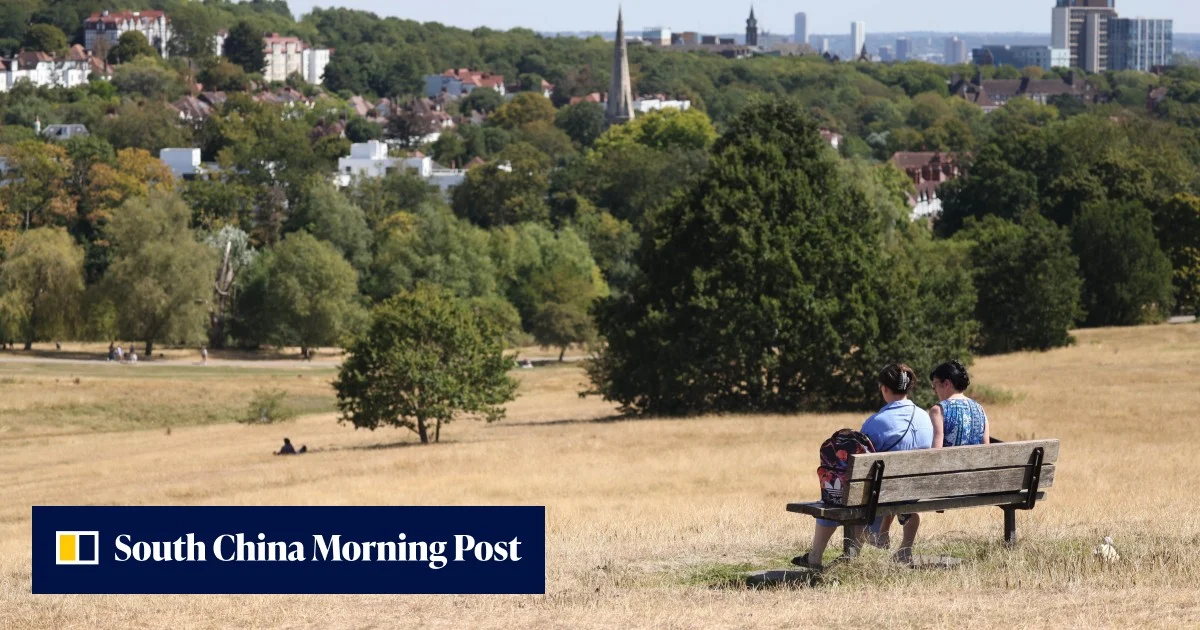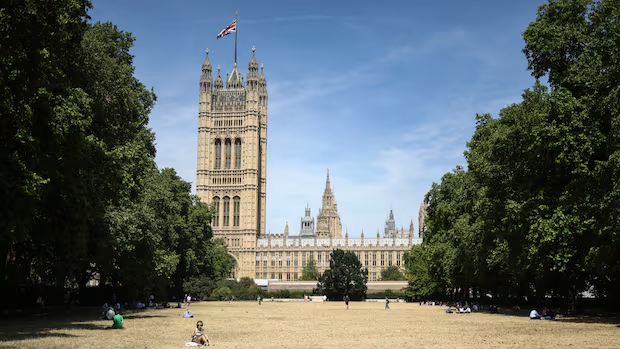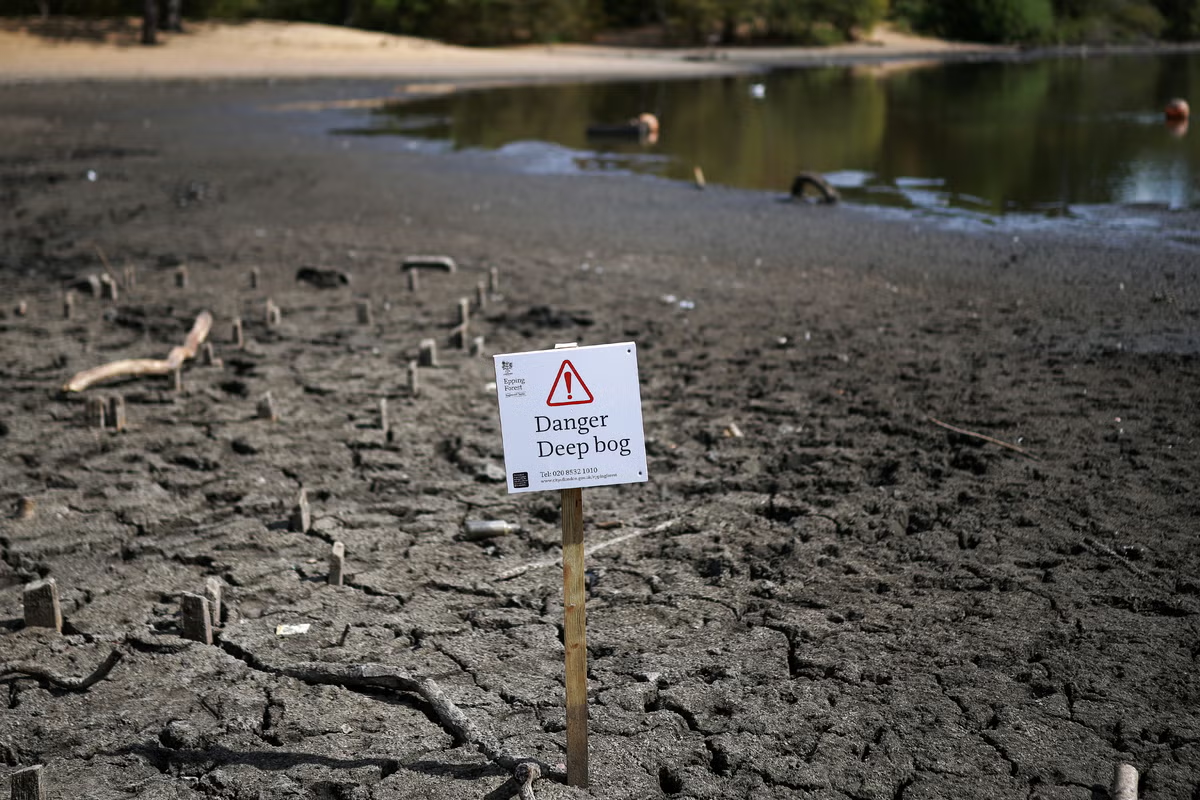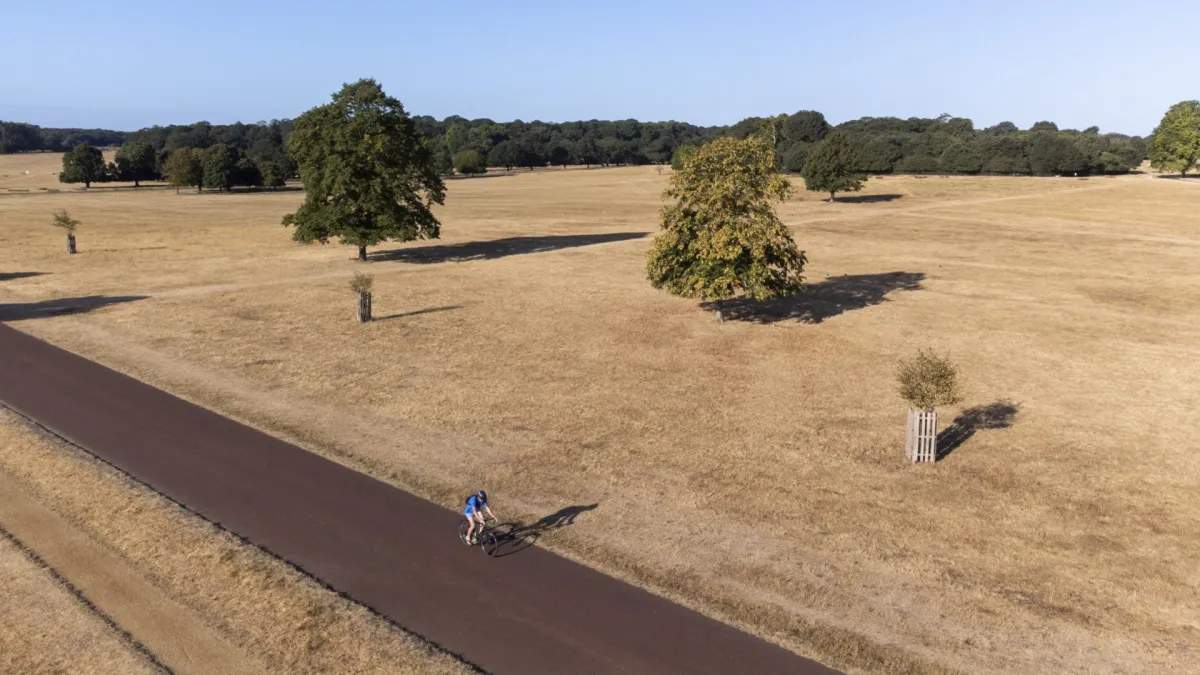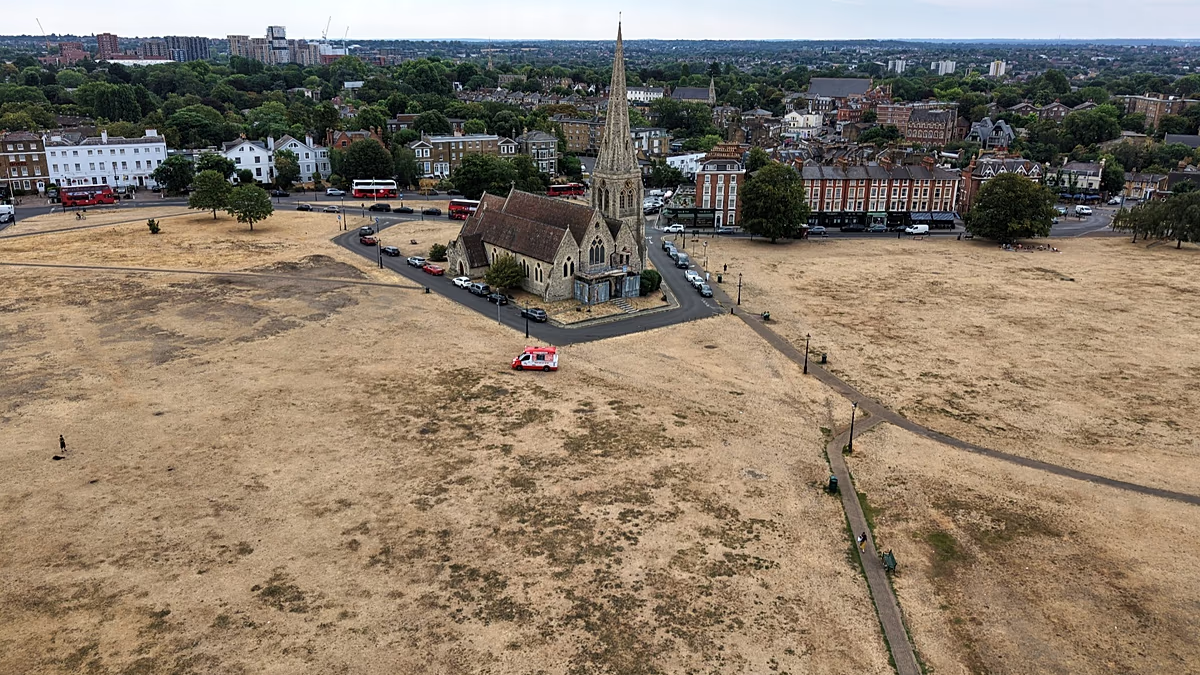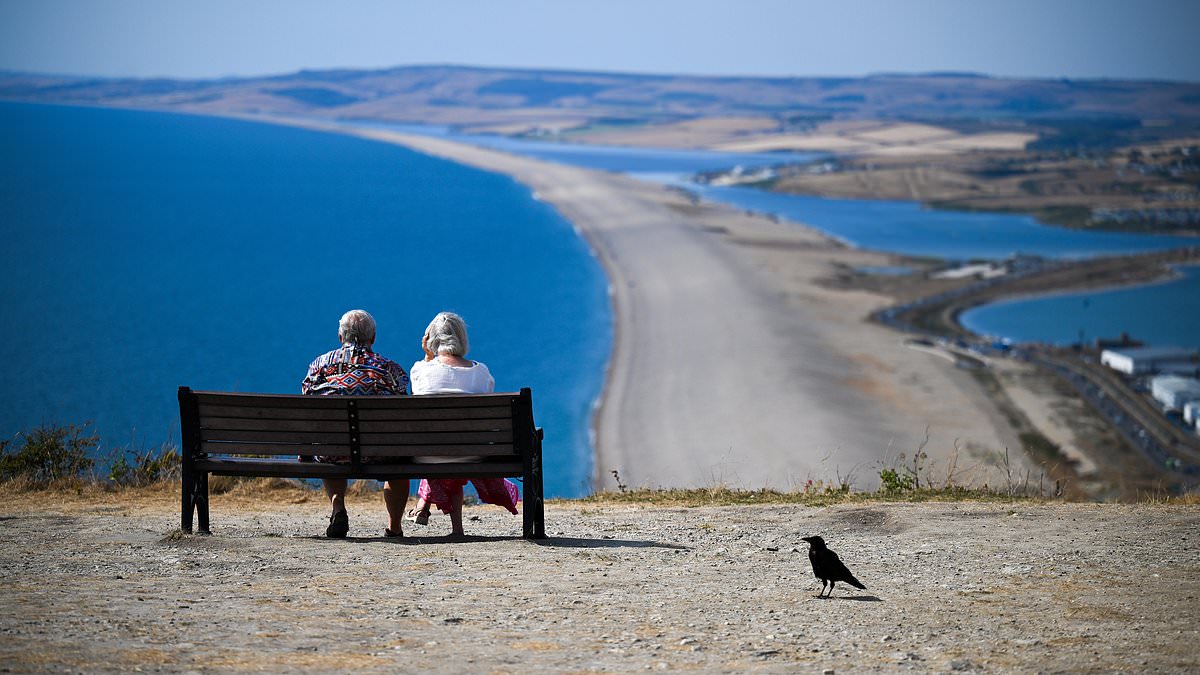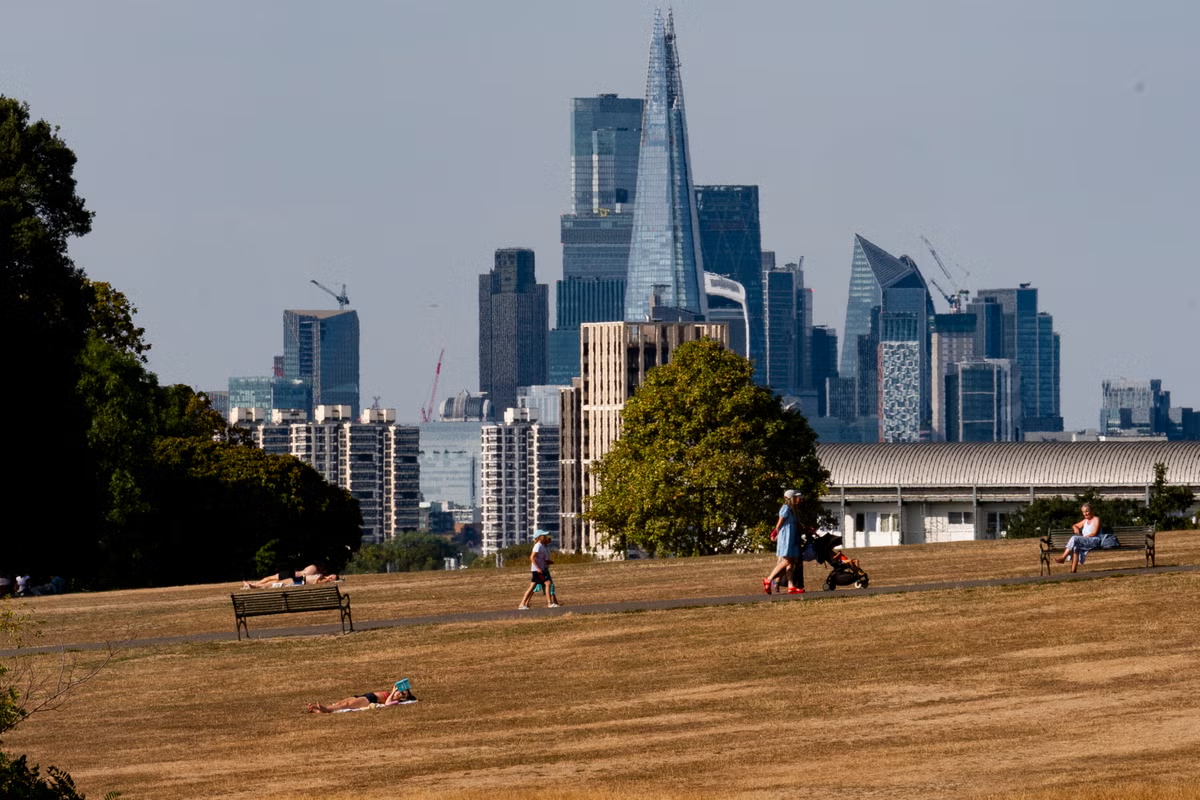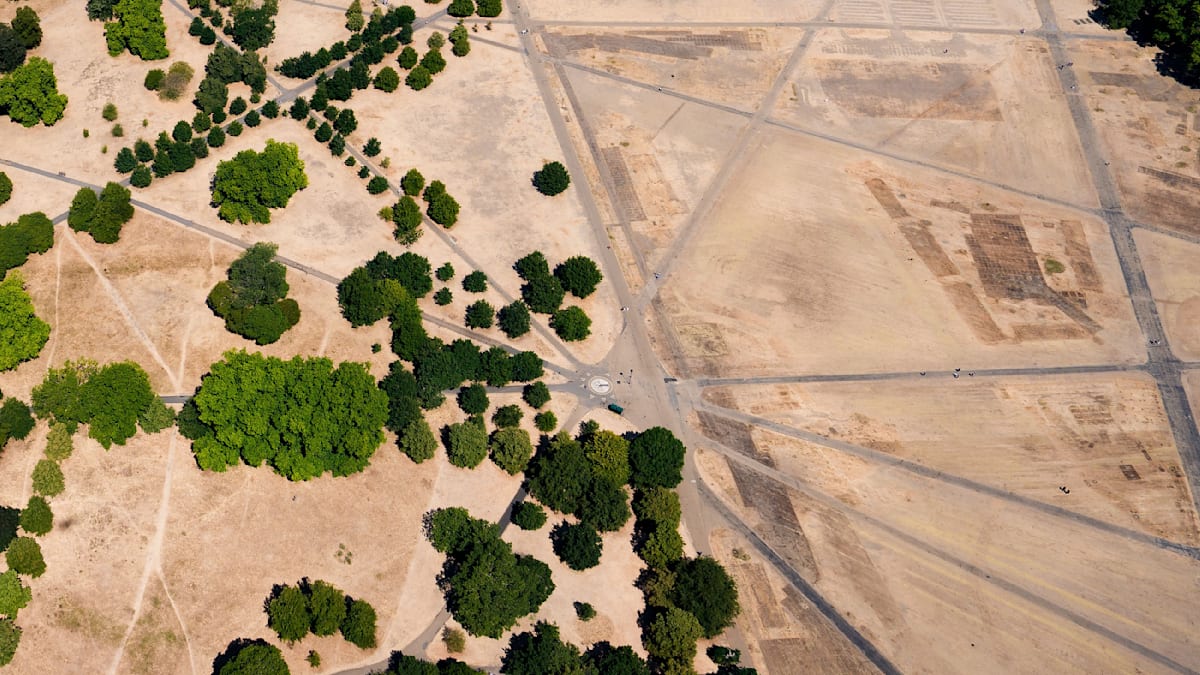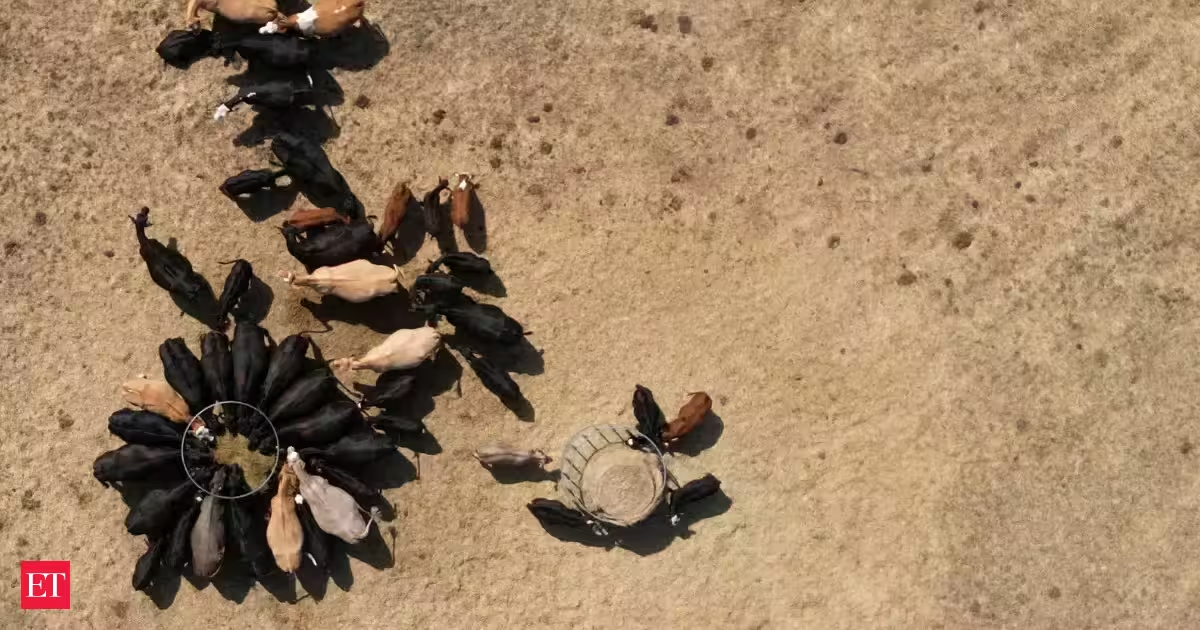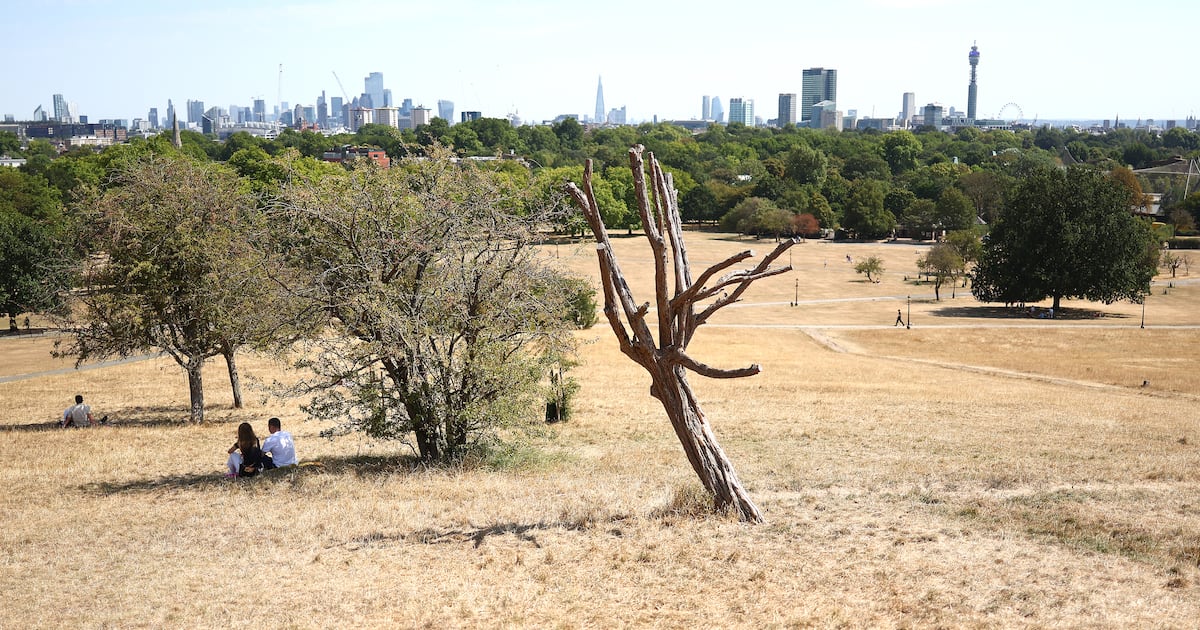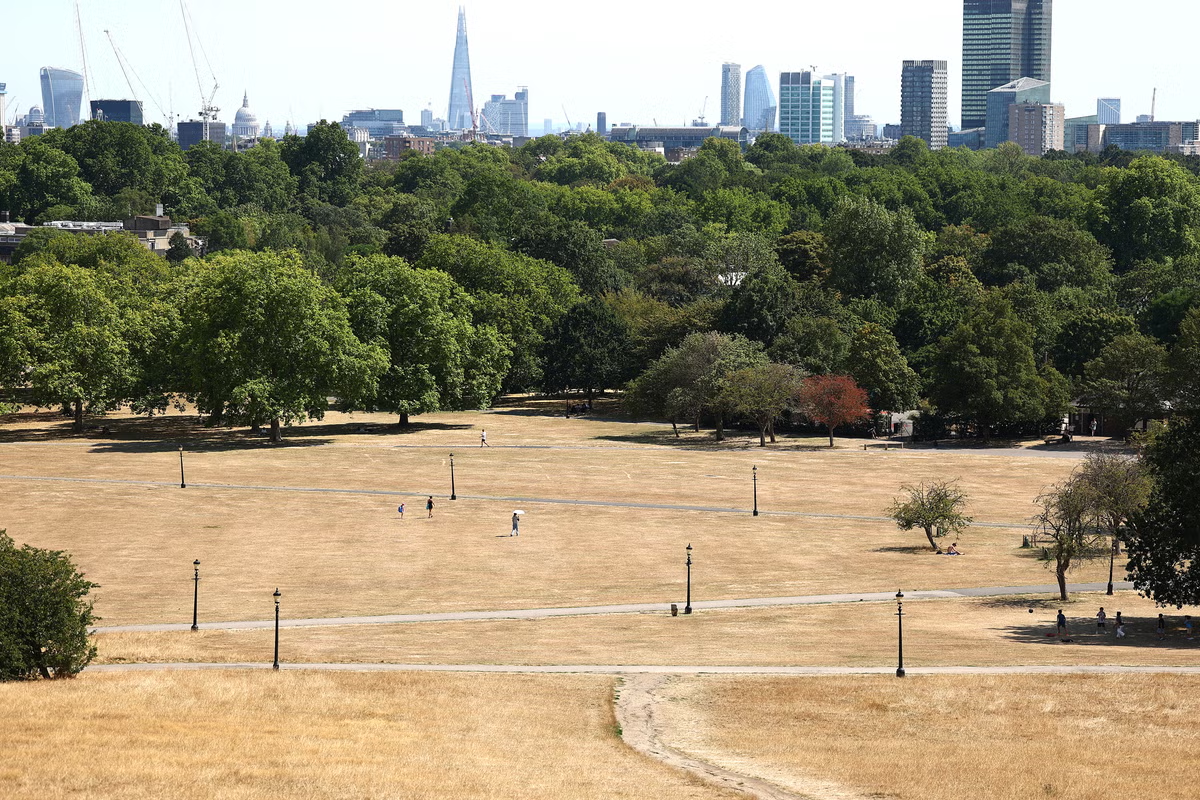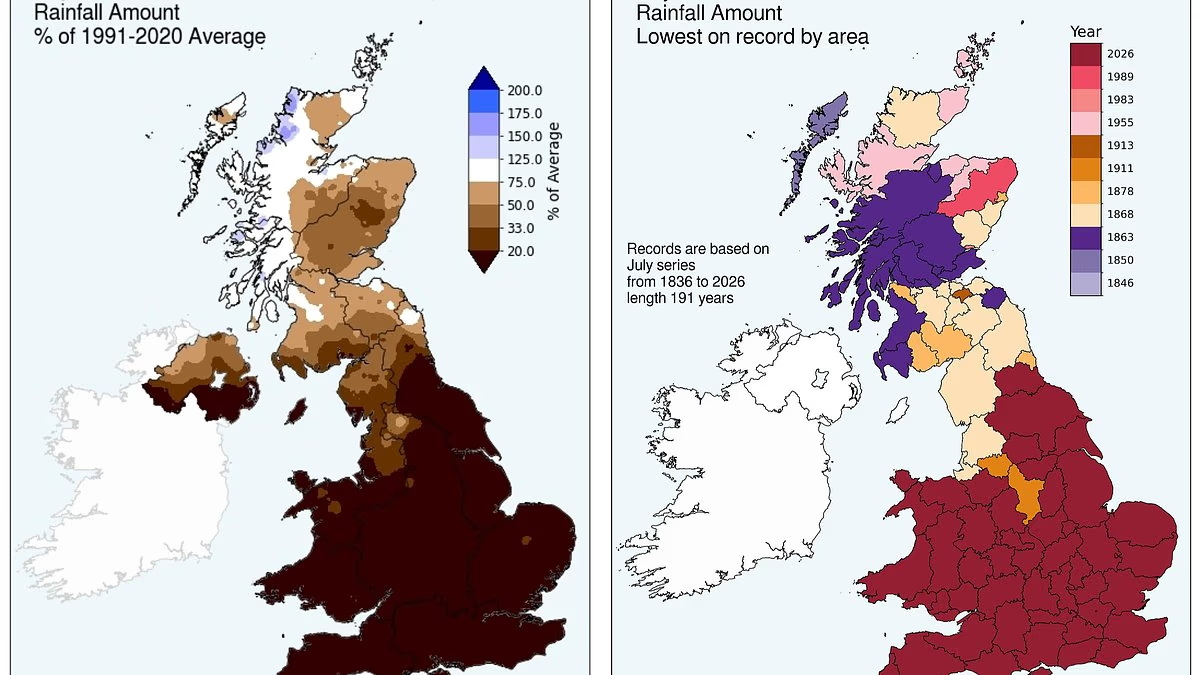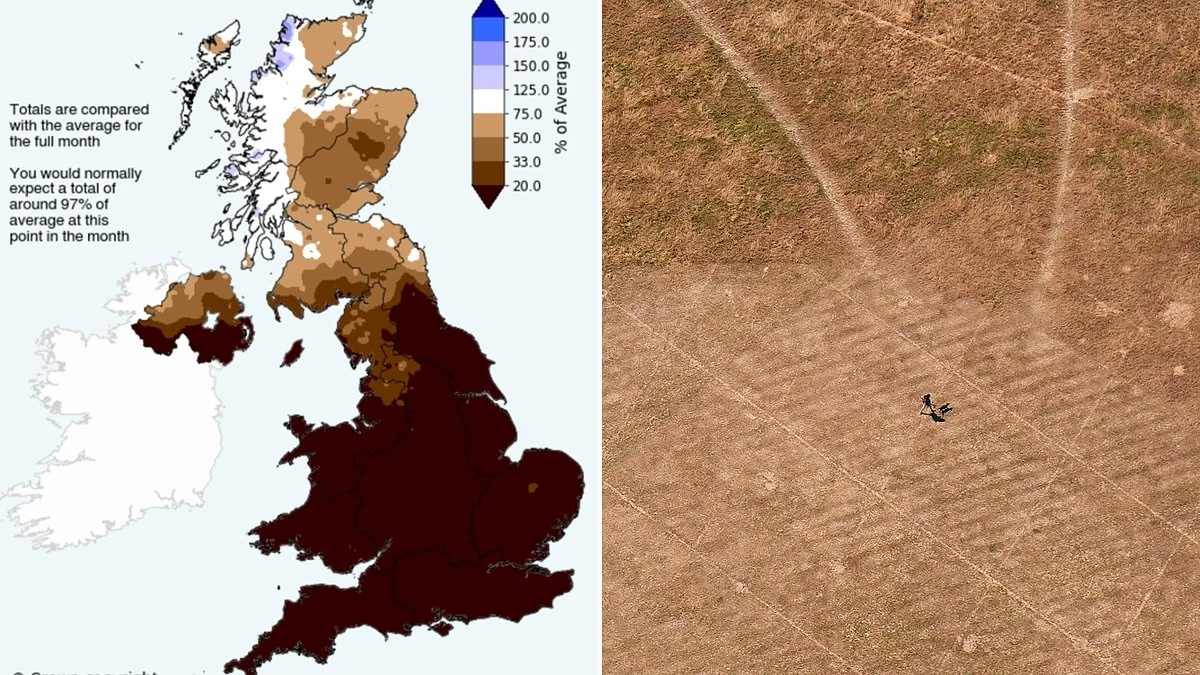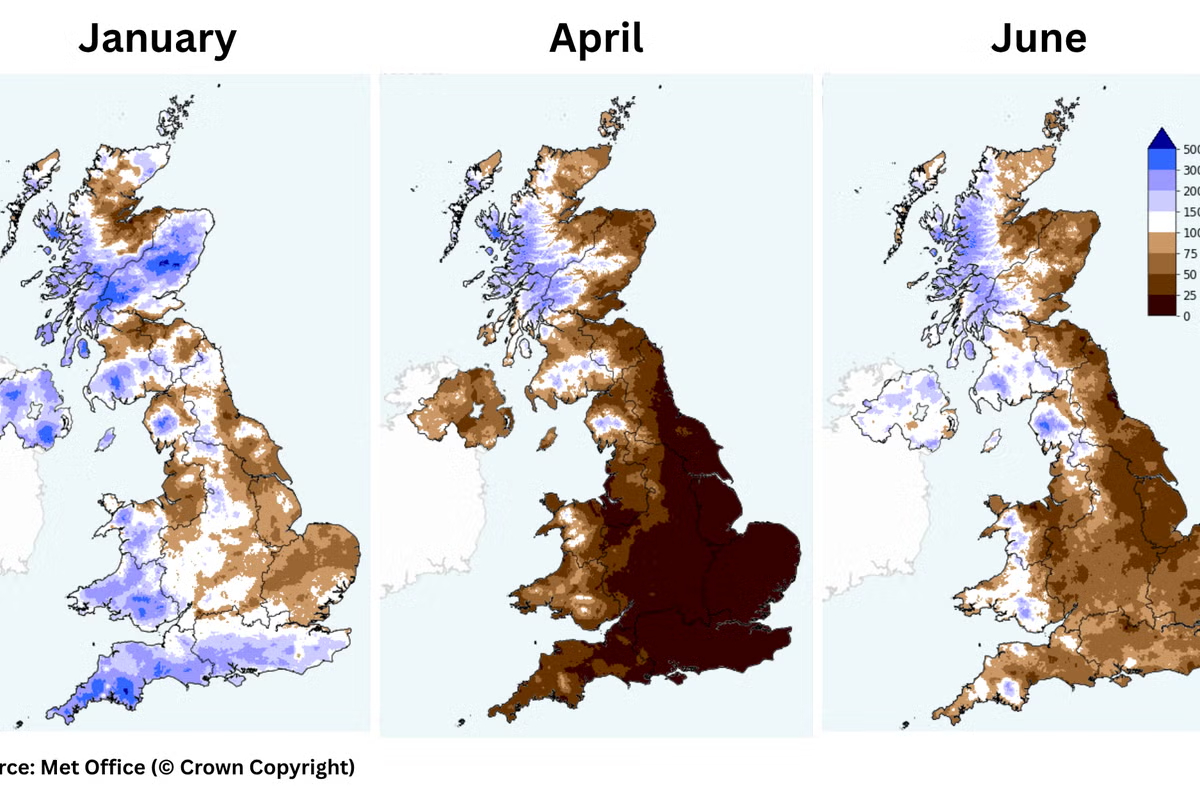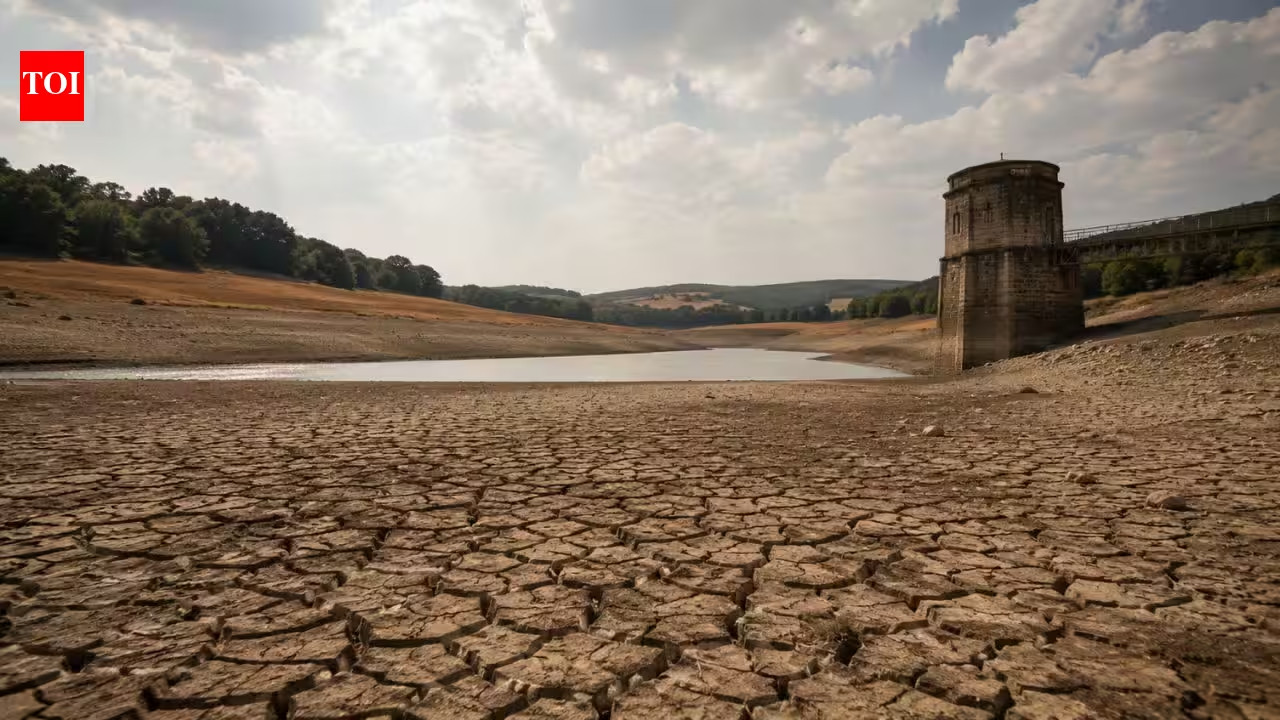
Image AI generatedJuly has left an unusual mark on England’s weather record. Rain almost disappeared from parts of the country while temperatures stayed well above normal and sunshine accumulated day after day. By the end of the month, England had recorded only 6.5mm of rain, just 10 per cent of its usual July rainfall and less than half the previous record set in 1911. Southern England went further still, with 1.9mm for the entire month. The result was not simply a dry summer spell, but a month that now sits among the most extreme in England’s long climate record, as pressure on rivers, reservoirs, farmland and wildlife continued to build.How England recorded its driest July in 190 years with just 6.5mm of rainfallAs per the Met Office’s provisional figures, July 2026 was put at the bottom of England’s rainfall rankings for the month, in a record beginning in 1836. Only 6.5mm of rain was recorded across England, equivalent to about a tenth of the long-term July average. The previous record, set in 1911, stood at 13.4mm. That makes July more than just England’s driest July. It was also the third driest month recorded for England, with only February 1891 and June 1925 having lower totals. The wider UK picture was also unusually dry: 28.9mm of rain fell nationally, making it the third driest July on record and the driest July for the UK since 1868.The contrast within England was especially stark in the south. The Met Office specifically says Southern England had 1.9mm, just 3% of its long-term average, making it its driest month ever recorded. Nineteen counties ended the month with no more than 1mm of rain. The list included Berkshire, Dorset, Kent, Surrey, Essex and West Sussex, among others.As reported by the Environment Agency, the final figures followed an already alarming picture earlier in the month. On 24 to 30 July, reported that much of England had received less than 1mm of rain during the week, while the monthly total was still only 7 per cent of the long-term average. At that point, the month was already on course to become the driest July since records began.Why England’s record sunshine and high temperatures increased water demandThe lack of rainfall did not happen alongside cool weather. July remained unusually warm, with the UK’s mean temperature reaching 17.4°C, around 2°C above the 1991–2020 July average. England recorded its second warmest July by mean temperature, while Southern England had its warmest July on record. Wales recorded its joint warmest July.Sunshine was also exceptional. The UK recorded its sunniest July on record in a series dating back to 1910, while England and Wales each experienced their sunniest July on record. For both England and Wales, July was also the sunniest calendar month ever observed.That combination matters because warm weather increases demand for water at the same time as rainfall fails to replenish supplies. Reservoir storage across England had fallen to 72% for the week ending 28 July, about 9.5 percentage points below the long-term average for that time of year. Almost half of the reservoirs monitored were classed as below normal, with several already considered notably or exceptionally low. River conditions were moving in the same direction. Flows had fallen at two-thirds of monitored sites, while many rivers were classed as below normal or lower for the time of year. Groundwater levels were also declining, particularly in parts of the Cotswolds, Wessex and the chalk landscapes of southern England.Why water companies introduced restrictions across drought-hit areasBy late July, the dry weather had moved beyond being a weather statistic. On 29 July, the Environment Agency placed more than half of England into drought, including London. Several other areas were classified as experiencing prolonged dry weather, reflecting the continuing pressure on water resources after a series of heatwaves and the exceptionally dry July. Water companies responded with restrictions. Temporary use bans were in force across areas served by companies including Anglian Water, Cambridge Water, Southern Water, South East Water, South West Water and Thames Water. Thames Water had moved into drought level 2 across all its water resource zones, while Essex and Suffolk Water also moved to drought level 2 as reservoir storage and river flows continued to fall.The effects are not confined to household water use. Lower river levels have led to restrictions on abstraction, with 1,395 hands-off-flow restrictions reported as being in force to protect water supplies and the environment. Canal navigation has also been affected, with local restrictions and closures becoming more common where water levels have fallen too far. The Environment Agency warned that even a shift towards cooler and more unsettled weather would not immediately resolve the problem. Rainfall expected in the following days was still forecast to be relatively limited, meaning the underlying water resources position could remain strained.Why dry conditions forced farmers to use winter forage reserves earlyFor agriculture, the timing of the dry weather has created a difficult set of conditions. Some farmers were bringing harvests forward, with poorer yields expected for some cereal crops because of the combination of dryness and high temperatures. Dry fields have also increased the risk of fires during harvesting.The effects have reached livestock farming. Grass growth has suffered, prompting some farmers to use winter forage reserves earlier than usual. That raises concerns about how much feed will remain later in the year, particularly if dry conditions continue. The UK salad season has also ended earlier than normal, leaving the sector more dependent on imports.Waterways are showing signs of the strain too. As per the Environment Agency, it had recorded 95 confirmed drought and dry-weather incidents since the beginning of 2026 by the end of July. These included low-flow and abstraction incidents, algae outbreaks and cases involving dead fish. Poor water quality linked to low flows had been identified in several areas, while fish rescues were continuing in parts of Shropshire and Dorset. July therefore ended with two very different versions of the British summer existing at once. The skies were unusually clear, sunshine records were being broken, and temperatures remained high. On the ground, reservoirs were losing water, rivers were running low, and restrictions were spreading.The absence of rain became the defining feature of the month. The Met Office’s final figures show just how unusual July 2026 was: England recorded its driest July in a record stretching back 190 years, while Southern England experienced its driest month ever recorded. The concern now is less about whether July was exceptional and more about how long the water stress created by it will persist.
England recorded driest July in 190 years with just 6.5mm of rain as drought and water stress deepen
July has left an unusual mark on England’s weather record. Rain almost disappeared from parts of the country while temperatures stayed well above normal and sunshine accumulated day after day.
1,092 words~5 min read