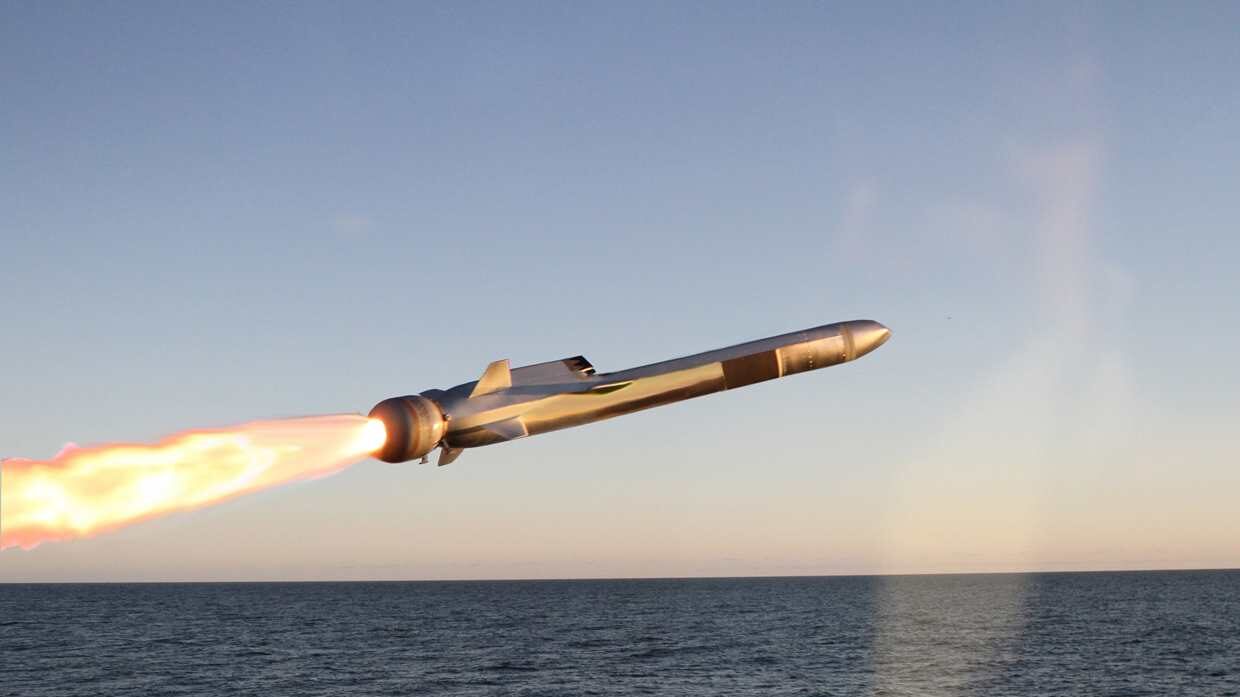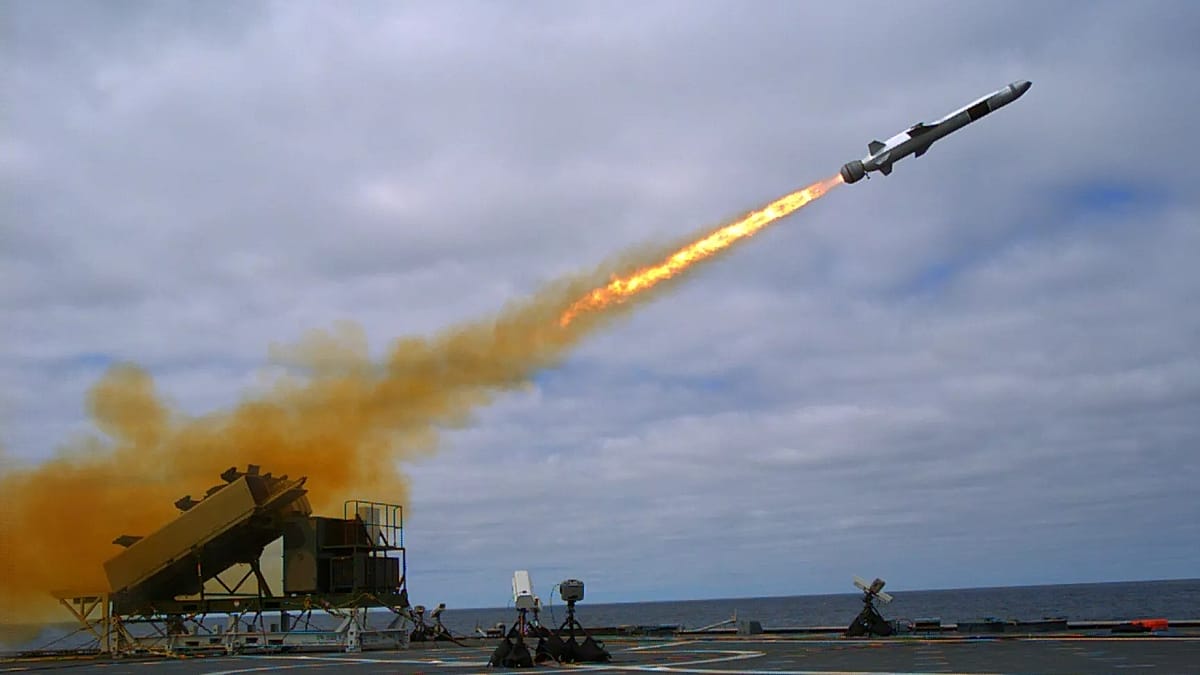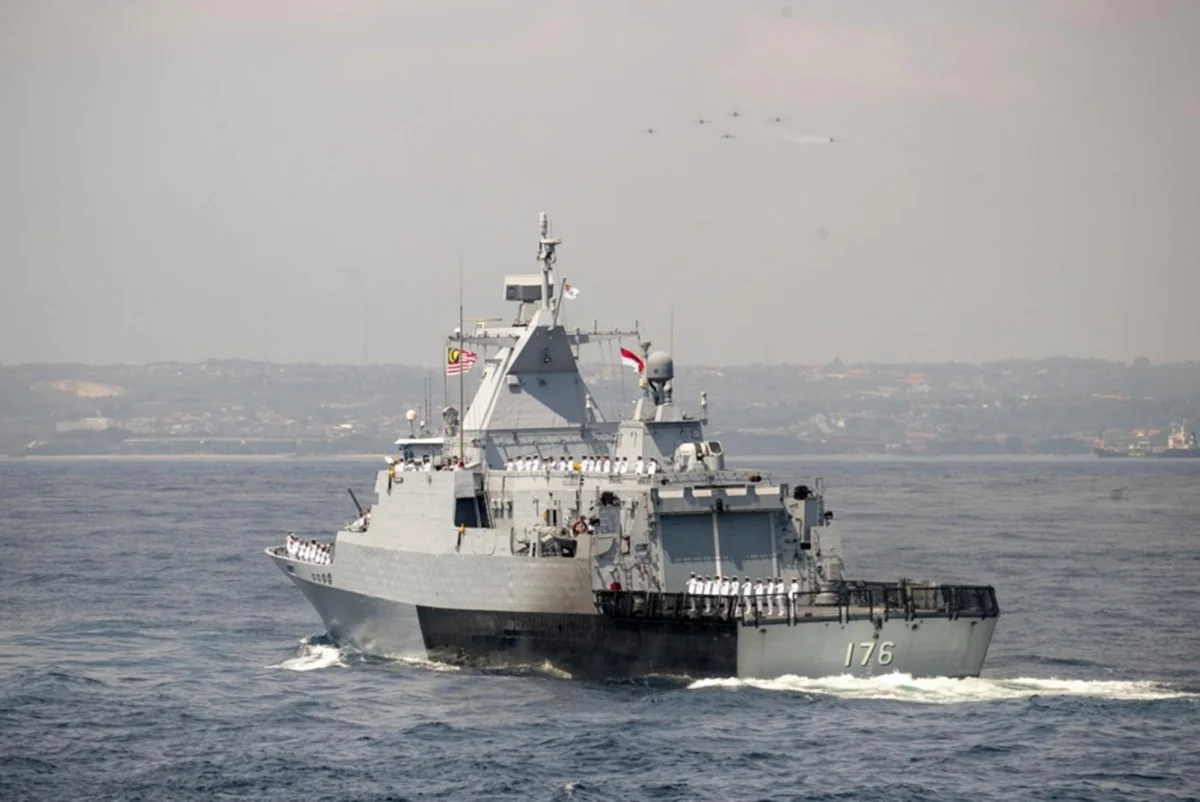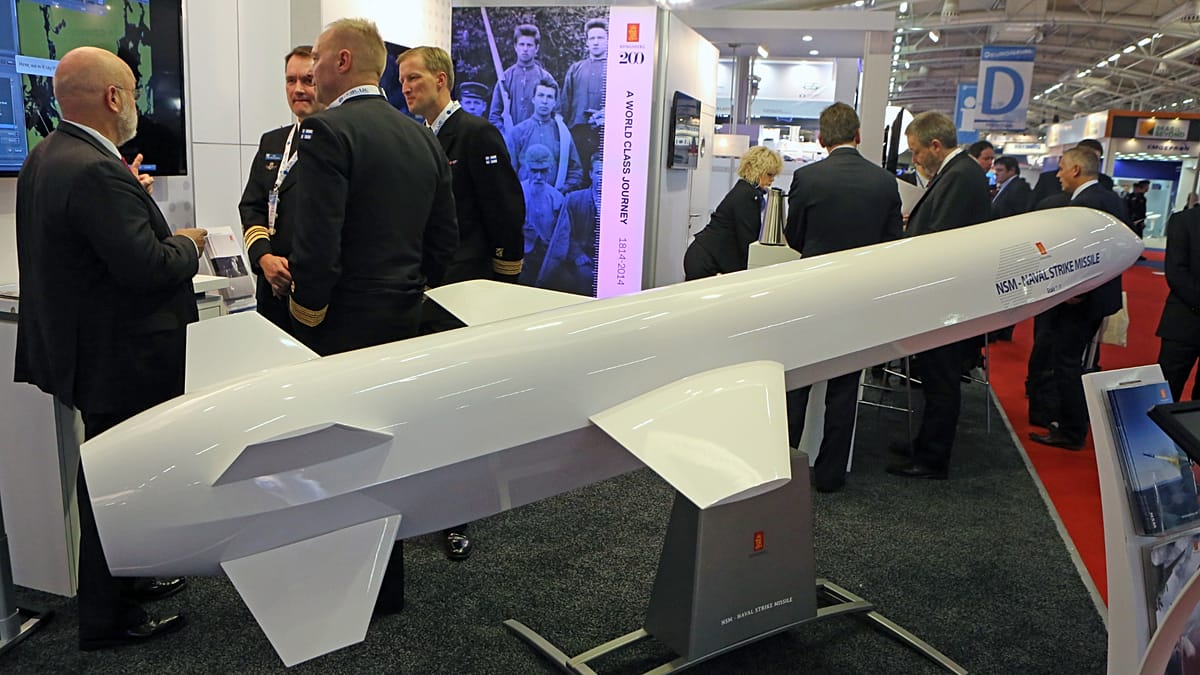
Norway’s May 2026 decision to revoke export licences for its Kongsberg Naval Strike Missile (NSM) system intended for Malaysia’s Littoral Combat Ship (LCS) program suggests that Malaysia’s hedging strategy is becoming increasingly difficult in an era of hardened geopolitical blocs. Even if Malaysia views itself as neutral and non-aligned, defence exporters may increasingly evaluate partners based on strategic trust, technology-security concerns, alliance proximity and perceived geopolitical alignment.
The export ban prompted significant protests from the Malaysian government because they had already paid 95 per cent of the US$154.7 million deal. Norway justified the decision by stating that sensitive defence technologies would henceforth be restricted only to ‘allies and [its] closest partners’. This sudden shift raises concerns about the reliability of some Western suppliers as long-term defence partners, particularly as Malaysia undertakes a major modernisation of its aging naval capabilities. The cancellation underscores the urgent need for Malaysia to find stable, reliable and predictable alternatives to its Western defence suppliers.
Malaysia viewed Norway’s decision not merely as a procurement dispute but as one of strategic trust. Prime Minister Anwar Ibrahim argued that it undermined confidence in European defence suppliers as reliable partners. Defence Minister Khaled Nordin echoed this concern at the 23rd Shangri-La Dialogue.