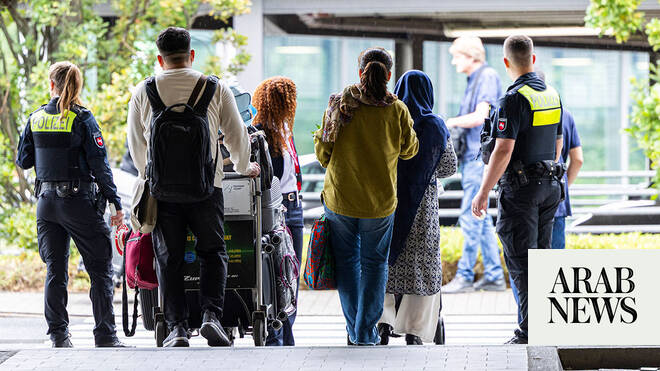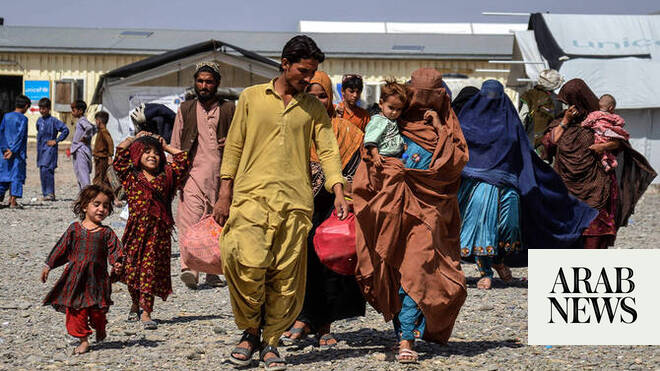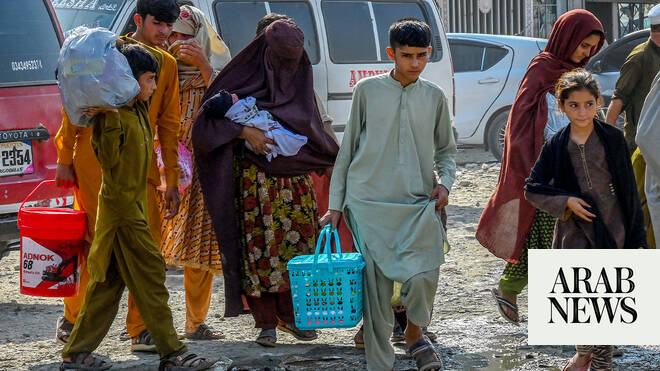
It is hard to know which promise from German politicians the "local staff" — Afghans who assisted German efforts in the country — relied on most. Perhaps that from then-Foreign Minister Heiko Maas, who on August 26, 2021, 11 days after the Taliban took power, said: "Our work continues until all those for whom we carry responsibility in Afghanistan are safe."
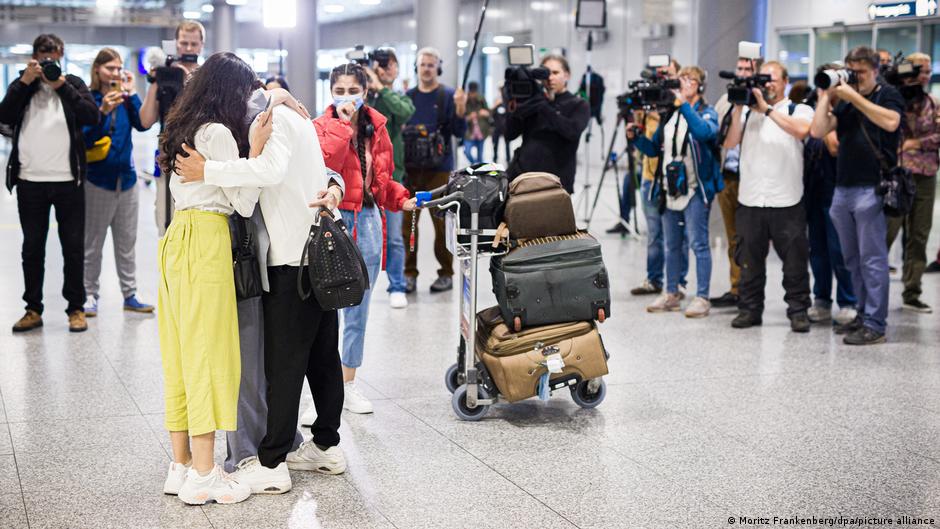
By June this year, more than 37,000 Afghan nationals had arrived in Germany since the Taliban retook power. These are people who worked alongside Germany's Bundeswehr armed forces or German aid programs, plus their relatives. It also includes people who are especially at risk, such as activists and journalists who advocated for human rights and against the Taliban.
For Ahmad Samid, who worked for the Bundeswehr as an audio engineer, Germany kept its promise. For Javad Niazi, who worked for the Ministry for Economic Cooperation and Development (BMZ), it did not. He remains stuck in the city of Peshawar in Pakistan. Both are using false names because they still fear the Taliban and possible repercussions for themselves and their families.
Hundreds of Afghans still waiting
Samid works as a receptionist at a hotel in a large German city and told DW in very good German: "I am very grateful to Germany. But if someone says, 'I will help you,' then it must remain that way. One must keep a promise."