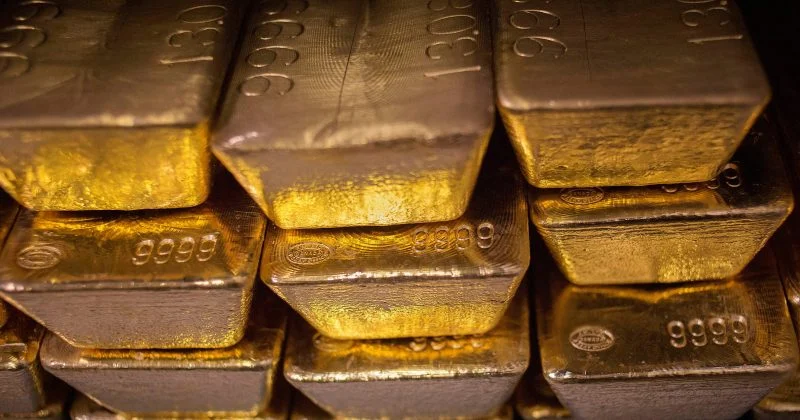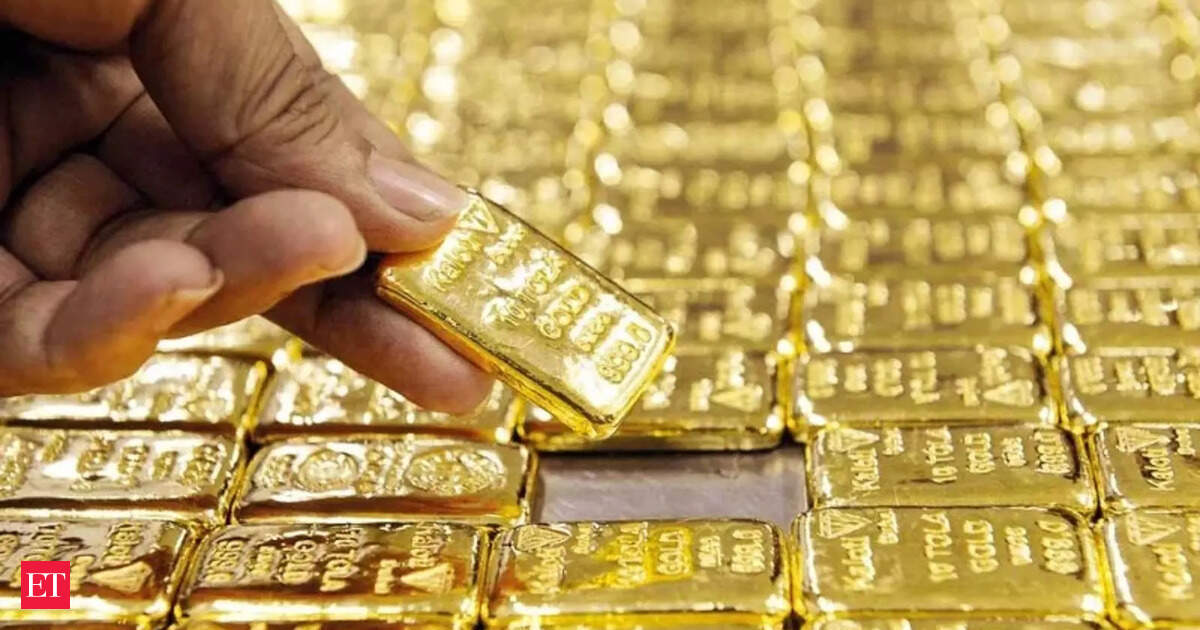
Since 2012, India has adjusted its gold import duty on eight occasions. Each modification was presented as a justified decision at the time. This pattern is the real story in the recent headlines concerning record gold prices and the introduction of a new 15 per cent duty.
The focus is not merely the high cost of gold, which is widely recognised, but rather on India’s fluctuating policy regarding this culturally significant import. The policy has oscillated between rates of 2 per cent, 10 per cent, 6 per cent, and 15 per cent, with each adjustment announced with confidence and subsequently reversed within a few years.
A playbook India keeps rewriting
The configuration of the duty line reveals a discernible pattern. In 2013, three rate hikes occurred within eight months, coinciding with a record current account deficit of 4.8 per cent of GDP and a significant depreciation of the rupee. Similarly, the rate hike in May 2026, the most substantial single increase since that crisis, occurred under comparable conditions: a depreciating rupee and an expanding trade deficit. This time attributed to an oil shock in West Asia rather than domestic credit expansion. Nobel laureate Douglass North emphasised the importance of institutions in determining economic success or failure, as they establish the transaction costs of conducting business and the reliability of rules. For stakeholders such as jewellers, bullion importers, or households purchasing gold for weddings, planning is hindered by a duty rate that has fluctuated between 2 per cent, 6 per cent, 8 per cent, 10 per cent, 12.5 per cent, 10.75 per cent, 15 per cent, 6 per cent, and 15 per cent over 14 years. This volatility acts as a tax, not paid to the government but to the uncertainty it creates. The reduction to 6 per cent in 2024 exemplifies this issue. It was presented as a measure to support the jewellery export industry and curb smuggling. However, it also precipitated a 24 per cent surge in imports, resulting in a record expenditure of $ 71.98 billion in 2025-26, precisely what the May hike aimed to alleviate. India did not face a novel problem this year; rather, it revisited a previously resolved issue that had been inadvertently reintroduced. The pattern is also evident in the black market. Official data presented in Parliament this July indicated that gold seizures by customs nearly doubled in the six weeks following the May increase. Industry estimates now suggest that illegal gold flows could exceed 100 tonnes this year, reversing the significant decline observed after the 2024 reduction. Each instance of India increasing the duty on legal gold enhances the incentive for smuggling.Buying for less, spending more