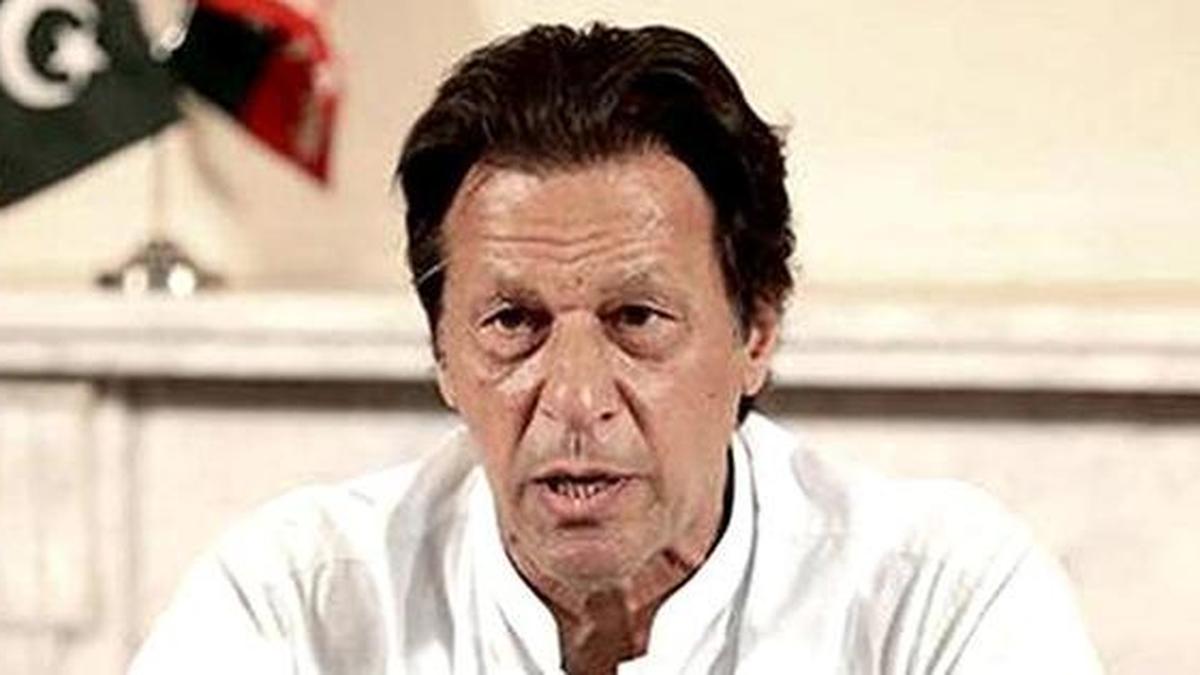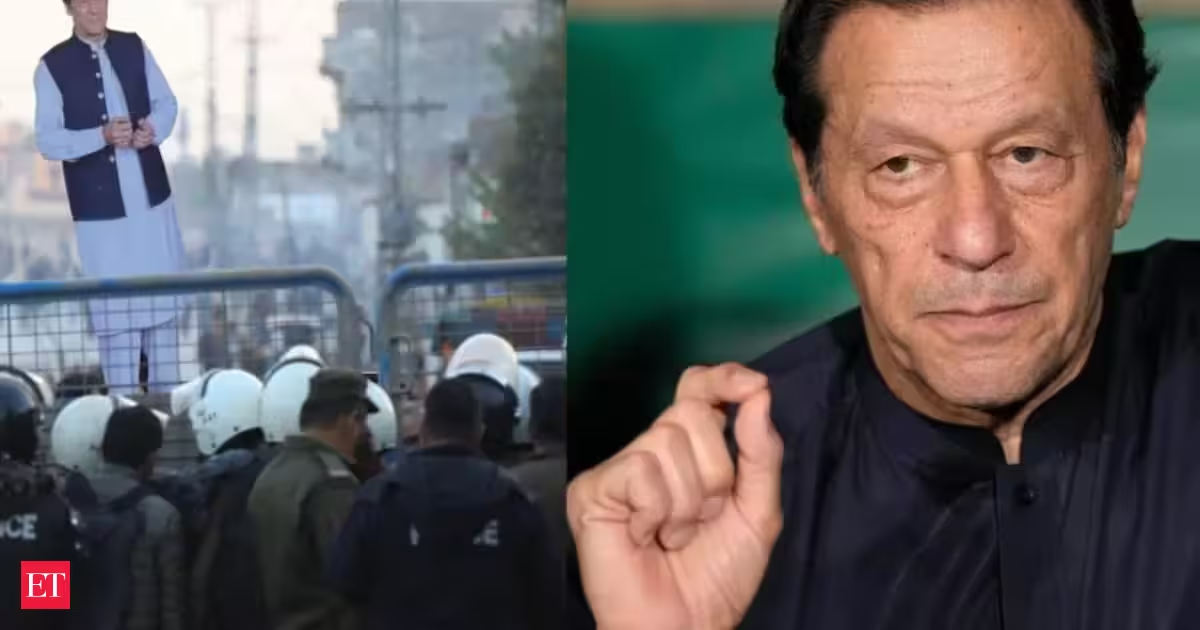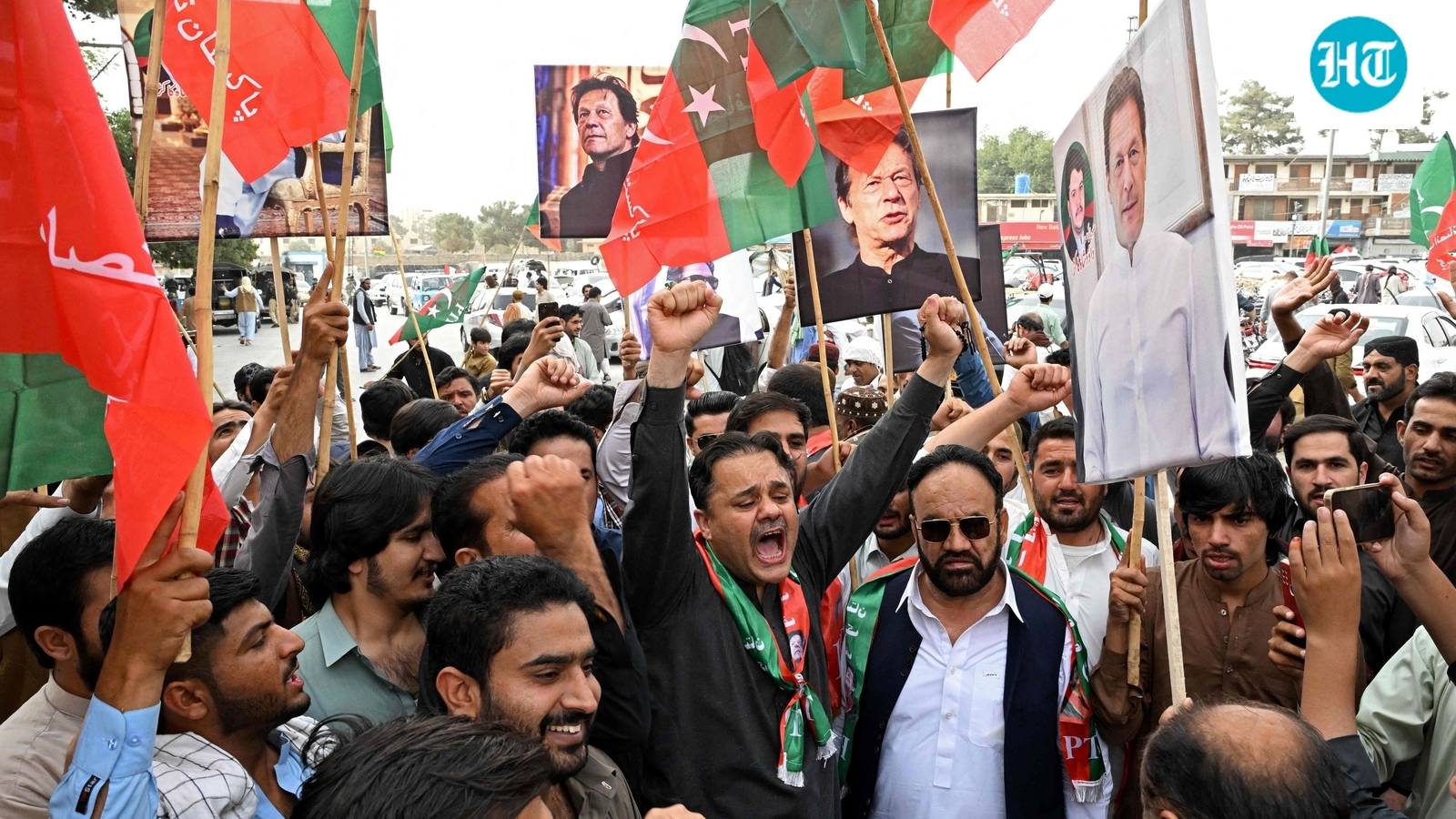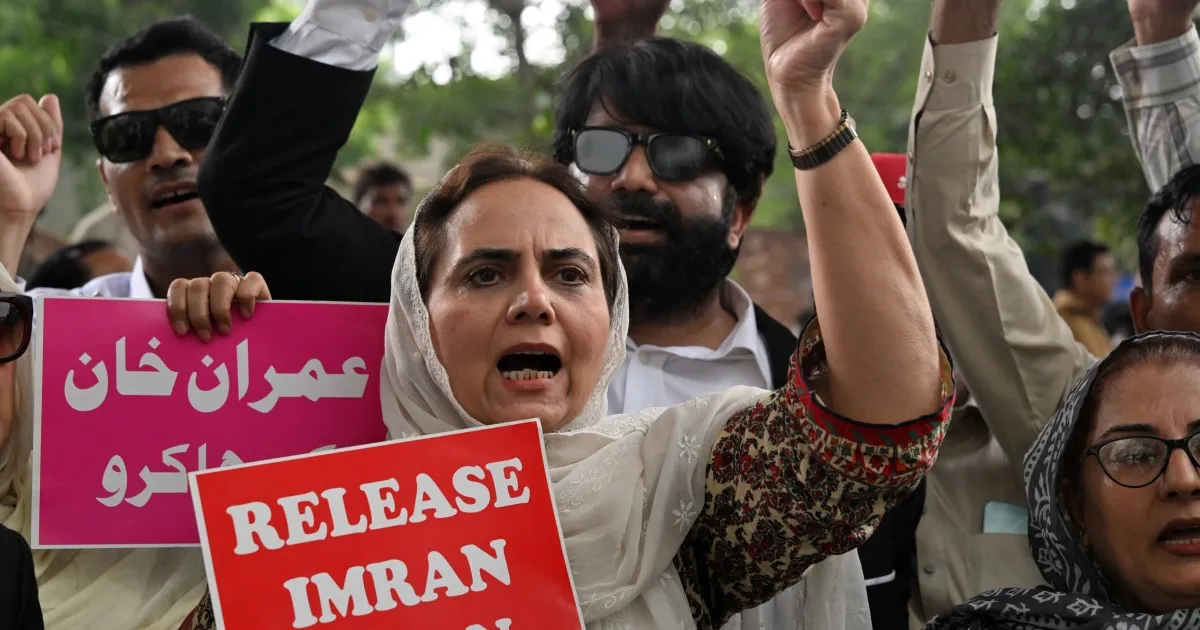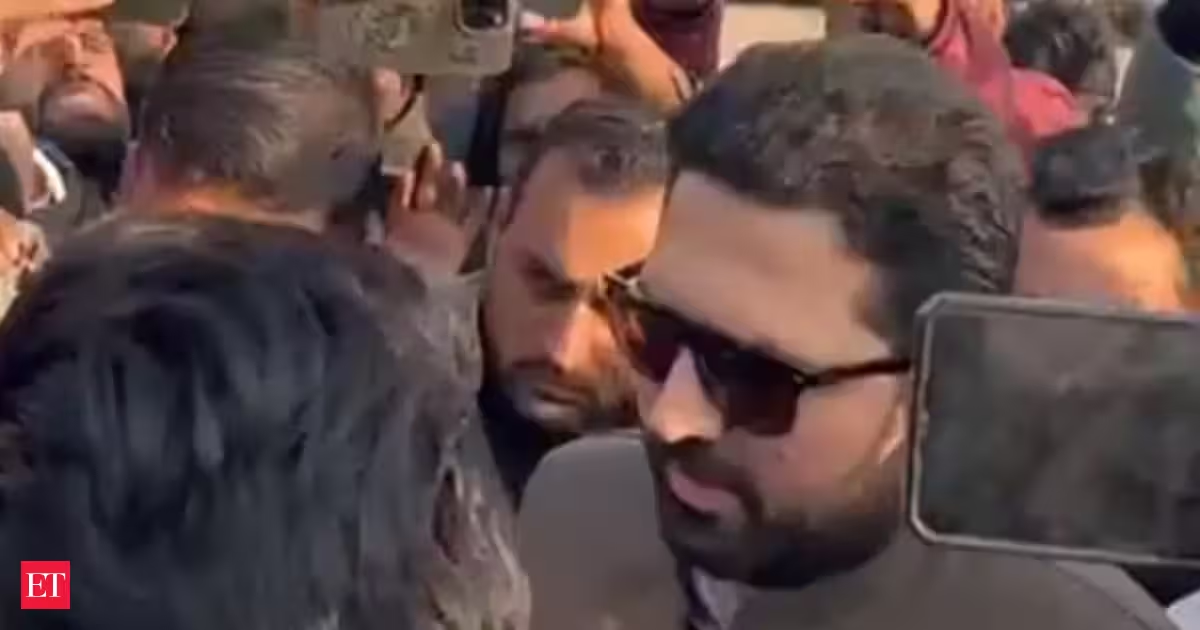
Peshawar: Public anger over the continued incarceration of former Pakistan Prime Minister Imran Khan could reach a point where even his call for reconciliation may fail to restore peace, a senior leader of Khan's party, Pakistan Tehreek-e-Insaf, said on Tuesday.Talking to reporters outside the Supreme Court building in Islamabad, Sohail Afridi, the Chief Minister of Khyber Pakhtunkhwa, a province governed by Khan's party, said, "I can see a spark of revolution in the eyes of the youth, and no one will be able to control it."Read more: Imran Khan's supporters to protest across Pakistan if he is not allowed to meet party colleaguesAfridi's remarks came a day after he threatened countrywide protests if Khan was not allowed to meet his party colleagues scheduled to visit him in jail this week.The 73-year-old cricketer-turned-politician has been in Pakistan's Adiala Jail since 2023, with several cases against him. Khan's party has repeatedly alleged that the authorities have denied him access to family members and party colleagues and have failed to provide adequate medical care for his health problems, including an eye condition.Read more: Imran Khan's supporters stage protests across Pak to mark his 3 years in jail; over 100 heldAfridi had said all parliamentarians of Khan's party would visit the jail on Thursday and warned that "entire Pakistan" will witness massive protests if the meeting was denied.Afridi joined a sit-in protest outside the Supreme Court on Tuesday, where he warned that public hatred could increase to such an extent that even if Khan called for reconciliation, people might no longer respond to an appeal for peace.The Chief Minister also expressed concern over reports about Khan's health and reiterated that the former premier had never sought relief from imprisonment on medical grounds.Afridi said Khan had been "unjustly imprisoned in fabricated cases" and warned those responsible for what he described as oppression that they would also face consequences when their turn came.Commenting on the judiciary, Afridi said even if one judge stood up for justice, it would encourage other judges to do the same."If judges do not dispense justice and fail to perform the duty for which they receive salaries, where will the people go?" he said.
'Spark of revolution' among Pakistan's youth over Imran Khan's jailing, party leader says
A senior leader of Imran Khan's party warned of uncontrollable public anger. He stated that youth are showing a spark of revolution which could escalate. Protests are threatened if Khan is denied meetings with his party colleagues. Public hatred may grow to a point where reconciliation appeals fail. The leader also voiced concerns about Khan's health and the judiciary's role.
362 words~2 min read