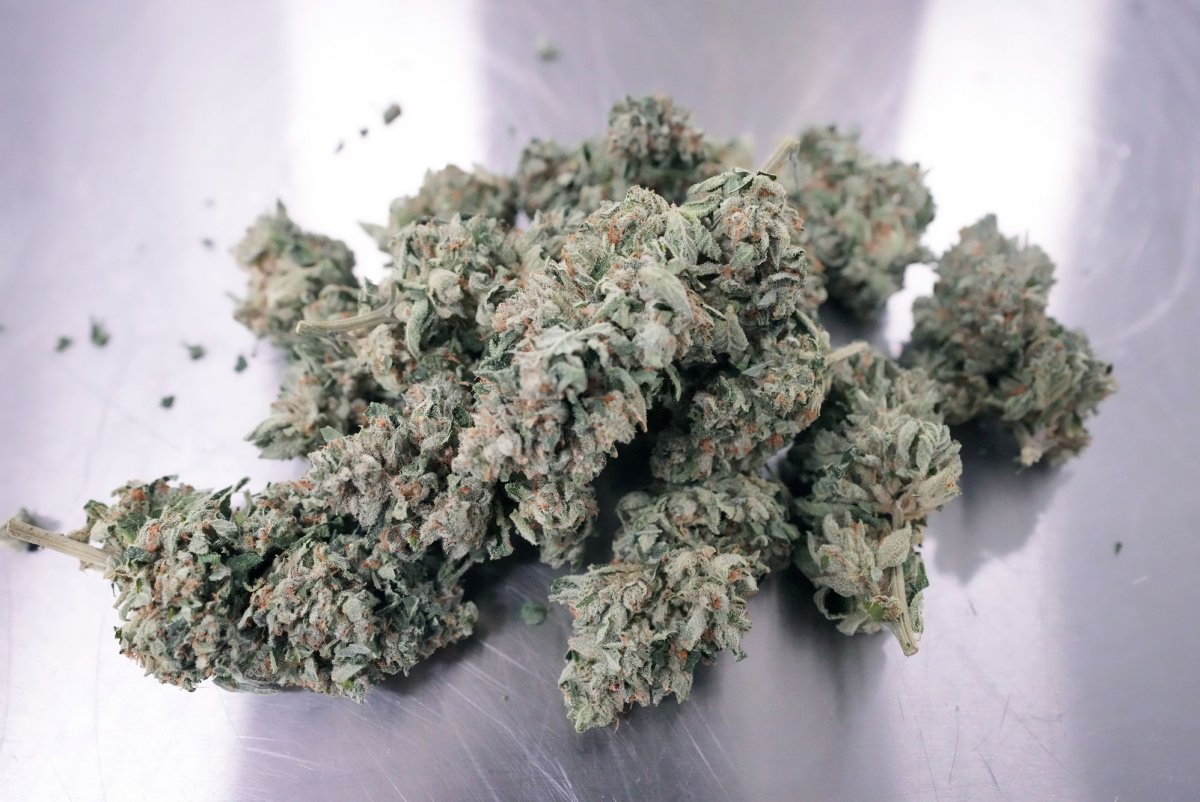
Regular cannabis use is linked to withdrawal, dependence, and a growing list of physical health risks, doctors say. (AP Photo/Andrew Selsky, file)
Regular or daily cannabis use is skyrocketing in the U.S. The per capita rate of daily or near-daily cannabis use rose 15-fold between 1992 and 2022. In fact, 40% of the people who report using cannabis in the past month now report using it daily or near daily.
Regular cannabis use has become even more common than regular alcohol use: in 2022, 17.7 million Americans reported daily or near-daily cannabis use, compared to 14.7 million daily or near-daily drinkers. This was the first time cannabis has overtaken alcohol on this measure.
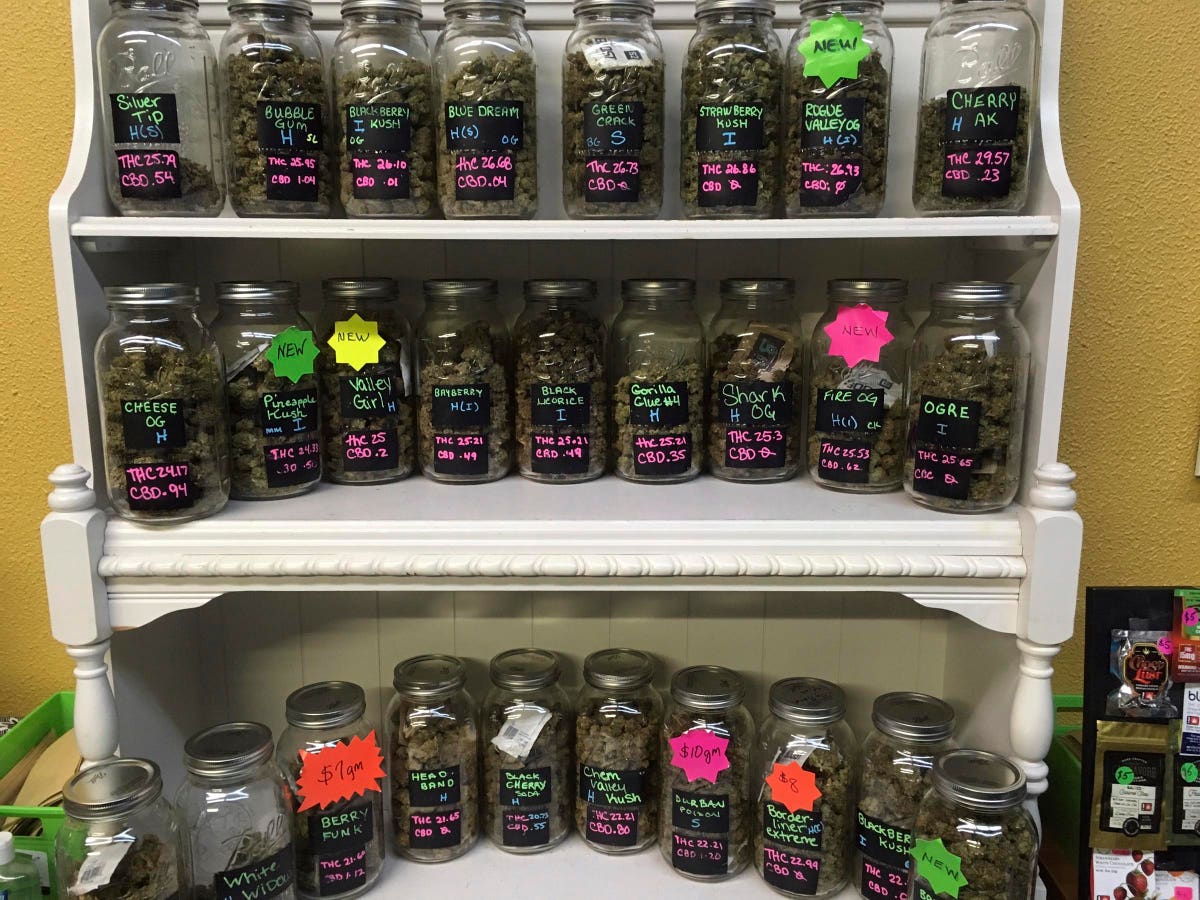
Cannabis has also become increasingly potent. Samples analyzed averaged under 4% THC in 1995. By 2022, the average had quadrupled to roughly 16%. Cannabidiol (CBD) content has fell over the same period. This matters because CBD blunts some of THC’s psychoactive effects. So today's cannabis isn't just stronger, it's lost some of its built-in buffer.
So where’s the harm? One clear example: cannabis hyperemesis syndrome (CHS), a condition where regular users develop cyclical vomiting, often severe enough to come to the ER, and sometimes even require hospital admission. CDC counted nearly 200,000 of these ER visits between January 2023 and May 2026.