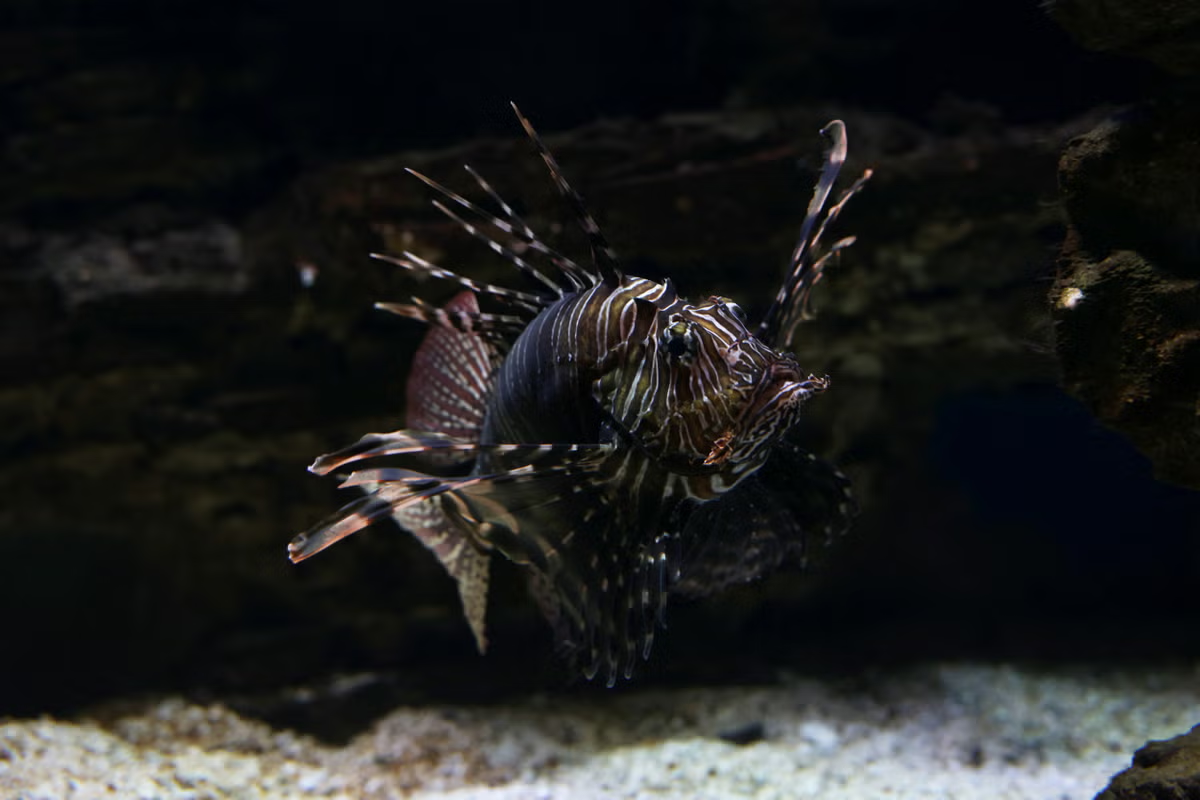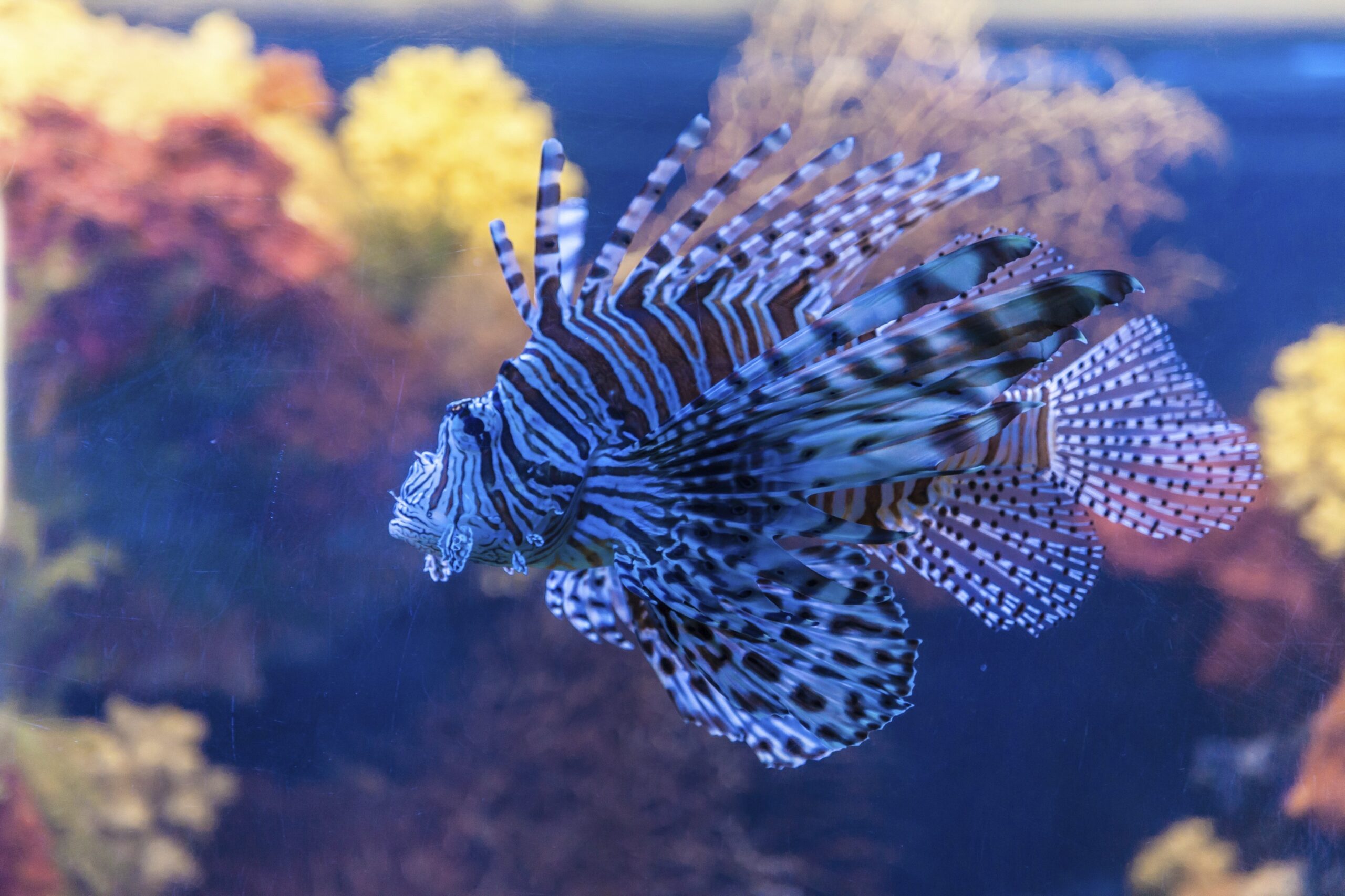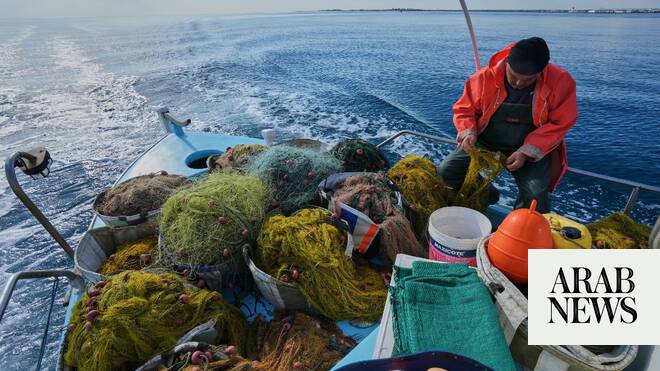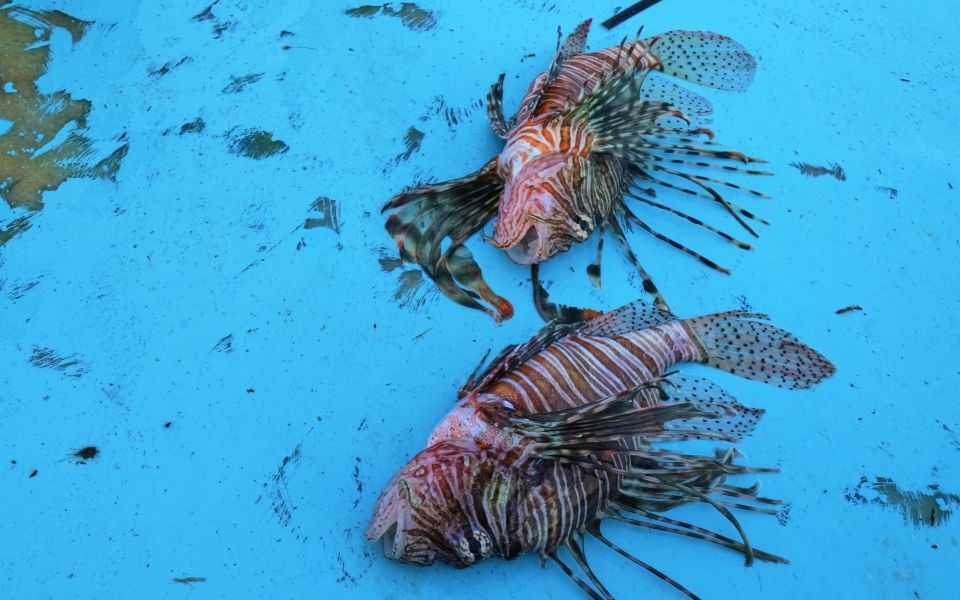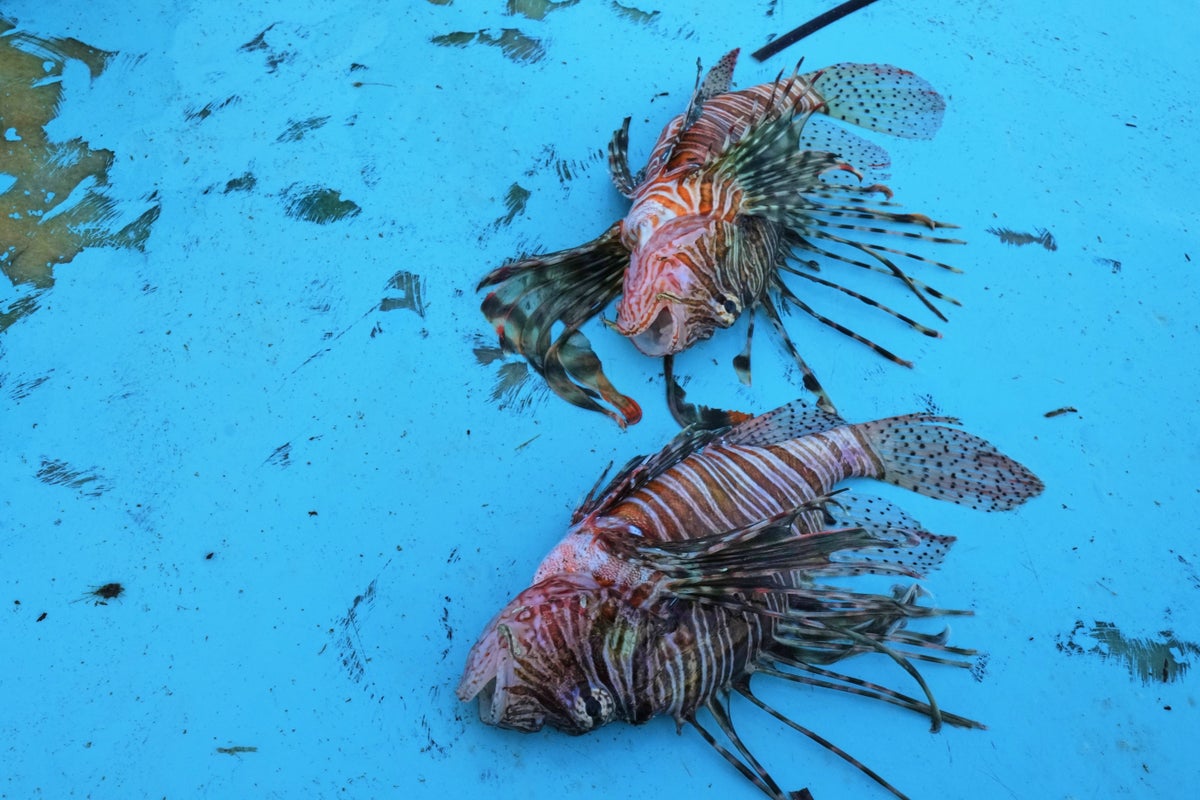
Pepis, the bearded skipper of a small fishing boat, deftly picks up two lionfish caught in experimental traps off the coast of Cyprus, cuts off their venomous spines, guts them and tosses them into a bucket.
Around him, the Mediterranean looks like a pane of glass, its calm surface giving little hint of the dramatic transformation unfolding underwater.
Pepis’ practiced routine is part of a wider effort by scientists to track and control the spread of invasive species such as lionfish in these waters. Here life is changing, caused by a combination of warming sea temperatures and the Suez Canal which has eased access for fish from more tropical climes.
A new species is estimated to enter the Mediterranean every two weeks, according to a recent survey collated by the Cyprus Academy of Sciences, Letters and Arts, based on research by scientists based in 11 countries. In all, there are more than 1,000 non-indigenous species in the Mediterranean, the report said, up from fewer than 800 counted in another study by the European Environment Agency in the 2012 to 2017 period.
The tropical newcomers from the Red Sea and beyond are displacing native species, reshaping food chains and threatening fisheries, experts said. That is just another sign of the impact of climate change which has wreaked such havoc on land this summer in Europe, causing record heatwaves, wildfires and drought. And it’s a big worry for environmentalists: Despite accounting for just 0.8% of the global ocean area, the Mediterranean supports a share of the world’s marine species that some estimates place as high as 18%.