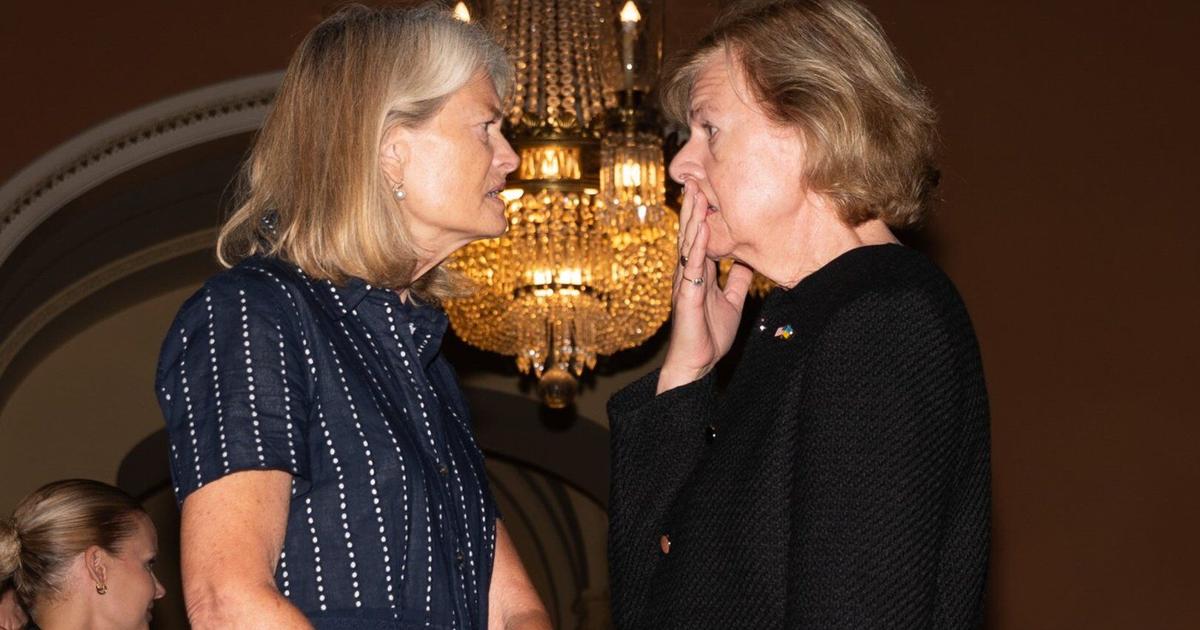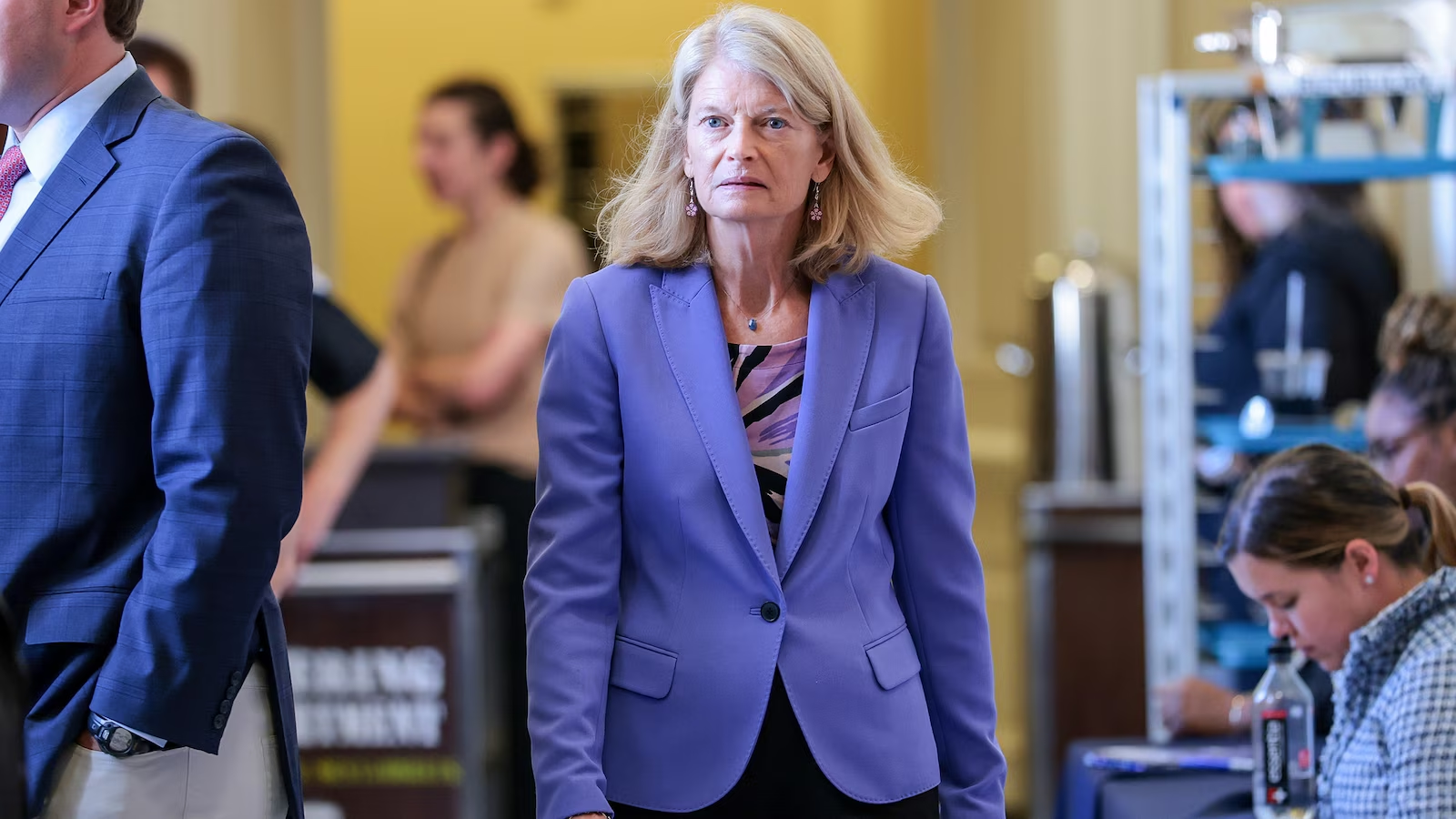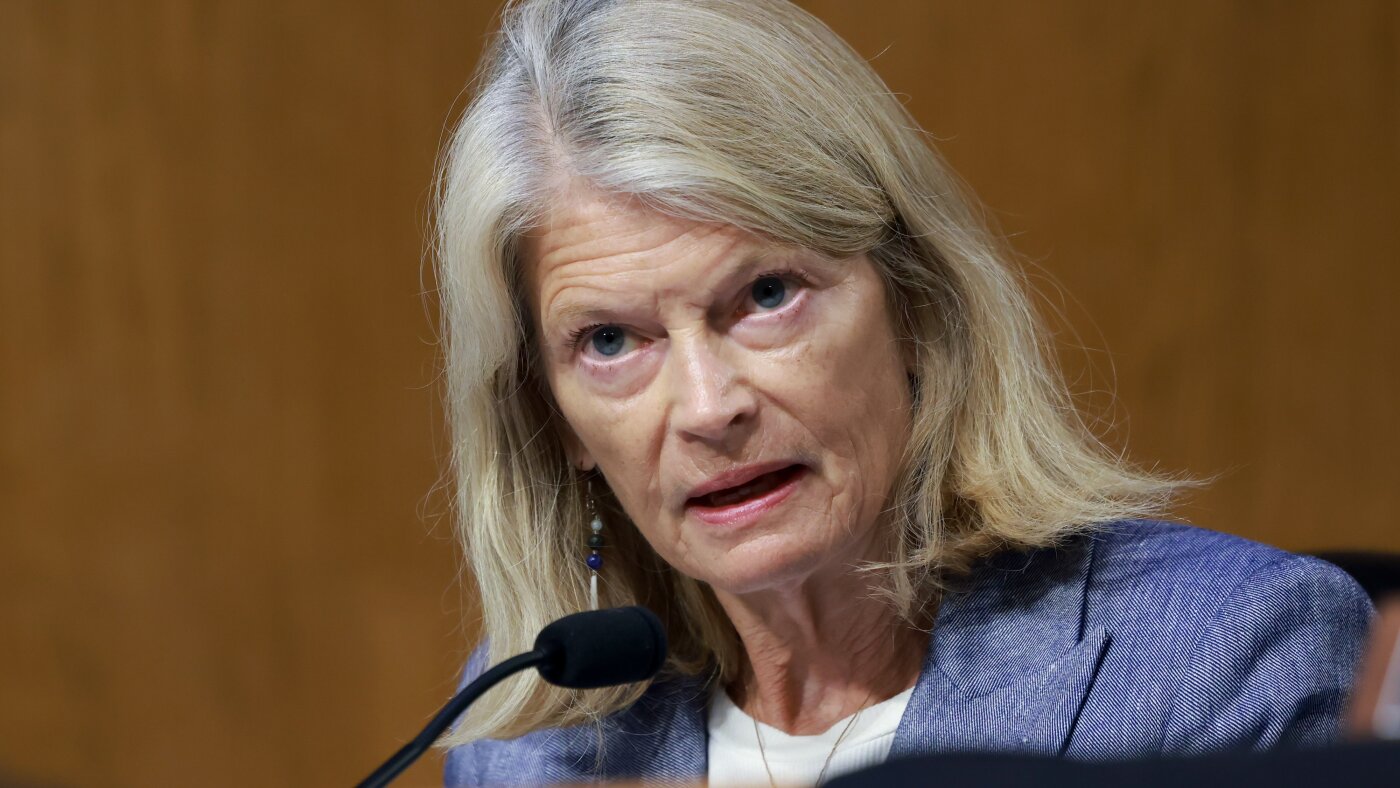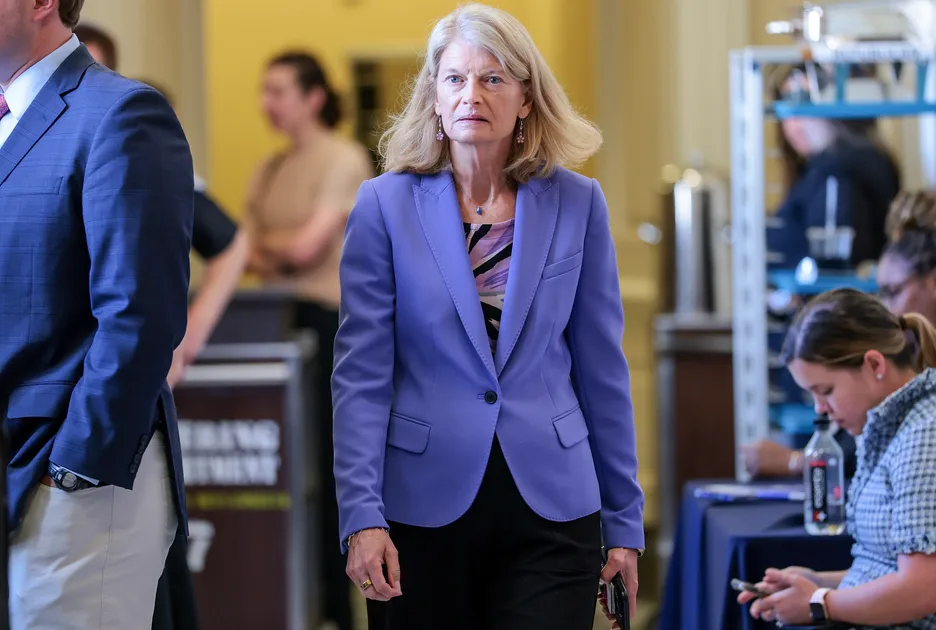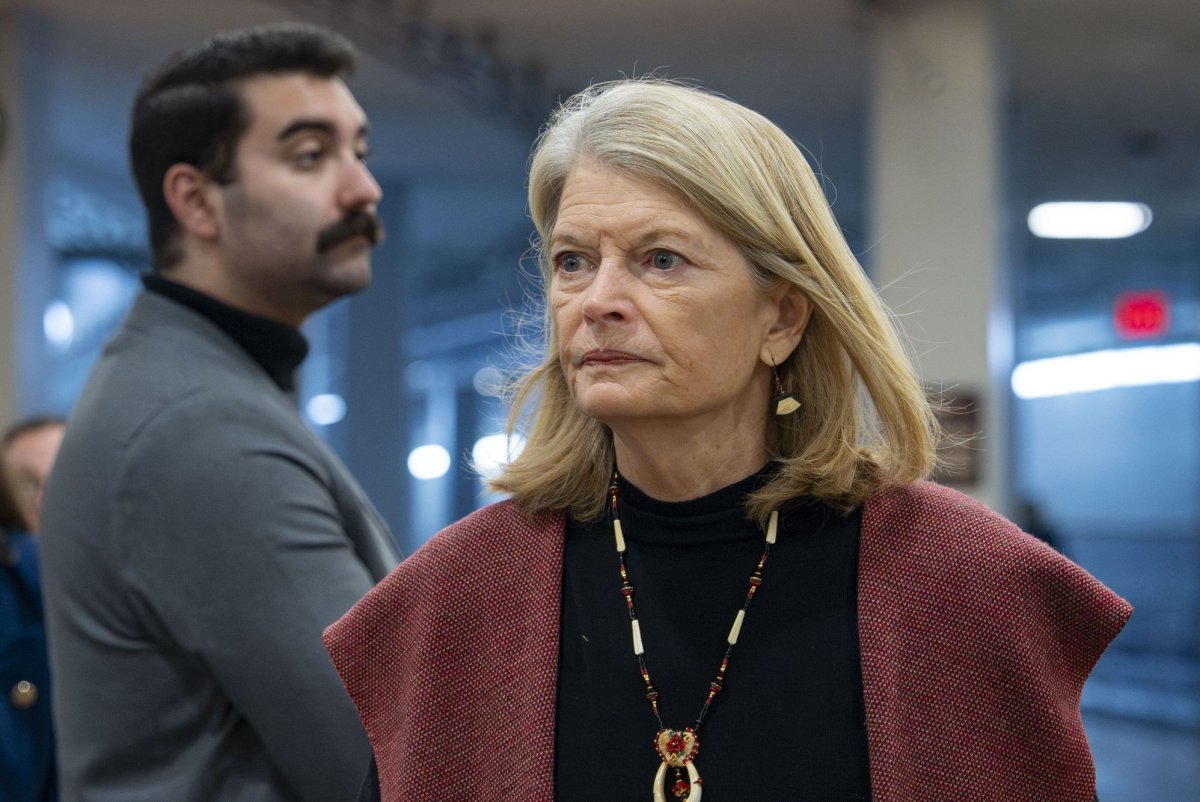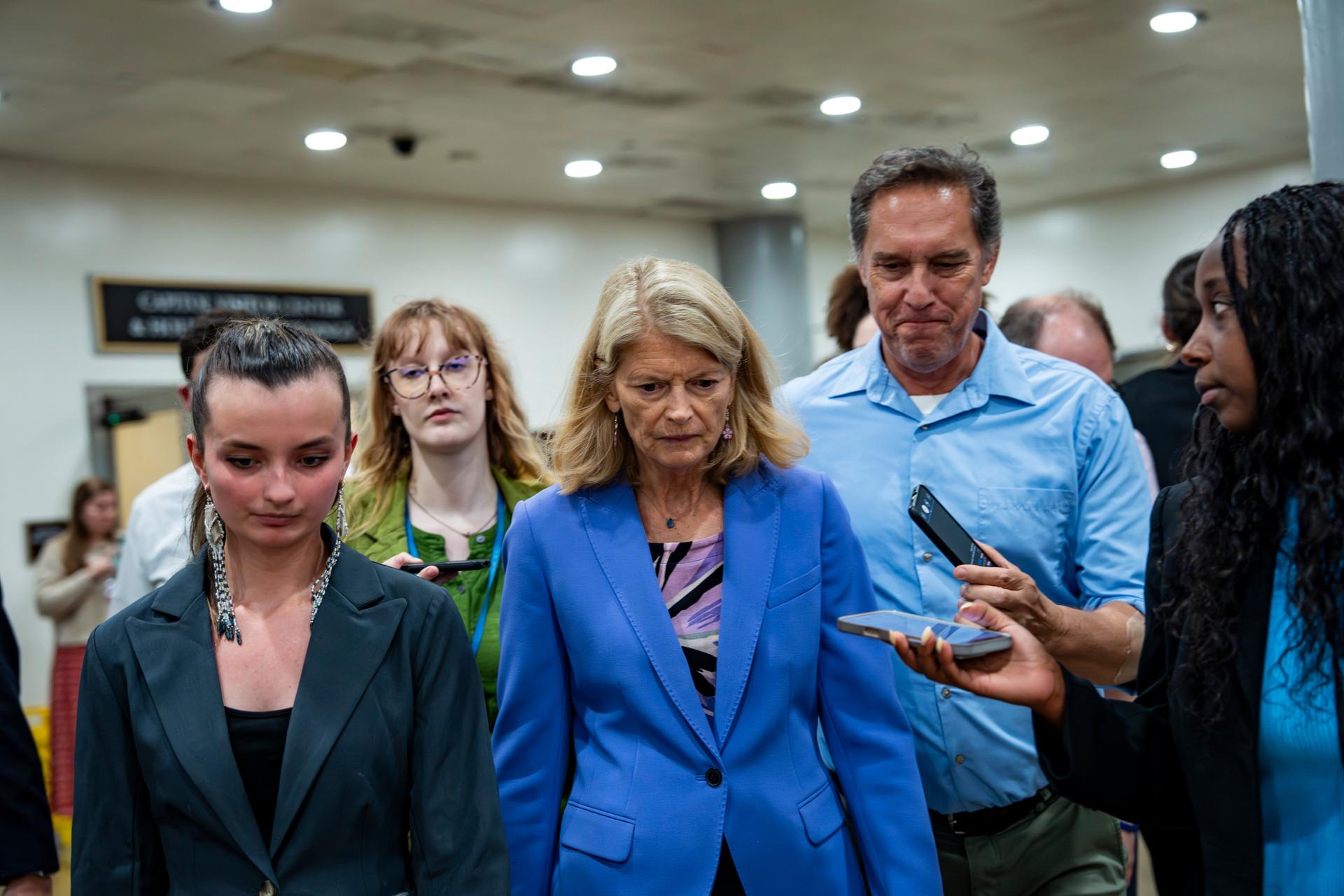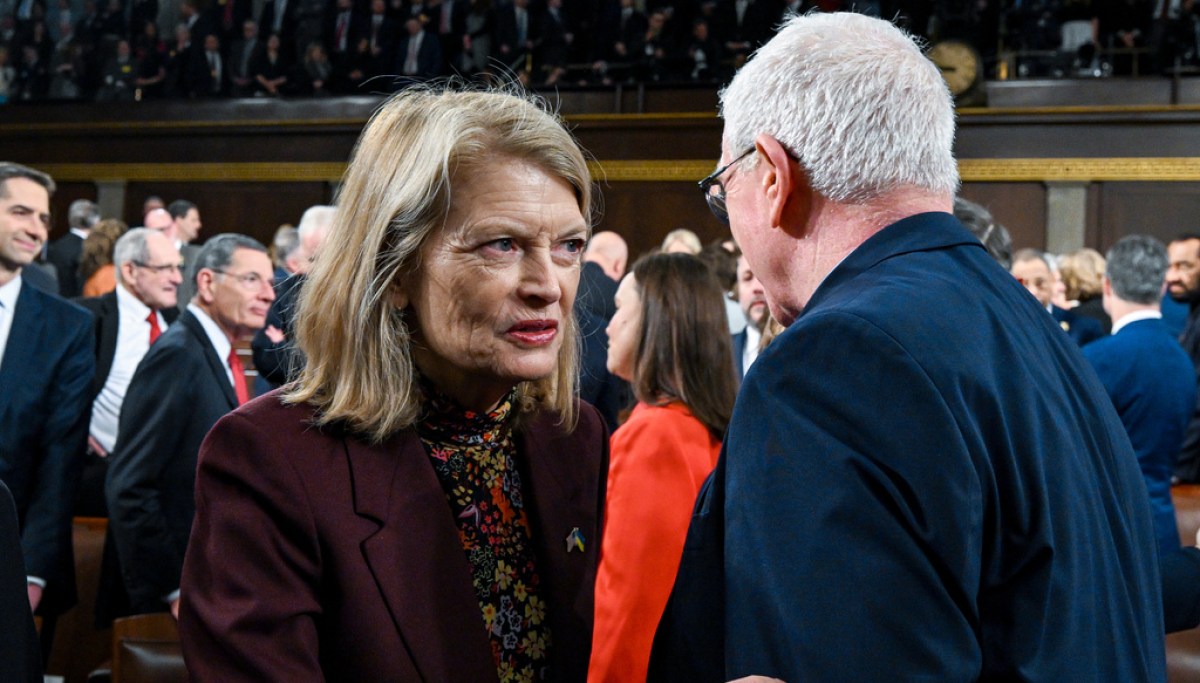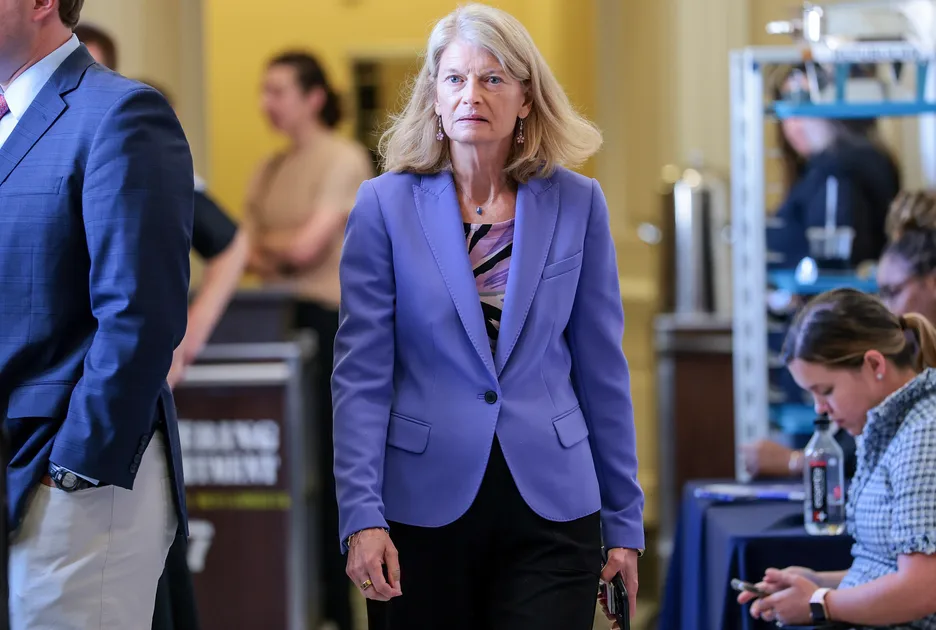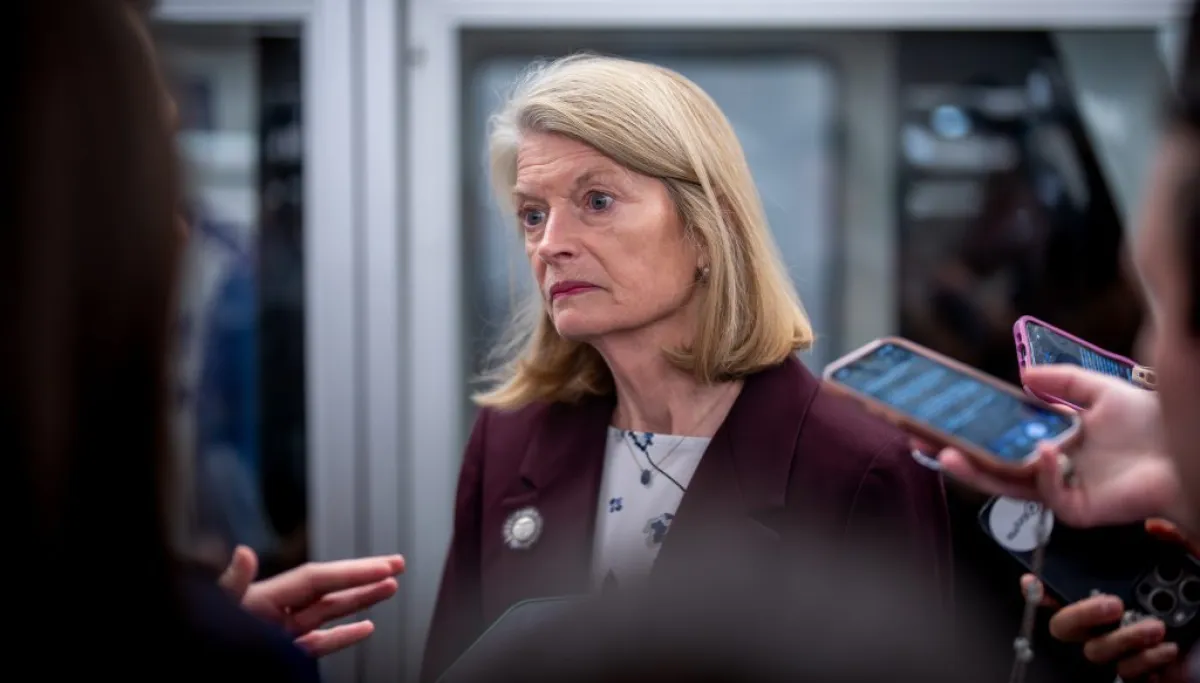
Sen. Lisa Murkowski (R-AK) has misread the SAVE America Act. In her Wall Street Journal op-ed laying out her opposition to the legislation, she repeatedly misstates what the bill requires, overlooks safeguards written directly into its text, and presents speculative worst-case scenarios as inevitable consequences. Her misbegotten criticism rests on several fundamental misreadings of the legislation and is just as wrong as the critics of “Seward’s Folly.” Murkowski offers four straw man (and a straw woman) objections: Remote Alaskans would have no option but costly travel to register; women whose names have changed will have to wait months for certified records just to register; Alaskans using tribal IDs will have a hard time registering; and election workers will end up in court as personal defendants in lawsuits. Those objections would be devastating — if they were accurate. But Murkowski’s objections fall apart upon examination of the act’s actual text.
Take her main claim that rural Alaskans would have to spend thousands of dollars to travel to one of only six election offices merely to register to vote. The bill imposes no limitation on the number of sites at which an applicant can submit proof of citizenship. She ignores the National Voter Registration Act, under which every DMV office where Alaskans apply for a driver’s license must be designated as an election office where individuals can register, as are all state offices “that provide public assistance” and “State-funded programs primarily engaged in providing services to persons with disabilities.” Contrary to Murkowski’s claim, there are many more than six qualified offices in Alaska where individuals can register and submit proof of citizenshipThe NVRA provides that a state can designate other offices as voter registration agencies, including “public libraries, public schools, offices of city and county clerks (including marriage license bureaus, fishing and hunting license bureaus, government revenue offices, unemployment compensation offices, and offices … that provide services to persons with disabilities).” Nothing in the SAVE America Act forbids Alaska from expanding voter registration options. Alaska could easily authorize additional state or local officials to receive citizenship documents in remote communities. The NVRA permits states, with federal agreement, to designate federal offices as voter registration agencies. Does Murkowski doubt that the Trump administration would allow all federal offices in her state, such as local post offices, to become registration agencies? Or are state election officials unwilling to operate periodically from the remote locations she talks about? Murkowski goes too far when she presents a $1,000 flight to Nome or a $1,500 trip to Anchorage as the only options the act would permit. Alaskans who need a driver’s license, public assistance, or any other government service or benefit, such as mailing a letter, do not have to fly to Nome or Anchorage, and that should be the case when registering to vote.The SAVE America Act can also complement Alaska’s automatic voter registration through the Alaska Permanent Fund. Around 90% of Alaskans apply for the PFD, payouts from oil and mineral revenues. Applicants are automatically registered to vote regardless of their citizenship status under a register-first, ask-questions-later policy. The Alaska Division of Elections website even tells applicants, “When you fill out your PFD, you are automatically registered to vote … just because you received a Voter Identification Card, does not mean you are a U.S. Citizen.” The website instructs aliens to contact the division to cancel their registrations. Illegal aliens on the voter rolls is not a theoretical problem; states have already used the federal SAVE database of the Department of Homeland Security to compare voter records against federal citizenship data. Sen. Lisa Murkowski, R-Alaska, a member of the Senate Appropriations Committee, takes questions from reporters on day 36 of the government shutdown, at the Capitol in Washington, Wednesday, Nov. 5, 2025. (AP Photo/J. Scott Applewhite)