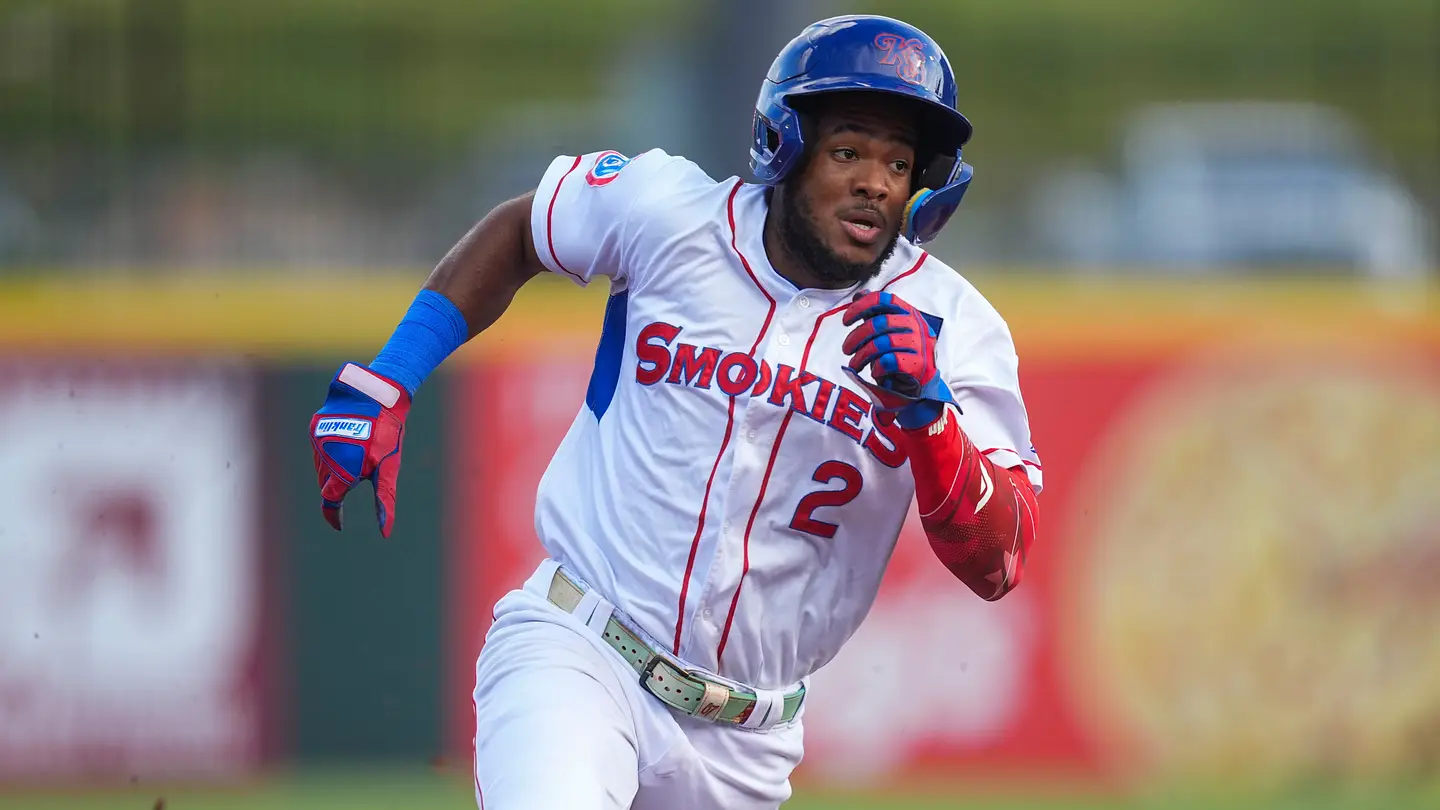
Just one week after the trade deadline, the New York Mets’ roster looks completely different. After trading away seven major leaguers, the final 42 games of the regular season for the Mets (53-67) are focused on evaluating their remaining talent before the offseason. Below, Tim Britton and Will Sammon answered your questions about the Mets’ roster right now and in the future.Which player in the Mets’ farm system who has yet to make their MLB debut will have the biggest impact on the big-league roster in 2027? — Douglas B. Sammon: Infielder Mitch Voit, the Mets’ first-round pick in 2025, is making a strong case. After a slow start in High A, Voit picked things up, earned a promotion to Double A and just kept hitting. Playing mostly shortstop with some time at second base, Voit’s numbers with Binghamton through his first 50 plate appearances are stunning: .550 batting average, 6 stolen bases, 1.483 OPS. Marcus Semien, under contract through the 2028 season, is the Mets’ regular second baseman, but the 35-year-old’s poor production raises questions about his future at the position. Others to watch in 2027 include infielders Jefferson Rojas (acquired from the Chicago Cubs in the Clay Holmes deal) and Émilien Pitre (acquired from the Tampa Bay Rays in the Freddy Peralta deal).Will Voit get Triple-A at-bats this year if he keeps it up? — Douglas B. Sammon: There’s a chance Voit reaches Triple A, but I’m not sure how likely that is. If he continues to excel in Double A, there’s no point in holding him down just to hold him down. Last year, Carson Benge saw time at High A, Double A and Triple A. The Mets promoted Benge to Triple A after just 32 games. Voit is up to 11 games with Binghamton. There is time before this becomes more of a discussion.Who is Frank 'The Tank'? The always angry Mets superfanSam Blum and Johnny SweetWhy didn’t Stearns target remaking the starting rotation instead of the starting lineup over the offseason? — Matt M.Britton: Because Pete Alonso’s free agency forced the club to make a decision on the future of the lineup. Stearns could have re-signed Alonso, believed in the underlying metrics of last year’s offense, and had a better offense in 2026 than the Mets wound up with. He’d also have Alonso and Brandon Nimmo under contract through 2030, and he did not like the idea of having four long-term deals running at least through the end of the decade, with three of them at defensive corners.The team planned to address the starting rotation this winter, when the Mets anticipated that three key starters would become free agents: Peralta, Holmes and David Peterson. They’re all elsewhere now, but the emergence of some younger arms means New York shouldn’t need to remake its rotation as much as we might have thought back in spring.So, Stearns decided last winter to move on from Alonso and to trade Nimmo when the opportunity arose. That decision has obviously not worked out so far. Alonso and Nimmo are playing up to expectations — Alonso, perhaps, is exceeding them, because he’s improved so much defensively. (It’s fair to wonder why that didn’t happen in Queens.) These were both five-year decisions made by Stearns, and we’ll be tracking them over that time the same way we tracked the outcomes of the Edwin Díaz trade for so long.
Why the Mets chose not to extend Clay Holmes, Tobias Myers’ velocity issues and more
Plus, a look at prospect Mitch Voit's red-hot start at Double-A Binghamton.
1,384 words~6 min read