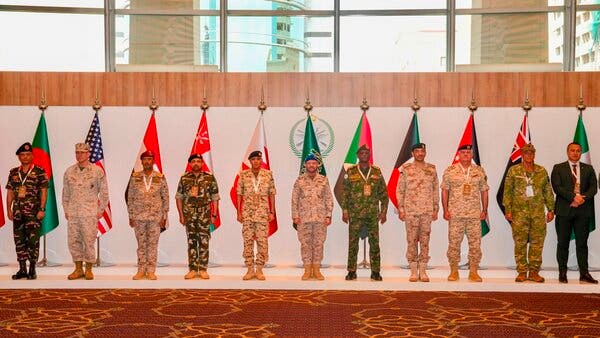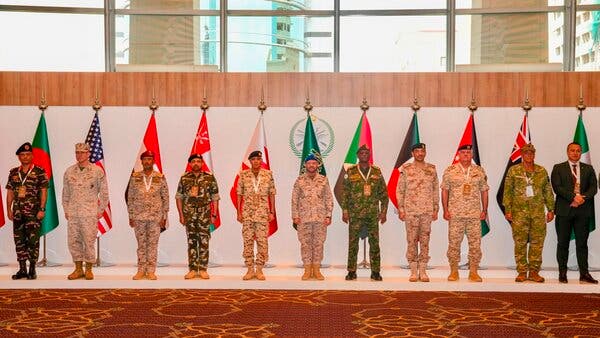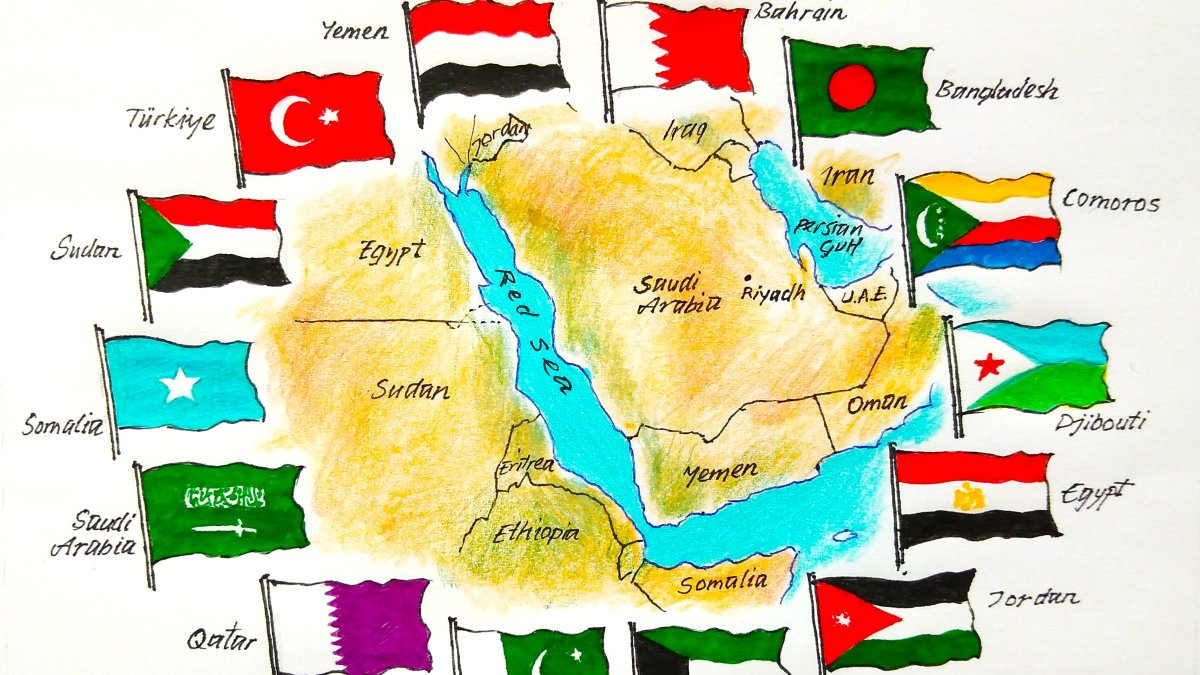
On July 30, 14 states gathered in Riyadh to sign the founding declaration of the Multinational Maritime Defense Alliance. The document outlines an ambitious institutional framework: a permanent headquarters, an integrated command structure, a joint command and control center, a combined maritime operations center, and a permanent secretariat-all to be based in Saudi Arabia. Yet the alliance's most consequential questions remain unanswered. Force contributions, rules of engagement, and even the status of the United States have yet to be clarified. On paper, the alliance possesses institutions; in practice, it remains a political declaration rather than an operational organization.
Viewing this initiative merely as a response to Houthi attacks in the Red Sea, however, misses its broader significance. What is taking shape is not simply another multinational naval coalition, but a blueprint for a new regional security order emerging as the traditional American security umbrella is recalibrated.
Reversal, not independence
The natural point of comparison is Operation Prosperity Guardian, launched under U.S. leadership in December 2023. Its defining paradox was that the two regional states with the greatest stake in Red Sea stability – Saudi Arabia and Egypt – remained outside the coalition. Riyadh sought to preserve its fragile cease-fire with the Houthis, while Cairo was unwilling to bear the political costs of joining a military initiative closely associated with the Gaza war. Today, both are founding members of the new alliance.