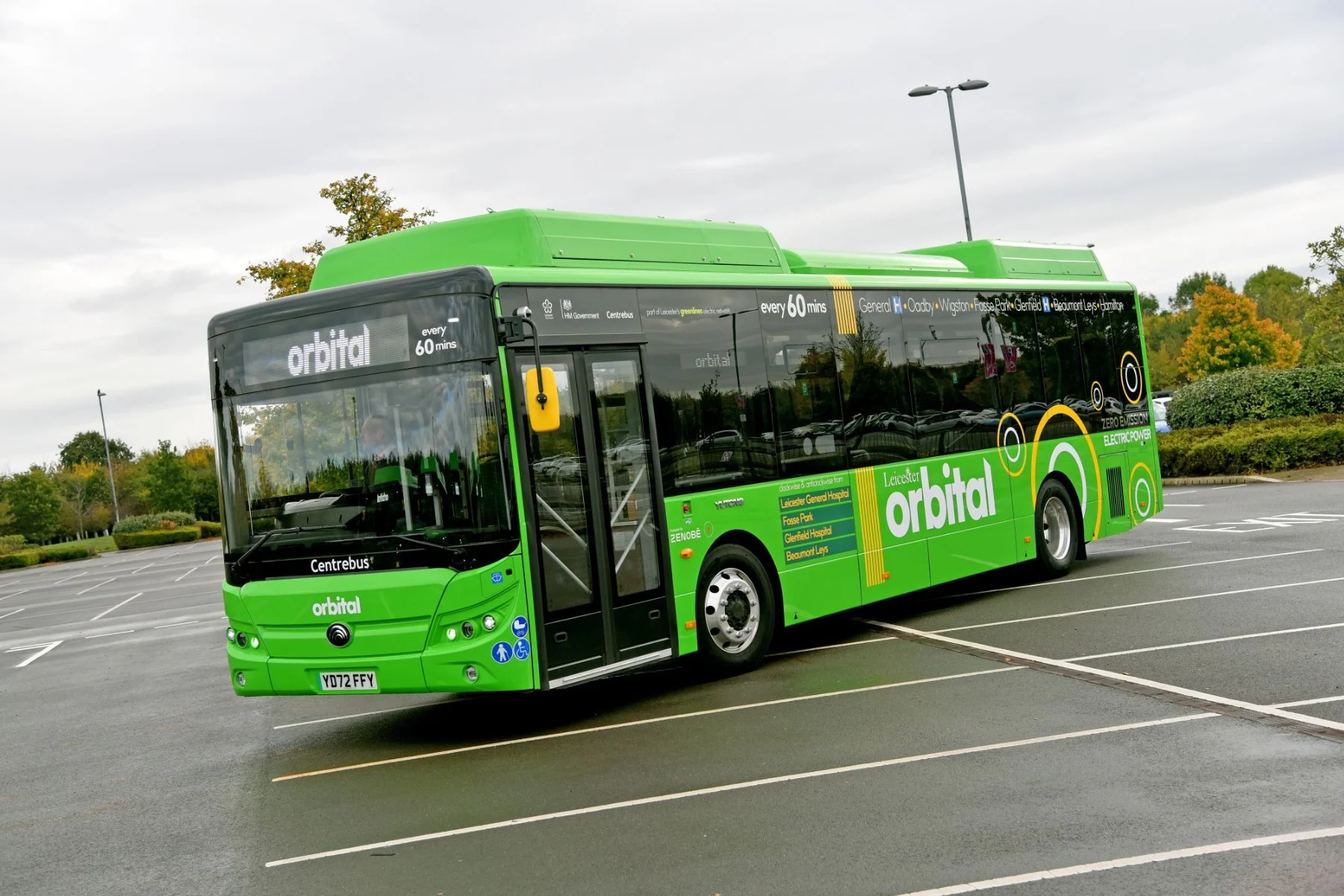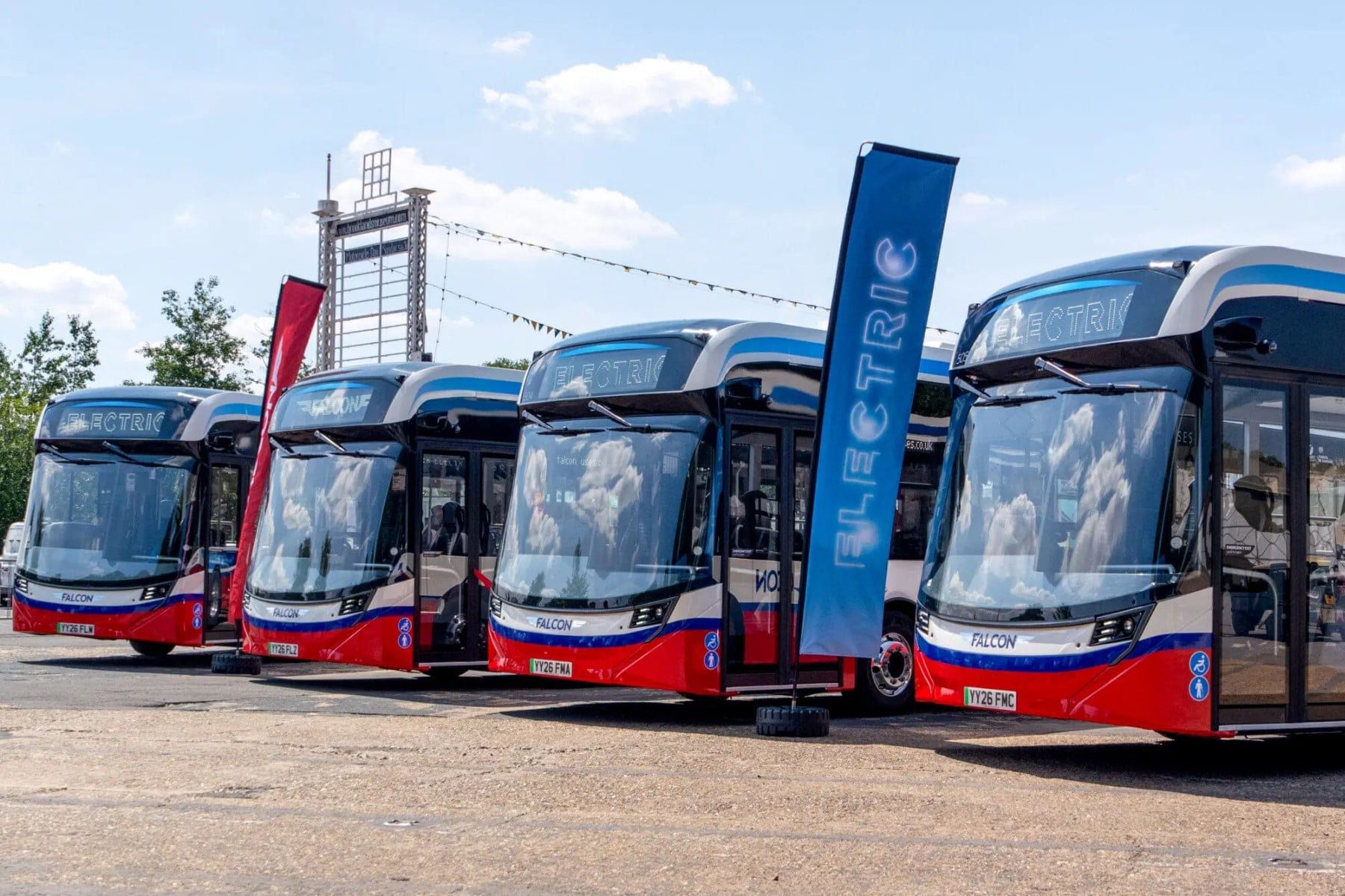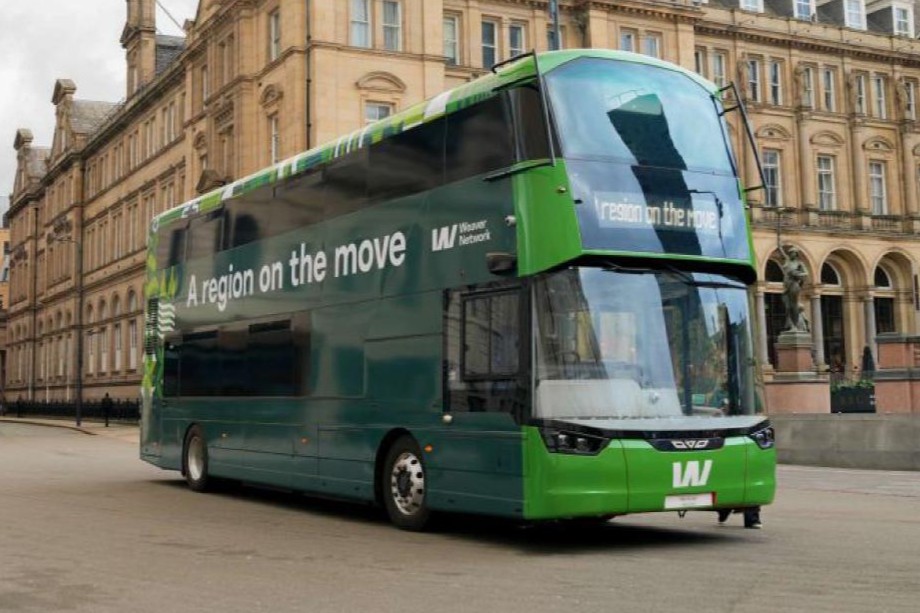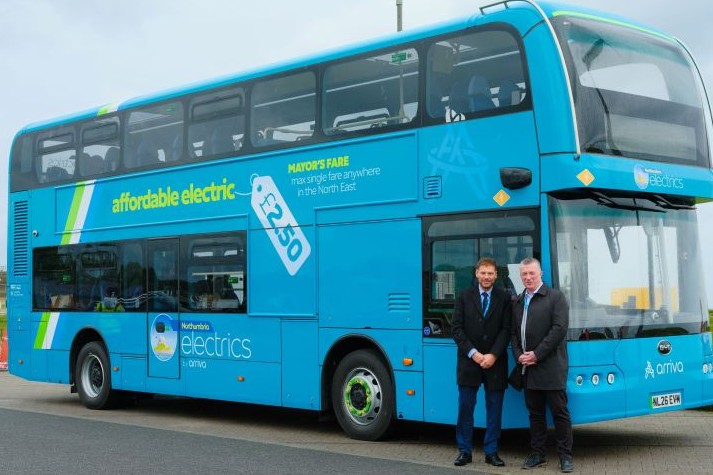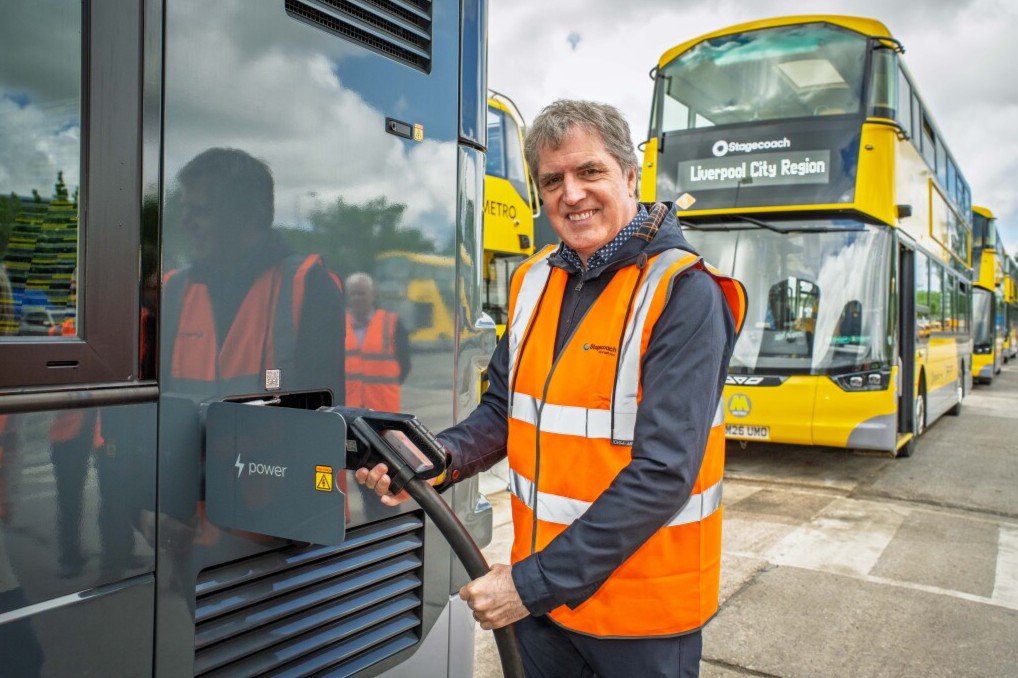
Stagecoach is carrying out the rollout in partnership with East Yorkshire Buses, Hull City Council and East Riding of Yorkshire Council. The joint local project represents a total investment of £28.2 million, combining public funding from the Department for Transport’s ZEBRA 2 scheme with private operator capital. The fleet transition in Hull forms part of Stagecoach’s broader £50.6 million investment strategy to deploy 120 BEVs across its UK network.
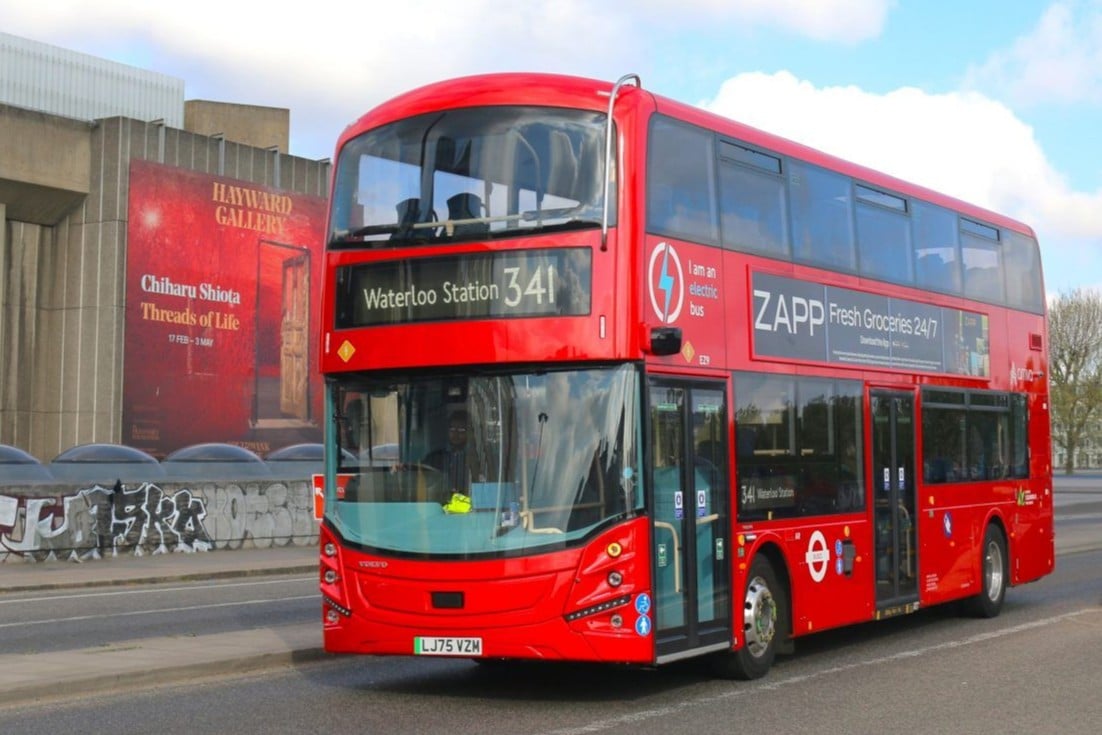
The fleet initially operates on routes 3, 5, 12 and 13. The double-deckers deliver a driving range of up to 418 km, while single-deckers achieve up to 482 km, exceeding the average daily operating distance of 217 km in Hull without requiring intermediate recharging. The vehicles are equipped with USB charging ports, audio-visual next-stop announcement systems and digital side mirrors.
Stagecoach expects to bring its total battery-electric fleet in Hull to 55 vehicles by the end of 2026.
Stagecoach has adapted its depot operations at Foster Street to support the new BEVs, installing 56 dedicated charging points. Because battery-electric powertrains feature fewer moving parts than internal combustion engines, the operator extended its routine fleet inspection intervals from four to six weeks, compared with every four weeks for its diesel vehicles.