Over the last two weeks, oil companies have announced eye-popping profits from the spring quarter. Exxon Mobil pulled in $14.5 billion. Chevron landed $12 billion, its highest quarterly profit on record. Shell posted $9.8 billion — more than twice its earnings from the same time last year.
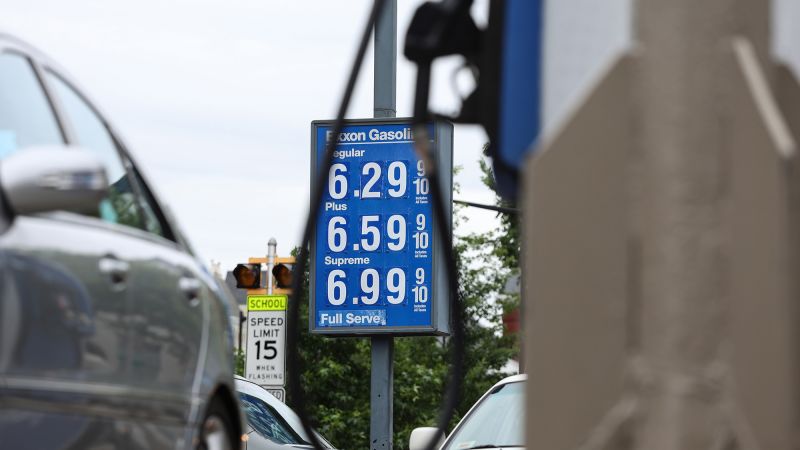
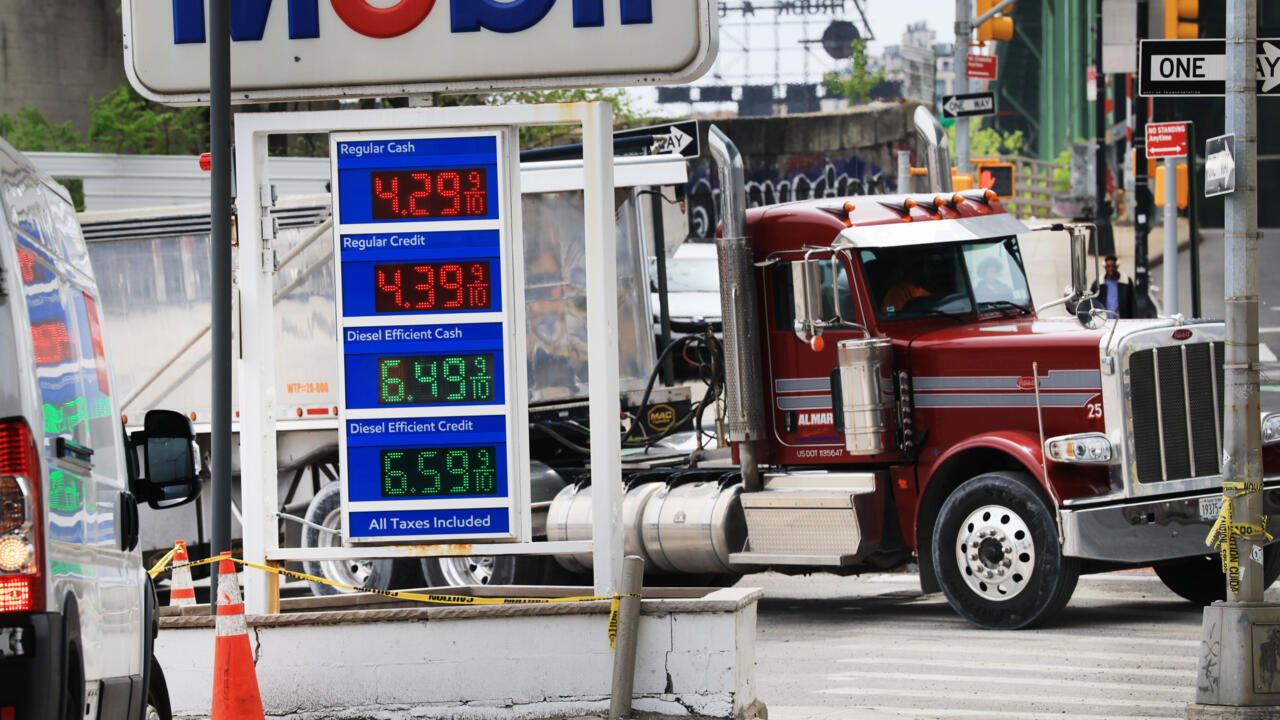
These profits are largely a product of supply constraints brought on by the war in the Middle East. With the Strait of Hormuz effectively blockaded, oil suppliers have rerouted shipments over land and through pipelines. The resulting supply shortages, constrained refining capacity, and higher transportation costs have driven up oil and gasoline prices, delivering windfall profits for producers.
But companies aren’t using those profits to drill lots of new wells or explore untapped oil fields. Instead, they’re pocketing the cash and paying their shareholders, experts say. What was once an industry defined by the “drill, baby, drill” ethos is now defined by another term: “capital discipline.” It’s a phenomenon in which rampant drilling and production growth has given way to tightened belts and bigger payouts to investors.
Oil executives expected a weak financial year in 2026 due to a supply glut, but the closure of the Strait of Hormuz constrained oil production and allowed companies to charge top dollar for use of their refineries outside the Middle East.