This coverage is made possible through a partnership between Grist and BPR, a public radio station serving western North Carolina.
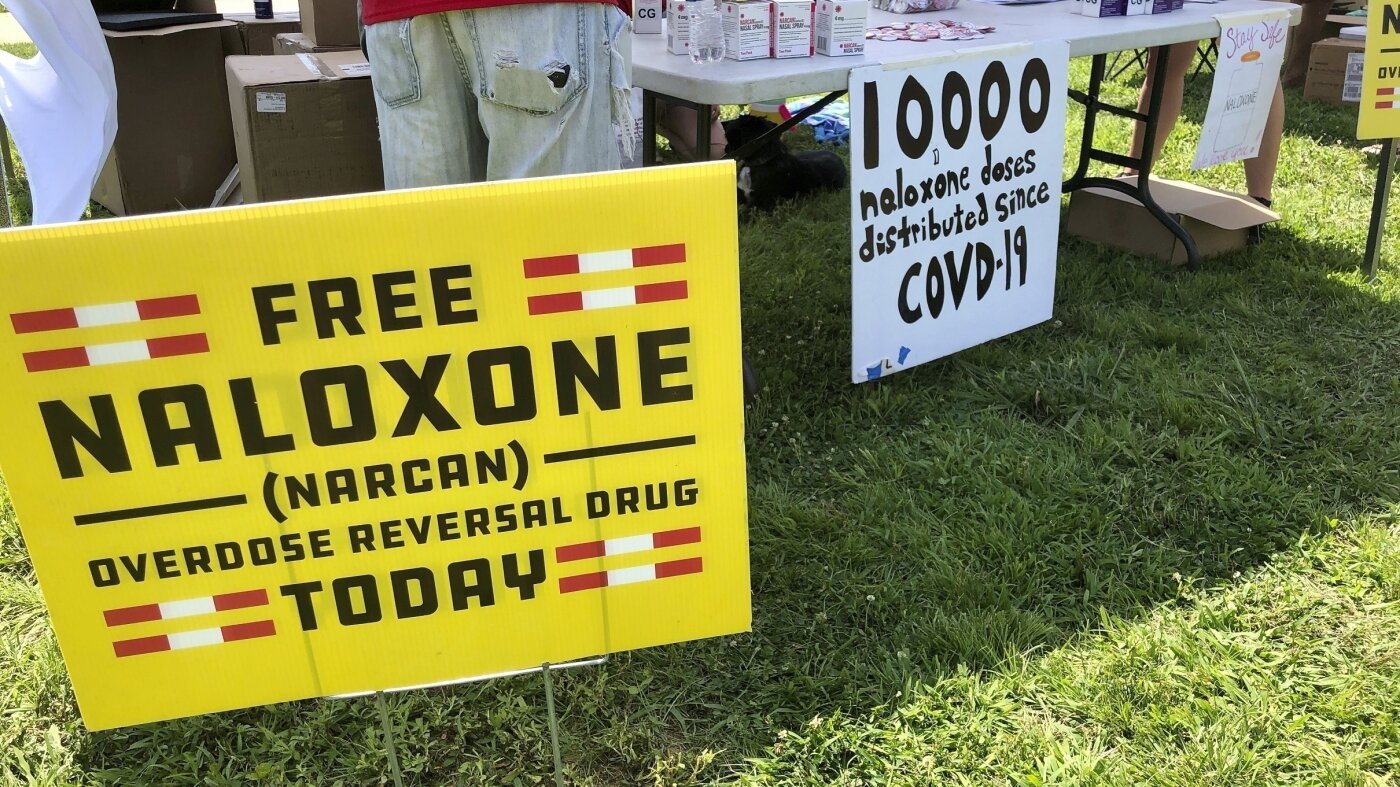
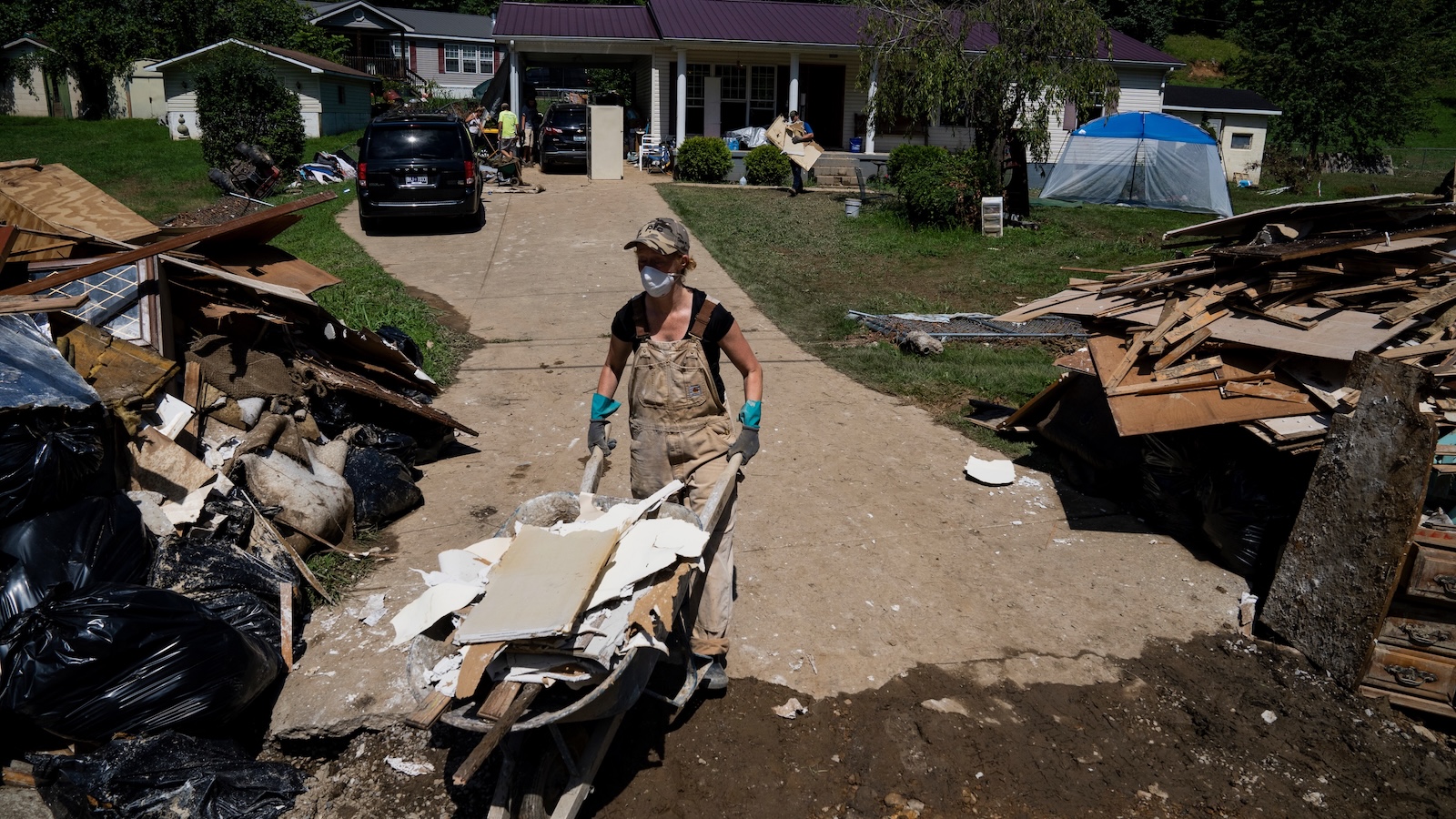
Hush Sinn delivers needles, naloxone, and other medical supplies to people in the mostly rural mountain communities of Madison County, North Carolina. Sinn does this through Holler Harm Reduction, a grassroots organization that strives to minimize the risk of overdose and infection in a region where many residents are still recovering from the devastation of Hurricane Helene.
Sinn, who uses the pronoun they, believes the nonprofit, often known simply as “Holler,” has prevented a lot of tragedy. But nearly two years after the storm they and other harm reductionists have noticed a troubling pattern.
“While overdose rates are still trending down, we get these weird spikes,” Sinn said. “And the spikes we get, we kind of consistently are able to relate back to Helene.” Financial stress, ongoing trauma, and unstable housing have disrupted some people’s recovery and thrust others into dangerous, even deadly, patterns of substance use.
Sinn’s observations reflect a broader pattern across the region. A Pennsylvania State University study published last month found that severe flooding was associated with higher overdose death rates in economically distressed Appalachian counties — increases that can persist for at least a decade after the water recedes.