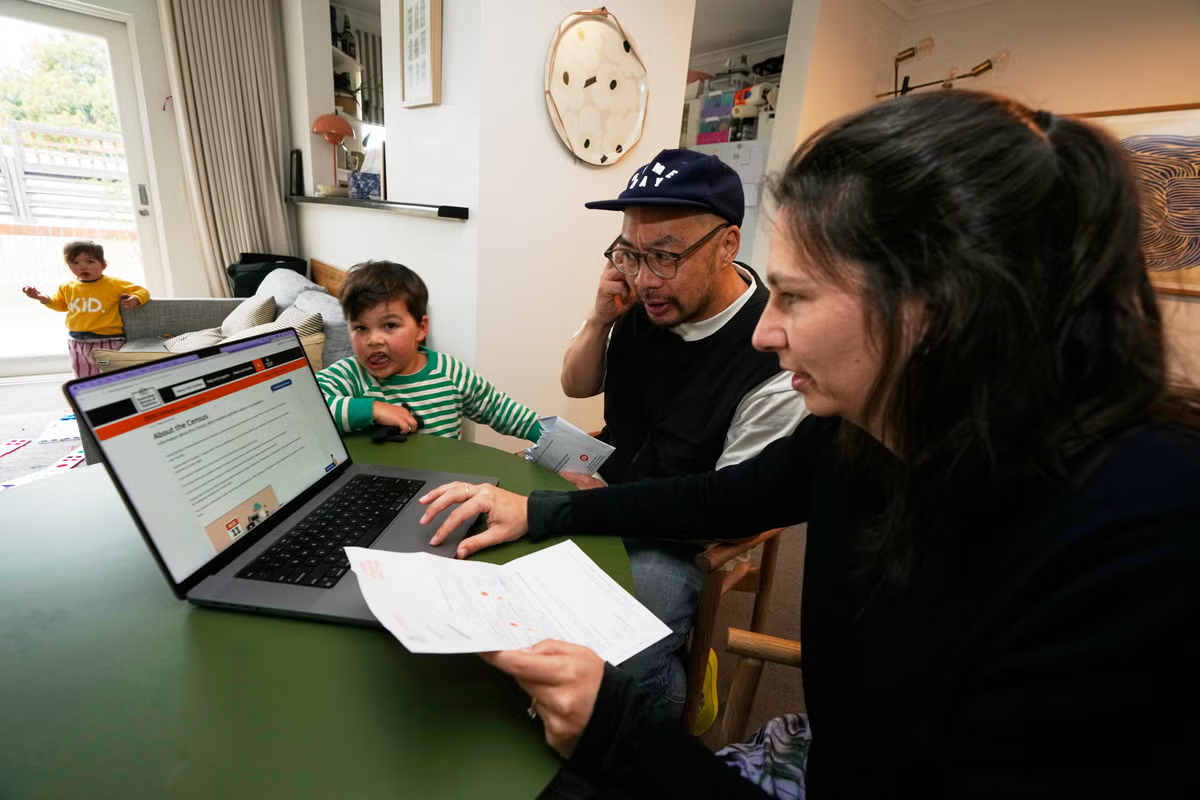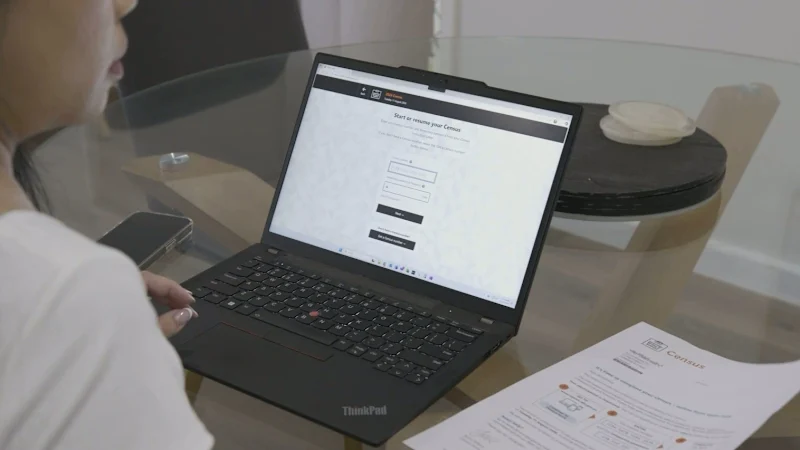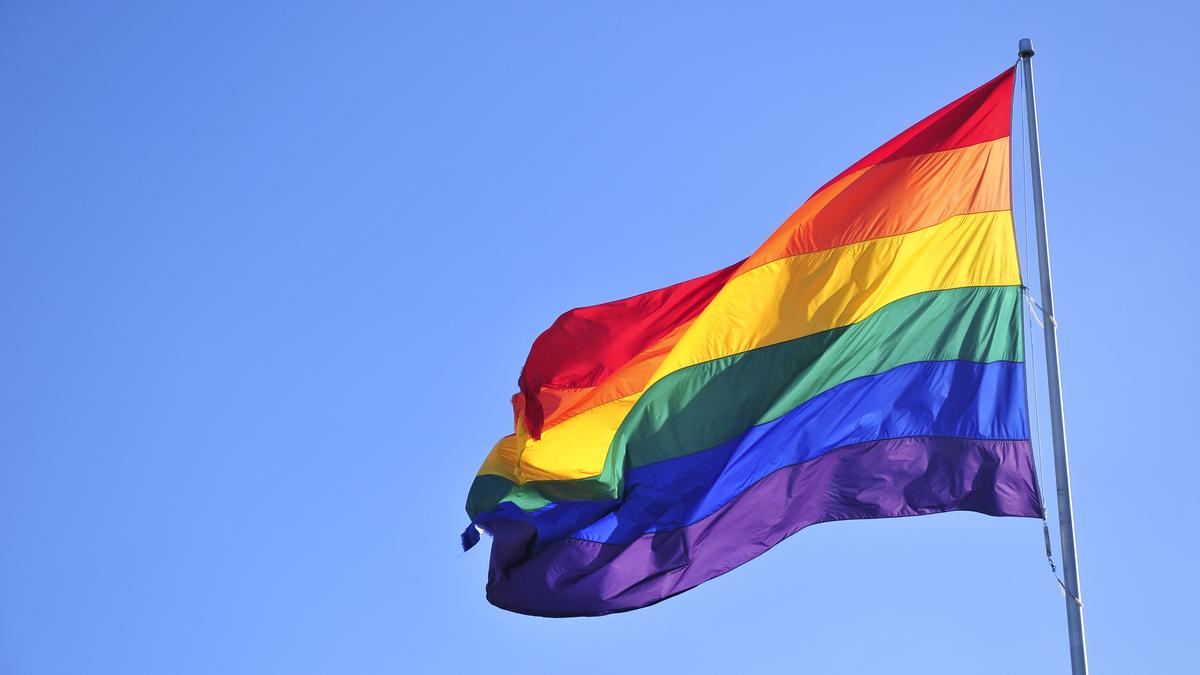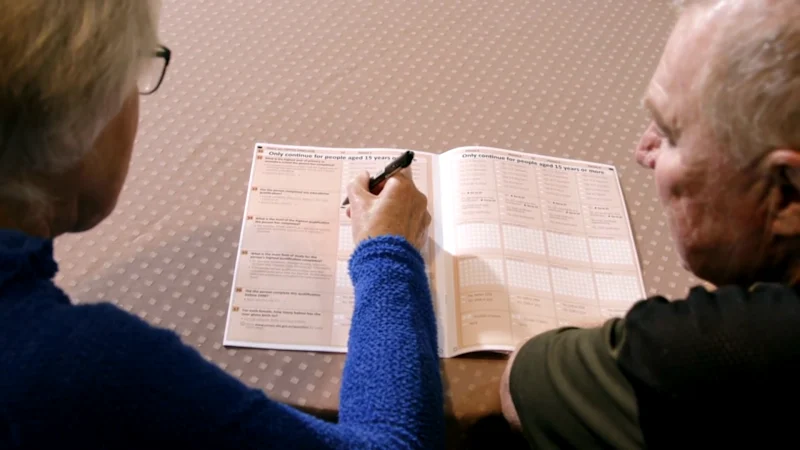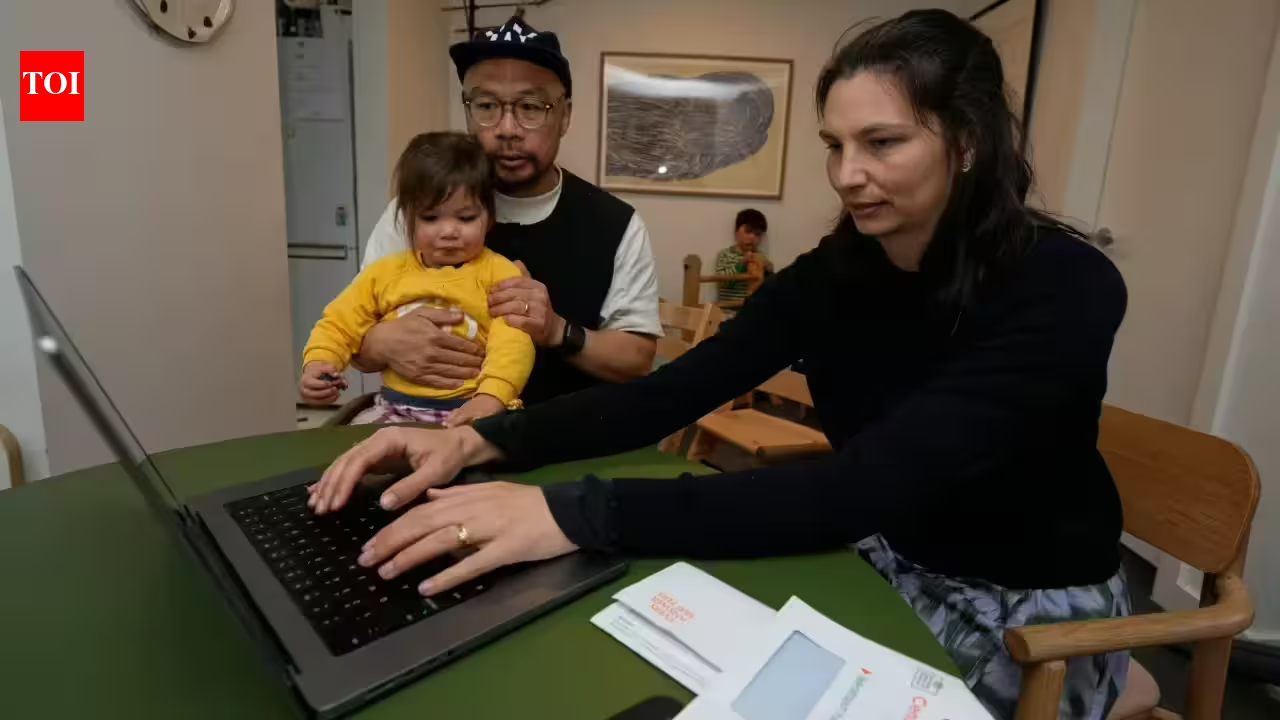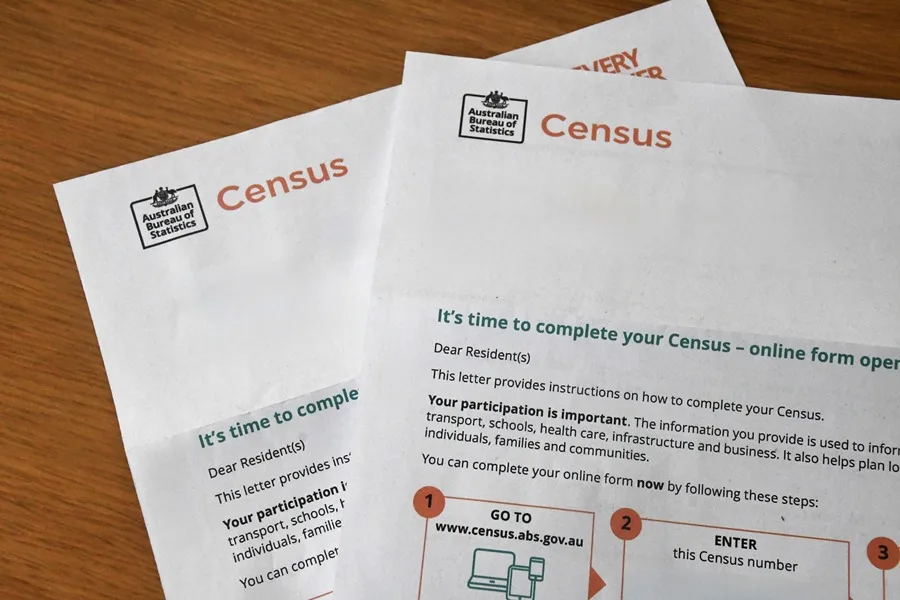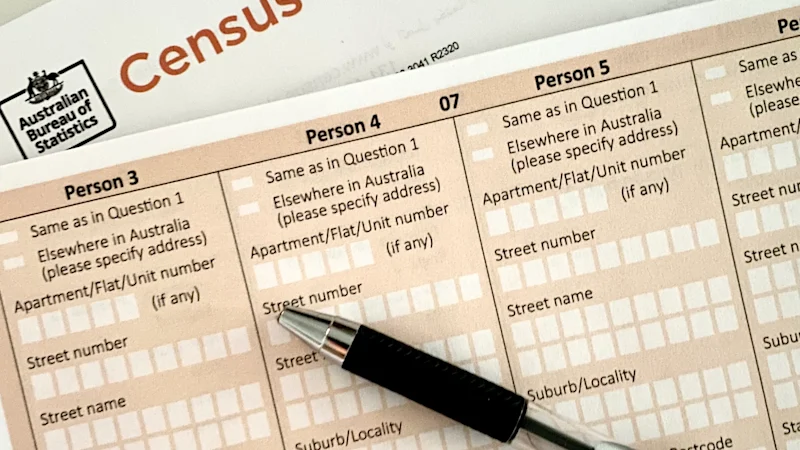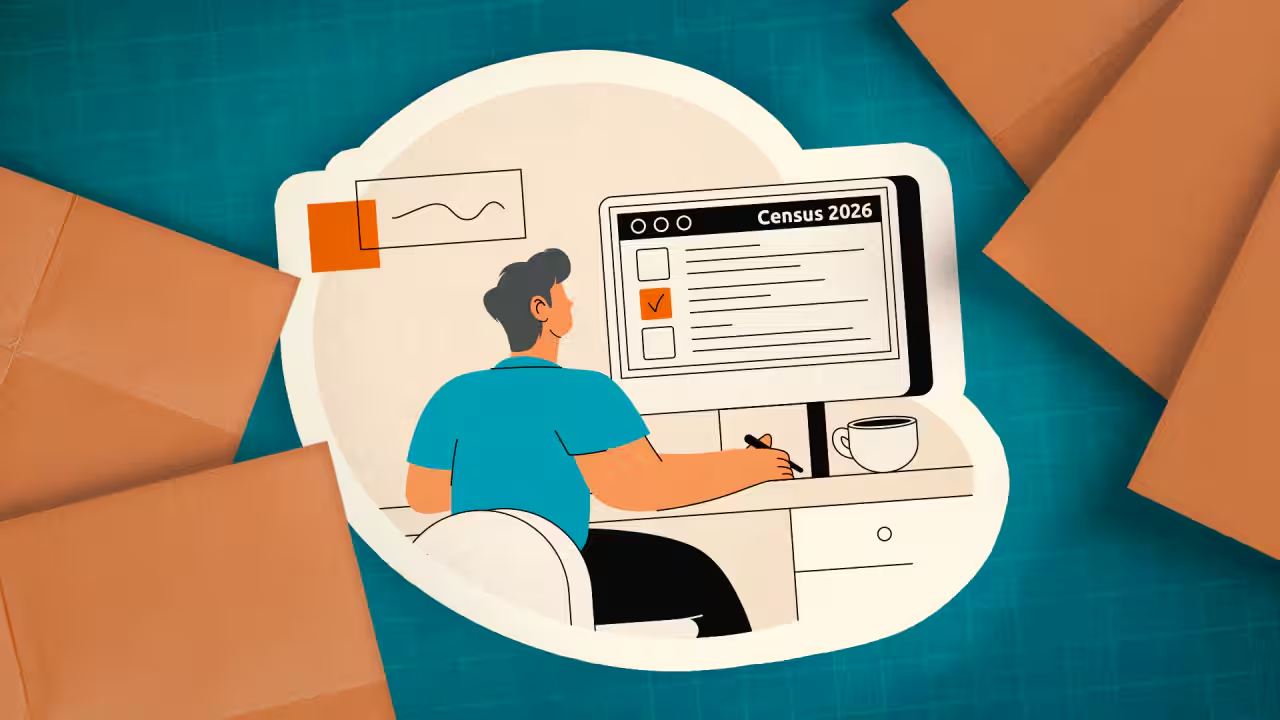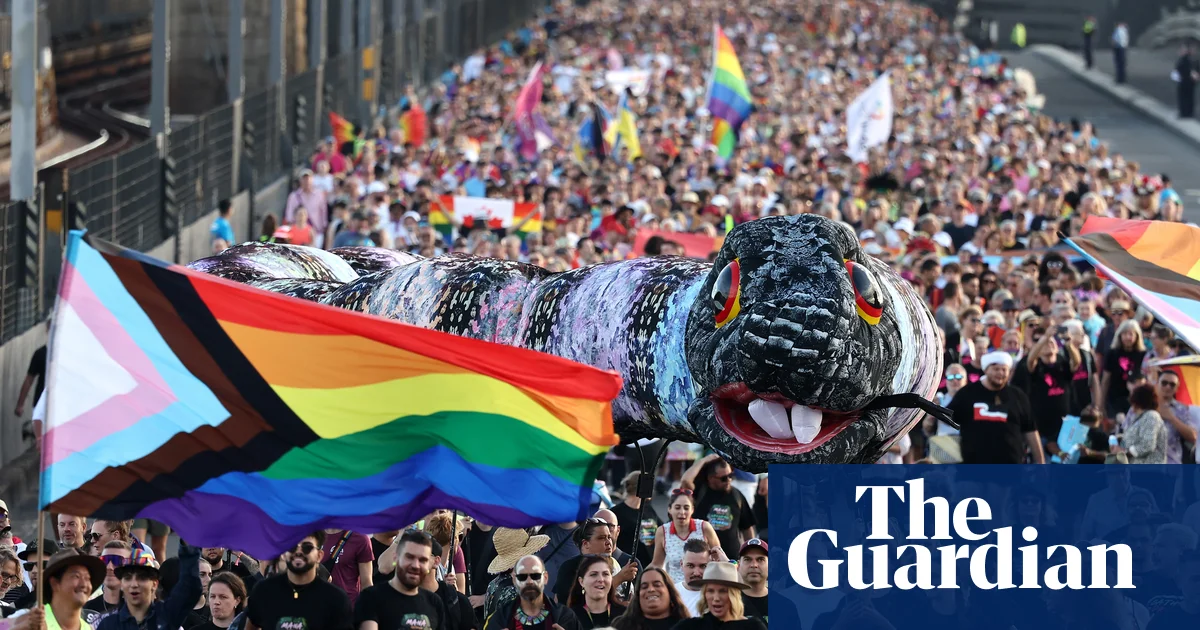
On 11 August, millions of Australians will simultaneously complete the same 66-question survey.Held every five years, the census will record important details about each person to help inform the country – including governments – about Australia’s demographics.But there are changes taking effect this year, including new questions about gender and sexuality, which one expert says will make it “probably the most progressive census Australia has ever seen”.Here are some things you should know about Australia’s 2026 census.What is the point of the census? First conducted 115 years ago, the census is a compulsory national population count that provides one of the most comprehensive snapshots of “the economic, social and cultural makeup of the country”, according to the Australian Bureau of Statistics (ABS).Collecting data on every person and household in Australia on census night, the form will ask questions about age, occupation, country of birth, religion, ancestry, spoken languages, work and education.National census spokesperson Emily Walter says the data has far-reaching implications, informing planning and strategy at all levels of government across health, education, transport, infrastructure and social services, to “support the community the way it needs to be”.“In order to effectively serve a community in terms of what it needs to exist, you need to know how many people there are, who they are and where they are,” she says.What are the new questions in the 2026 Australian census?It’s normal for questions to be updated at each census. Walter says the “incremental changes” ensure that the census is “relevant over time”.The biggest change to this year’s census is the inclusion of questions about sexual orientation, sex recorded at birth and gender.Dr Liz Allen, a demographer at Australian National University, has called this year’s set of questions “probably the most progressive census Australia has ever seen”.“Imagine being born into a body or orientation that you have absolutely no control over and yet you are forced to put yourself in a box you simply don’t fit in,” she says.“For many folks it will be the first time that they will feel like they are truly captured in all their glory in that national photograph.”However, there will be no option to record a person as intersex – in which variations in sex characteristics such as reproductive organs, chromosomes or hormones do not fit typical definitions of male or female. The ABS considered adding such a question, but it was not recommended for inclusion in this census.
Census 2026 Australia: when is the deadline, and how much will you be fined if you don’t complete it tonight?
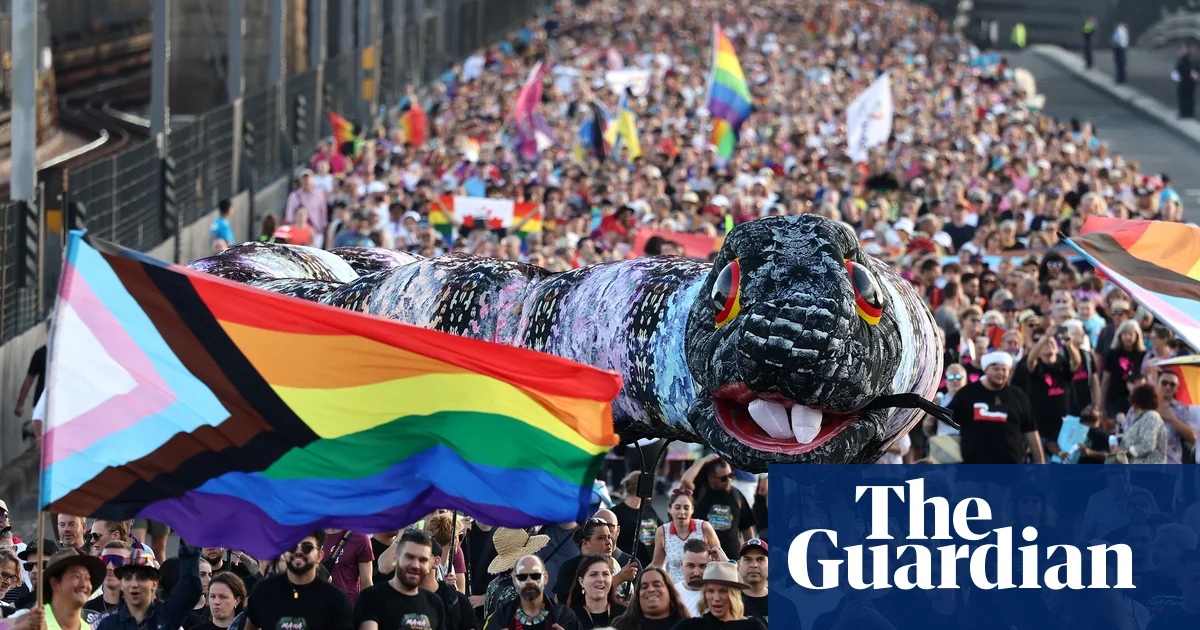
One expert says the survey, to be held on the night of 11 August, could be Australia’s most progressive, with new questions on sexuality and gender. What has changed?
856 words~4 min read