The number of Greek retailers has been steadily declining since at least the start of the financial crisis in the early 2010s, despite the subsequent recovery. Retail is also becoming increasingly concentrated, data compiled by the Hellenic Statistical Authority (ELSTAT) shows.
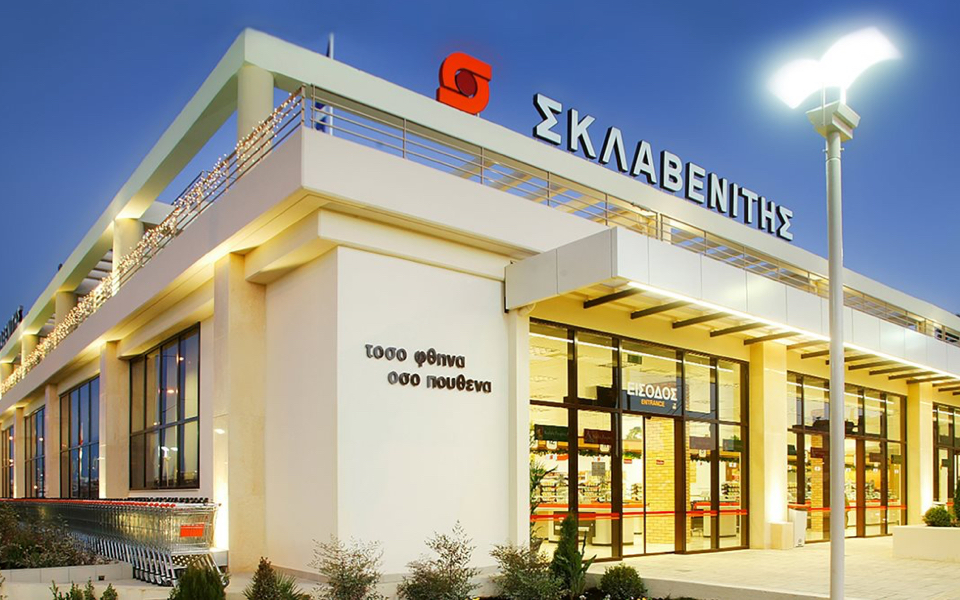
A few days ago, Greece’s largest retailer, Sklavenitis Supermarkets, announced its financial results for 2025. Its total turnover, at €6.13 billion, almost matched that of all mid-size retailers of every type. Essentially, it reached 10.25% of all Greek retail, excepting car sales.
Also recently, ITX Hellas, the subsidiary of Spain’s Inditex, which owns shops such as Zara and Bershka, announced sales of slightly over €830 million for 2025, accounting for 22% of all clothing retail sales in the country.
These are two examples of the increasing concentration in retail, which is a global phenomenon. In Greece, the successive waves of the financial crisis, the Covid-19 pandemic and the energy and supply chain crises were more than many, mostly small, retailers could handle.
In 2011, according to ELSTAT data, there were 189,404 retail businesses; in 2023, the last year with fully available data, they were down to 140,247. Taking into account the new retail businesses founded over that period, well over 50,000 shut down. It is estimated that the trend continued in 2024 and 2025.