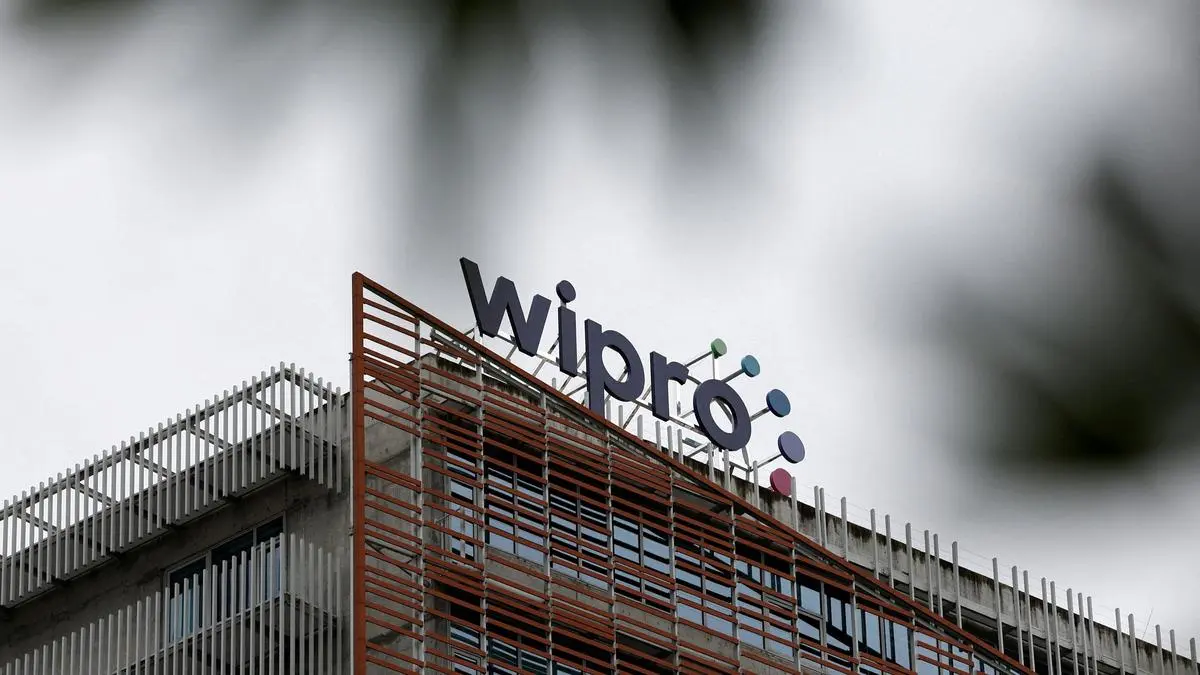
Wipro’s departure reflects a decline in its free-float market value relative to other eligible companies. Its shares have fallen 30% this year, compared with a 16% decline in the IT index, and a 6% drop in the broader benchmark.
| Photo Credit:
REUTERS/PRIYANSHU SINGH
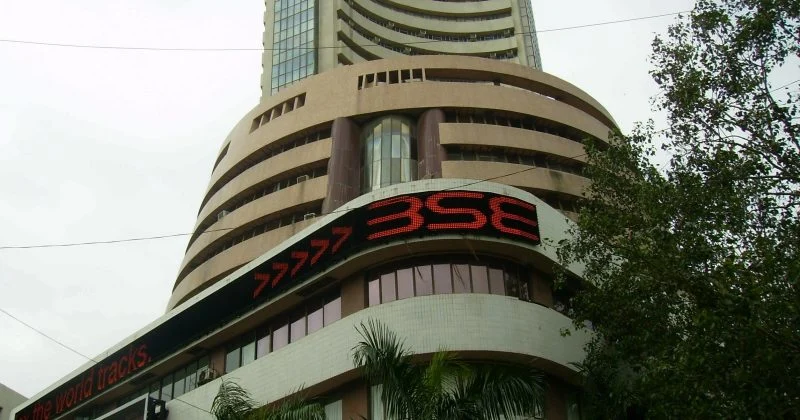
Wipro Ltd.’s exit from Nifty 50 to make way for exchange operator BSE Ltd. marks more than a benchmark reshuffle. It captures the shift from an outsourcing-led boom to one powered by the growing ranks of investors in the nation’s $5-trillion stock market.BSE will replace Wipro in the gauge from Sept. 30 as part of a semi-annual review, according to a statement from the National Stock Exchange of India on Monday. The switch comes as concerns over artificial intelligence and slowing global technology spending weigh on India’s biggest software services firms.“The symbolism is difficult to miss,” said Ponmudi R, chief executive at local brokerage Enrich Money. “One of the companies that defined India’s outsourcing boom is being replaced by a business benefiting from the financialization of Indian household savings.”The combined weight of India’s top five IT companies in the Nifty 50 has fallen below 9% this year, the lowest at least since 2002, according to data compiled by Bloomberg. The group accounted for more than a fifth of the benchmark at its peak about two decades ago. It now trails financials, which have a nearly 36% weight in the gauge, as well as consumer discretionary and energy.The retreat reflects mounting questions over an outsourcing model that for decades relied on supplying relatively inexpensive engineers to overseas corporations. Generative AI threatens to automate some of the coding, testing and maintenance work underpinning that model. Wipro’s departure will also prompt selling by funds that track the benchmark. Exchange-traded funds and index funds tracking the Nifty 50 manage assets of roughly ₹9 lakh crore ($94.3 billion). The stock is expected to see net outflows of about $149 million, according to Nuvama Wealth Management.Wipro joined the Nifty 50 in 2002, as India’s outsourcing industry was emerging as a major source of growth and foreign exchange. It was removed for few months in 2013 following the demerger of its non-technology businesses.This time, its departure reflects a decline in its free-float market value relative to other eligible companies. Wipro’s shares have fallen 30% this year, compared with a 16% decline in the IT index, and a 6% drop in the broader benchmark.“AI is a megatrend that could disrupt the business models of India-based IT companies,” S&P Global Ratings said in a report last month, expecting competition from AI-native firms to intensify over the next three years.More stories like this are available on bloomberg.comPublished on August 11, 2026