America is getting older. That much is obvious.
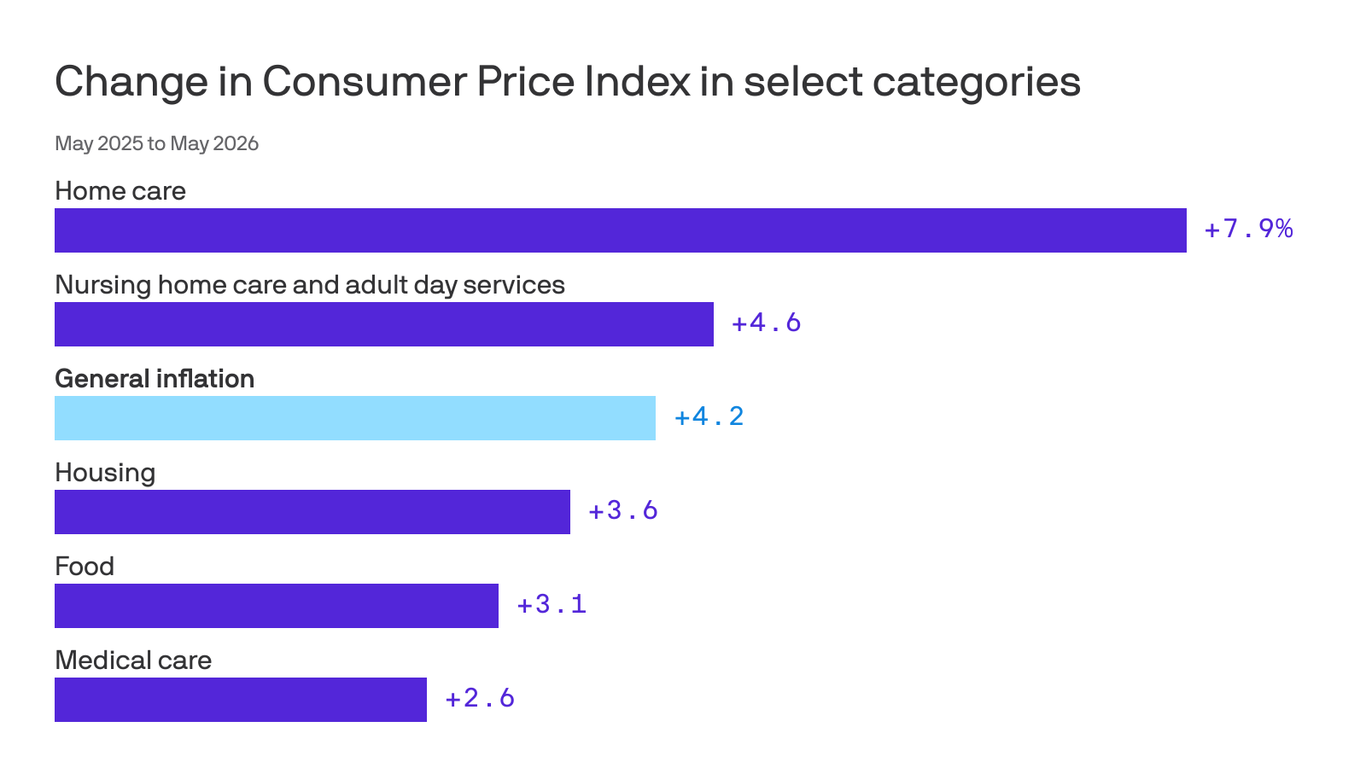
What’s less obvious—and far more consequential—is that we have failed to build the infrastructure families need to navigate aging. As a result, growing old in America is becoming an invisible tax, one paid not just in dollars, but in time, productivity, opportunity and financial security.
The burden touches nearly every family differently. But one thing is becoming increasingly clear: those with the fewest resources often bear the greatest cost.
Recent reporting from The Washington Post highlighted a troubling reality. As the Baby Boomer generation ages, the financial burden of caregiving widens wealth disparities. Families with greater financial resources are often better positioned to purchase care, access expert guidance and preserve assets for future generations. Families with fewer resources are far more likely to shoulder the burden themselves, often sacrificing income, career progression and retirement savings in the process.
That observation is important. But it points to an even larger problem.