Do you have a story? Email lettice.bromovsky@dailymail.co.uk See more Daily Mail on Google - save us as a Preferred SourceBy LETTICE BROMOVSKY, NEWS REPORTER Published: 20:50 BST, 10 August 2026 | Updated: 01:30 BST, 11 August 2026
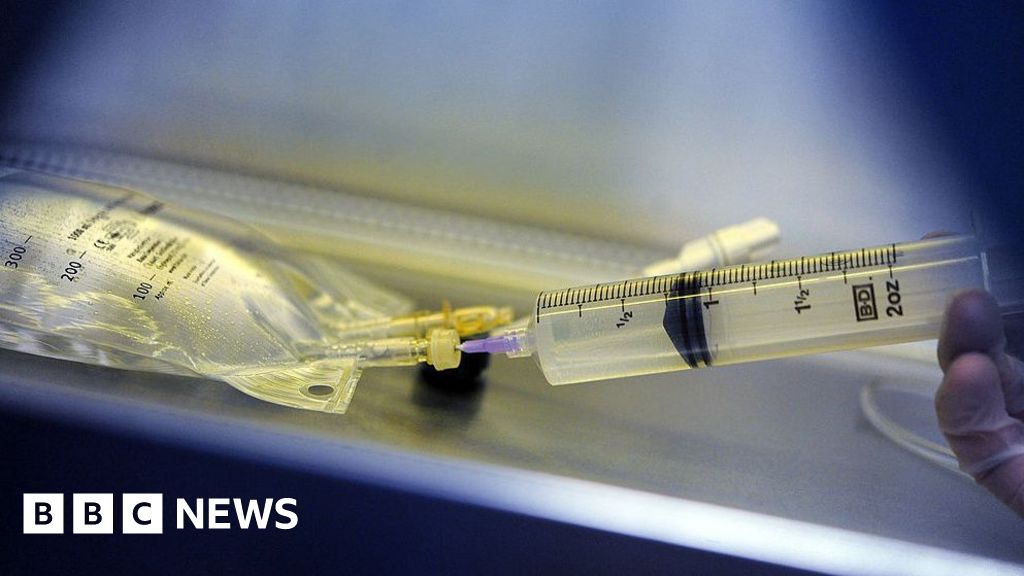
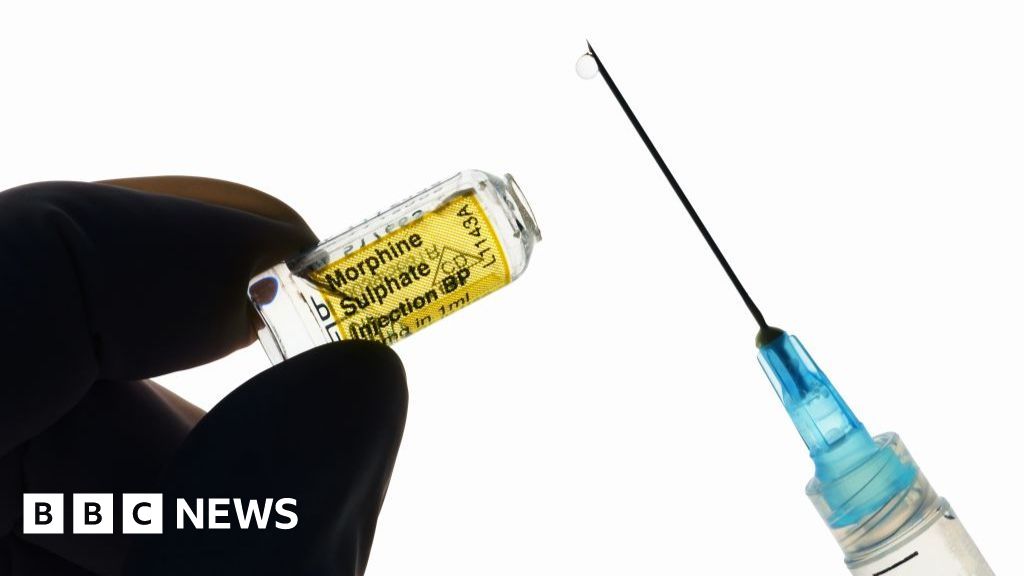
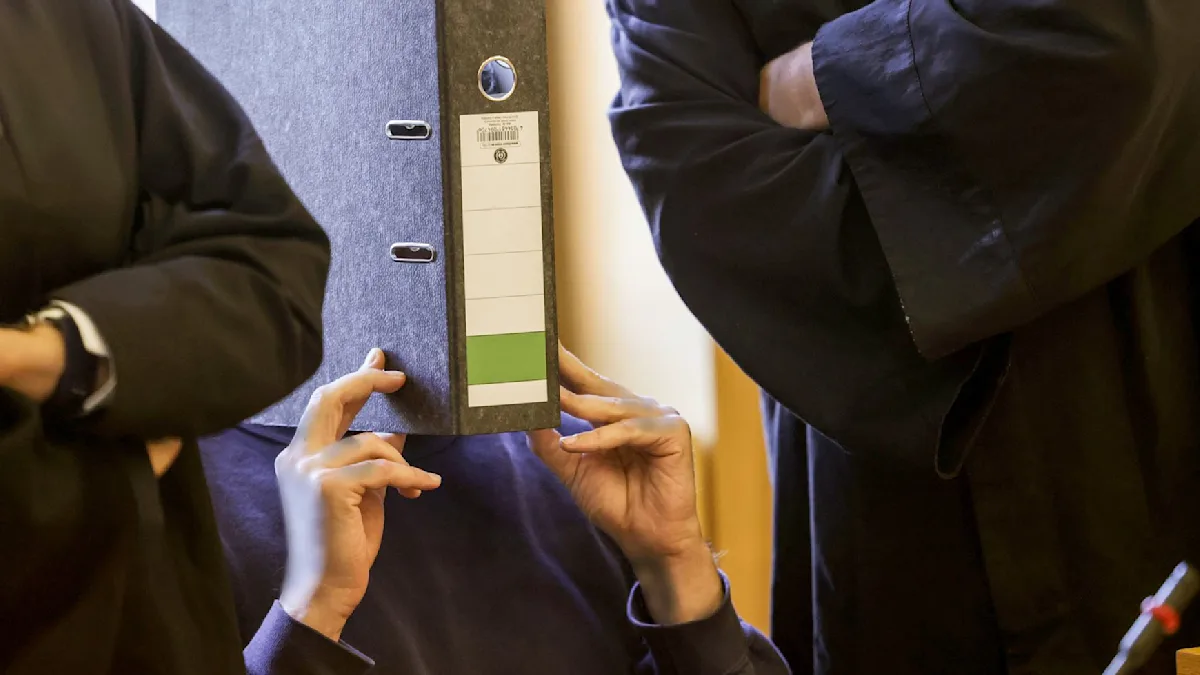
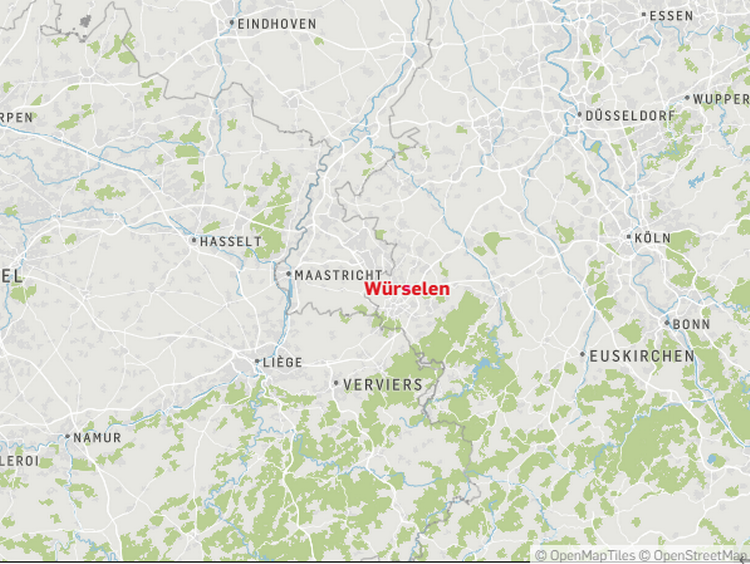
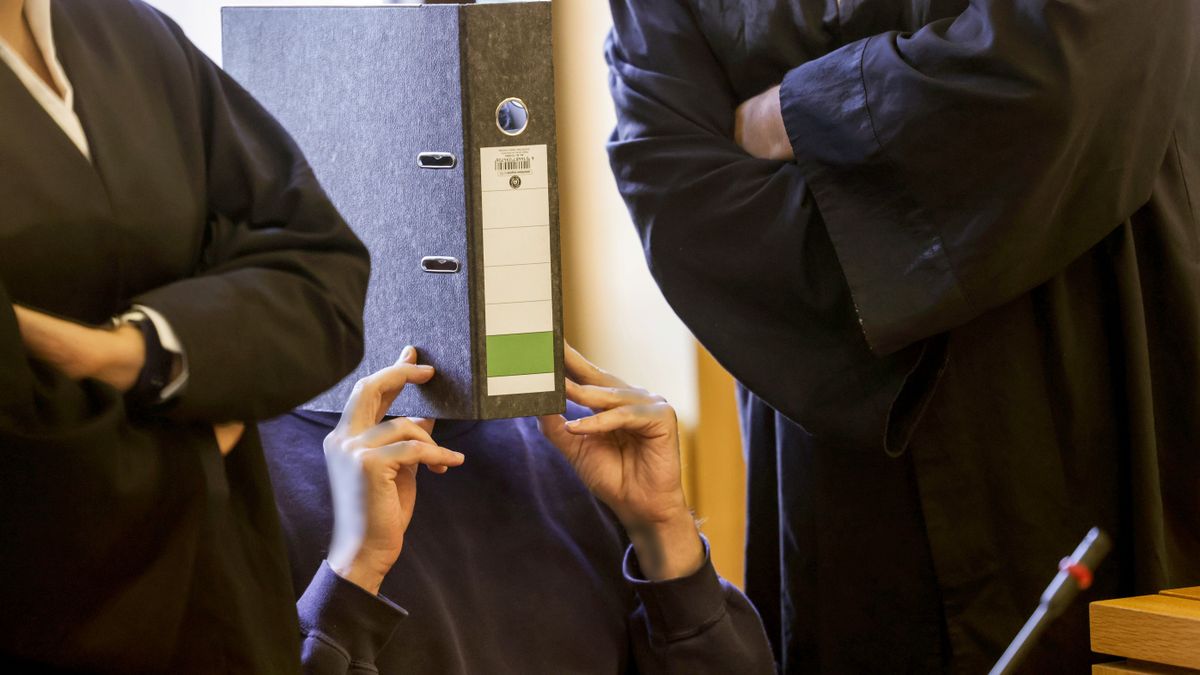
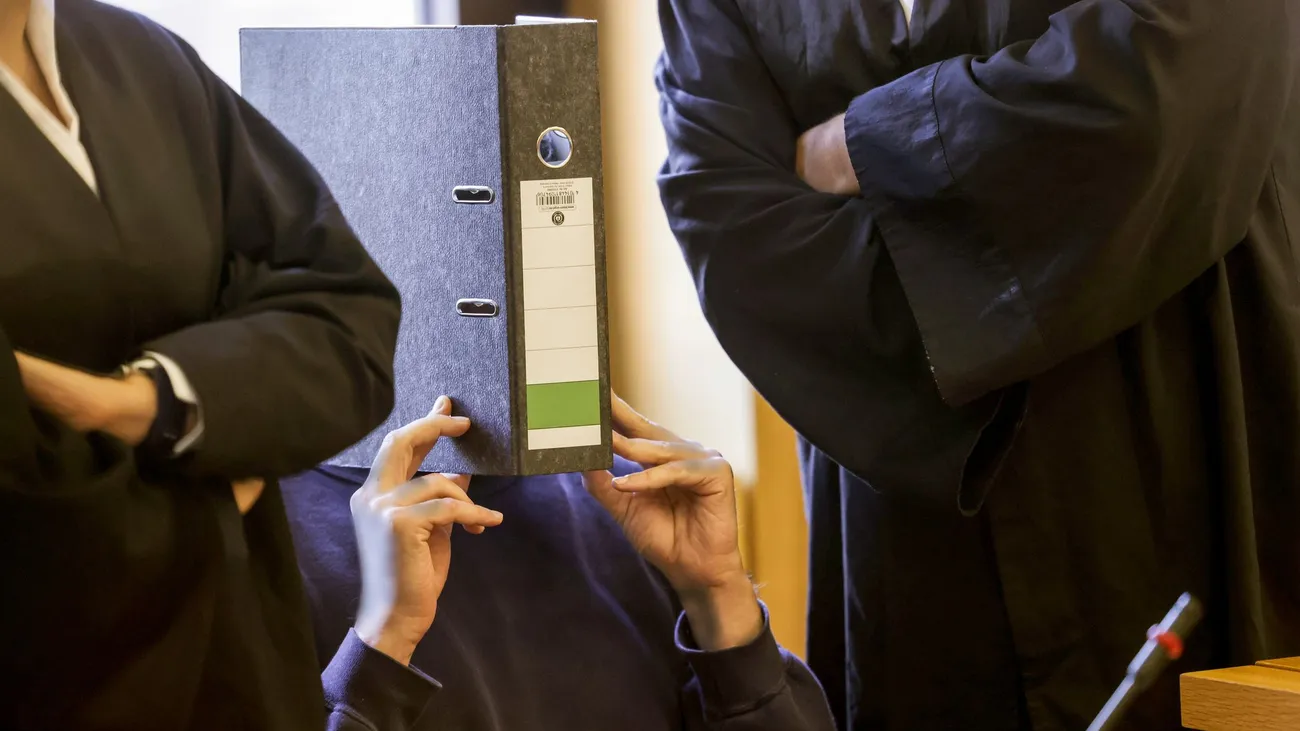
A killer nurse already serving a life sentence for murdering ten patients is being investigated over more than 100 further suspicious deaths in Germany.Prosecutors are examining 121 cases which they believe could be linked to the former palliative care nurse, who was jailed last year after being convicted of killing elderly patients with lethal doses of drugs.Almost 40 bodies have so far been exhumed as part of the sprawling investigation, with prosecutors warning that further charges could be brought against him next year.The man, identified by local media as Ulrich S., worked at a hospital in Wuerselen near Aachen, western Germany.He was sentenced to life in prison in November after being convicted of ten counts of murder and 27 counts of attempted murder.The court heard that he had deliberately given mostly elderly patients large doses of sedatives and painkillers during night shifts.Prosecutors said his motive was brutally simple – he wanted to reduce his workload and avoid having to care for patients who needed attention through the night.The original crimes took place between December 2023 and May 2024 on the palliative care ward at the Rhein-Maas-Klinikum in Wuerselen. Prosecutors are examining 121 cases which they believe could be linked to the former palliative care nurse, who was jailed last year after being convicted of killing elderly patients with lethal doses of drugs (stock)But the investigation did not end with his conviction.Aachen prosecutors are now examining 121 cases they believe may be connected to the nurse, including incidents dating back to September 2022.Nearly 40 bodies have already been exhumed so investigators can carry out further forensic examinations.In a separate investigation, prosecutors in Cologne are examining another 18 cases dating as far back as 2010.Ulrich S. is believed to have previously worked at a hospital in Cologne before moving to the facility in Wuerselen.German reports have said he worked at the Cologne-Merheim hospital for several periods between 2010 and 2020. Investigators are now looking into whether any suspicious deaths occurred during his time there. The investigation in Aachen had already expanded dramatically after the nurse's trial, with prosecutors saying there were signs that the number of potential victims could be far higher than those for which he had initially been prosecuted.The 44-year-old was found guilty of administering excessive doses of medication to patients without proper medical orders.Prosecutors said he worked 'with no motivation' or empathy for his patients.The court also found a 'particular severity of guilt', meaning he is barred from the possibility of early release that can normally be available after 15 years for someone serving a life sentence in Germany.German media reports have also revealed concerns about his previous employment in Cologne, where colleagues had raised questions about his conduct and medication practices before he eventually left the hospital. The case has raised fresh concerns in Germany about how a healthcare worker was able to repeatedly administer potentially lethal doses of medication without being detected.It also echoes the horrific case of Niels Hoegel, the nurse who was sentenced to life imprisonment in 2019 for murdering 85 patients.Hoegel, regarded as modern Germany's most prolific serial killer, killed patients by administering lethal injections between 2000 and 2005 before his crimes were uncovered.And the latest case comes amid renewed scrutiny of healthcare workers accused of deliberately killing vulnerable patients.Last month, a palliative care doctor in Berlin was sentenced to life in prison for murdering 15 people with lethal doses of sedatives.In several of those cases, he allegedly set fire to his victims' homes in an attempt to conceal the killings.He too remains under investigation over possible involvement in other deaths.