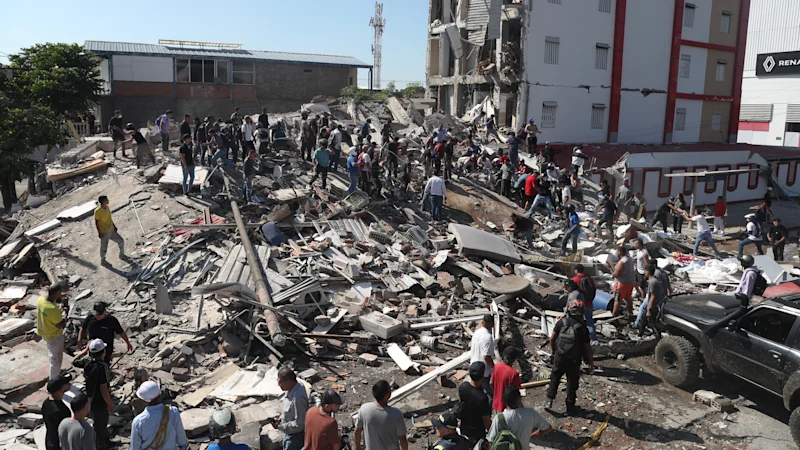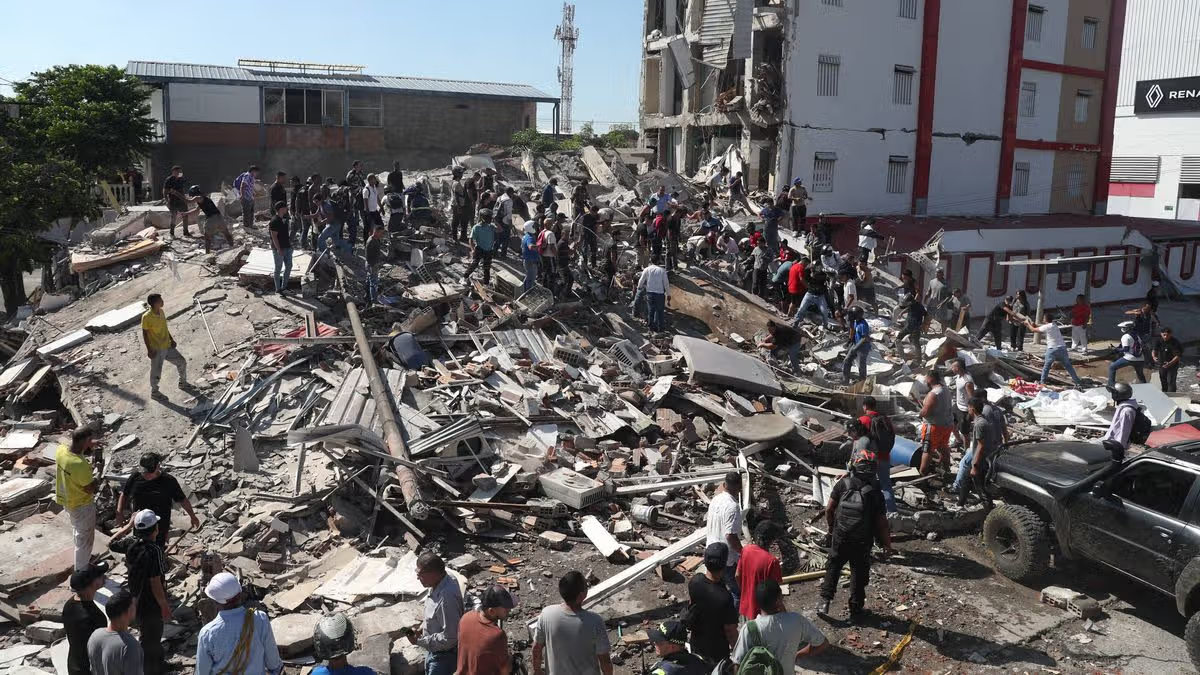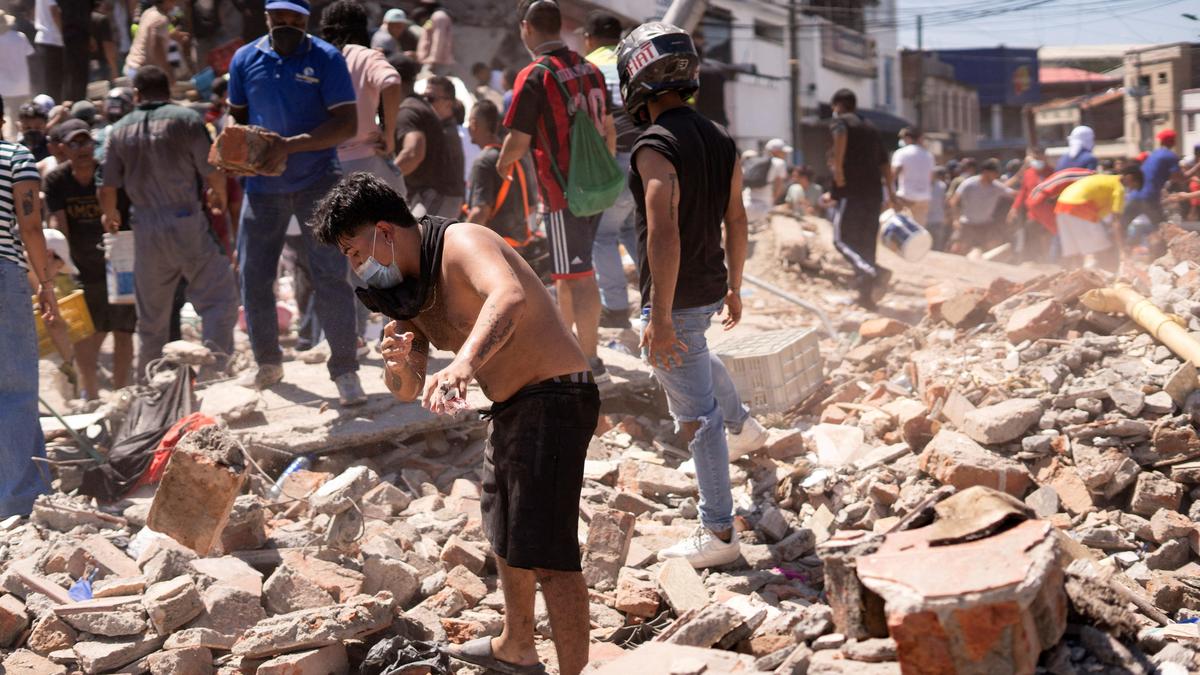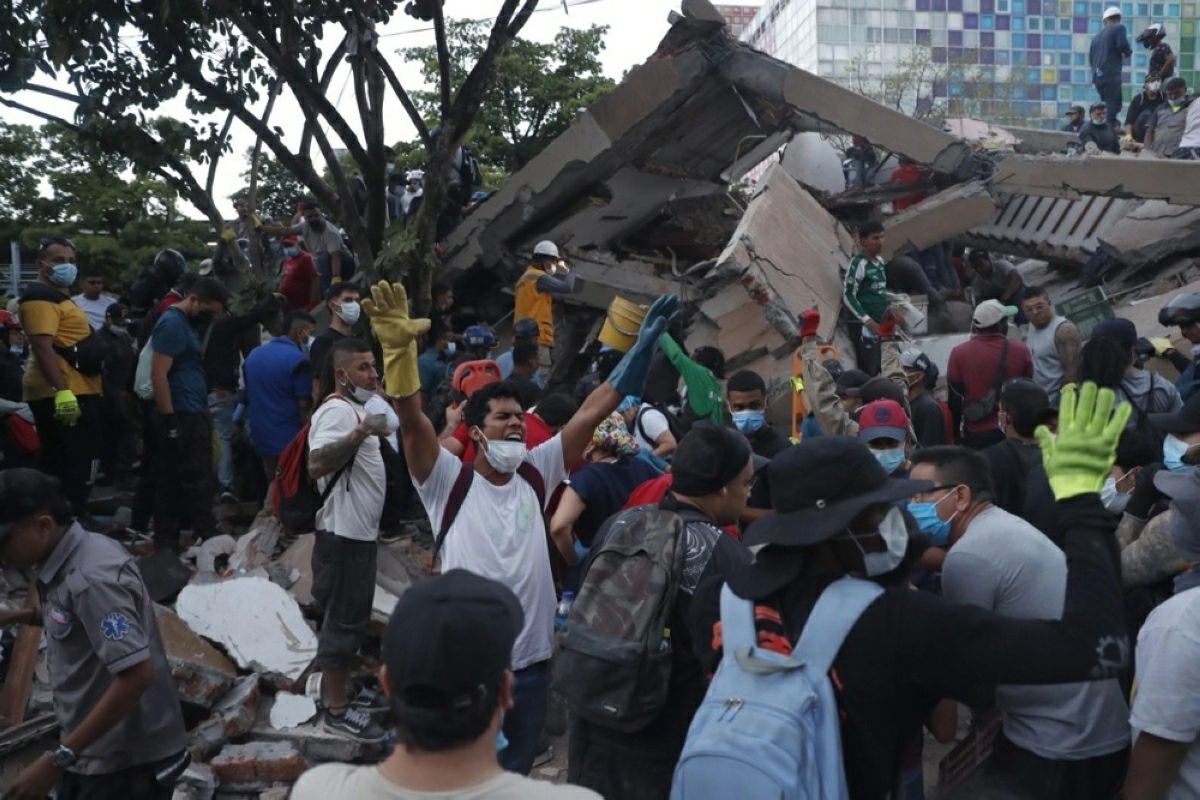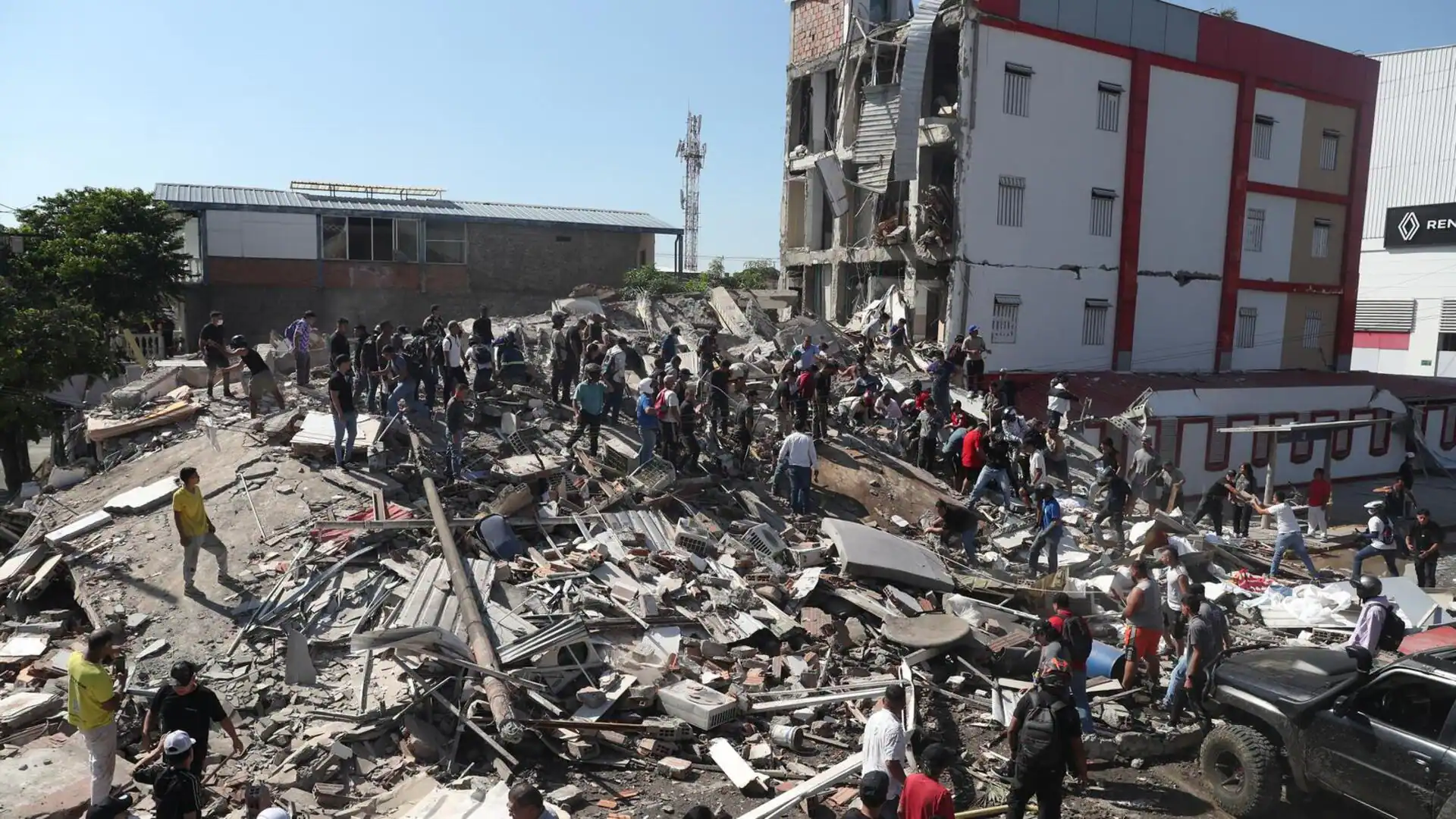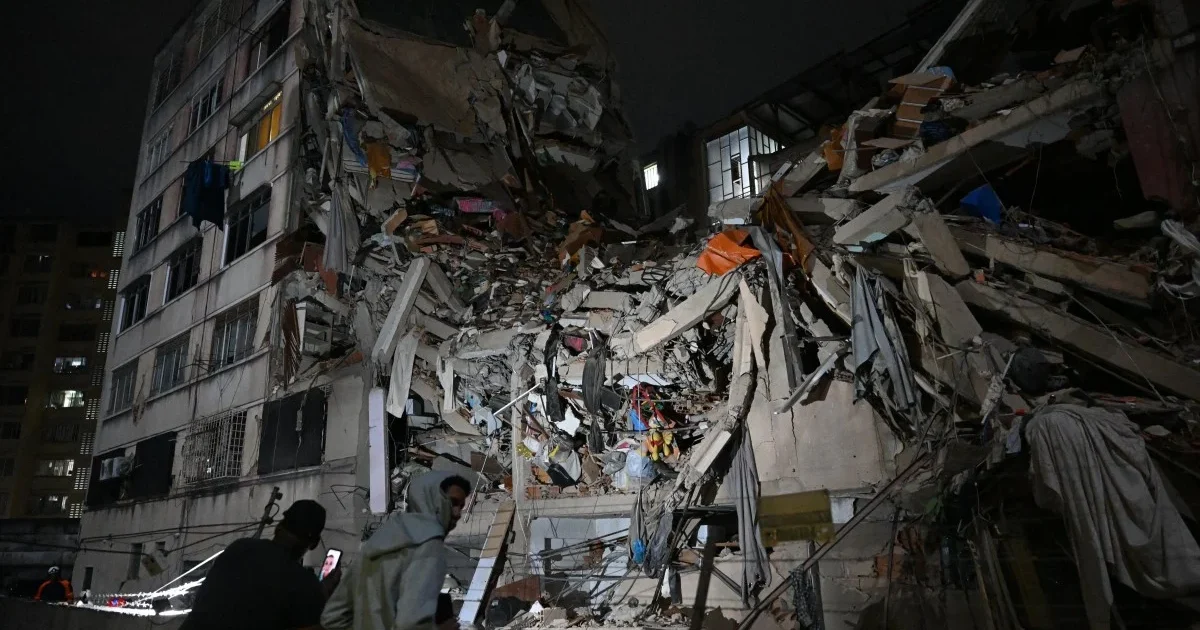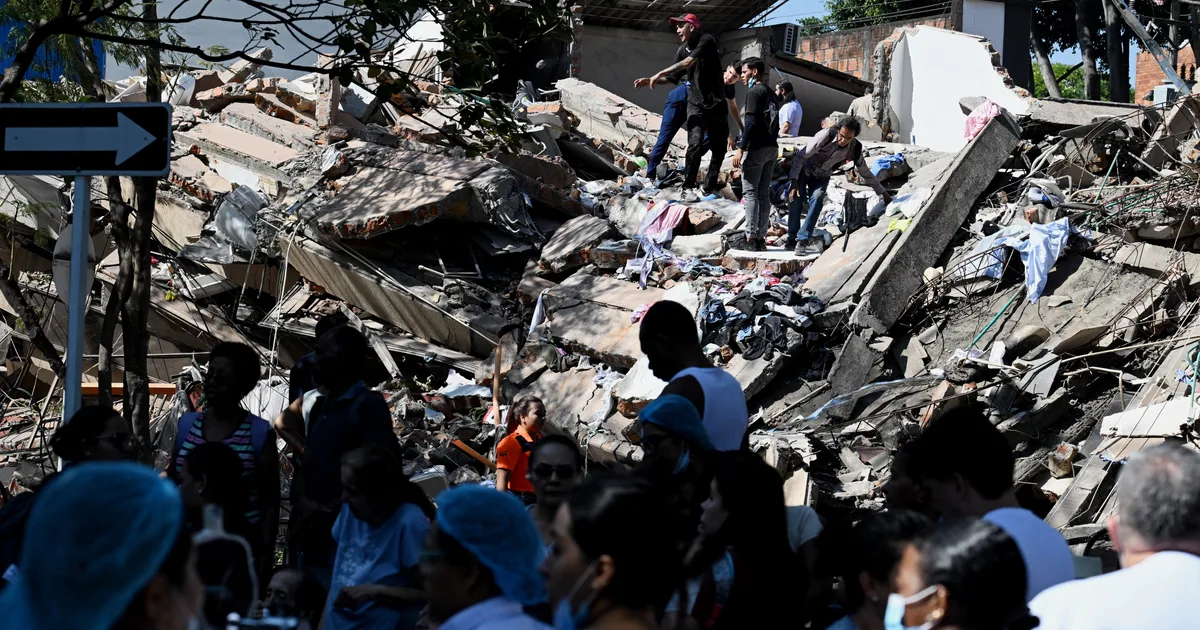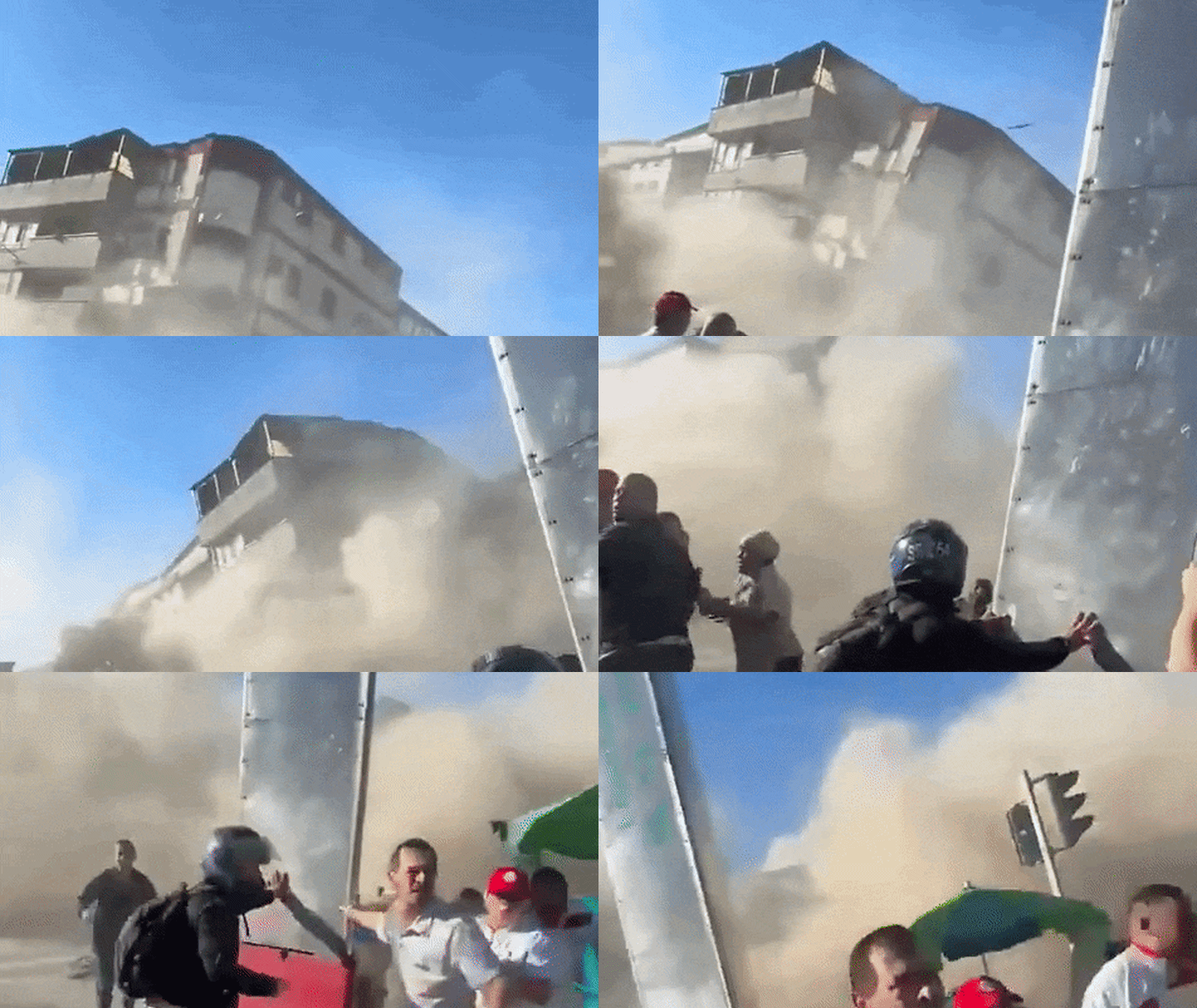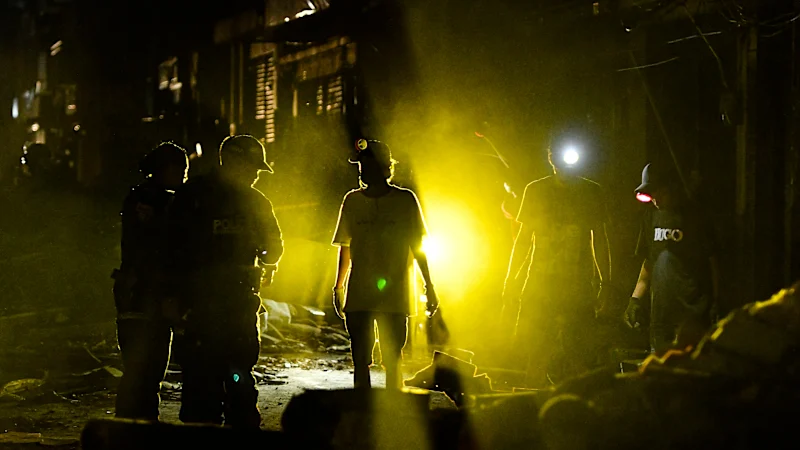
Astrid Suarez, Megan Janetsky and Juan DiazUpdated August 11, 2026 — 4:07pm,first published August 11, 2026 — 2:32amBogota, Colombia: A powerful 7.4-magnitude earthquake struck western Colombia, killing at least 132 people, destroying a hospital, damaging hundreds of buildings and leaving many trapped under debris while their loved ones and rescue workers searched through rubble.Many of the deaths were concentrated in the city of Pereira, in Colombia’s western coffee-growing region, with surrounding cities and the Valle del Cauca region also hit hard, the BBC reported.More than 480 people were injured in the quakes, Colombia’s Association of Capital Cities wrote in a statement, and the death toll is likely to rise, with many people reportedly trapped under the rubble.Colombia’s President Abelardo de Espriella, who was inaugurated only on Friday, has declared a state of emergency and pledged to personally oversee the emergency response.“We aren’t going to leave people alone. They are in our hearts, and we are going to tend to people with our full determination,” he said.Volunteers help shift debris at a collapsed building in the city Pereira, which was close to the quake’s epicentre.Getty ImagesThe president gave an initial estimate that about 1600 buildings had been damaged, including some 61 which had completely collapsed.The quake struck at 7.34am on Monday (10.34pm AEST) at a depth of 103 kilometres. Its epicentre was in San Jose Del Palmar, a community of about 4800 people in the Choco region about 400 kilometres west of the capital Bogota, the US Geological Survey said.A vehicle is crushed by debris after the earthquake struck Cali, Colombia, on Monday.AP Photo/Juan DiazThe quake ravaged other cities across western Colombia, including Quibdo, Cali and Manizales, and was also felt in neighbouring Ecuador and Panama, though minimal damage was reported there.In Cali, the country’s third-largest city, search teams and civilians picked through the remains of destroyed buildings, passing large pieces of concrete and other rubble down a long line of volunteers.Residents and rescue workers in Cali search through the rubble.AP Photo/Santiago SaldarriagaThe desperate scene brought memories of the searches still ongoing in neighbouring Venezuela weeks after that country was devastated by two powerful earthquakes.Colombia’s Geological Service said the earthquake was the strongest recorded in Colombia “in the 21st century”, and that it was followed by 21 less powerful aftershocks.While Colombia typically registers thousands of small quakes every month, Northwestern University seismologist Suzan van der Lee said the strong magnitude, an inland epicentre near soft river valleys and plate movement may have contributed to more intense damage.“This one was far below the [Earth’s] crust, and in theory, it shouldn’t cause as much shaking. At this magnitude, it did actually cause a lot of shaking,” she said. “A magnitude 7.4 is about 32 times as powerful as a magnitude 6.4.”Colombia’s Pacific region around the quake’s epicentre lies along the “Ring of Fire”, the line of seismic faults encircling the Pacific Ocean where most of the world’s earthquakes occur. The Pacific, particularly the Choco region, is one of the poorest regions in the country.Nestled in the dense jungle, much of Choco is only reachable by boat or plane, which may pose a problem for authorities in assessing the wider toll.Jorge Moncayo, a 64-year-old taxi driver in Cali, said he saw plumes of dust shoot up across the city as buildings collapsed. Residents and rescue workers were searching the rubble for survivors.“My entire house shook. I’ve never lived through such a powerful earthquake,” he said. “We’re thanking God we’re alive.”The rescue effort in Cali.AP Photo/Santiago SaldarriagaLocal authorities said the death toll included at least 40 people who were killed in the Risaralda region, where the hard-hit city of Pereira is located, as well as 27 people in the Valle del Cauca region, where Cali is located, including three children.Authorities also confirmed nine people killed in Choco, two in the Caldas region and a 73-year-old in the Antioquia region. It was not immediately clear where the other 32 people died.The New York Times quoted the region’s governor, Dilian Francisca, saying that one hospital had collapsed, another had been overwhelmed with victims and that patients had been evacuated from a third hospital.Authorities said flights were suspended at the airports of Manizales, Quibdo, Armenia, Cartago, Buenaventura and Pereira as they assessed damage.The earthquakes left many in the Andean nation unnerved after two back-to-back quakes devastated neighbouring Venezuela in late June, destroyed hundreds of buildings and killed more than 5000 people.Little was known about the extent of the damage in Choco, a remote region where officials reported dozens of injured people and damaged buildings, but few other details. Phone signals were out in many parts of the region’s capital, Quibdo. The town closest to the earthquake’s epicentre, San Jose del Palmar, has no airport and is located on top of a mountain ridge along a highway linking the cities of Cali and Pereira.In Pereira, photos and videos published by local media showed pieces of the airport ceiling falling on people taking shelter, who were screaming.In the city, people were shown running through rubble and plumes of dust. Pereira Mayor, Mauricio Salazar, told a local radio station that more people were trapped under “a massive quantity of collapsed buildings”.A rescue worker searches for survivors.Santiago SaldarriagaIn nearby Manizales, one of the towers of the neo-Gothic cathedral collapsed and fell on the nave. Mayor Jorge Eduardo Rojas asked residents to stay outside in case of aftershocks.Police look at a building damaged after an earthquake struck Colombia.AP Photo/Vladimir EncimaIn Cali, a city of 2 million people, Mayor Alejandro Eder said that residents were trapped in at least 19 buildings that had collapsed.Small earthquakes, known as “temblores”, are common in central and western Colombia, but those with magnitudes higher than 6.0 are rare. In 1999, a 6.2-magnitude quake near the city of Armenia killed more than 1100 people.Patients evacuated from a hospital in Cali.Santiago SaldarriagaThe earthquake presents the first major challenge to De la Espriella, a Trump ally who was only sworn in as president over the weekend. Messages of support have rolled in from other leaders in the region, including Mexico, Brazil, Ecuador, El Salvador and the United States.“The Trump administration is closely monitoring the large earthquake that struck Colombia and stands ready to support the people of Colombia,” US Secretary of State Marco Rubio wrote in a post on X.A number of countries offered aid, and UN deputy spokesman Farhan Haq said, “We stand ready to help as needed.”Reuters, APGet a note directly from our foreign correspondents on what’s making headlines around the world. Sign up for our weekly What in the World newsletter.From our partners
At least 132 people killed, many trapped as powerful earthquake hits Colombia
Rescuers are scrambling to find survivors after the 7.4-magnitude quake collapsed at least 61 buildings, including a hospital, and damaged some 1600 others.
1,095 words~5 min read