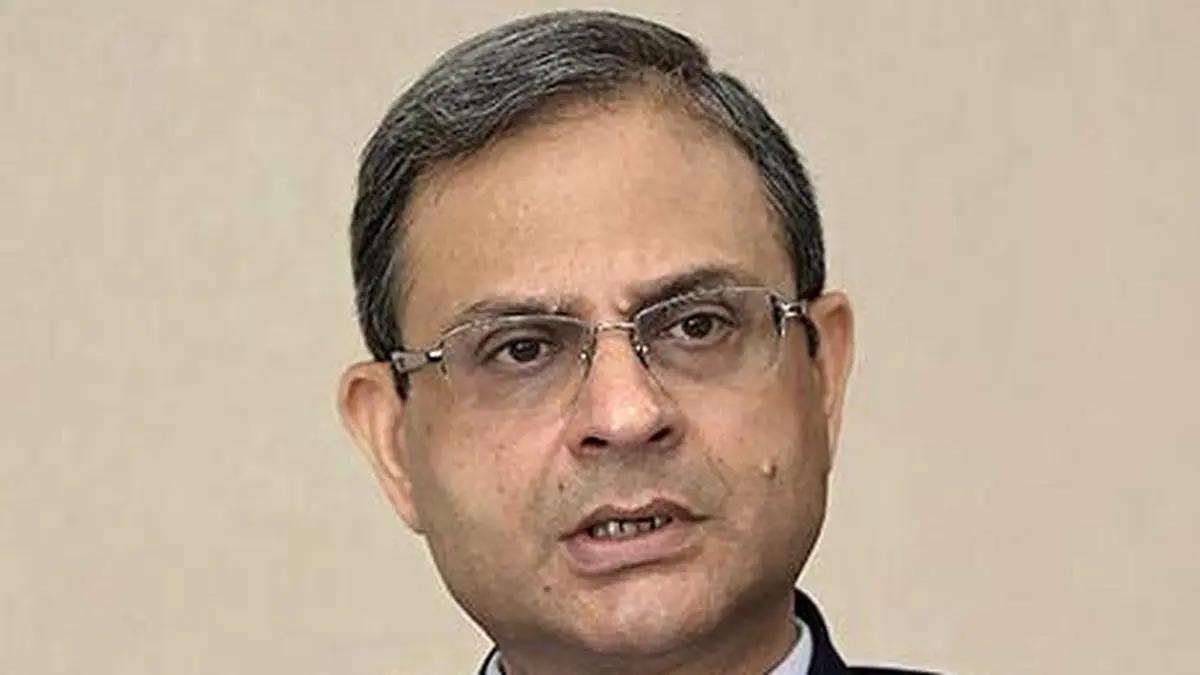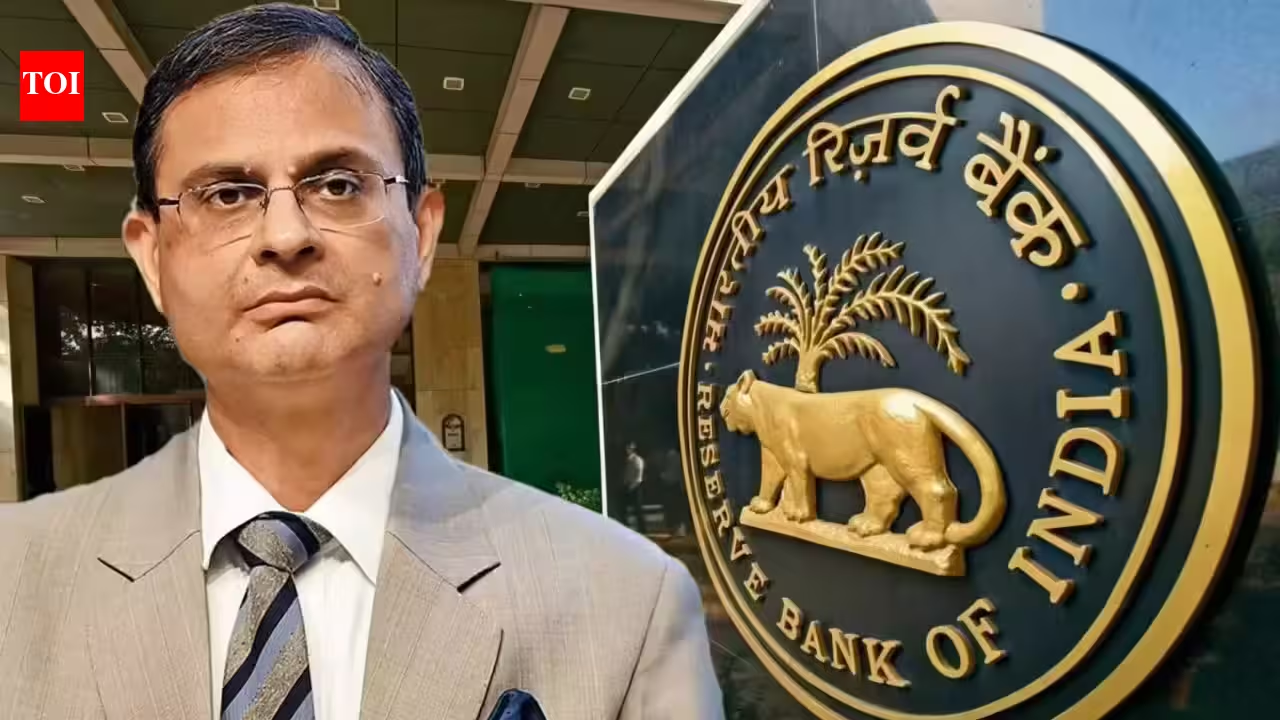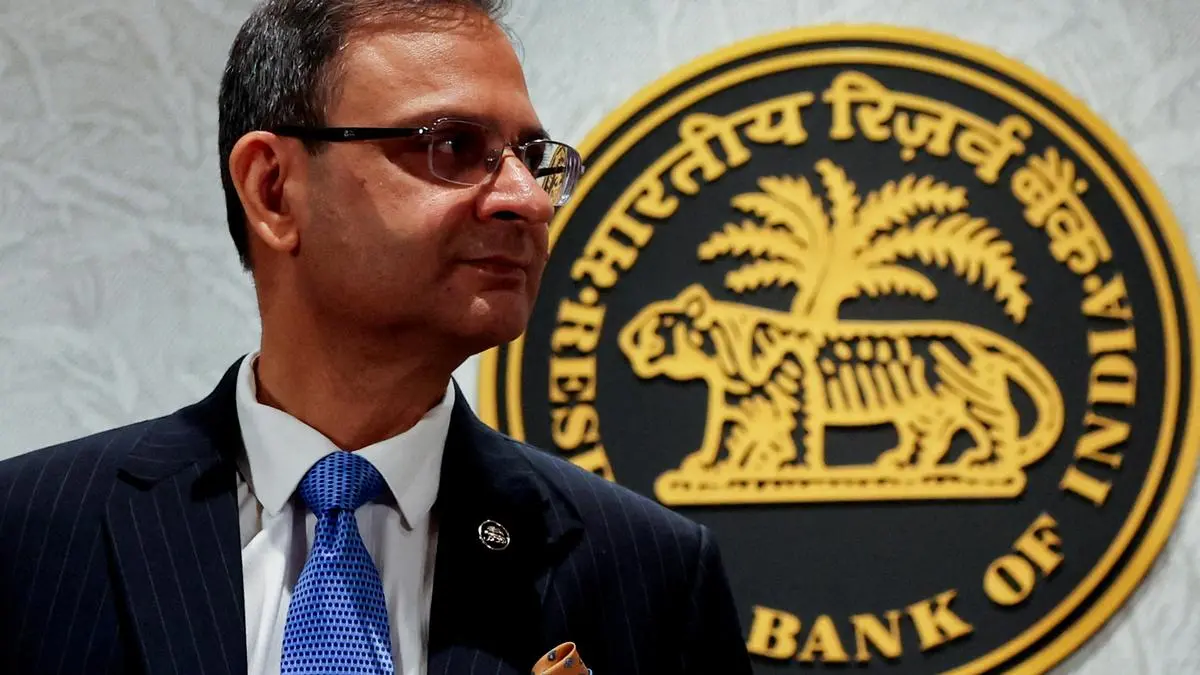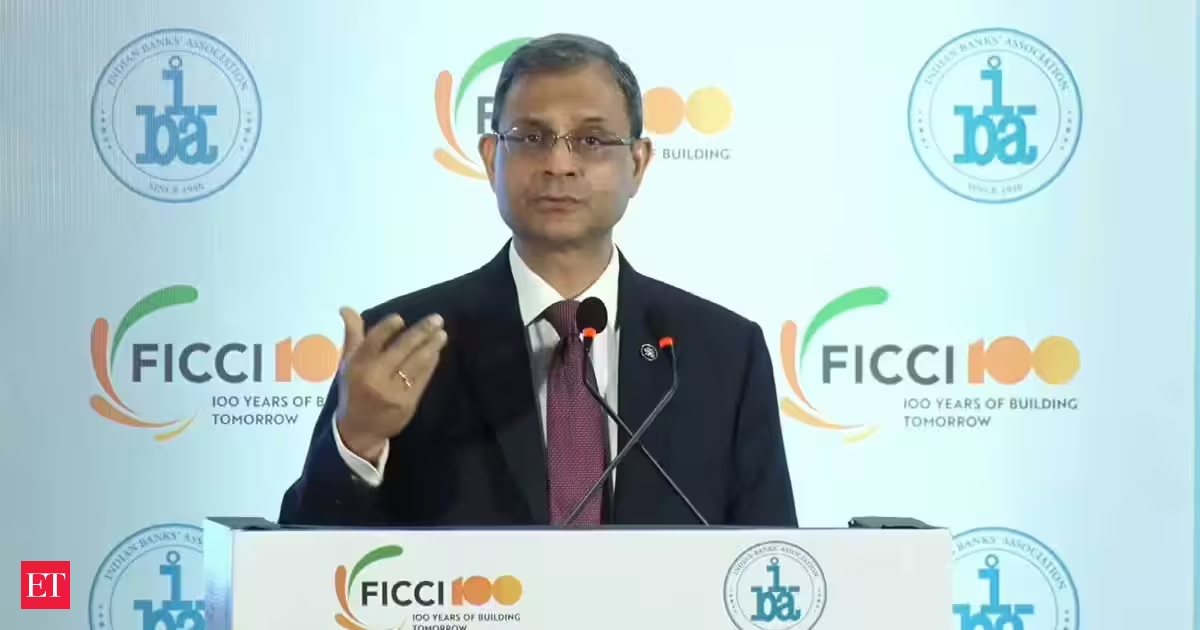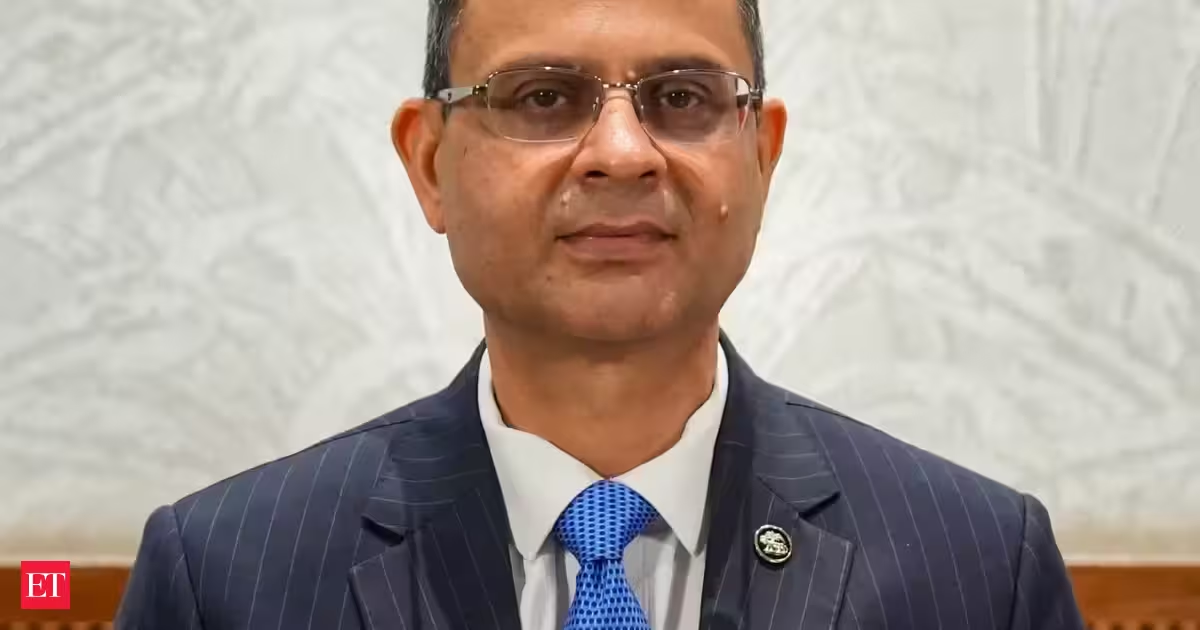
Banks that succeed in the AI era will not necessarily be those that adopt the technology fastest or most extensively, but those that understand what they are deploying and maintain clear accountability for its outcomes, RBI Governor Sanjay Malhotra said on Tuesday.Speaking at the FIBAC 2026 conference on Tuesday, the central bank chief emphasized that adopting AI requires a complete transformation in how institutions evaluate risk, serve customers, price capital, and organize operations."Doing business, doing banking, and so on, requires a total change in mindset," Malhotra said. "It's a shift in how we evaluate risk, serve customers, price capital, organize institutions. Happy to know many of the banks are already doing it. Some of you are considering doing it."He added, "The only question now before us is whether you shape the AI journey or you let it shape you by default."Highlighting India's strategic position, the Governor noted that the nation stands at a unique vantage point to leverage artificial intelligence due to its robust public digital infrastructure."We in India stand at a unique vantage point to leverage AI. We have the most advanced public digital infrastructure, whether it is Aadhaar, UPI, DigiLocker, ONDC," Malhotra stated. "We are trying to build and improve and expand the unified lending interface, the account aggregator. These are all public goods on top of which the private sector can build AI because it has the potential to do for financial judgment what UPI did for financial transactions."Reflecting on past technological shifts, Malhotra observed that while historical innovations multiplied physical power and connectivity, artificial intelligence directly multiplies intelligence. He noted that tasks like computer coding, once considered complex, have now become routine as focus shifts toward intelligence applications.Revisiting priorities outlined at the previous year's conference, Malhotra reported significant progress across key regulatory areas, including financial stability, customer centricity, ease of doing business, and reducing intermediation costs.He confirmed that banks remain on track to implement applicable Basel III guidelines starting from the beginning of the next financial year under the provided glide path. The central bank has also finalized frameworks for credit risk capital, expected credit loss, project finance, related party transactions, and dividend policy, supported by enhanced supervisory mechanisms.
RBI Governor Malhotra outlines which Indian banks will win the AI era
RBI Governor Sanjay Malhotra said banks that succeed in the AI era will be those that understand the technology they deploy and maintain clear accountability for its outcomes, rather than simply adopting AI faster. Speaking at FIBAC 2026, he said AI will reshape risk assessment, customer service, capital pricing and banking operations, while Indias digital public infrastructure provides a strong base for AI adoption.
TL;DRAI
RBI Governor Malhotra: banks winning the AI era aren't fastest adopters but those maintaining accountability and understanding their deployment. AI governance frameworks, not speed-to-market, determine competitive edge, demanding organizational accountability and risk-management transformation.
363 words~2 min read