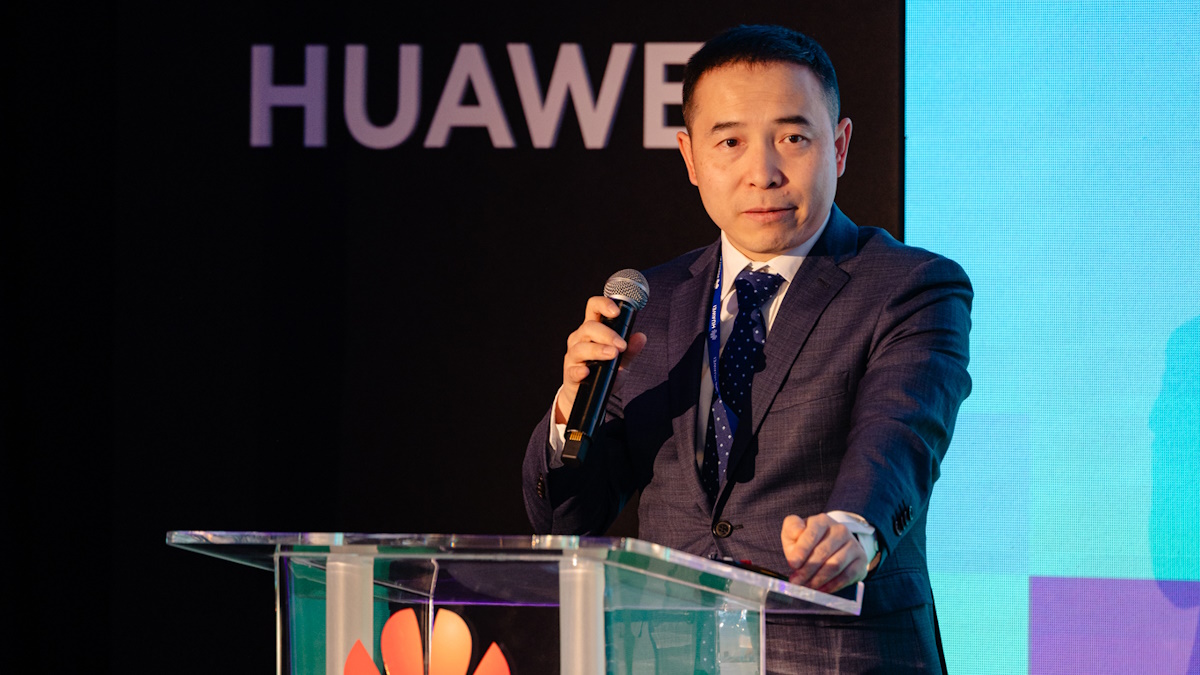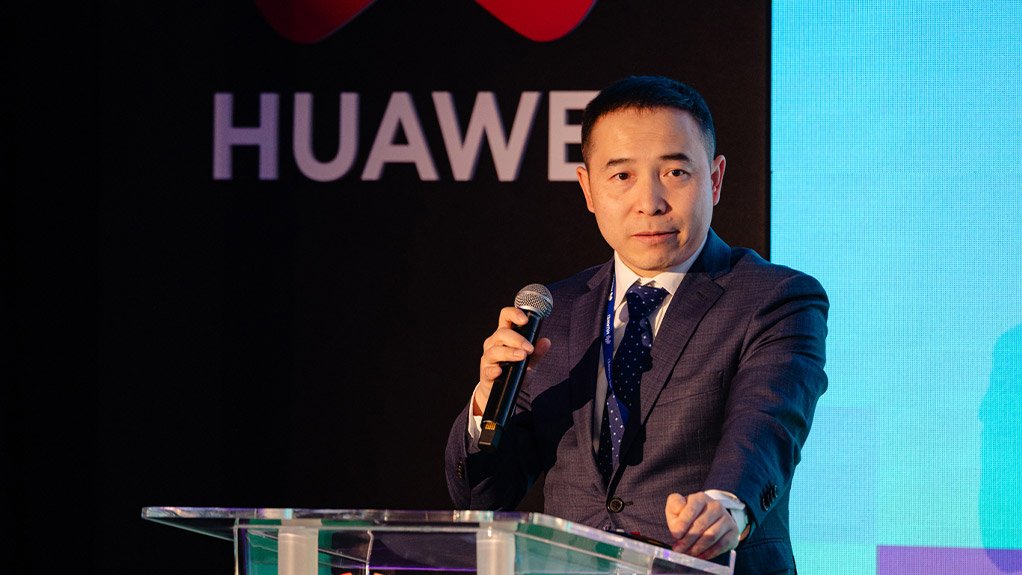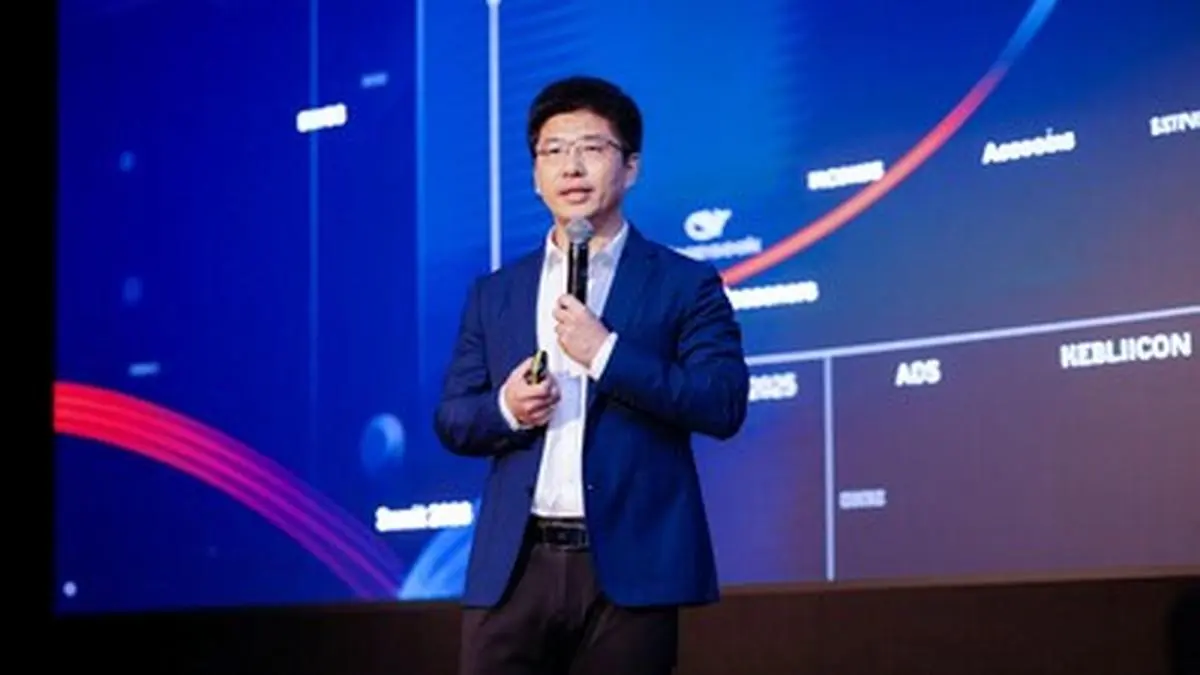
Huawei South Africa brought together mining companies, technology partners and university researchers at Huawei South Africa Connect 2026 to discuss the shift from connected operations to intelligent mining. The discussion focused on the technologies needed to support that transition, including private wireless networks, underground Wi-Fi Mesh, optical fibre sensing, edge computing, intelligent video, robotics, data governance and digital twin platforms.Participants agreed that safety, productivity, energy efficiency, asset reliability and sustainability remained the industry’s priorities. They also agreed that artificial intelligence (AI) would deliver value only when mines combined strong digital infrastructure with trusted operational data and experienced implementation partners.Connectivity becomes the operational foundationHuawei outlined an approach that matches connectivity to different mining environments. In open-pit operations, private 5G can support mobile equipment, video communications, vehicle and equipment monitoring, remote operations and high-volume data transmission without recurring public-network data charges. For underground mines, Wi-Fi Mesh can extend connectivity into changing working areas where fixed fibre deployment is difficult or vulnerable to blasting activity.The company also highlighted optical-fibre sensing as a way to extend perception beyond conventional communications. Distributed fibre sensing can be used for perimeter intrusion detection and for continuous acoustic monitoring of conveyor idlers. Because the fibre itself acts as a continuous sensor, mines can detect unusual vibration or sound patterns and identify potential faults earlier, shifting maintenance from scheduled inspections to condition-based maintenance.Together, these technologies allow mines to move beyond connectivity by turning operational data into faster decisions and measurable business outcomes.AI must begin with mining value, not technology fashionThe roundtable explored practical AI applications already relevant to Southern African mining. These included conveyor-belt inspection, oversized-material detection, equipment-health monitoring, perimeter protection, personal protective equipment detection, driver-fatigue monitoring, predictive maintenance and automated operational reporting.Computer vision was highlighted as a practical starting point because many mines already have extensive CCTV networks. Edge AI can analyse existing camera feeds to identify unsafe behaviour and equipment issues, including conveyor belt damage. The real challenge is how to turn operational data into safer working conditions and measurable gains in productivity— Huawei Sub-Saharan Africa oil and mining business director Charlie LiLarge language models could also help employees search operating procedures and maintenance manuals using natural language before generating reports or summaries.“Connectivity is the starting point, not the goal. The real challenge is no longer how to connect equipment on a mine. It is how to turn operational data into safer working conditions and measurable gains in productivity,” says Huawei Sub-Saharan Africa oil and mining business director Charlie Li.“That happens when mining companies and technology partners build the digital foundations together, and when AI moves from trials into everyday operations,” he says.Robotics links research with underground safetyThe University of Pretoria presented research into quadruped and humanoid robots for underground mining. The university’s Dr Gang Yu described potential uses including routine inspection, post-blast assessment, equipment handling, emergency response and data collection in hazardous or GPS-denied areas.Dr Gang Yu presents the University of Pretoria’s robotics and AI research for underground mining applications. (Huawei) The research programme is designed to test robotics as a use case rather than simply deploying robots underground. Its focus includes underground mobility, remote and semi-autonomous operation, sensor integration, AI-enabled perception, workflow integration, cybersecurity and ethical readiness. A proposed proof of concept at South Deep Gold Mine in Westonaria, Gauteng, would assess whether robotic platforms can operate reliably in deep-level conditions while reducing human exposure and strengthening real-time operational control.Digital twins provide a common operational viewBCX, one of Africa’s largest systems integrator and digital transformation partners for enterprises and the public sector, demonstrated a digital twin platform that brings together data from IoT sensors, CCTV, PLCs, SCADA, MES and other operational systems in a single two- or three-dimensional view. Rather than replacing existing systems, the platform brings their data together through a single interface.Shamith Maharaj presents BCX’s mining digital twin solution, transforming operational data into actionable insights and smarter decisions. (Huawei) The demonstration showed how a mine could visualise production data, energy and water use, personnel and vehicle locations, environmental readings, equipment status, alarms, and surveillance feeds in one operational view. Open interfaces and low-code integration were presented as important for reducing the cost and complexity of connecting diverse mining technologies.The platform could support faster decision-making, personnel tracking, threshold-based alerts, maintenance planning and future mine expansion. Speakers noted, however, that digital twins were only as effective as the quality of the data and integration behind them.The discussion concluded that connectivity was only the starting point. The real value came from turning trusted operational data into practical AI applications that improved safety and productivity.For more information, visit the Huawei website or follow on Facebook, X, LinkedIn and YouTube.This article was sponsored by Huawei.
From connected to intelligent mines: South Africa’s next transformation
SPONSORED | Huawei brought industry leaders, researchers and technology partners together to explore how AI, trusted data and digital twins can unlock safer, smarter operations
TL;DRAI
Huawei South Africa outlined intelligent mining transformation combining private 5G, Wi-Fi Mesh, fiber-optic sensing and edge AI for predictive maintenance. AI success in mission-critical operations requires strong digital foundations, trusted operational data and experienced implementation partners—not technology selection alone.
777 words~4 min read