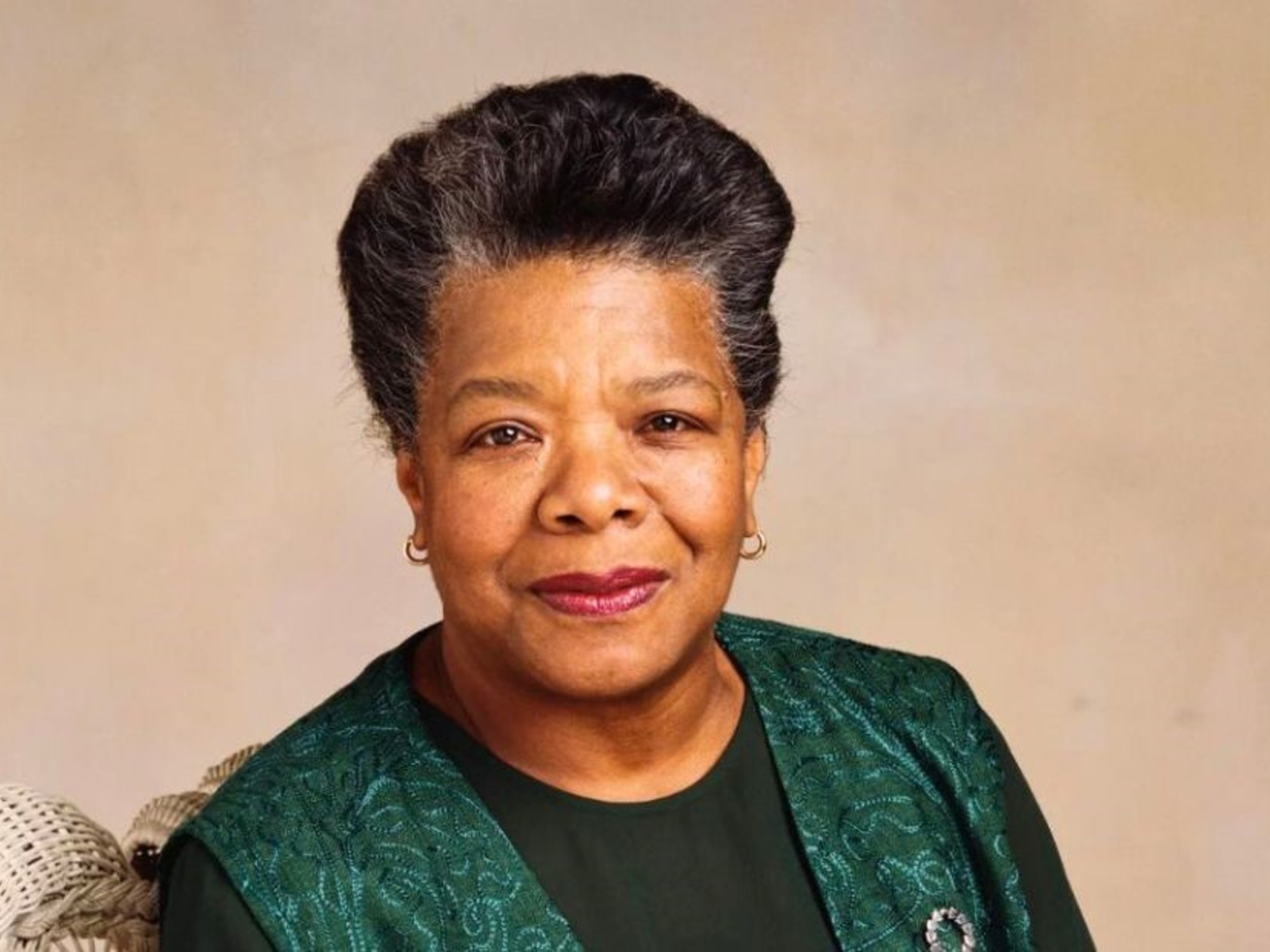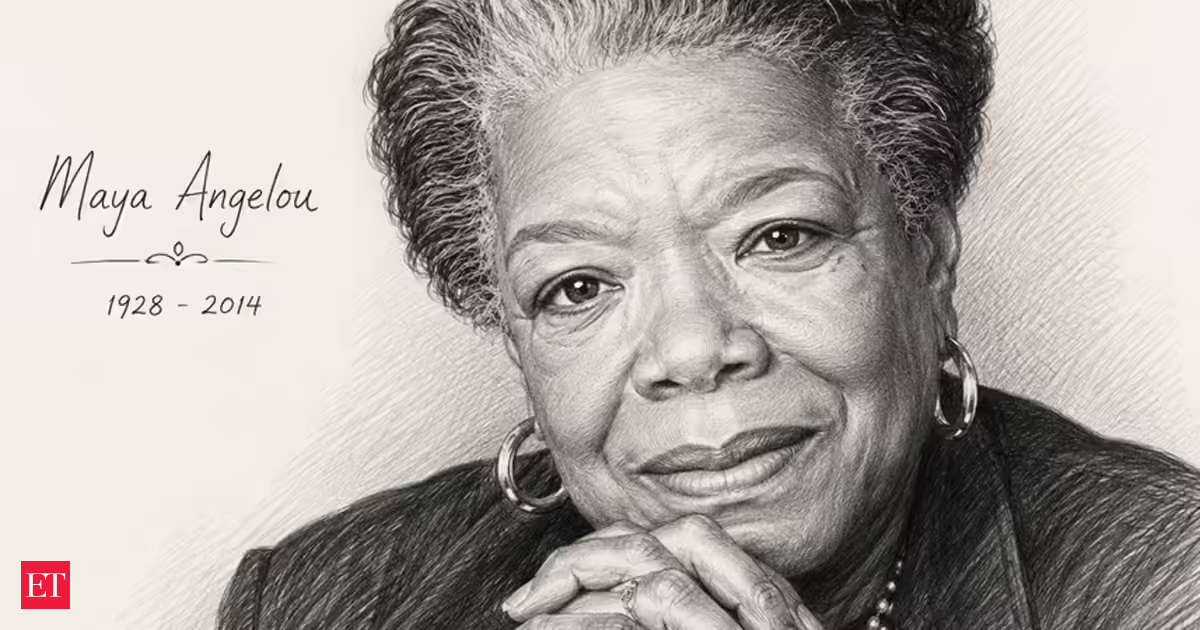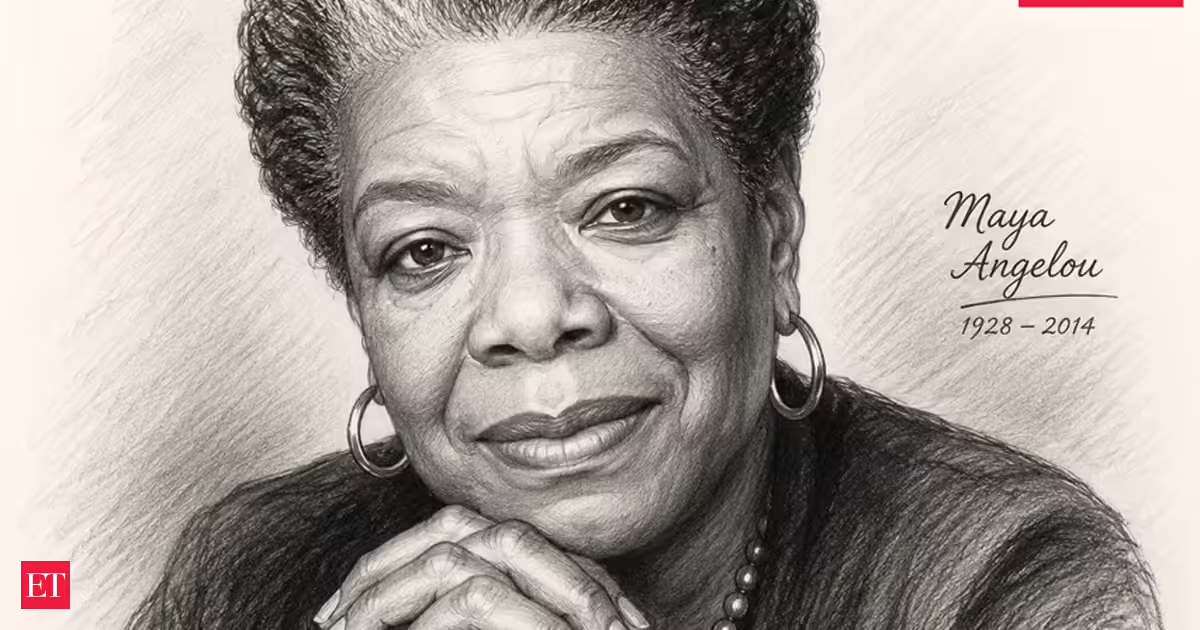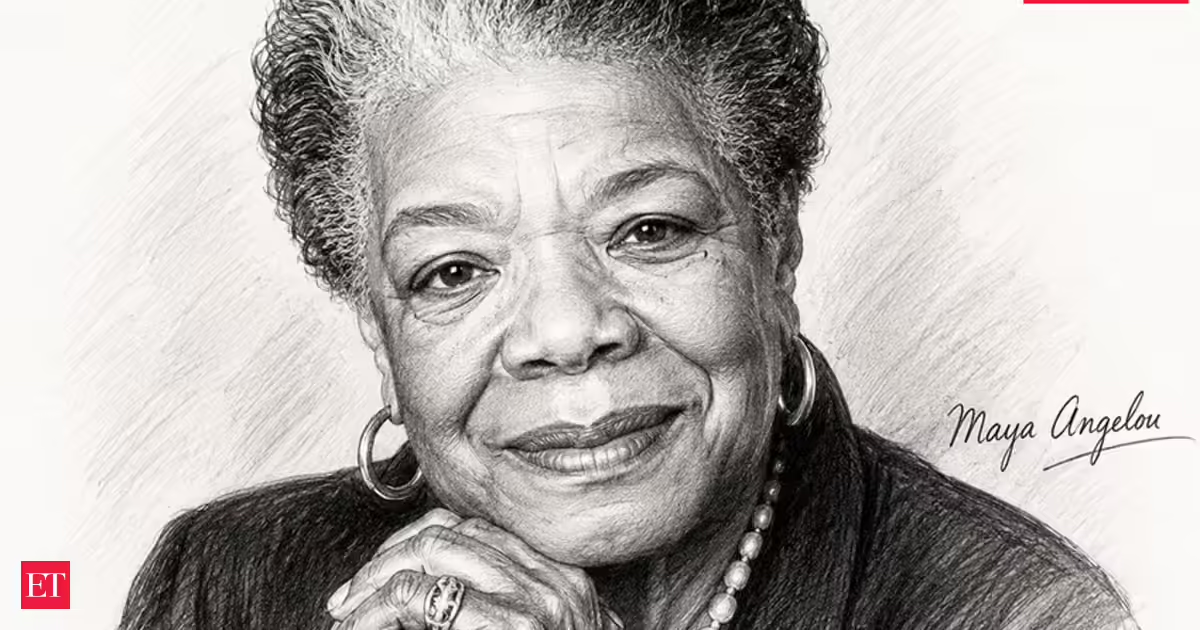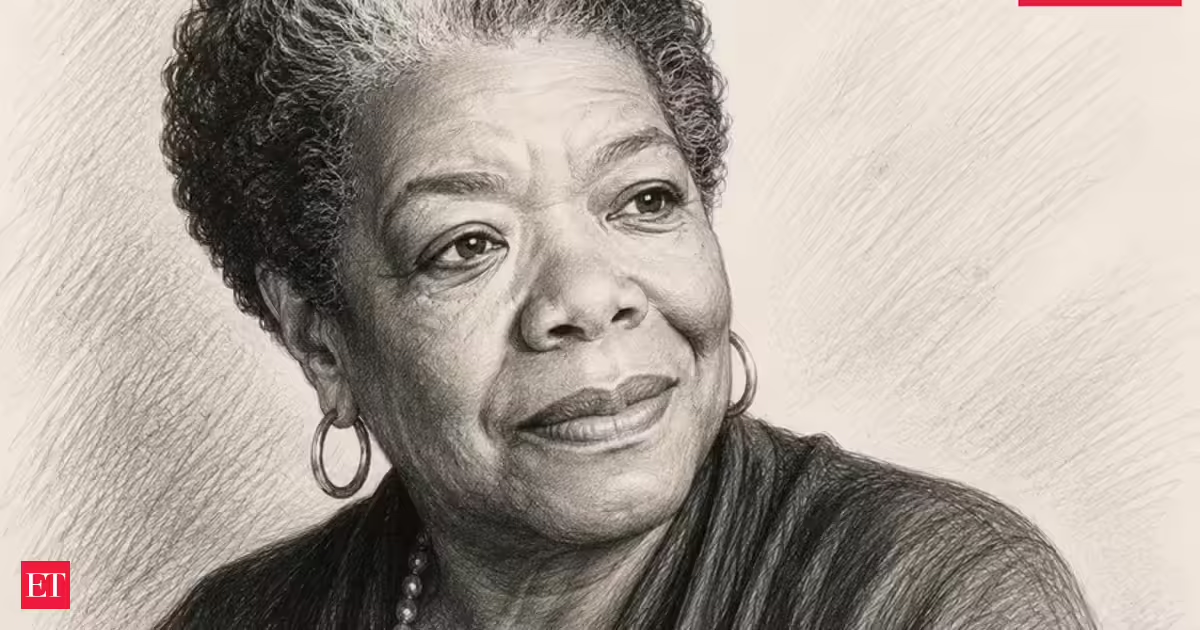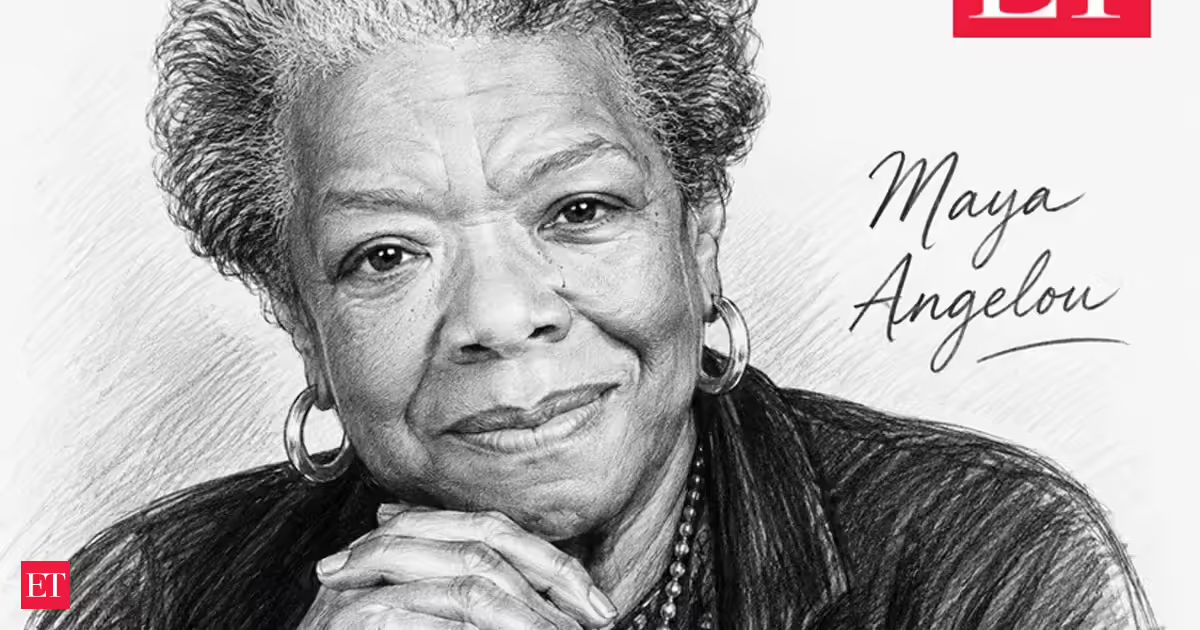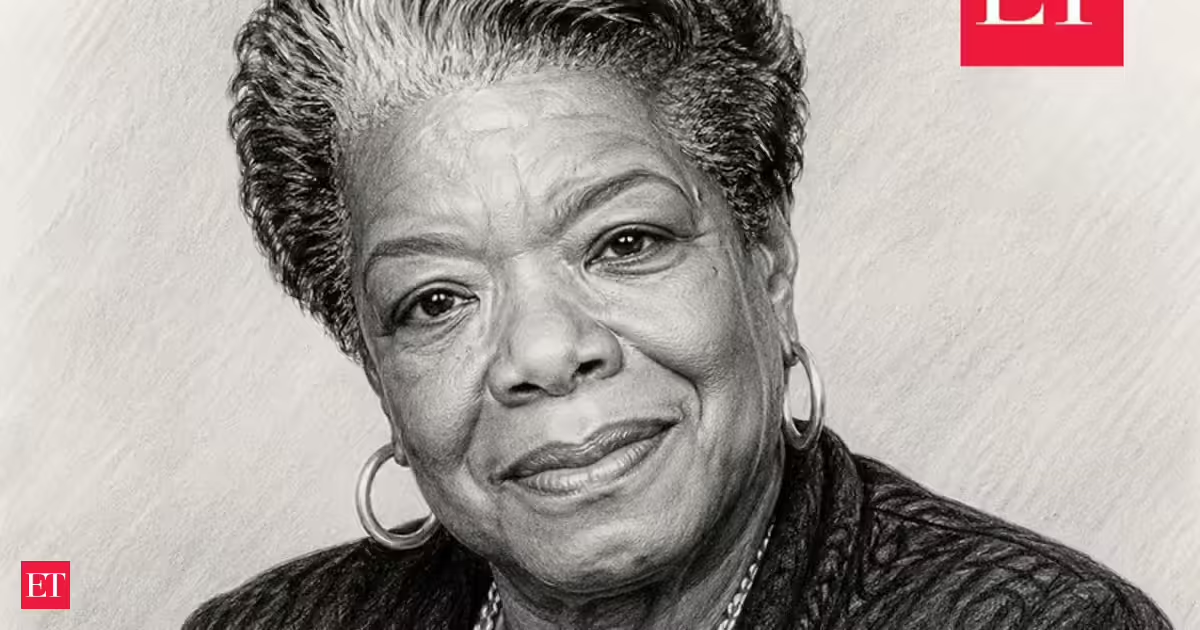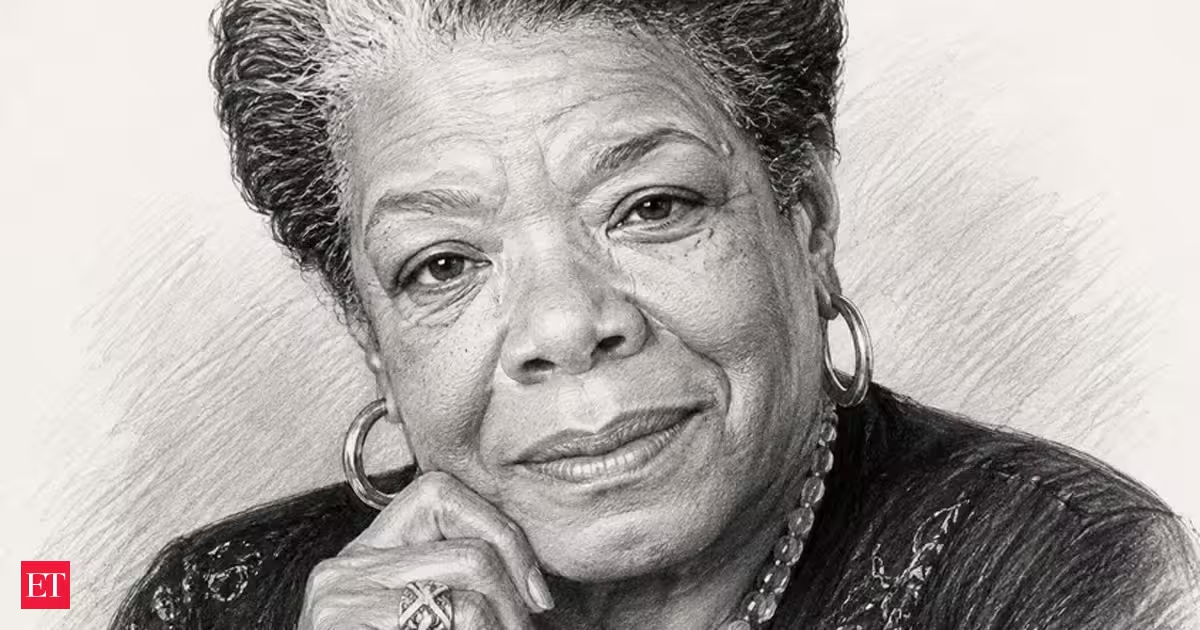
Quote of the day by Maya Angelou: Maya Angelou was an American poet, author, memoirist and civil rights activist whose words continue to inspire readers around the world. Known for her powerful writing and memorable observations about courage, identity, resilience and human dignity, Angelou became one of the most influential literary voices of the 20th century. Born Marguerite Annie Johnson in St. Louis, Missouri, in 1928, Angelou experienced a difficult childhood. Her early years were marked by family changes and painful experiences that deeply affected her. Yet she eventually transformed many of those experiences into powerful writing about survival and personal strength. Angelou became widely known after publishing her 1969 memoir, 'I Know Why the Caged Bird Sings'. The book explored her childhood and adolescence and became a landmark work in American literature. Its honest account of racism, trauma, family and identity helped introduce Angelou's distinctive voice to millions of readers.Her career extended far beyond poetry and books. Angelou worked as a singer, dancer, actress, educator and journalist. She also became involved in the civil rights movement and worked alongside prominent figures including Martin Luther King Jr. and Malcolm X. Throughout her life, Angelou used her experiences to explore universal questions about what it means to be human. Her writing often focused on resilience - the ability to keep moving forward despite hardship. Her poetry and essays also emphasized courage and self-respect. Angelou believed that people could acknowledge difficult experiences without allowing those experiences to define their entire lives. One of her most widely remembered poems, 'Still I Rise', became a powerful expression of resilience and dignity. Its message of overcoming oppression and refusing to surrender one's sense of worth continues to resonate with readers today.Quote of the dayQuote of the day - "Seek patience and passion in equal amounts. Patience alone will not build the temple. Passion alone will destroy its walls," is widely attributed to celebrated American poet and civil rights activist Maya Angelou.You Might Also Like:Meaning of the quoteThe quote of the day by Maya Angelou highlights the importance of balancing patience and passion in life. Passion gives us the energy, excitement and determination to pursue our goals. But passion without patience can lead to rushed decisions, frustration and mistakes. Patience, on the other hand, allows us to stay calm, keep working and give our goals enough time to develop. But patience without passion can leave us waiting without taking meaningful action. The 'temple' in the quote can be seen as a symbol of our dreams, relationships, careers or personal growth. Building something lasting requires both the desire to begin and the patience to keep going. Angelou’s message is simple: Do not let impatience weaken your ambition, and do not let patience become an excuse for inaction. When passion provides the drive and patience provides the foundation, we are better prepared to build something meaningful and lasting.In 1993, Angelou made history as the first Black woman to recite a poem at a US presidential inauguration when she delivered 'On the Pulse of Morning' at Bill Clinton’s inauguration, introducing her powerful voice to a worldwide audience.Angelou received numerous honors during her lifetime, including the Presidential Medal of Freedom, awarded by President Barack Obama in 2011. She also received honorary degrees from several universities. Beyond her literary achievements, Angelou's lasting influence comes from the way she connected personal experiences with universal emotions. Her words often remind readers that strength does not mean avoiding hardship. Instead, it can mean finding the courage to rise after facing it.You Might Also Like:Maya Angelou died in 2014 at the age of 86, but her voice remains remarkably relevant. Her books, poems and speeches continue to reach new generations. Her legacy is ultimately about resilience, compassion and courage. Through her writing, Angelou showed that painful experiences can become sources of wisdom - and that a person's voice can inspire others long after the writer is gone.
Best Quote of the Day by Maya Angelou: 'Seek patience and passion in equal amounts. Patience alone will not build the temple. Passion alone will...' - Acclaimed American poet's timeless wisdom on finding the right balance in life
Maya Angelou, renowned poet and civil rights activist, moved countless individuals with her profound insights and eloquence. Her celebrated memoir, 'I Know Why the Caged Bird Sings,' earned her acclaim across the globe. With a unique blend of ardor and resilience, Angelou crafted a legacy marked by significant achievements, even being honored with the Presidential Medal of Freedom. Her impactful and timeless messages continue to inspire generations.
652 words~3 min read