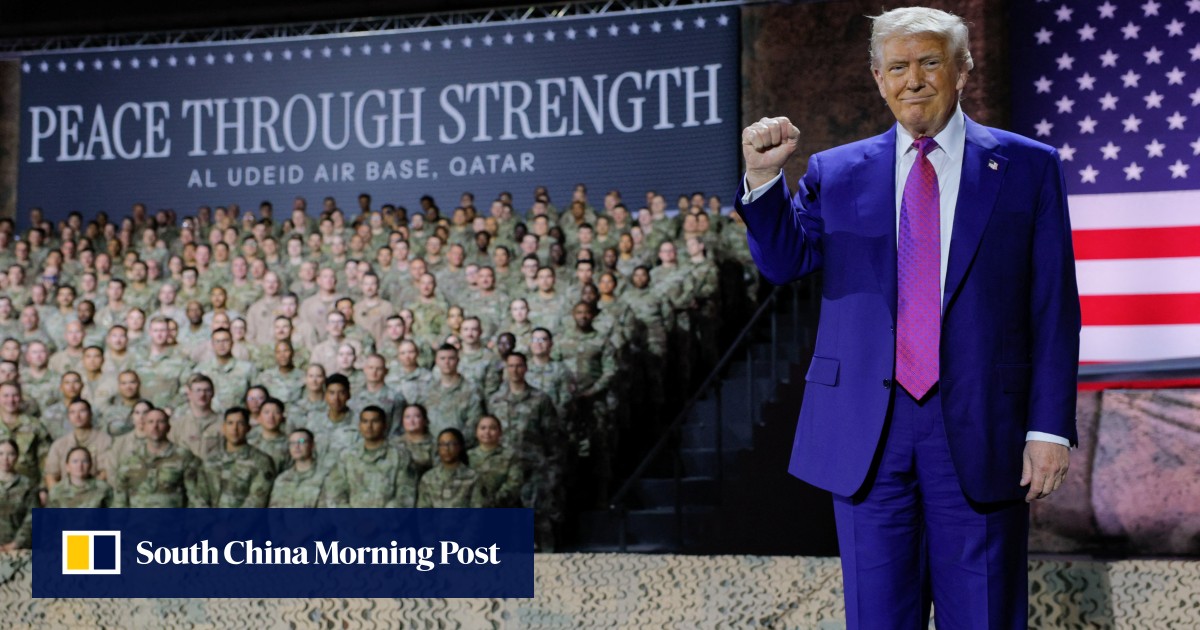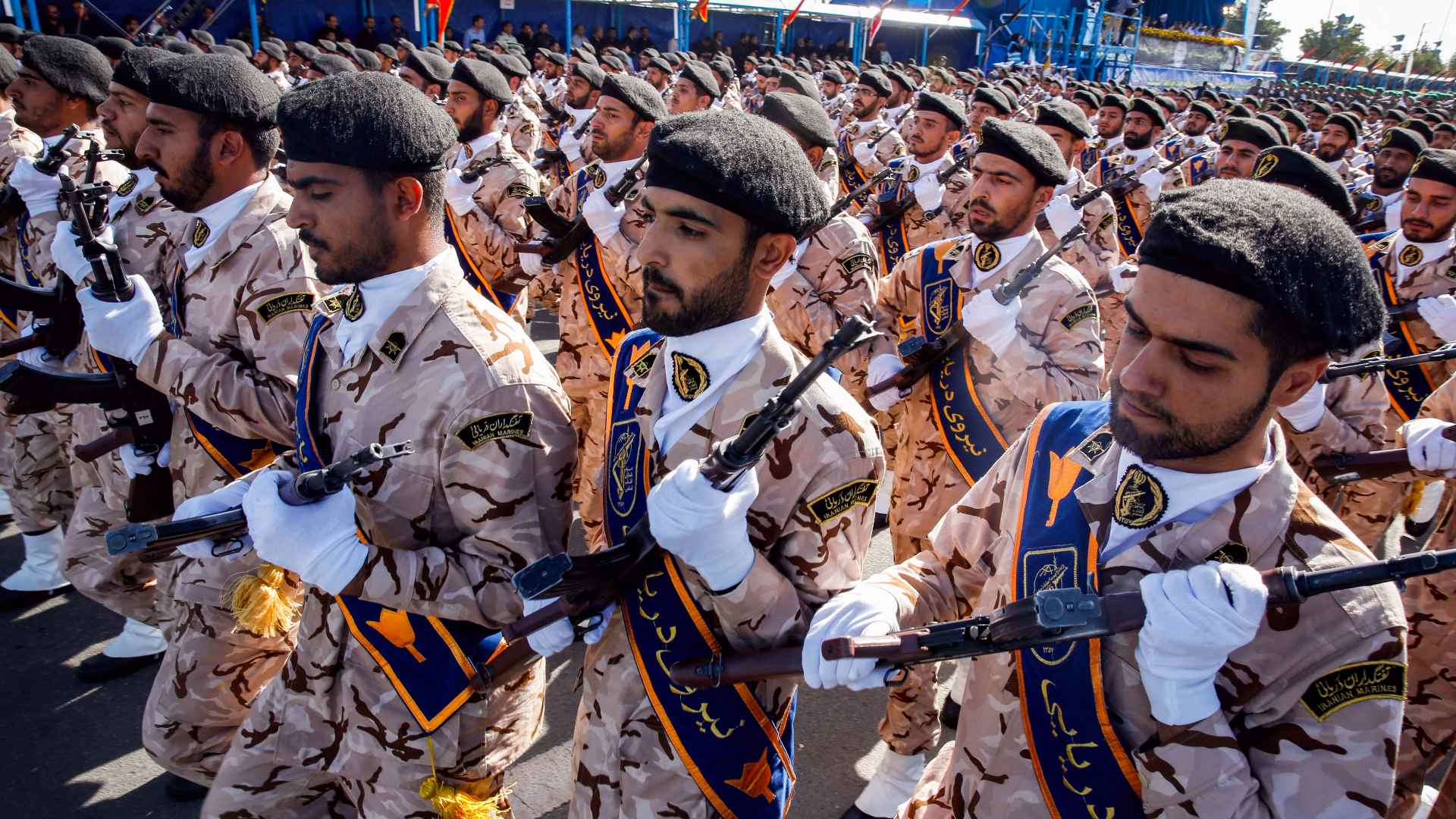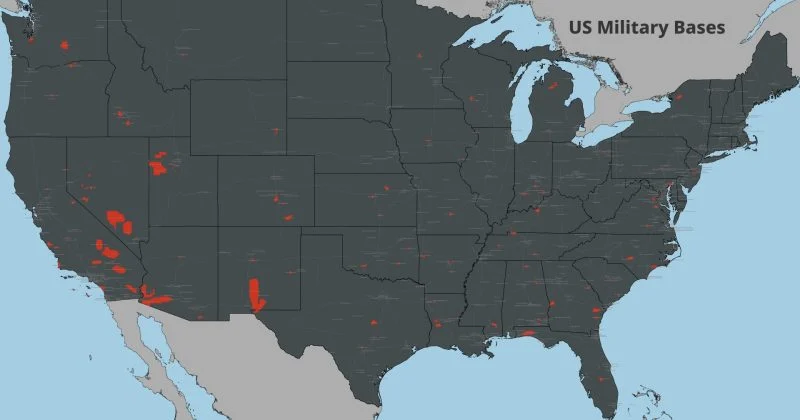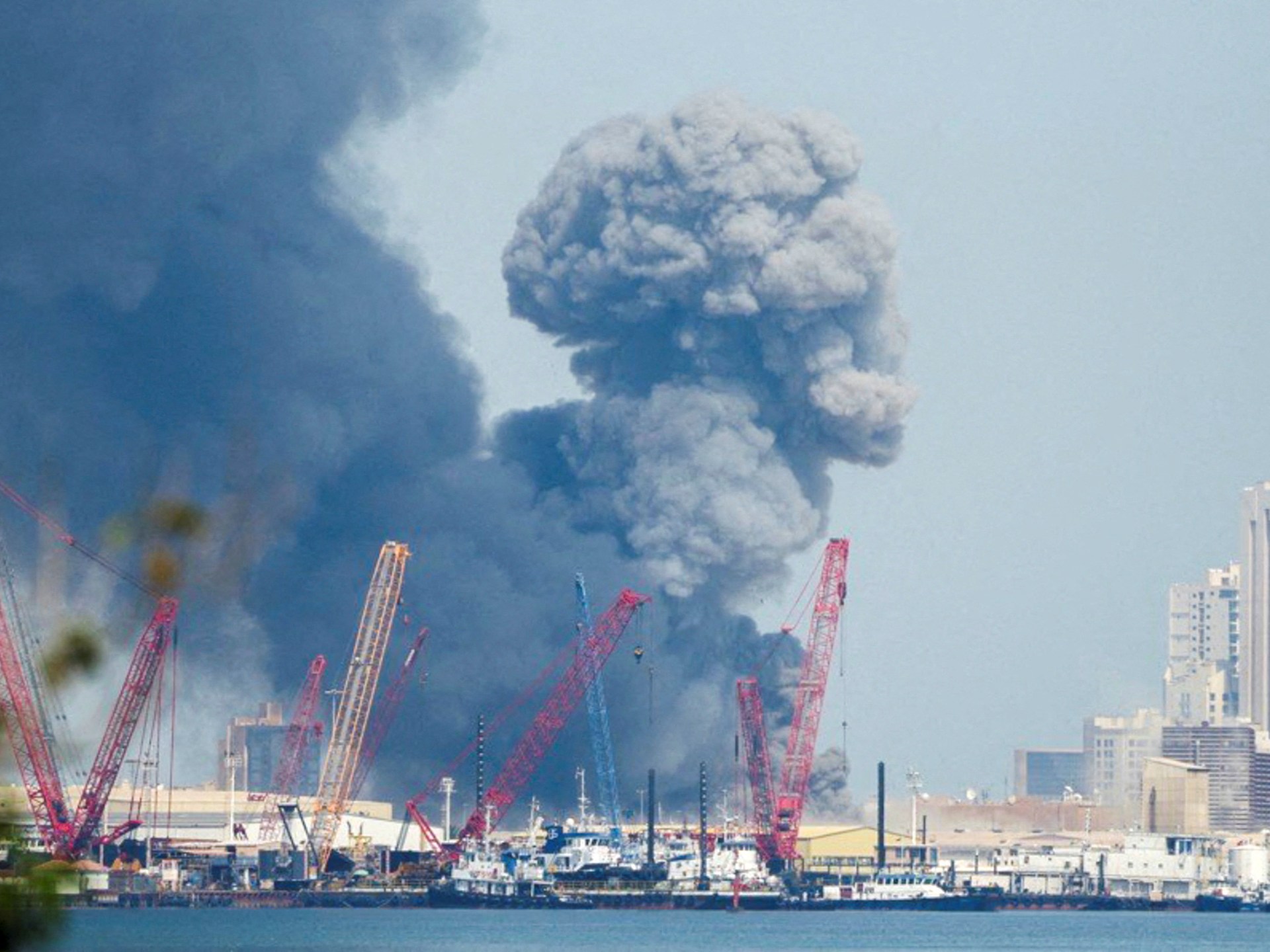
The United States maintains the world’s largest overseas military basing presence, with as many as 750 installations in 80 countries. Most recently, U.S. bases and bases to which the U.S. military has access in Bahrain, Iraq, Jordan, Kuwait, Qatar, Saudi Arabia, and the United Arab Emirates have become the targets of Iranian attacks, in retaliation for U.S. strikes on the country. These attacks have not only resulted in the deaths of several U.S. soldiers, but have impacted local residents in proximity to the bases and pushed others to question the necessity of the U.S. bases entirely.
Analysts have speculated about what these attacks and the subsequent damages to the bases might mean for U.S. basing in the region, including potential base closures.
But what does Iran’s targeting of U.S. bases and the resulting destruction mean for the rest of the 80 countries that host the U.S. military? This is an especially salient question for the host countries in the Indo-Pacific, where the specter of a U.S.-China confrontation looms large and U.S. security partners in the region maintain some of the largest troop deployments in the world, with Japan and South Korea hosting the largest and third largest deployments, respectively.