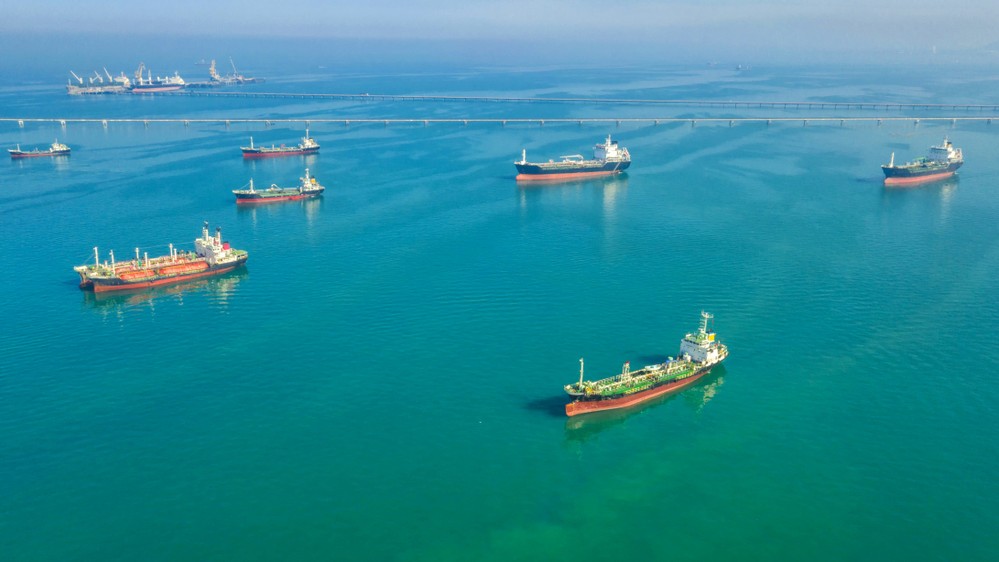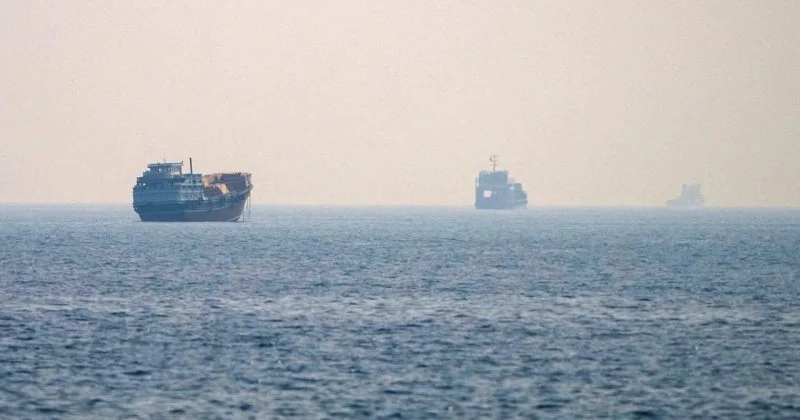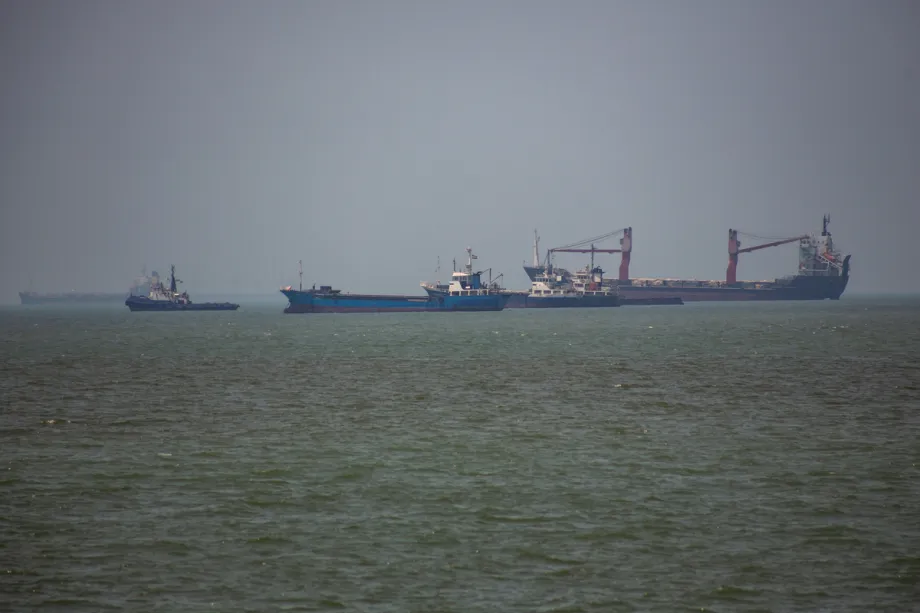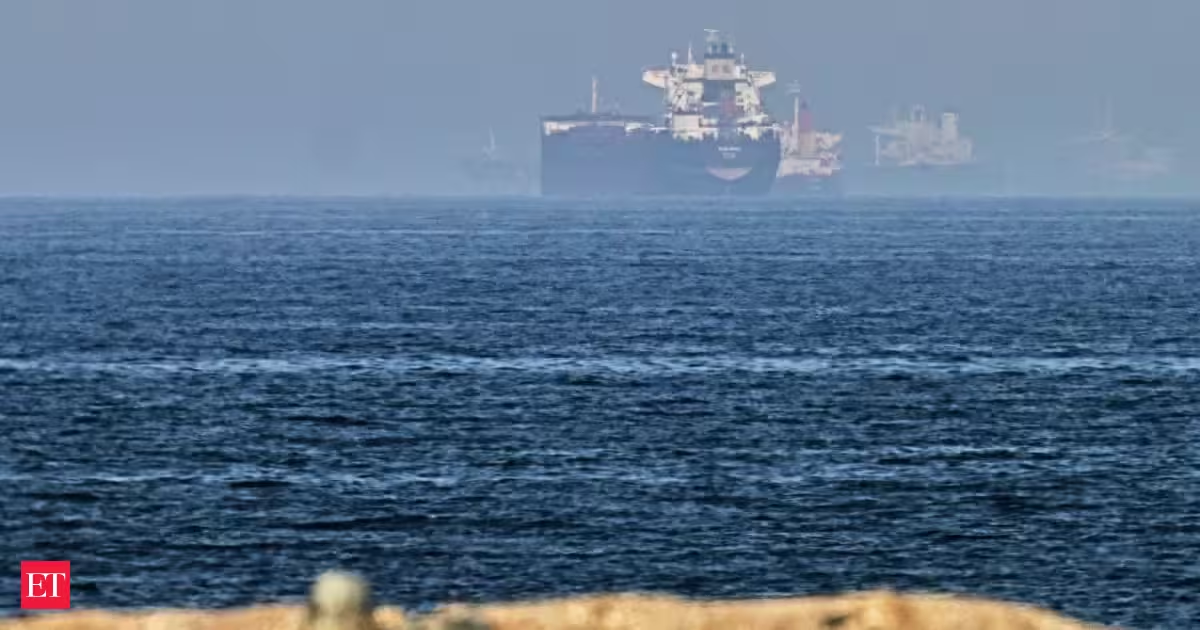
Shipping traffic through the Strait of Hormuz fell to six on Monday, compared with a 10-day average of about 11 vessels, shipping data showed, amid fading hopes of a peace deal between the U.S. and Iran.Four commodity vessels, including two empty oil product tankers, entered the waterway, data from Kpler showed on Tuesday as of 0420 GMT. Two vessels - a small tanker laden with liquefied petroleum gas and another carrying residual fuels - exited the Strait, the data showed.Also Read: Iran ties Hormuz reopening to US concessions on several demandsIn pre-war days, about 130 to 140 ships typically transited the strait.On Monday, 25 vessels transited the Bab el-Mandeb strait on the Red Sea, broadly unchanged when compared with the 10-day average of nearly 24 ships, Kpler data showed.U.S. President Donald Trump on Monday responded to Iran's conditions for a peace deal by laying out his own demands that Iran pay compensation for people killed in wars, attacks and protests.Also Read: Iran says Hormuz transit fee details not under discussion in Oman talksThe proposal was a response to Tehran's demands for compensation and an end to sanctions. The Iranian demands were largely in line with the terms of a preliminary peace deal signed in June, which has since broken down.Since the war began in February, Trump has repeatedly swung between threats of escalation and assertions that a peace deal is close.
Strait of Hormuz shipping traffic slumps to six vessels as US-Iran peace hopes fade
Shipping traffic through the Strait of Hormuz has significantly decreased recently. This decline coincides with fading hopes for a peace deal between the United States and Iran. President Trump presented new demands for compensation and an end to sanctions. The Iranian demands were similar to a preliminary peace deal signed earlier. Shipping traffic in the Bab el-Mandeb strait remained largely unchanged.
231 words~1 min read