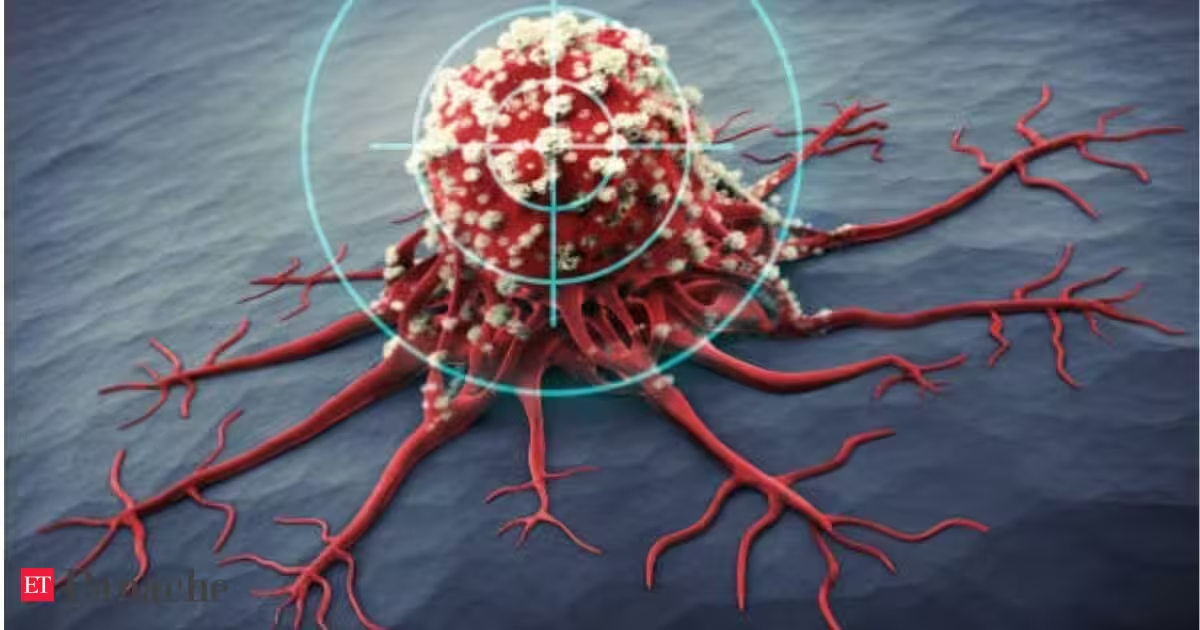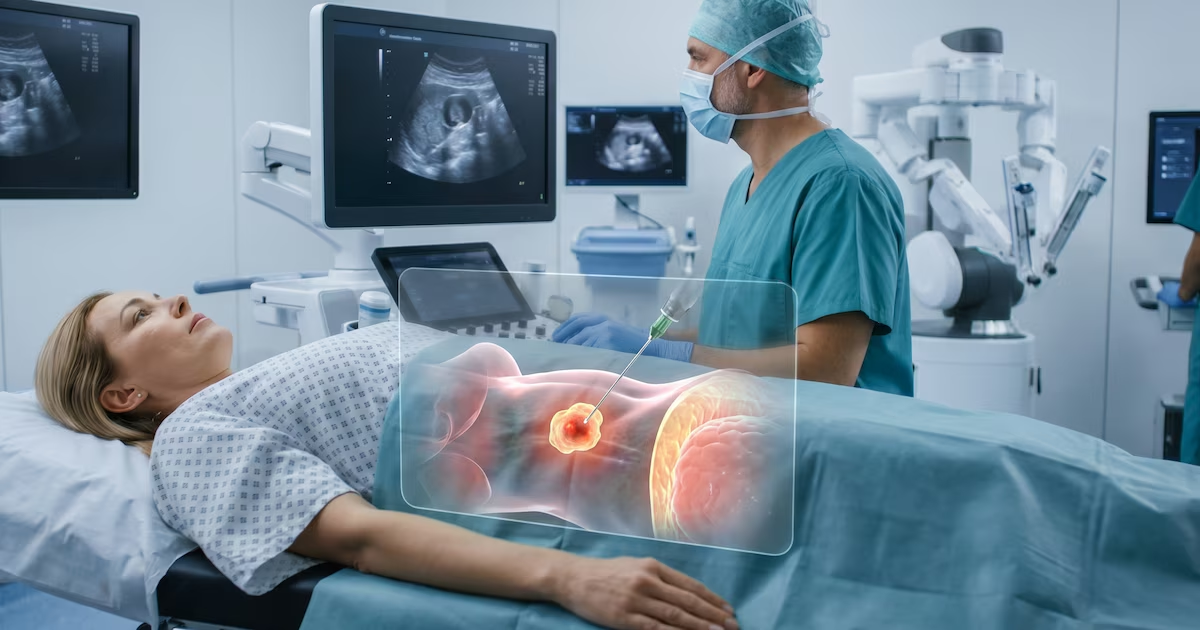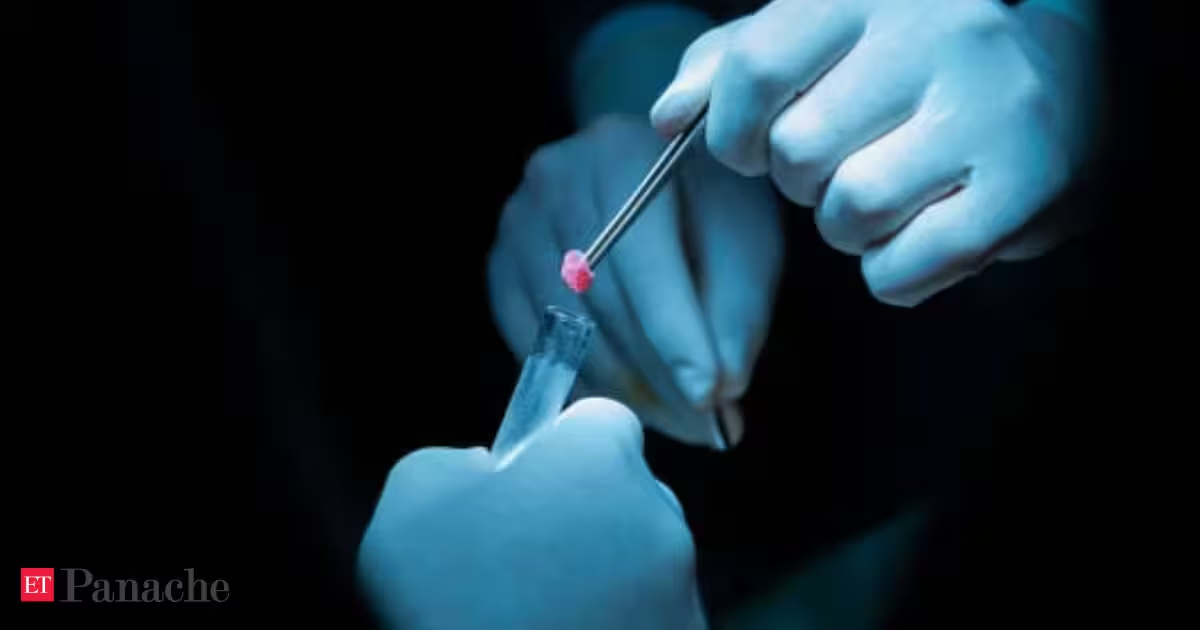
The vast majority of cancers are confirmed via a process called biopsy. Samples of your tissues, cells, or fluids are removed from your body through a fine needle, so a pathologist can examine them for signs of cancerous cells or determine the extent to which it has spread. However, in three cases, biopsies are not conducted. Taking to X, internal medicine expert Dr Priyam Bordoloi explained why, in the case of testicular cancer, Wilm’s tumour and ovarian cancer, biopsies are not conducted, as poking the tumour with a needle can be disastrous.Testicular CancerThe way the body drains liquids is changed by a needle. Cancer cells may be drawn into new groin lymph nodes rather than remaining confined. Here, the stringent guideline is to surgically remove the entire testicle up front.Wilm’s TumourIn the case of Wilm’s tumour, a type of juvenile kidney cancer, the tumour has a very fragile exterior. If it is punctured, there is a chance that it will burst like a water balloon, releasing cancer cells into the abdomen. This transforms an early, treatable tumour into an advanced one that requires intense radiation therapy.— DocPriyamMD (@DocPriyamMD) Ovarian CancerFinally, even if a doctor suspects ovarian cancer in a patient, biopsies are not conducted. If a cancerous ovarian cyst is poked, it can puncture and leak cancerous fluid all over the stomach. This can turn a curable, localised tumour into a more deadly disease that needs chemotherapy to be contained.According to Cleveland Clinic, while biopsies are most commonly associated with cancer, they are also conducted to confirm other diseases such as:Kidney and liver diseases such as hepatitisInfections such as tuberculosisChronic pancreatitisPeptic ulcersEndometriosis.Are Biopsies Dangerous?Although they are uncommon, biopsy problems can occur. Complications could include the following, depending on the biopsy procedure:Excessive bleeding.Infection.Leaving scars. If your doctor took tissue samples using a scalpel or other sharp tool, you may have a little scar at the biopsy site.Speak with your supplier if:The bleeding at the biopsy site won't stop.The area appears red, is bloated, is leaking, or is sensitive to the touch. These could be signs of an infection.You're feverish.
Doctor suspected patient had cancer, yet did not suggest a biopsy. Internal medicine expert explains why sometimes biopsies can be hazardous: ‘It can actually burst…’
In most cases, if a doctor suspects a patient may have cancer, they order a biopsy. However, in some rare instances, doctors will refrain from recommending a biopsy even if they think the patient has cancer. Taking to X, internal medicine expert Dr Priyam Bordoloi explained why.
348 words~2 min read