Story audio is generated using AI
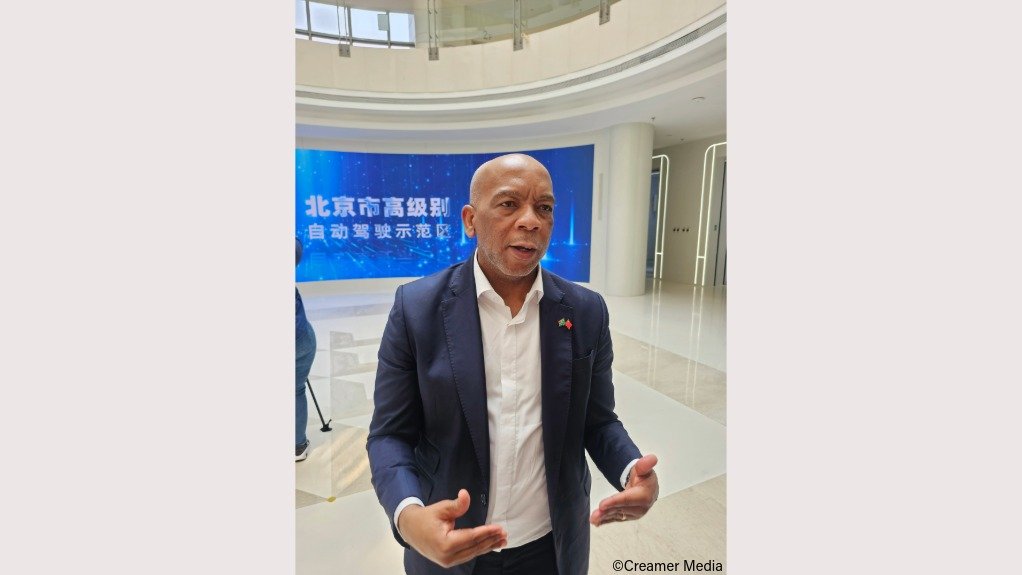
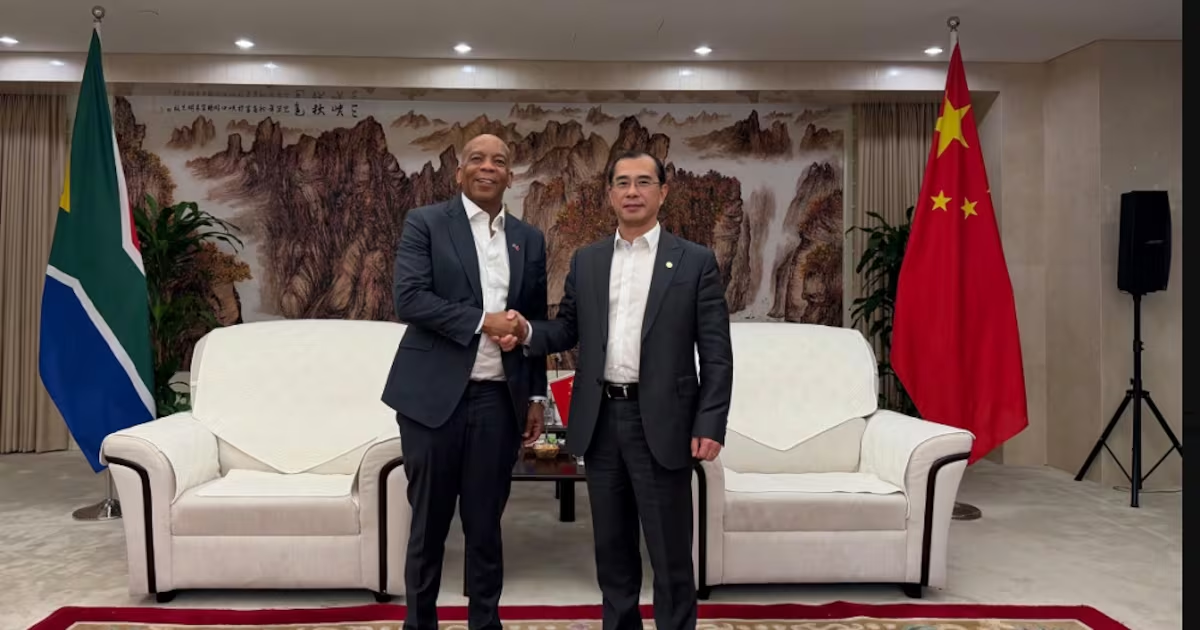
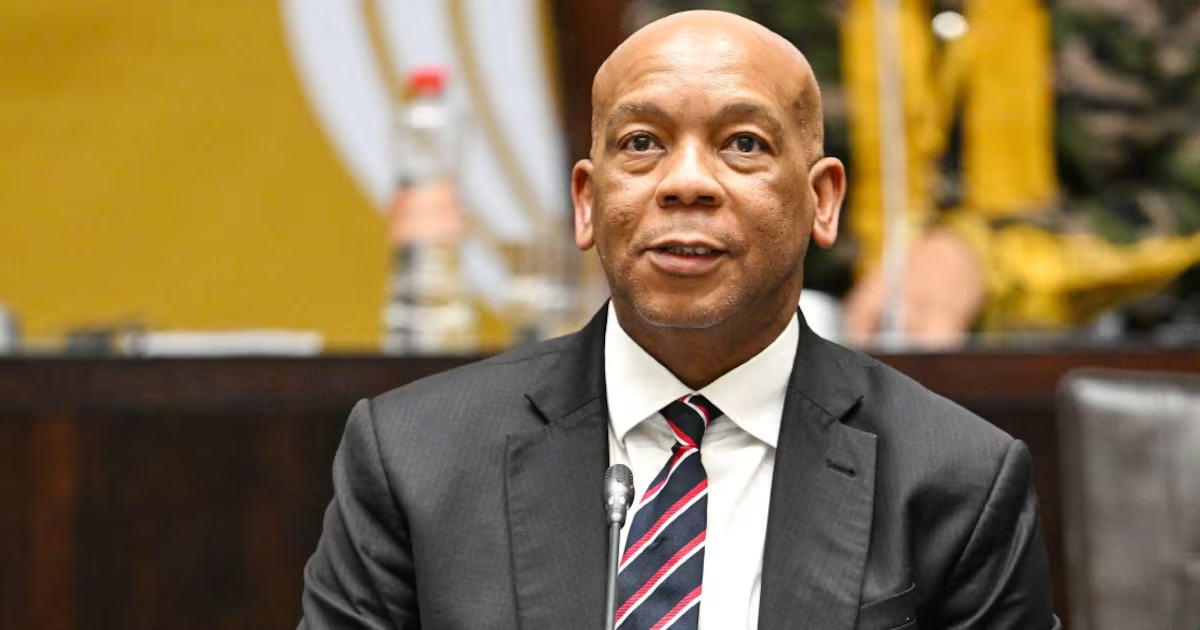
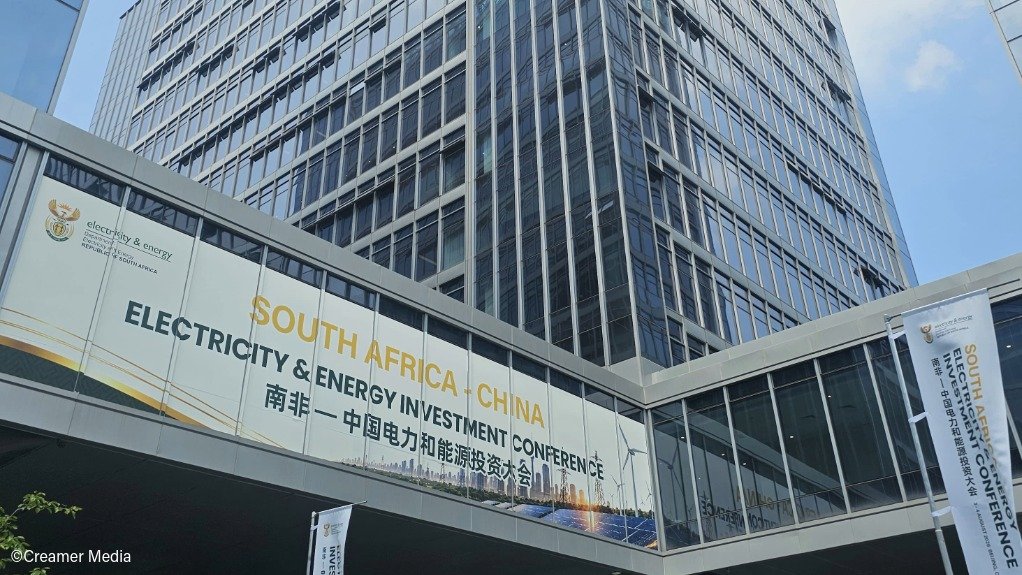
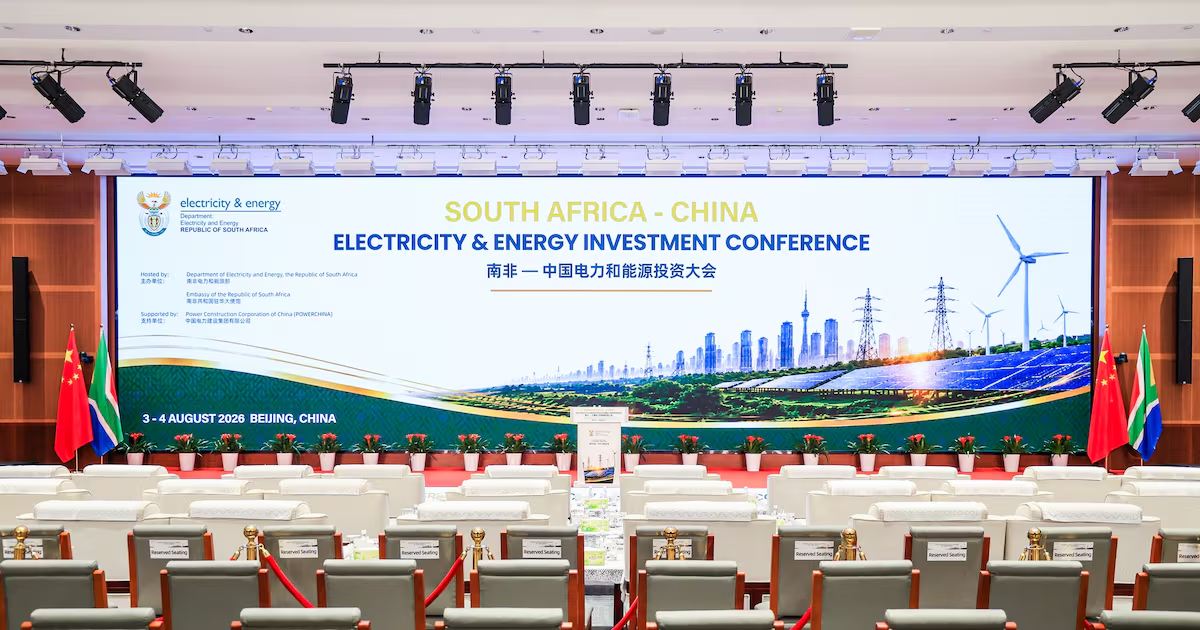
South Africa’s energy investment mission to China has generated interest from six energy sector equipment manufacturers and opened discussions in the segments of transmission, renewable energy, hydrogen, nuclear technology and industrial infrastructure. The harder task now is converting those engagements into projects on the ground.The week-long mission, led by electricity & energy minister Kgosientsho Ramokgopa, sought to attract capital, technology, manufacturing capability and project-delivery expertise to support South Africa’s energy infrastructure programme.The 2025 Integrated Resource Plan envisages more than R2.2-trillion in energy investment, while expanding the transmission grid alone is expected to require about R440bn over the next decade. The programme spans the new generation, transmission infrastructure and supporting industries that the government is seeking to develop alongside the energy build-out.The China mission was intended to help close some of those gaps by engaging potential investors, equipment manufacturers and technology partners.Speaking at the close of the South Africa-China Electricity & Energy Conference in Beijing, Ramokgopa pointed to China’s ability to execute infrastructure projects at speed and scale as one of the main lessons from the visit. South Africa needs to draw on China’s capabilities and develop partnerships to strengthen its capacity to deliver the energy programme.Electricity & energy minister Kgosientsho Ramokgopa at the South Africa-China Electricity & Energy Conference in Beijing. Picture: Supplied (Suppli) National Transmission Company South Africa (NTCSA) CEO Monde Bala provided one of the clearest examples during the conference, telling potential investors that the company faces a R134bn funding gap for transmission expansion projects over the next five years.NTCSA plans to build about 14,500km of new transmission lines by 2034, including about 5,000km during the first five years of the programme from 2025, to enable the connection of more than 30GW of new generation. Bala said NTCSA intends to deliver about 70% of the transmission expansion programme, with the remaining 30% expected to come through the Independent Transmission Programme (ITP) and other private sector participation.Eskom Green group executive Rivhoningo Mnisi told the conference that the utility’s renewable energy business has about 14GW of projects under development and is seeking strategic partners to help deliver the pipeline.Eskom Green group executive Rivoningo Mnisi at the South Africa-China Electricity & Energy Conference in Beijing, China. Picture: Supplied (Suppli) Mnisi told Chinese investors that Eskom Green could provide land, strategic sites, grid access, customers, a project pipeline and the utility’s technical expertise, while strategic partners could bring capital, technology, engineering and procurement capability, manufacturing and supply-chain capacity. The opportunity, he said, extends beyond renewable generation to storage, grid services, electric vehicles, batteries, data centres, industrial customers and hydrogen. The proposal puts manufacturing, technology development and industrial activity alongside the renewable energy projects in the investment pipeline.Trade, industry & competition minister Parks Tau focused on the industrial policy side of the proposition, calling for greater beneficiation of critical minerals, manufacturing, localisation and the development of component and supply chains. He positioned South Africa as a potential base for production, with access to regional and international markets.Trade, industry & competition minister Parks Tau at the South Africa-China Electricity & Energy Conference in Beijing, China. Picture: Supplied (Supplied) The delegation undertook technical site visits in China covering energy and industrial projects, including a data centre and special economic zones. The visits provided a closer look at technologies and infrastructure that could inform projects in South Africa.The department of electricity & energy said six energy-sector original equipment manufacturers expressed advance interest during the mission.Those engagements, however, are not investments yet.The department said the next phase would be to consolidate and reconcile commitments from the mission, translate lessons from the technical visits into actionable project pipelines and accelerate energy and infrastructure projects.That leaves the government with a more difficult task than securing meetings with potential investors or generating expressions of interest. It has to convert those discussions into bankable projects, financing agreements, construction, equipment supply and, where localisation is promised, actual manufacturing capacity.This is why the China mission should not be viewed in isolation.The department of electricity & energy plans to pursue similar international investment engagements with countries that have developed capabilities relevant to South Africa’s energy ambitions, with India among the countries expected to feature in the programme.Read: Eskom loses assets fight as Ramaphosa backs splitThe approach is broader than attracting Chinese investment. It is aimed at identifying international partners with technology, manufacturing and project-delivery capabilities that could help tackle gaps in South Africa’s energy infrastructure and industrial capacity. China is a particularly important test case given the scale of its energy infrastructure, manufacturing base and ability to deploy technologies rapidly.But the value of the mission will ultimately be determined in Pretoria, not Beijing.If the engagements produce new transmission projects, generation capacity, equipment manufacturing, technology partnerships and local supply chains, the mission will have helped move the country’s energy programme from plan to implementation.If they remain at the level of expressions of interest and investment pitches, the gap between South Africa’s energy ambitions and its ability to deliver them will remain.Business Day