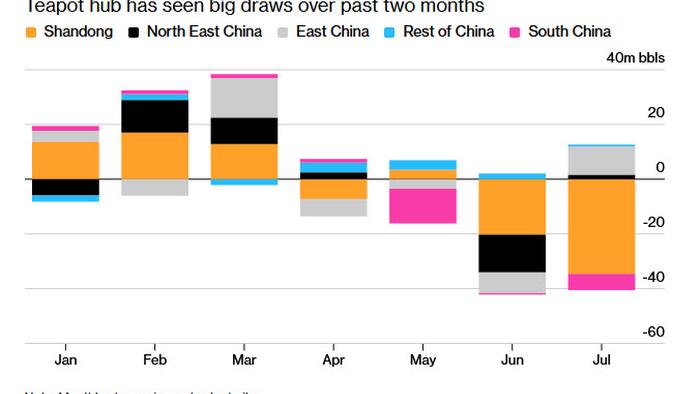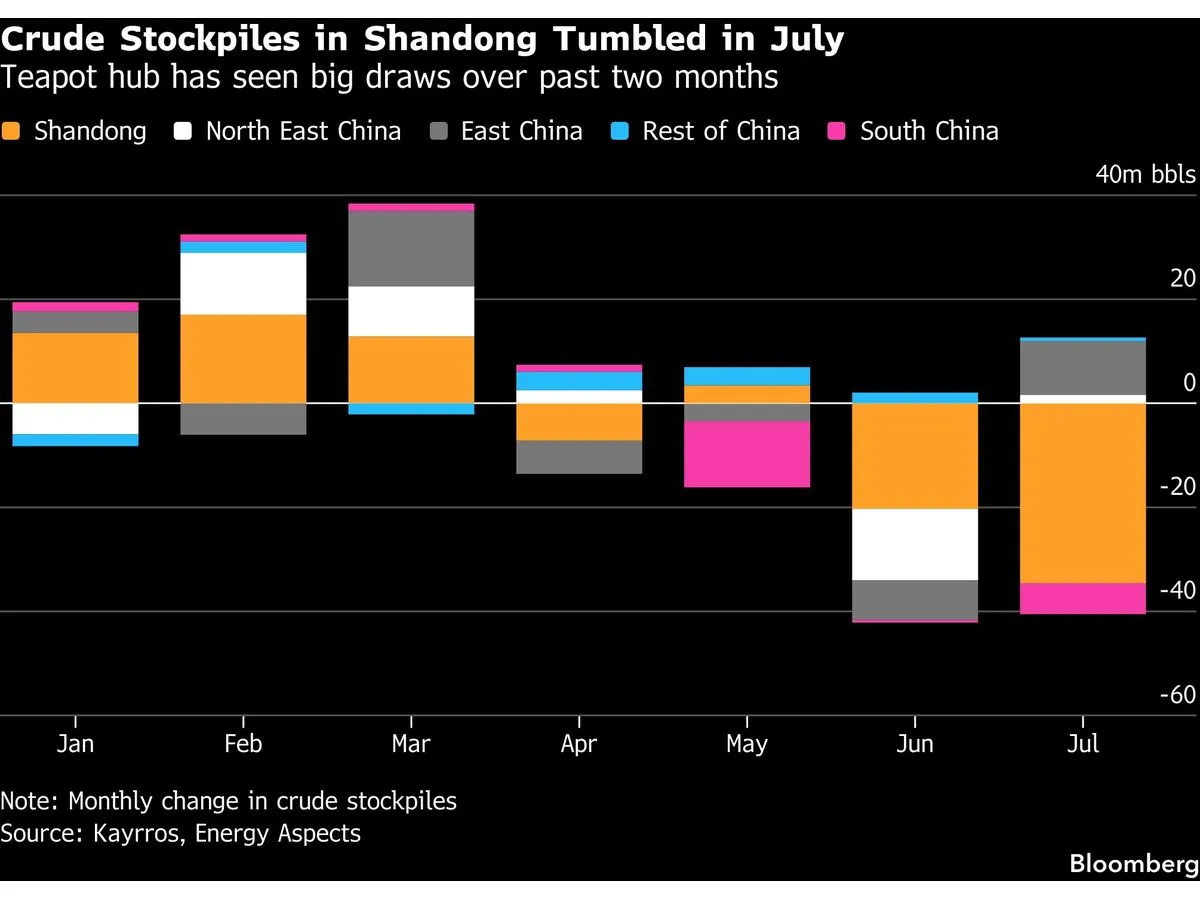
Skip to Content News Archives Economy Energy Oil & Gas Renewables Electric Vehicles Mining Commodities Agriculture Real Estate Mortgages Mortgage Rates Finance Banking Insurance Fintech Cryptocurrency Work Wealth Smart Money Wealth Management Investor Personal Finance Family Finance Retirement Taxes High Net Worth FP Comment Executive Women Puzzmo Newsletters Financial Times Business Essentials More Innovation Information Technology FP500 Podcasts Small Business Lives Told Tails Told Shopping Financial Post Store Obituaries Place a Notice Advertising Advertising With Us Advertising Solutions Postmedia Ad Manager Sponsorship Requests Classifieds Place a Classifieds ad Working Profile Settings My Subscriptions Saved Articles My Offers Newsletters Customer Service FAQ News Economy Energy Mining Real Estate Finance Work Wealth Investor FP Comment Executive Women Puzzmo Newsletters Financial Times Business Essentials HomePMN BusinessChina's Teapots May Boost Iran Oil Buying as Stockpiles DwindleShrinking regional oil stockpiles held by China’s independent refiners in Shandong province may spur increased buying of Iranian crude, offering Tehran a needed boost after a period of slow sales.Author of the article: You can save this article by registering for free here. Or sign-in if you have an account.my8{5{kjdos9slvgxybqhrmk_media_dl_1.png Kayrros, Energy Aspects(Bloomberg) — Shrinking regional oil stockpiles held by China’s independent refiners in Shandong province may spur increased buying of Iranian crude, offering Tehran a needed boost after a period of slow sales.Subscribe now to read the latest news in your city and across Canada.Exclusive articles from Barbara Shecter, Joe O'Connor, Gabriel Friedman, and others.Daily content from Financial Times, the world's leading global business publication.Unlimited online access to read articles from Financial Post, National Post and 15 news sites across Canada with one account.National Post ePaper, an electronic replica of the print edition to view on any device, share and comment on.Daily puzzles, including the New York Times Crossword.Subscribe now to read the latest news in your city and across Canada.Exclusive articles from Barbara Shecter, Joe O'Connor, Gabriel Friedman and others.Daily content from Financial Times, the world's leading global business publication.Unlimited online access to read articles from Financial Post, National Post and 15 news sites across Canada with one account.National Post ePaper, an electronic replica of the print edition to view on any device, share and comment on.Daily puzzles, including the New York Times Crossword.Create an account or sign in to continue with your reading experience.Access articles from across Canada with one account.Share your thoughts and join the conversation in the comments.Enjoy additional articles per month.Get email updates from your favourite authors.Create an account or sign in to continue with your reading experience.Access articles from across Canada with one accountShare your thoughts and join the conversation in the commentsEnjoy additional articles per monthGet email updates from your favourite authorsSign In or Create an AccountorInventories in Shandong — home to most of China’s so-called teapot refiners — dropped to 360 million barrels in July, the lowest level in eight months, according to data compiled by Energy Aspects. Stockpiles in the region are held by both private as well as state-run processors.China’s teapots dialed back purchases and relied heavily on stockpiles after Beijing instructed them to maximize fuel production to help cushion the impact of the Iran war. The refiners are by far the biggest buyers of Iranian crude, typically accounting for about 90% of sales, and softening demand led to a swelling hoard of the country’s oil on tankers at sea.Get the latest headlines, breaking news and columns.By signing up you consent to receive the above newsletter from Postmedia Network Inc.A welcome email is on its way. If you don't see it, please check your junk folder.The next issue of Top Stories will soon be in your inbox.We encountered an issue signing you up. Please try againEnergy Aspects estimates stockpiles in Shandong declined by 35 million barrels last month, the biggest monthly draw since the consultant started compiling the figures in 2016. Across China, meanwhile, the nation’s inventories still stands at a robust level of 1.208 billion barrels as of August 6, according to Kpler estimates which includes underground strategic reserves sites. China doesn’t publish inventory data and estimates from third-party providers can often vary.China’s teapots, which operate on razor-thin margins, favor discounted barrels from Iran and Russia. Unlike state refiners, they require government-issued import quotas, and Beijing granted additional allowances after ordering higher fuel production. The directive was eased in June as domestic fuel inventories swelled and processors grappled with mounting losses.“We expect sanctioned crude to gain market share in China during August with Iranian crude imports expected to rebound,” said Emma Li, lead China analyst at Vortexa Ltd. The consultant estimates crude inventories held by teapots in Shandong fell by about 20 million barrels in July.China aggressively built up its crude stockpiles last year, providing a buffer for refiners after the Iran war disrupted supplies from the Middle East. Tapping that inventory also took some demand pressure off the global market, and is one of the reasons why oil prices haven’t surged much higher.Shandong refiners have ramped up operations since early July, with utilization rising to 50.26% as of Aug. 7, according to data compiled by Mysteel OilChem. The end of maintenance has boosted run rates, although they remain below seasonal norms. Margins have improved to their strongest since March after being mostly negative since late April, according to JLC.There are close to 30 million barrels of Iranian crude currently on tankers in Asian waters, according to Kpler, which could help replenish teapot stockpiles. Iranian Light for delivery in September was offered at discounts of about $4 a barrel to ICE Brent earlier this month, narrowing from about $5, according to traders. Russian ESPO crude was recently offered at a discount of around $1 below Brent to parity with the benchmark.On the WireChina ordered steep anti-dumping deposits on pecan imports from the US and Mexico, adding another source of trade friction weeks before an expected Trump-Xi summit.After decades of winning over Chinese buyers with its German engineering, Mercedes-Benz Group AG took the humbling step last fall of partnering with fast-food chain McDonald’s to hype its newest car.China’s humanoid robot makers commanded more than 97% of global shipments in the first half of 2026, according to new industry data affirming the country’s early lead against US rivals in the burgeoning field.This Week’s Diary(All times Beijing)Tuesday, Aug. 11EARNINGS: MMGWednesday, Aug. 12China’s monthly CASDE crop supply-demand reportCCTD’s weekly online briefing on coal markets, 15:00EARNINGS: Ningxia BaofengThursday, Aug. 13No major eventsFriday, Aug. 14China’s weekly iron ore port stockpilesSHFE’s weekly commodities inventory, ~15:30EARNINGS: Zijin Gold—With assistance from Martin Ritchie. Join the Conversation This website uses cookies to personalize your content (including ads), and allows us to analyze our traffic. Read more about cookies here. By continuing to use our site, you agree to our Terms of Use and Privacy Policy.
China's Teapots May Boost Iran Oil Buying as Stockpiles Dwindle
Shrinking regional oil stockpiles held by China’s independent refiners in Shandong province may spur increased buying of Iranian crude, offering Tehran a needed boo…
1,118 words~5 min read