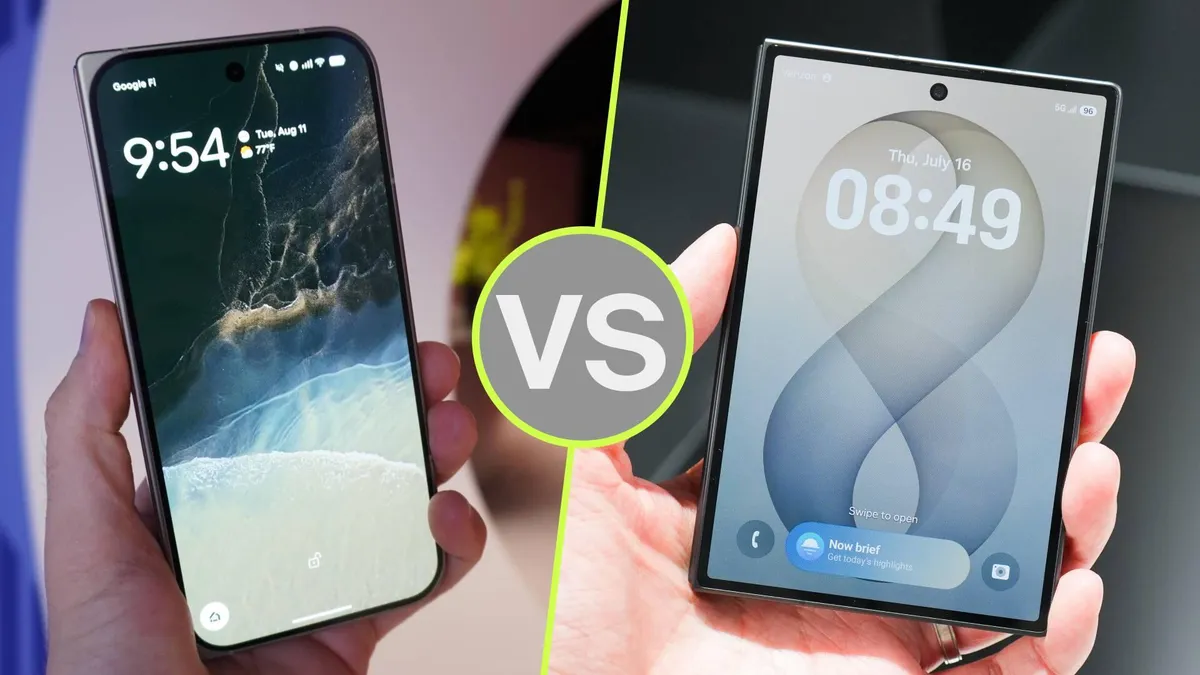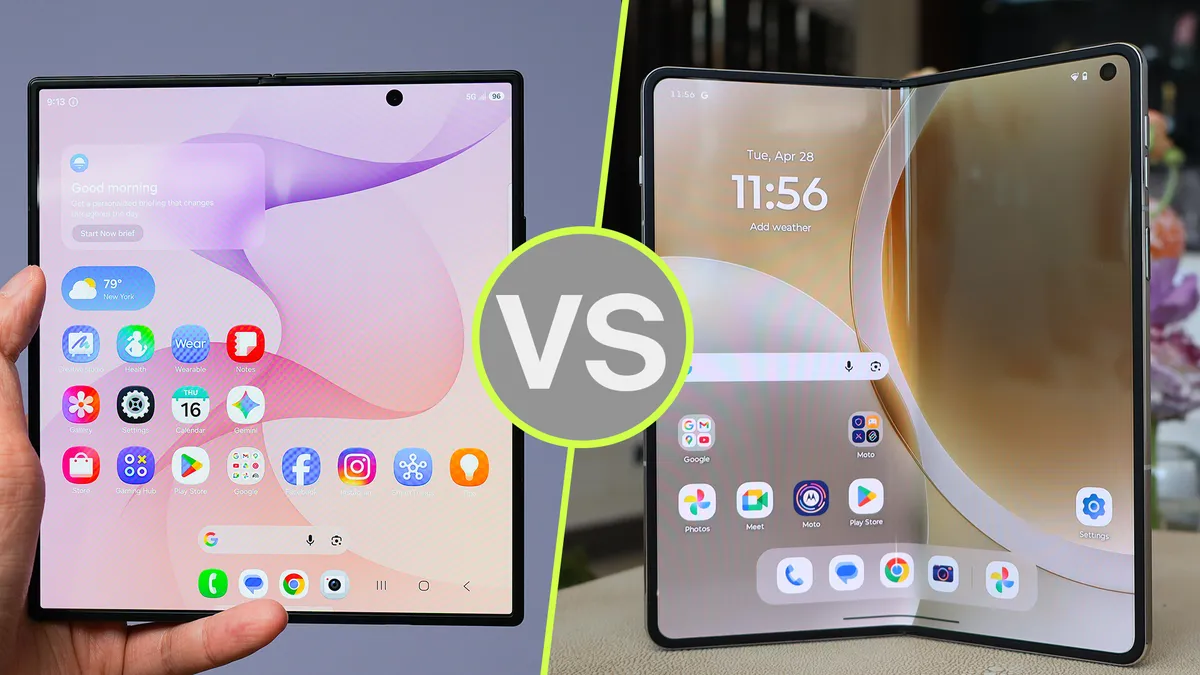
(Image credit: Tom's Guide)
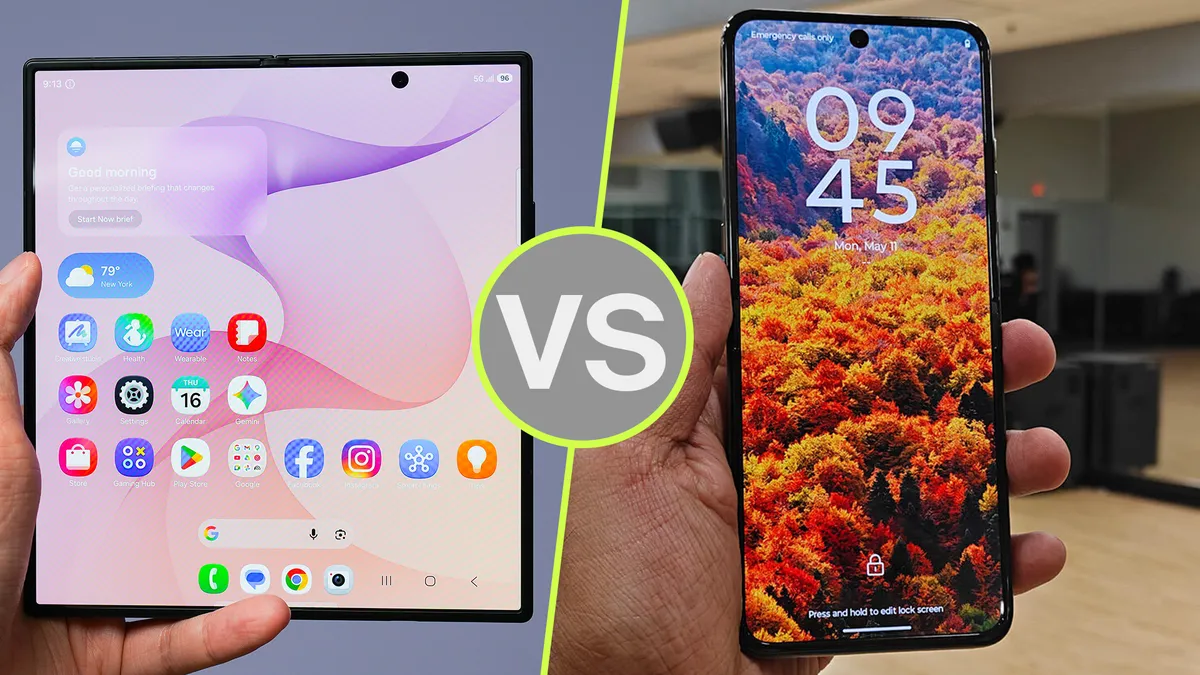
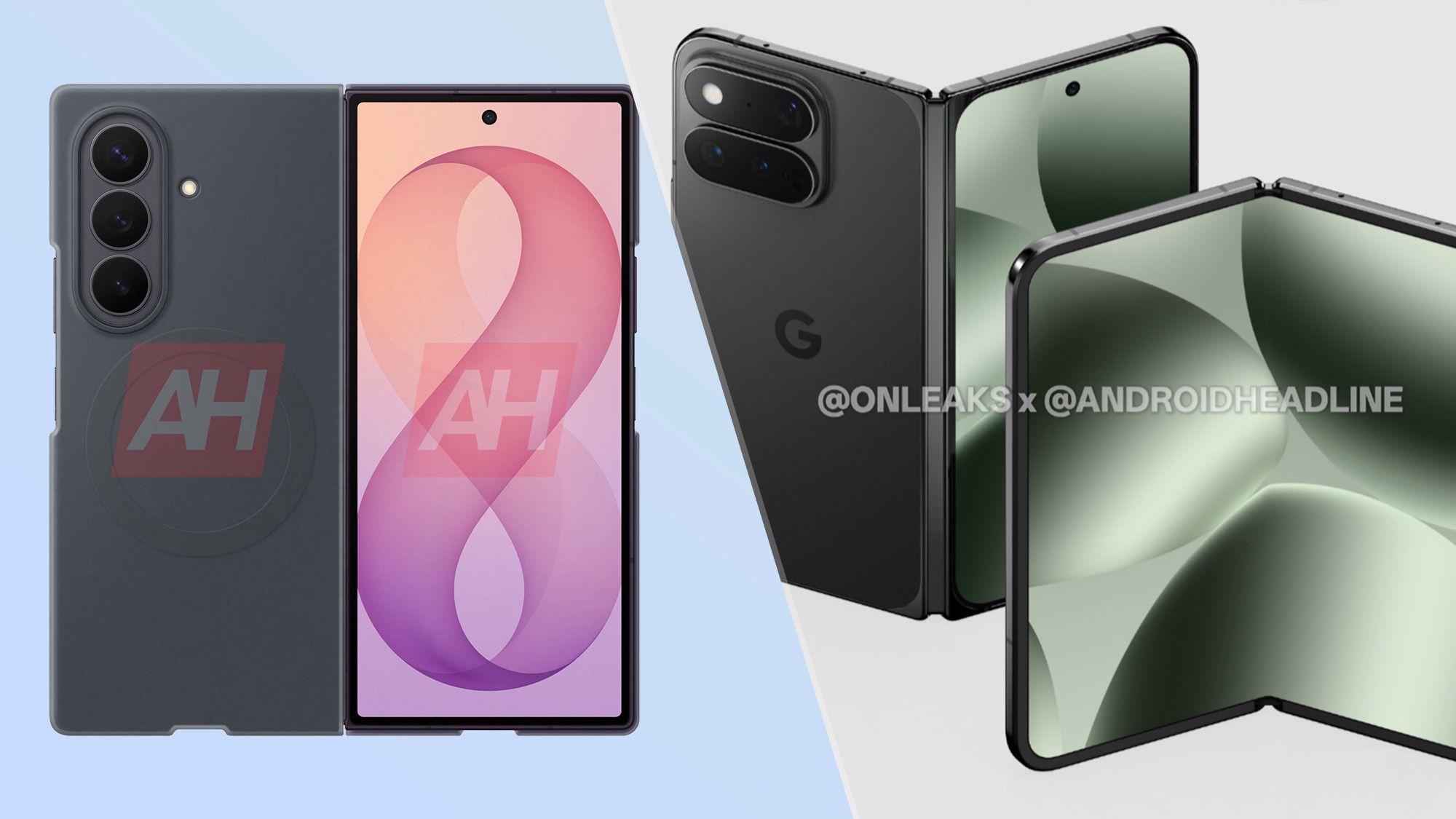
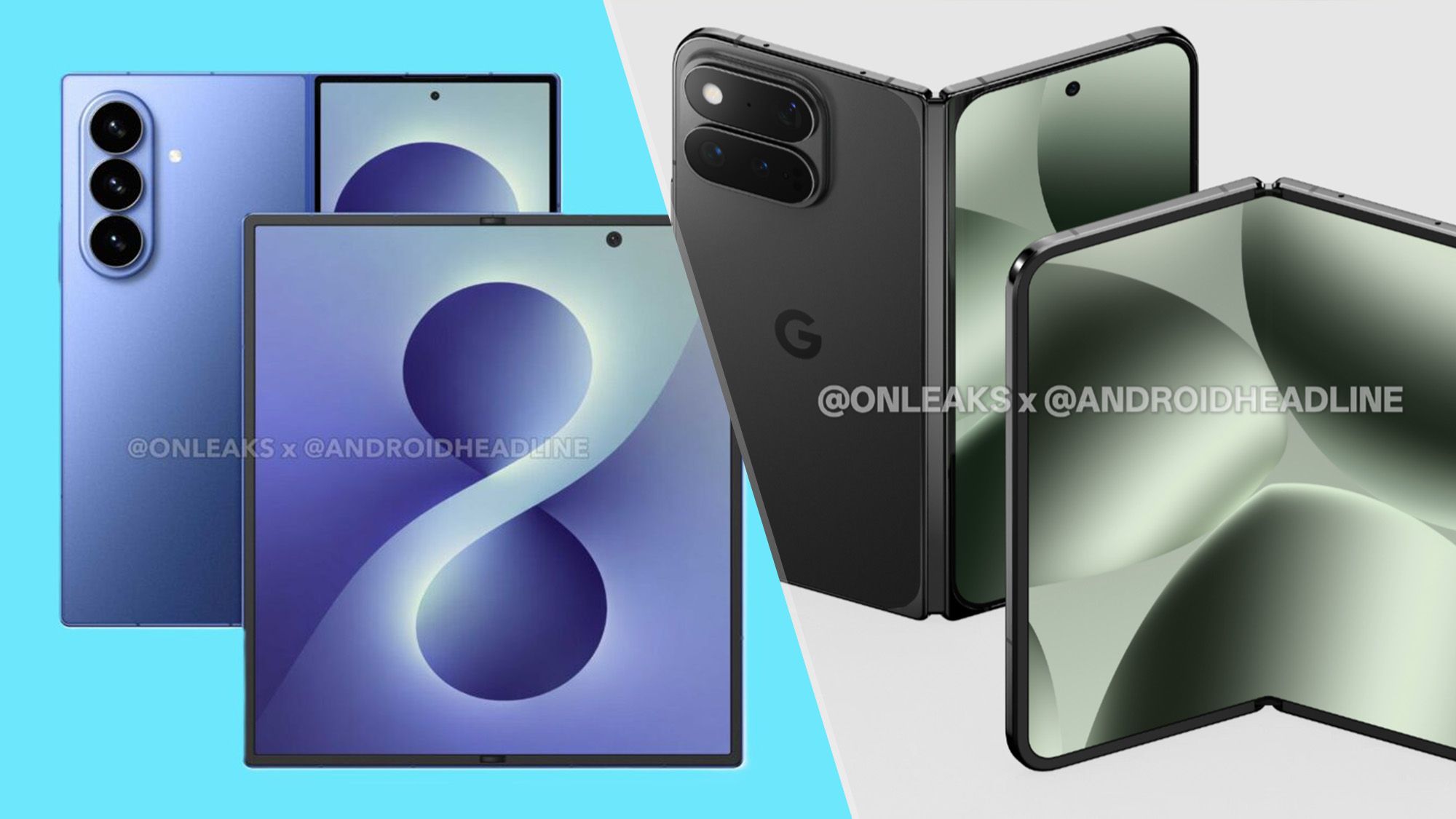
The last couple of months have seen the arrival of some seriously high-profile book-style foldable devices, with brands like Samsung, Motorola and Honor looking to set the standard before the imminent release of Apple’s first foldable, which some expect will be called iPhone Ultra.I’ve got the Samsung Galaxy Z Fold 8, the Honor Magic V6 and the Motorola Razr Fold lined up for testing — three of the most premium foldables of the year, each aiming for the same spotlight. They all promise big screens, big versatility and big leaps forward, but once you start living with them, the differences come into focus fast.I’m putting them through the same tests: design, cameras, battery life, multitasking, and everyday use. By the end, one of these foldables will stand out as the clear winner — not because of hype, but because it genuinely earns the spot.Galaxy Z Fold 8 vs Razr Fold vs Magic V6: Design
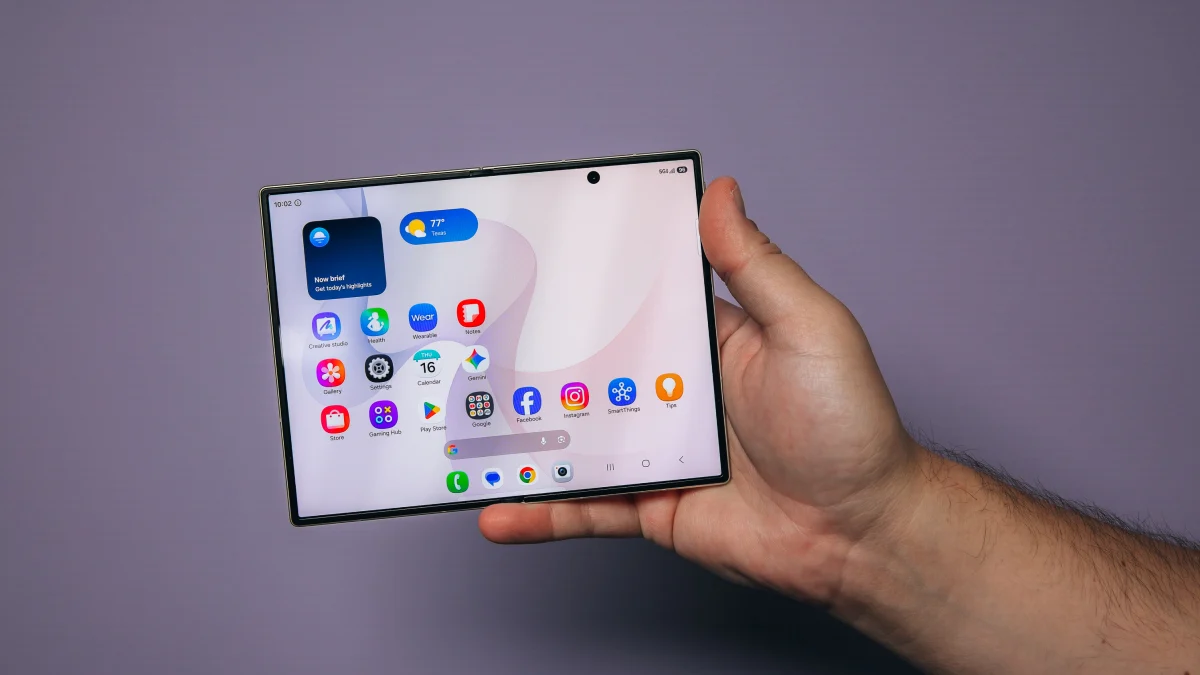
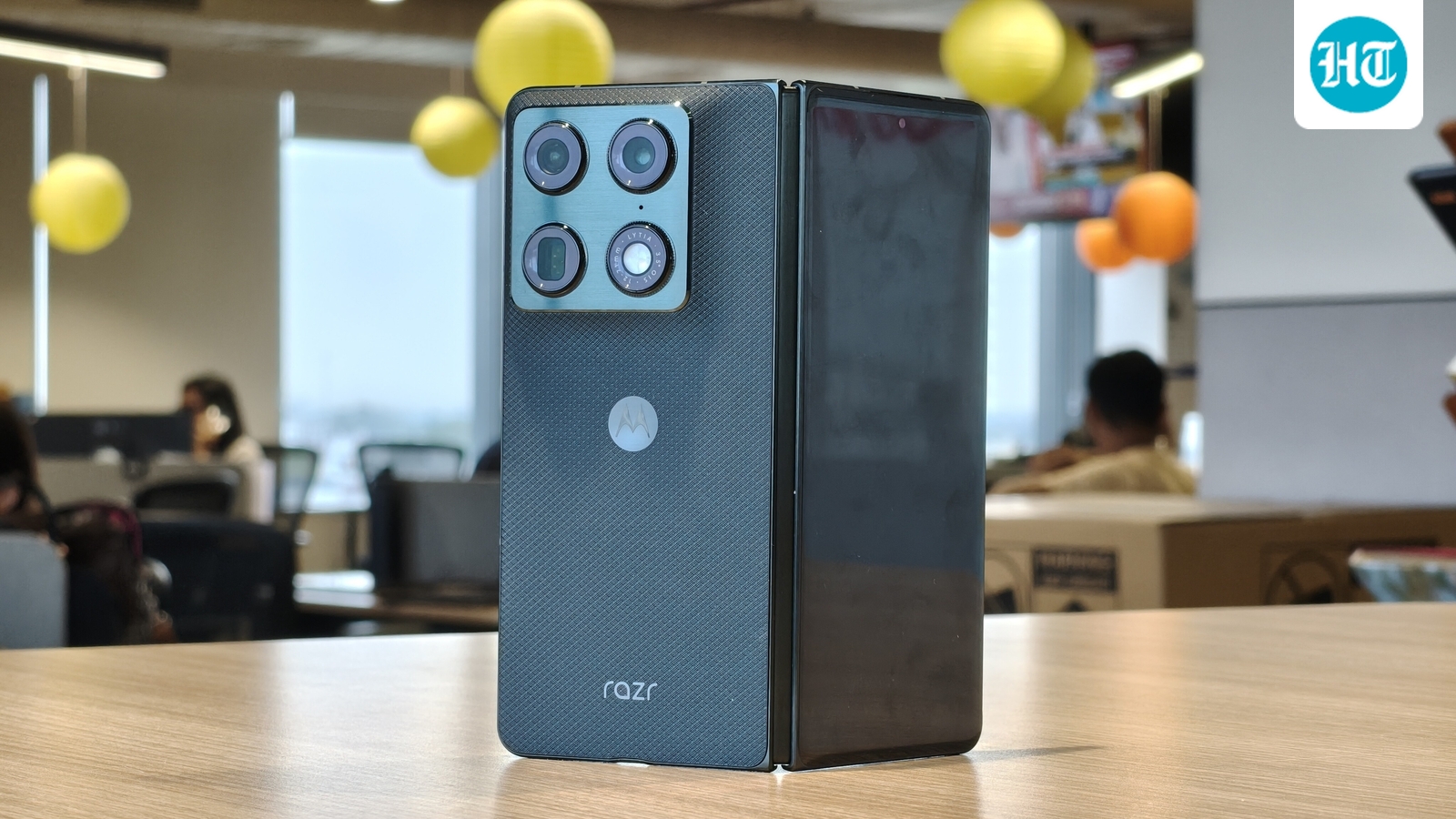
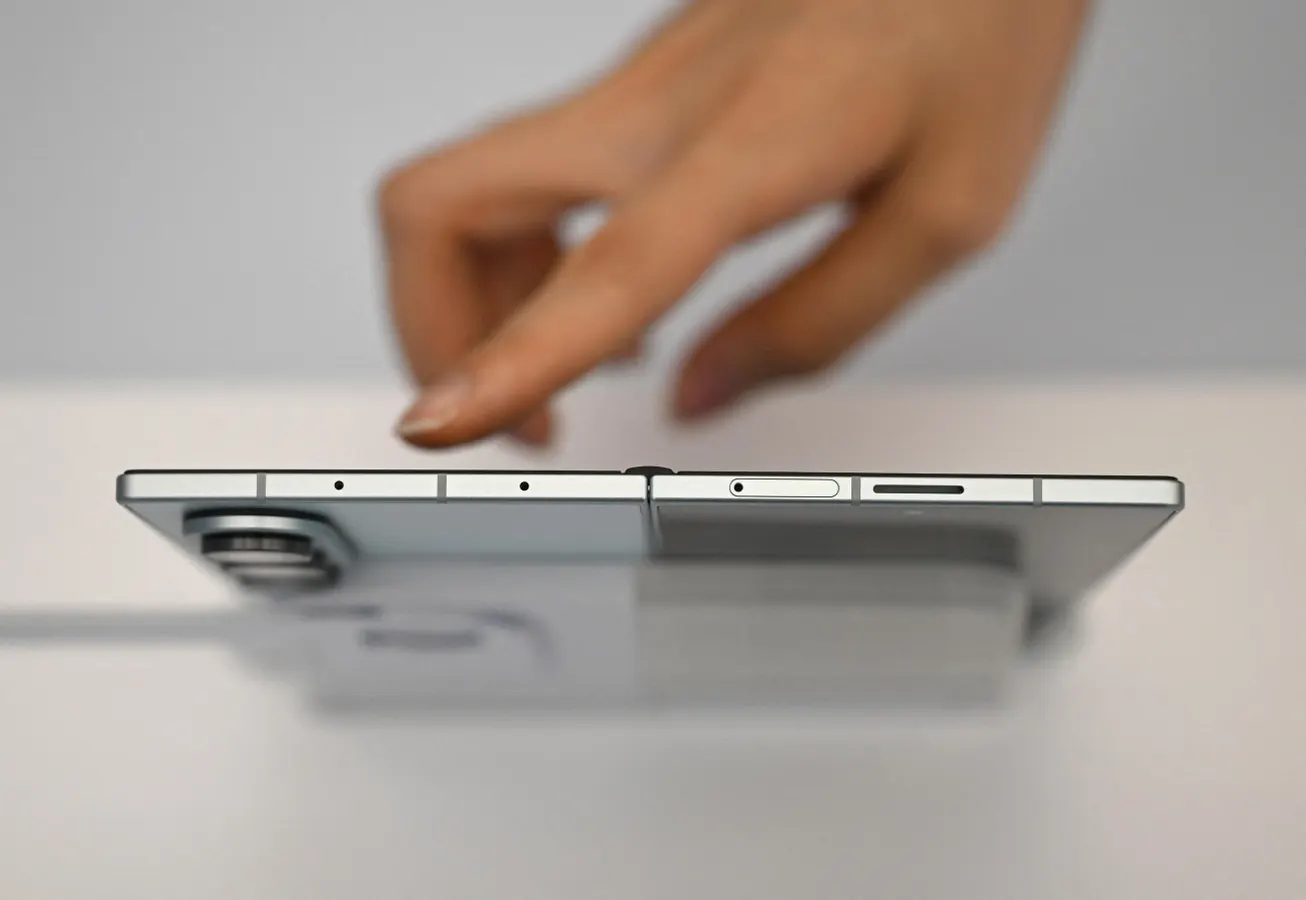
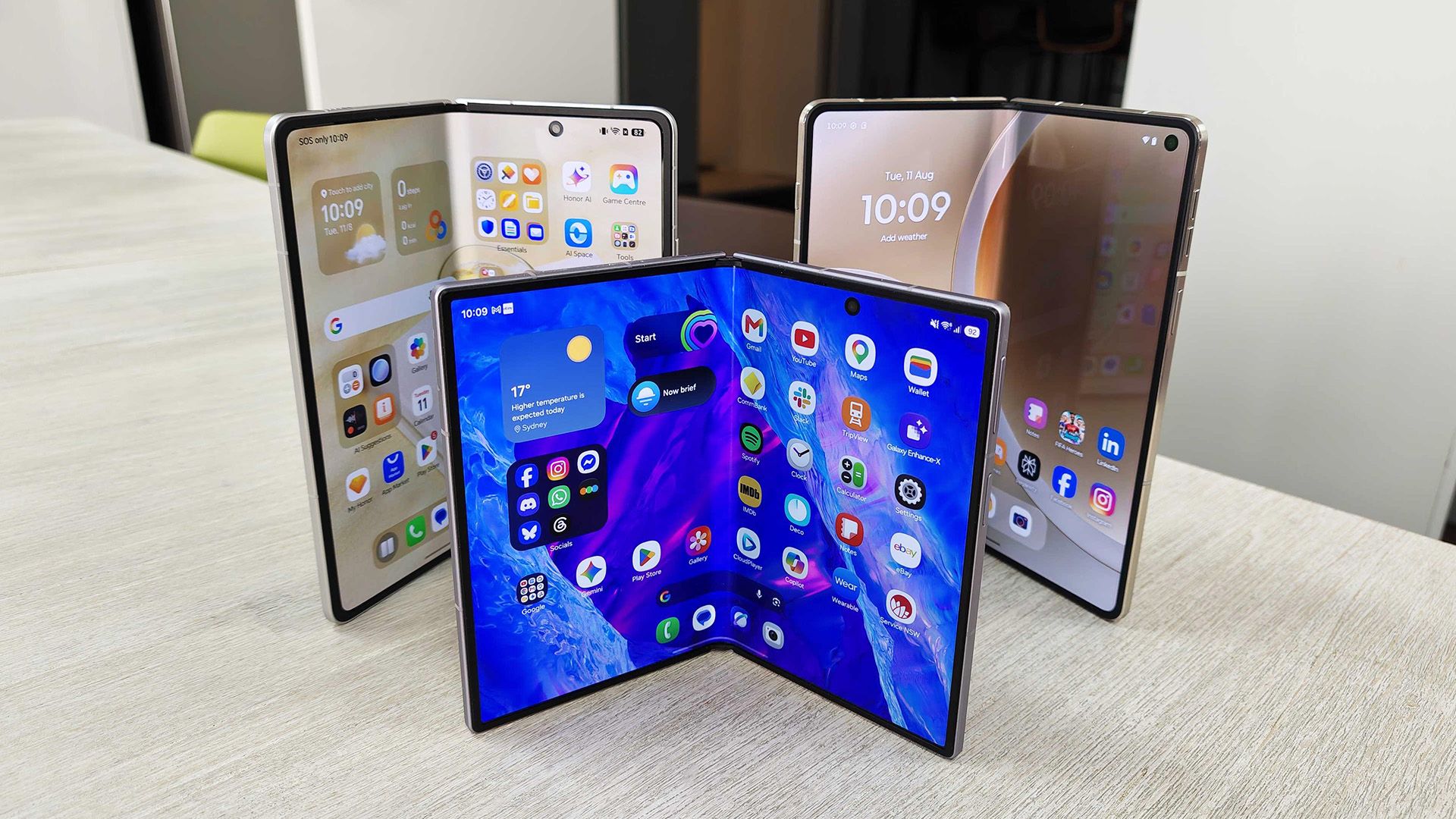
(Image credit: Tom's Guide)In terms of design, Samsung’s Galaxy Z Fold 8 feels like it’s finally cracked the code on what a book‑style foldable should be, though its short‑and‑wide design won’t be for everyone. Closed, it measures 153.5 x 68.1 x 12.1mm, which makes it noticeably shorter than most slab phones but still basically as wide as a Galaxy S26 Ultra. That width gives the cover screen a more natural feel for typing and scrolling, even if the squat shape takes a day or two to get used to.At 201g, the Galaxy Z Fold 8 is the lightest in its class, and when you pair that with sharp, squared‑off corners, it makes the device feel significantly more modern than the other two foldables in this face‑off. As for its hinge, it opens with a clean, confident motion and unfolds almost perfectly flat. On top of that, Samsung’s titanium plate and gapless micro‑perforated display stack have drastically minimised the crease — you can still feel it if you go looking for it, but visually it’s so faint that you forget it’s there within minutes. Combined with a new anti‑reflective coating, the Z Fold 8’s main display looks more like a single sheet of glass than a foldable screen. For me, it’s the first time a foldable has felt this seamless.Motorola’s Razr Fold takes a very different path, leaning into toughness rather than elegance. It’s noticeably heavier at 243 grams, and you feel that extra weight the moment you pick it up, but it’s the kind of heft that makes the phone seem more durable. It boasts a titanium inner plate, stainless steel hinge and Gorilla Glass Ceramic 3, all contributing to a chassis that feels reinforced in a way most foldables don’t. Even when opened, the Razr Fold stays impressively thin at 4.55mm, though its crease is far more noticeable than on the Galaxy Z Fold 8.The Razr Fold's hinge doesn’t have the snappy, almost playful motion of the Galaxy Z Fold 8 — it’s firmer, more deliberate, built to hold its position rather than glide. And while the Razr Fold technically shares the same IP48/IP49 protection class as Samsung, its overall construction feels more rugged and less fragile. It’s not the most stylish or pocket‑friendly design, but it’s the one that gives you the most confidence that it’ll survive being used like a normal phone rather than a delicate gadget.Get instant access to breaking news, the hottest reviews, great deals and helpful tips.