Algorithms engineered by tech giants are quietly deciding the character, identity, and moral boundaries of our children. When an algorithm incentivises vulgarity, hyper-sexualised content, and outrage over decency, it directly erodes the foundational character of a healthy childhood. As parents, we instill ethics and cultural values at home, but profit-driven algorithms rewrite those values the moment a child picks up a screen. From cyberbullying to severe mental health crises, we have seen the warning signs yet we hesitate to act.
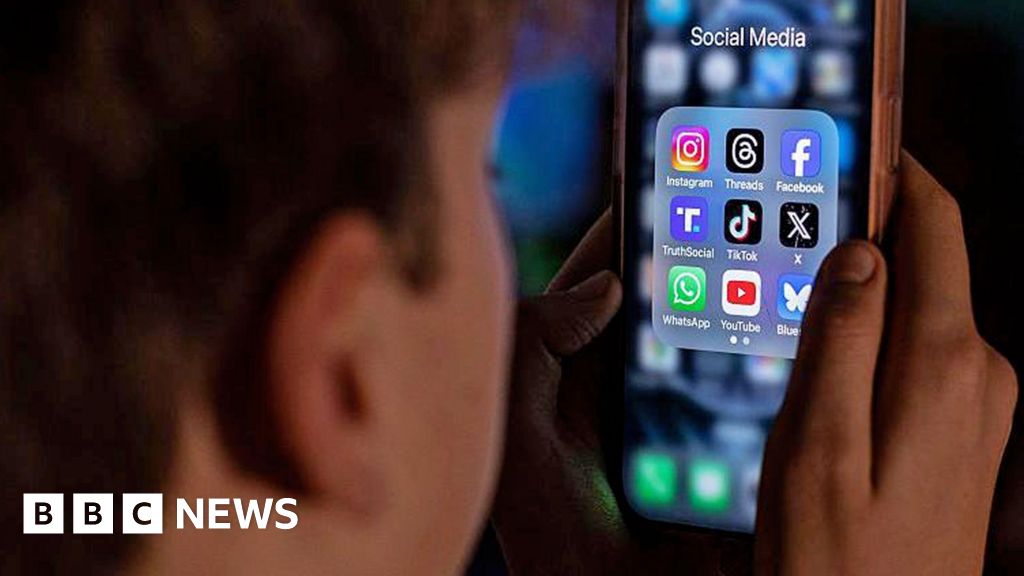
In today’s digital age, social media has become an addiction and my oft repeated statement is: if data is the new oil, then social media is the new opium.Social media platforms are often perceived as free services that enable people to connect and share information. However, behind these platforms are some of the world’s largest and most profitable businesses. Companies such as Meta (Facebook, Instagram, Threads), TikTok, Snap Inc, X Corp, and YouTube generate billions of dollars annually through advertising, subscriptions, data-driven marketing, and digital commerce.
Social media is therefore considered a business because its primary objective is to generate revenue and create value for shareholders while providing digital services to users. For most companies, user data becomes an economic asset through which they collect information such as pages followed, videos watched, search history and engagement with different types of content. These jargonised attention economies are deployed through Artificial Intelligence to attract and push personalised recommendations, notifications, and continuous content feeds designed to encourage addictive engagement. Most large social media companies are commercial enterprises with investors looking only to increase profits and market share, and improve their financial performance often at the expense of our youth’s character and cognitive health.Several countries have adopted or are introducing strict social media laws for children, although the nature of these laws varies. Some impose minimum age requirements, others require parental consent, while some focus on age verification, privacy protections, or limits on addictive platform features.Australia, which currently has the world’s most comprehensive national restrictions, has a minimum age of 16 years for accounts on designated social media platforms and says that companies can face substantial penalties for non-compliance. France has moved toward stricter controls for minors, which includes a minimum age of 15 years for opening social media accounts and legislation strengthens age-verification and child-protection requirements. The EU regulates child online safety primarily through the Digital Services Act, which requires large online platforms to protect minors from harmful content. In recent times Norway, Spain, Greece and Denmark have announced plans to strengthen age restrictions and digital protections.I headed a Joint Parliamentary Committee on the Personal Data Protection Bill in which this aspect was specifically dealt with and social media regulation was proposed much before the EU and Australia took a call on this subject. This report was subsequently presented in Parliament by Prem Prakash Chaudhary, as I had been appointed as a minister and he was appointed as the chairman of the JPC. The world is learning from its past mistakes and making amends. Should we not learn from them instead of going through the painful lessons?The path before India