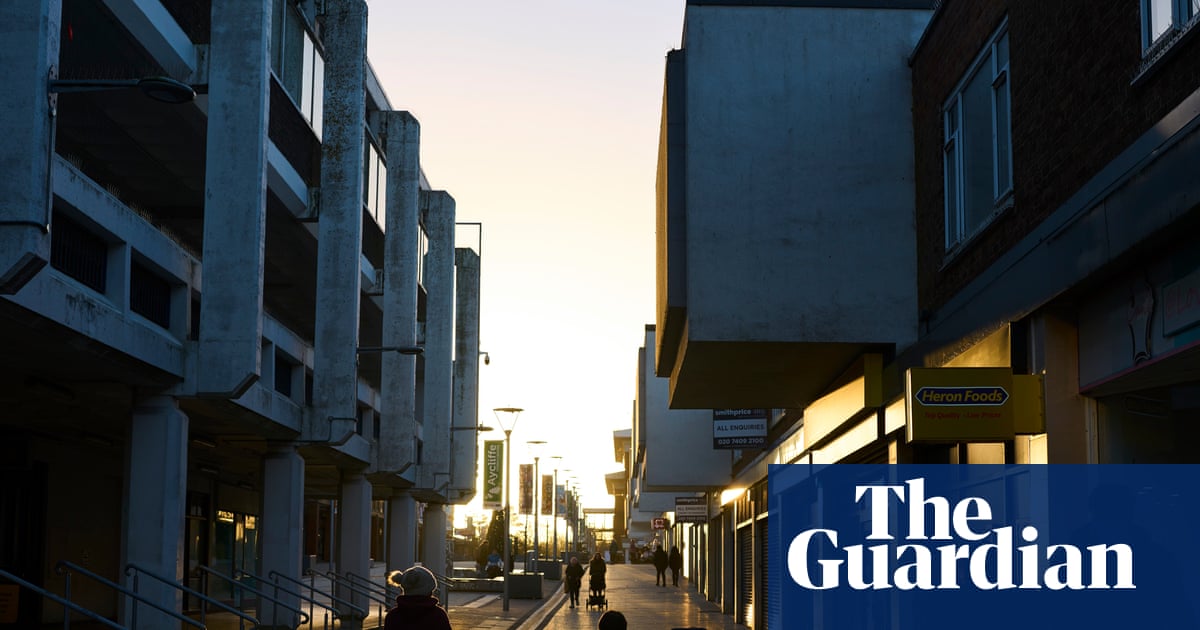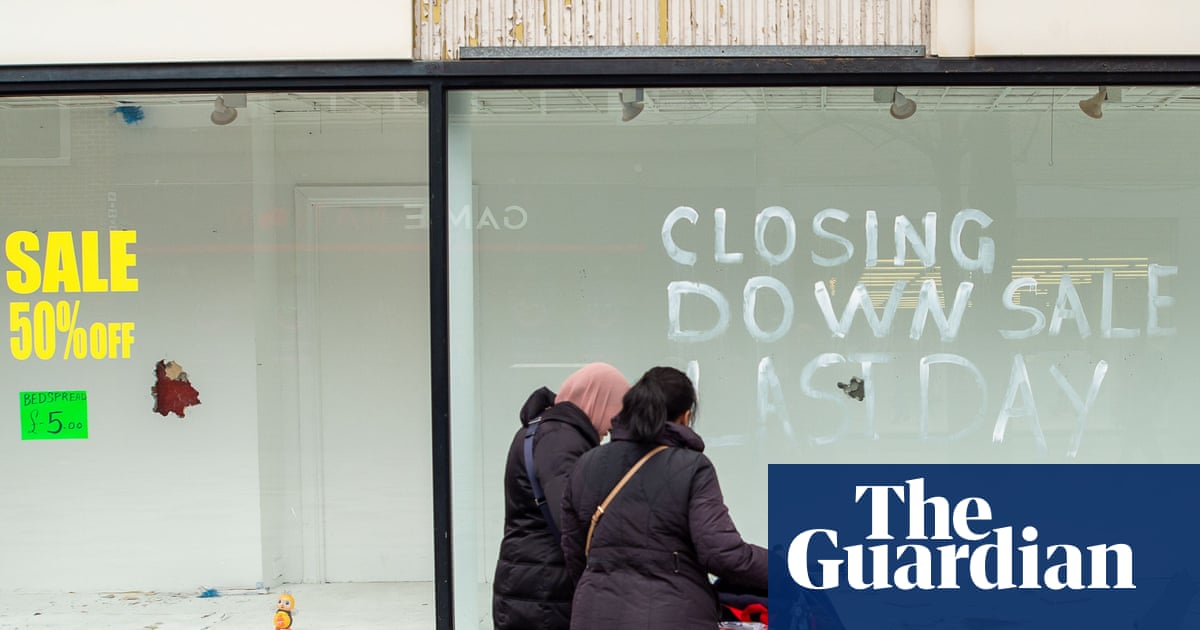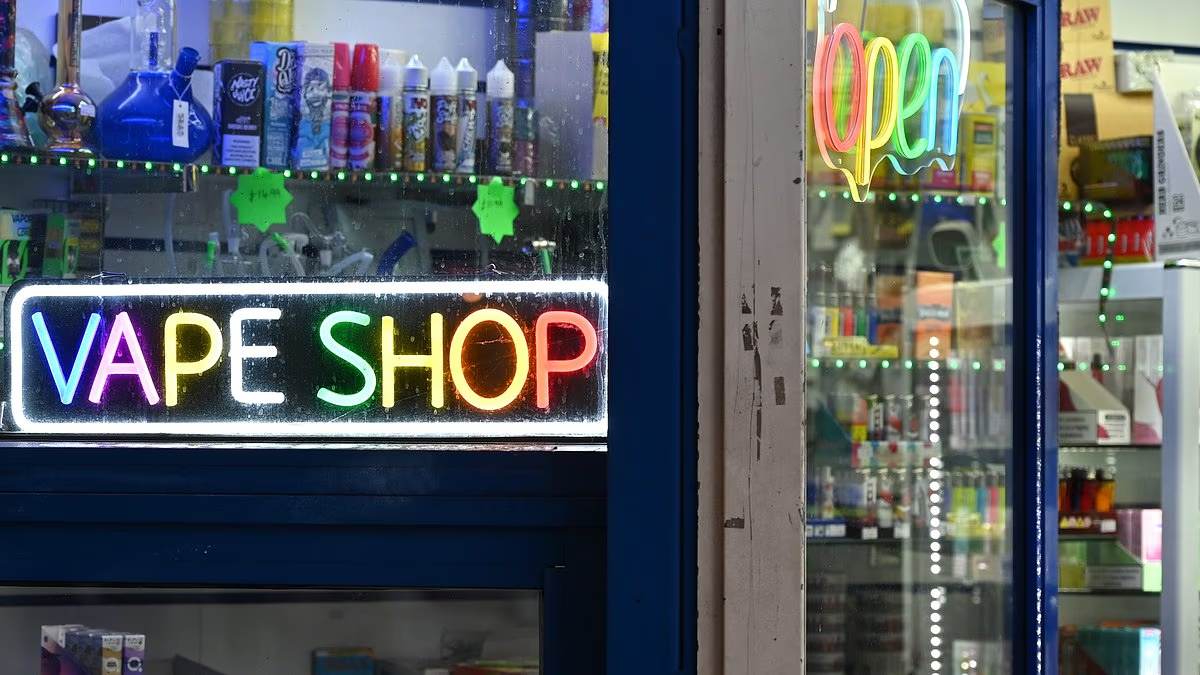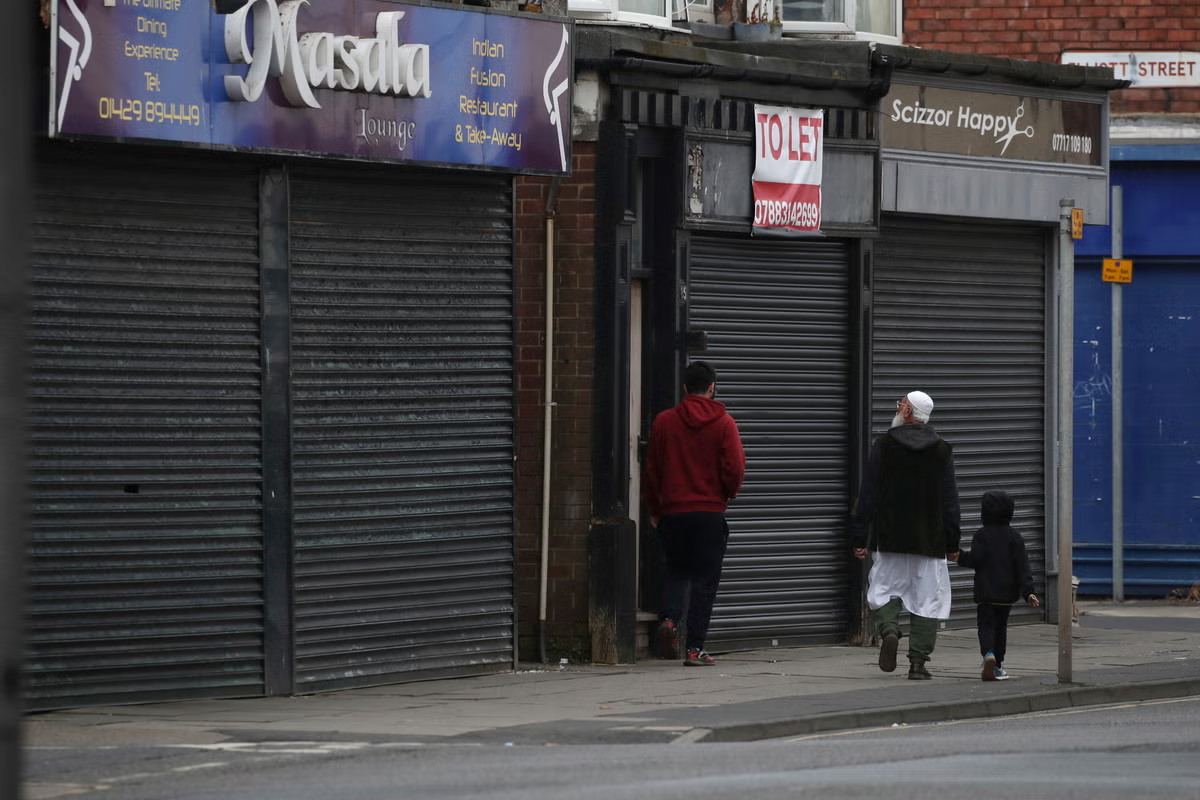
The “sepia-tinted” image of the Great British high street of a Woolworths, bookshop and pub has been replaced with complaints of too many barbers, vape shops and bookies.
The steady decline of the British high street has been decades in the making, albeit swiftly accelerated in the wake of the pandemic, but is no less a potent marker of how voters see the state of Britain – even if more of them are shopping online.
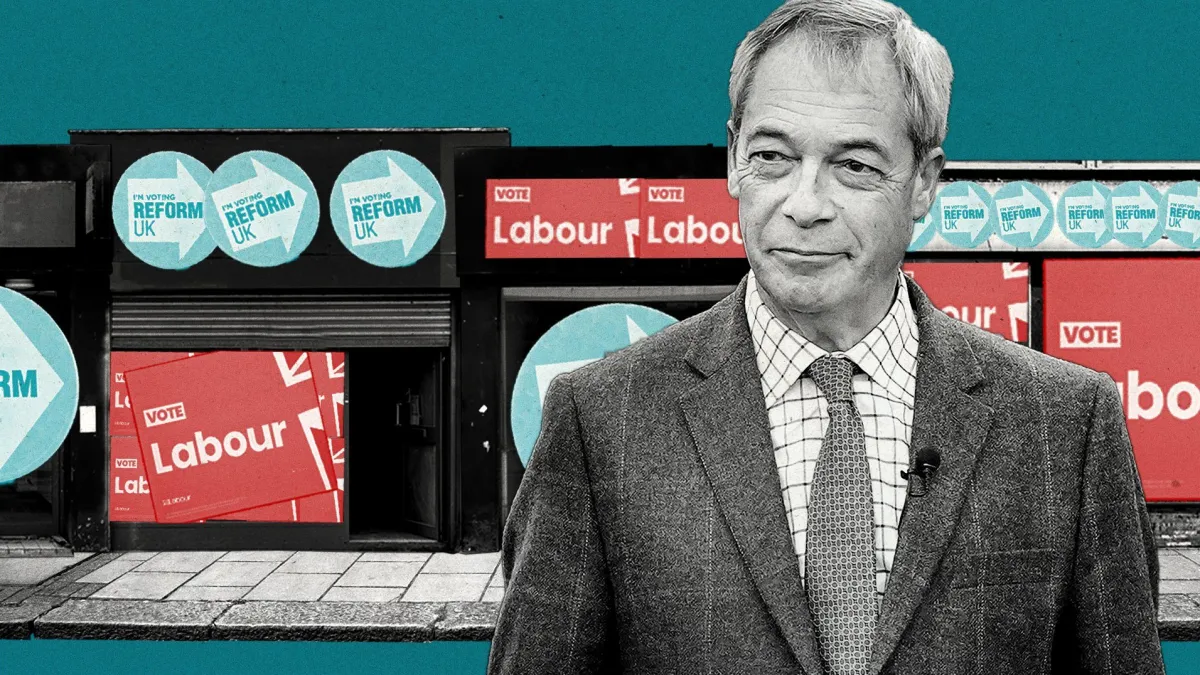
Nigel Farage has made hay criticising the high street – most controversially claiming that Turkish barber shops are fronts for money-laundering. Labour is not unaware of the need to act – promising at the election to breathe new life into the high street, which it described as the “lifeblood” of communities.
But with a crucial set of elections coming in May, and a general election due in a little over three years, there is concern among Labour MPs that the Government’s best endeavours will not be enough to convince voters that change is on its way.
Shorts