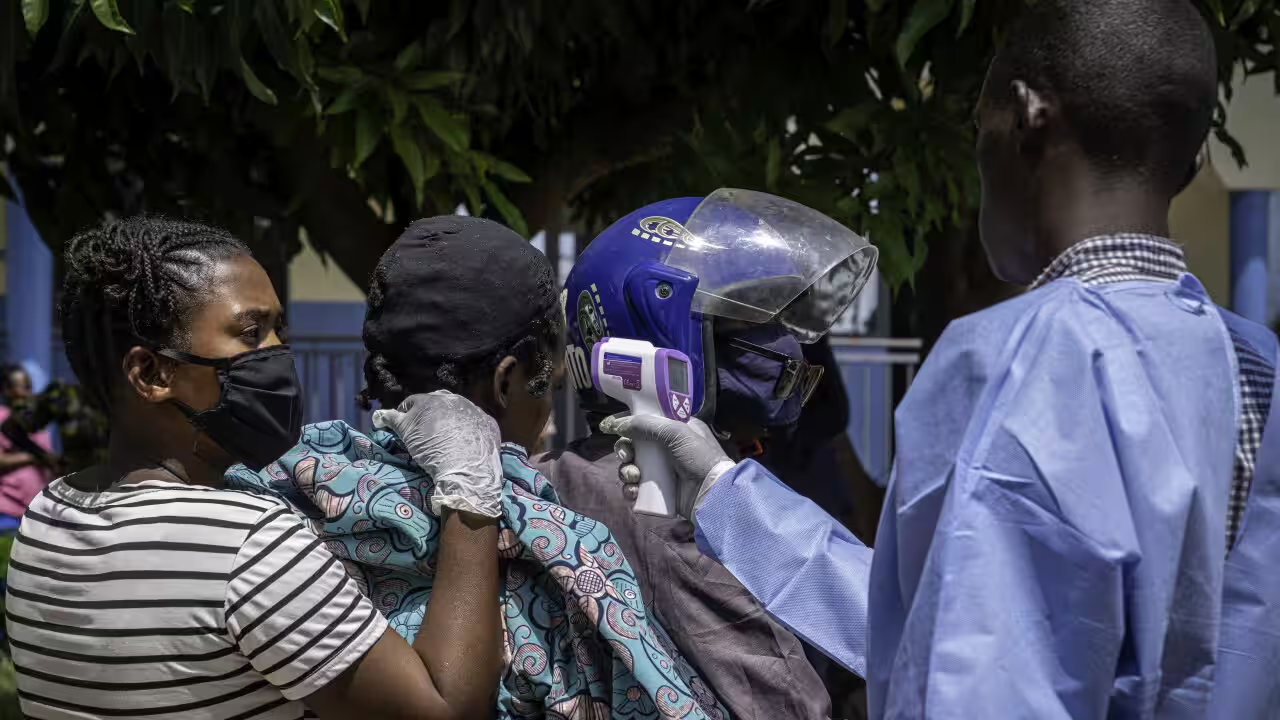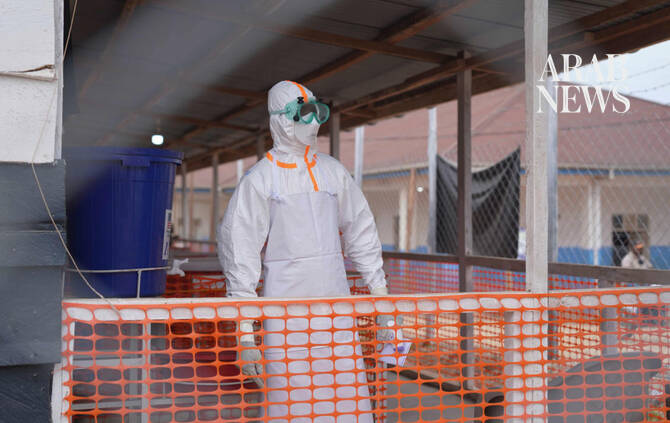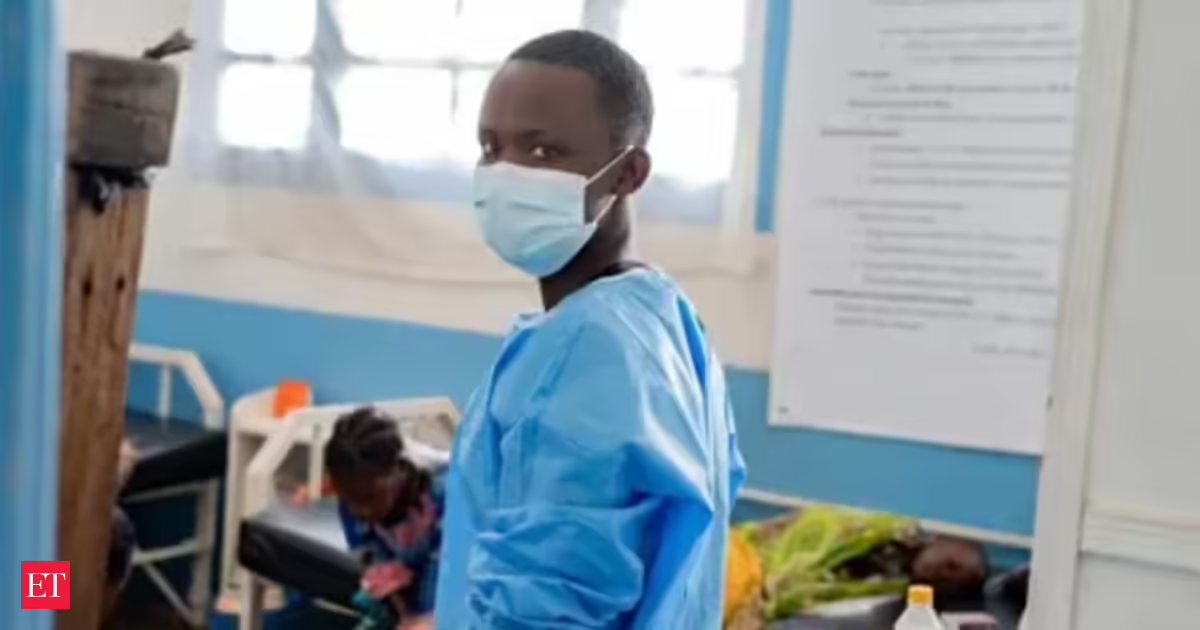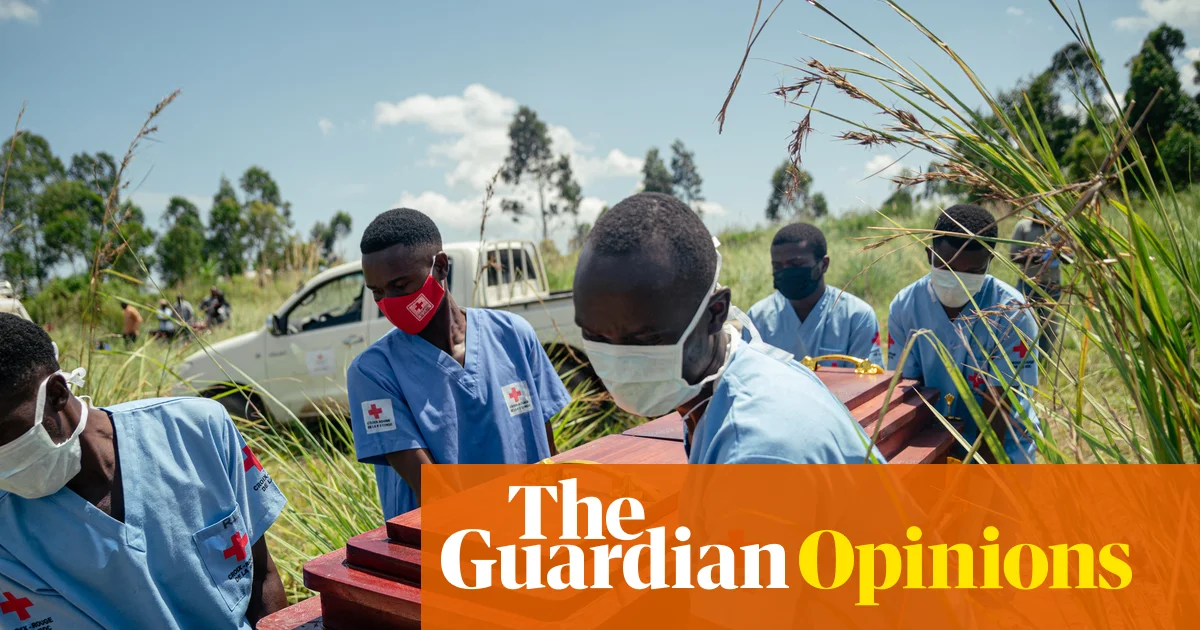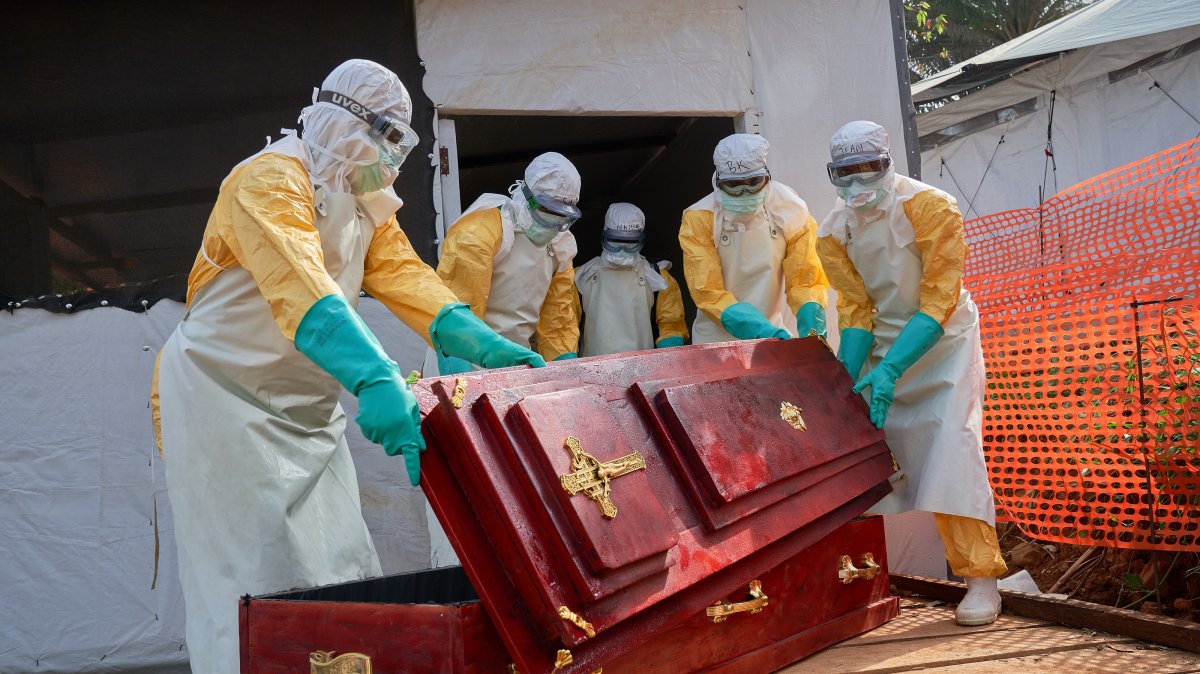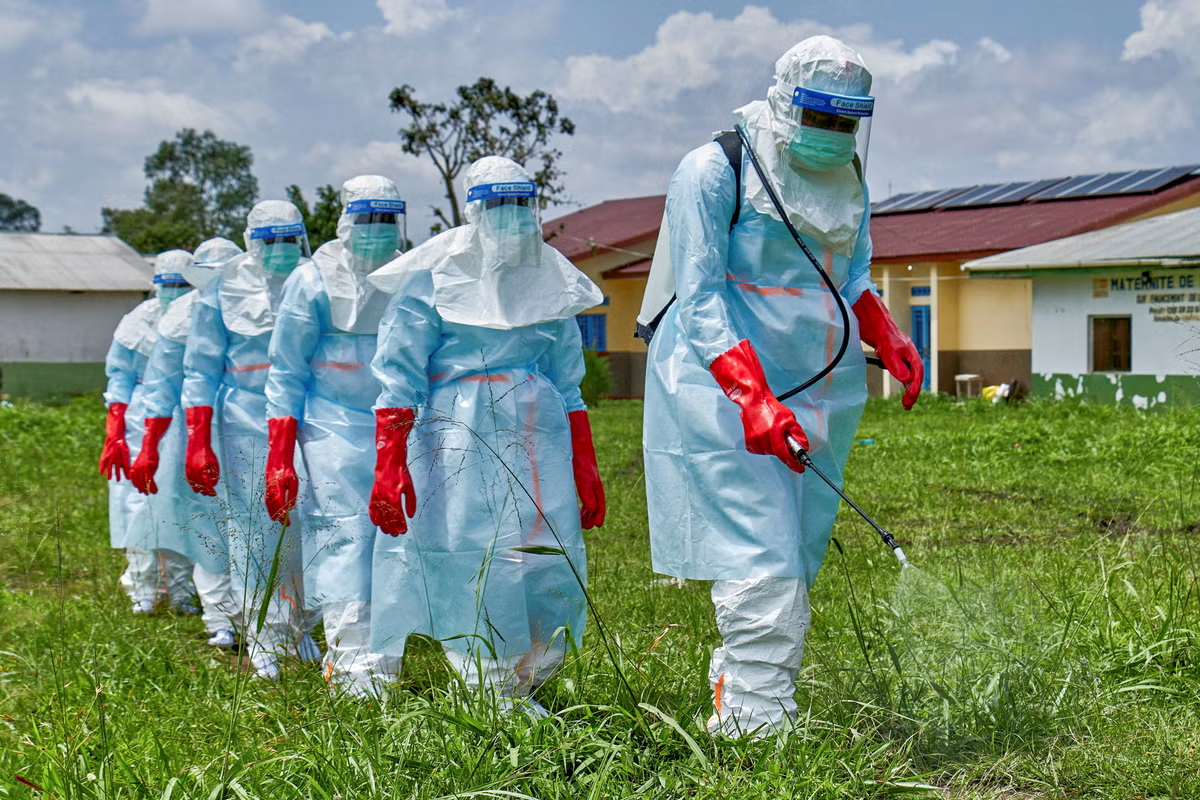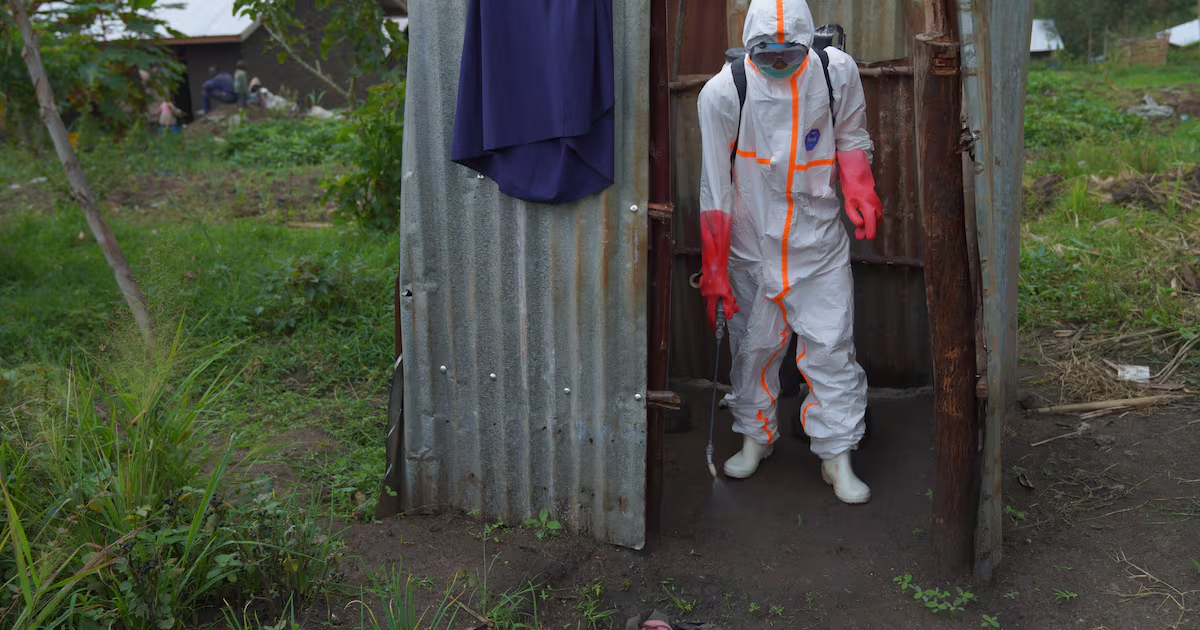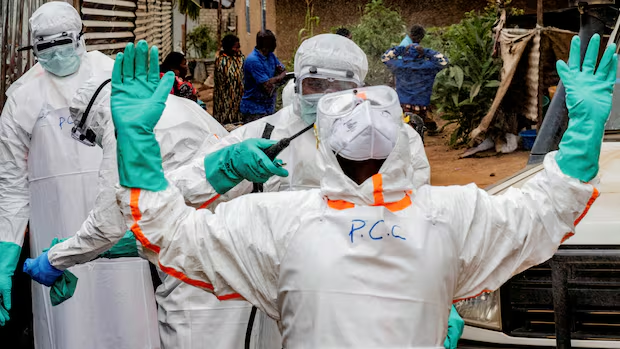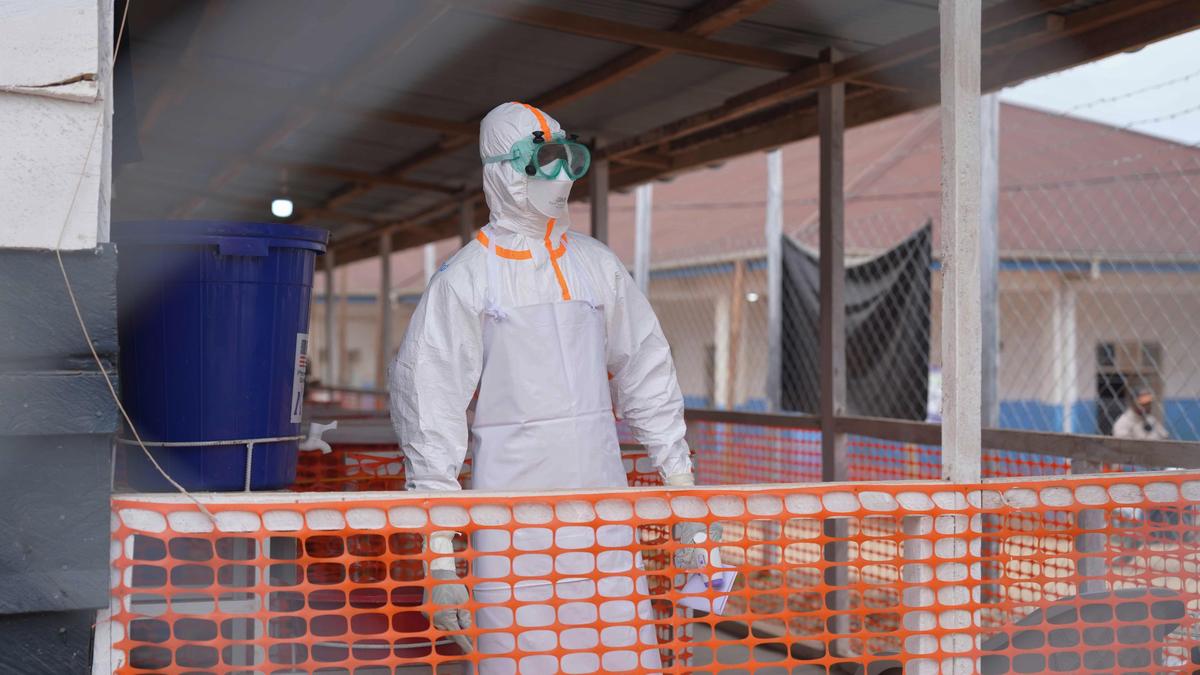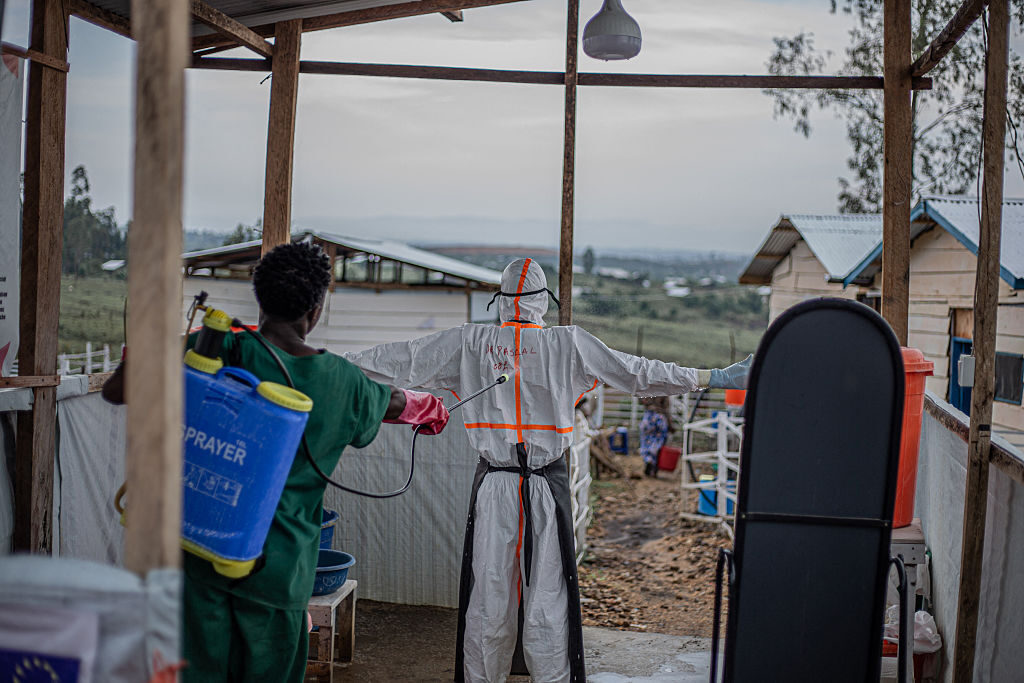
Ebola deaths in the Democratic Republic of the Congo surpassed 1,800 last week, the latest milepost in what marks the fastest-growing outbreak in the disease’s history.
The immediate challenge is containing the virus. The longer-term challenge is giving governments every reason to report outbreaks quickly, share information openly and work with international health authorities. American policy should reward that behavior, not punish it.
Every government confronting an infectious disease outbreak faces competing pressures. Reporting cases promptly can disrupt tourism, discourage investment, strain diplomatic relationships and expose political leaders to domestic criticism. Delaying disclosure may seem like the easier political choice.
That is precisely why American policy matters.
The United States cannot control whether every government acts responsibly when a dangerous disease emerges. It can, however, shape the incentives those governments face. If countries believe transparency will be met with partnership and fair treatment, they are more likely to report outbreaks early. If they conclude that cooperation brings no meaningful benefit — or even prolonged penalties — the incentive to remain silent becomes far stronger.