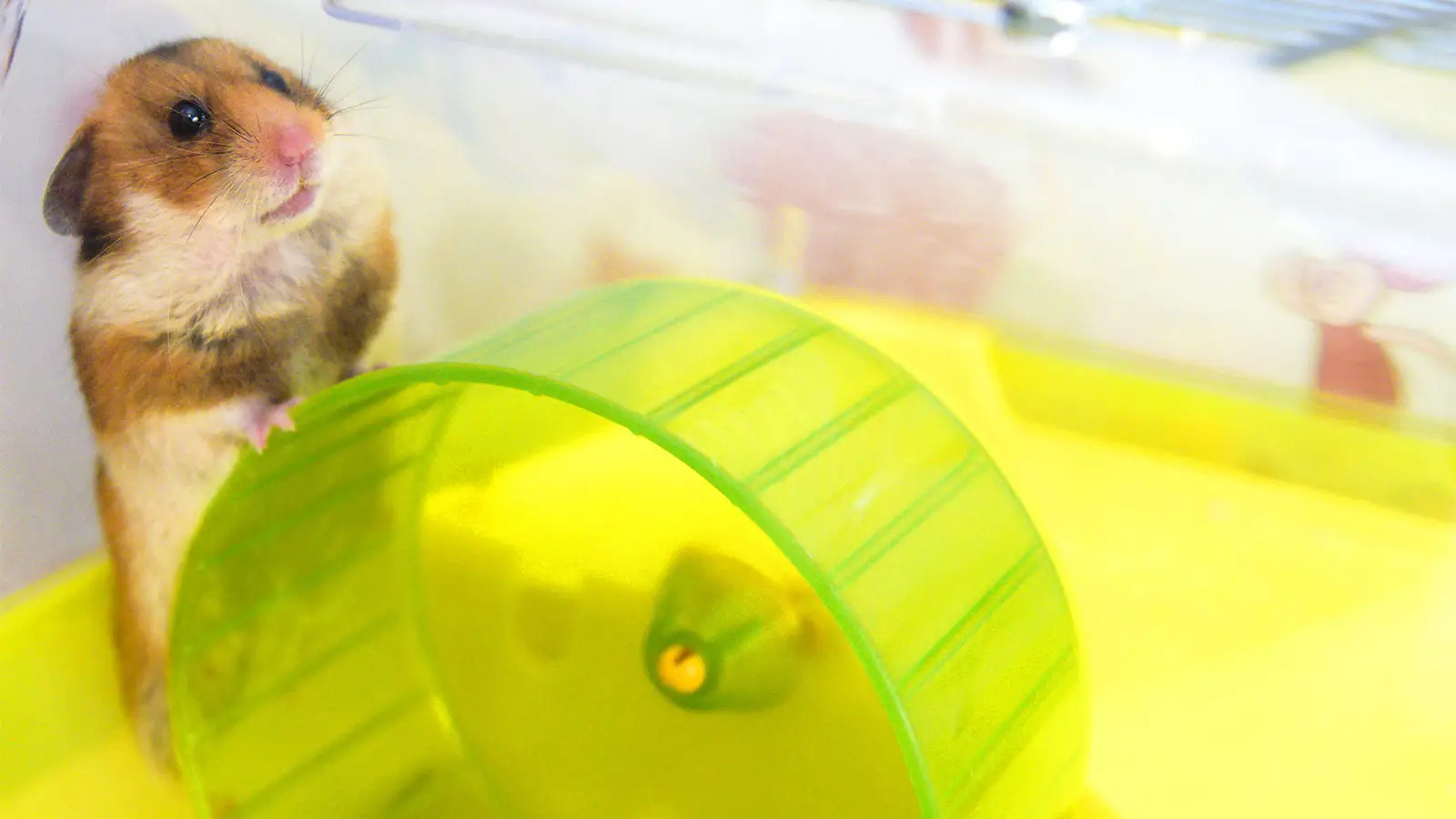
Hamster exposure was associated with autoimmune cerebellar ataxia in a hospital-based case-control study.This relationship was not seen with exposure to dogs, cats, or other animals.Exposed patients showed distinctive neurologic signs and inflammatory cerebrospinal fluid findings.
People with autoimmune cerebellar ataxia were more likely to have been exposed to pet hamsters versus a control group, a hospital-based study in China suggested.
Among patients matched on age and sex, hamster exposure was more common in those with autoimmune cerebellar ataxia compared with those with other autoimmune central nervous system disorders (56.1% vs 4.5%;adjusted OR 38.46, 95% CI 10-142.86, P<0.001), reported Hongzhi Guan, MD, PhD, of the Chinese Academy of Medical Sciences and Peking Union Medical College in Beijing, and co-authors.
This relationship was not seen with any other animals, the researchers wrote in the Journal of Neurology, Neurosurgery & Psychiatry. "There is no significant correlation between other pets and autoimmune cerebellar ataxia, including dogs and cats," Guan noted in an email.
The median duration of hamster exposure was 12 months. Eleven patients had a history of hamster bites, and the median interval from bite to ataxia onset was 6 months.