TL;DRCorma raised $60M seed from Sequoia, Khosla, Coatue. Building first defensive cybersecurity foundation model. In simulations, AI attackers won 88%, defenders caught 12%. Already deployed at Fortune 100/500 orgs. Team from DeepMind and Unit 8200.
In hundreds of simulations modelled on Fortune 500 companies with dozens of security tools, Corma tested leading AI models including GPT and Claude. First, the models attacked the simulated organisations and planted persistent threats. Then the same models were asked to defend and find what they had planted.
The attackers succeeded in 88% of simulations. The defenders caught 12%. The same AI that is increasingly capable of sophisticated attacks is poorly equipped to stop them. Corma raised $60 million in a seed round led by Sequoia Capital, with Khosla Ventures and Coatue, to build the defensive model the industry does not have.
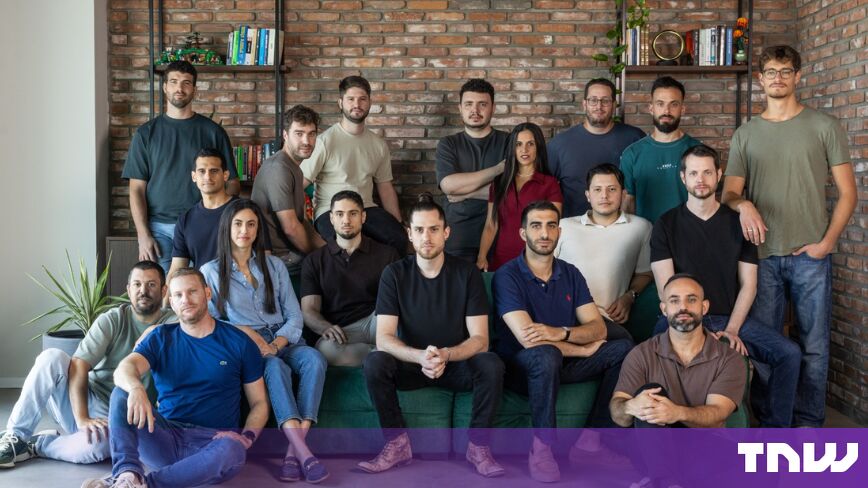
The company, founded in 2025 and headquartered in Tel Aviv and San Francisco, is building a foundation model from the ground up for cybersecurity defence. Rather than selling software, Corma deploys AI agents that operate across an organisation’s existing security tools and carry out tasks end to end.
“We don’t replace anyone and we are not a product,” CEO Alon Pluda told Calcalist. “We sell virtual human resources.” Each organisation determines how many it needs. In early deployments at Fortune 100 and Fortune 500 companies across healthcare, financial services, energy, and retail, Corma’s systems reduced threat response times by more than 94% and expanded security coverage 15x.