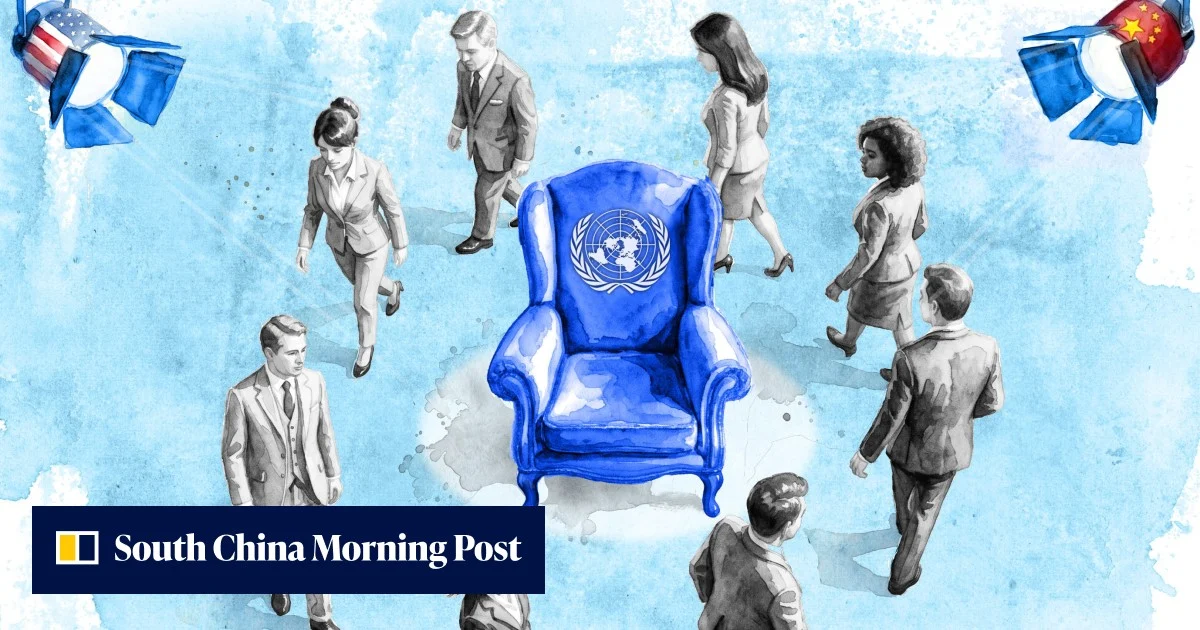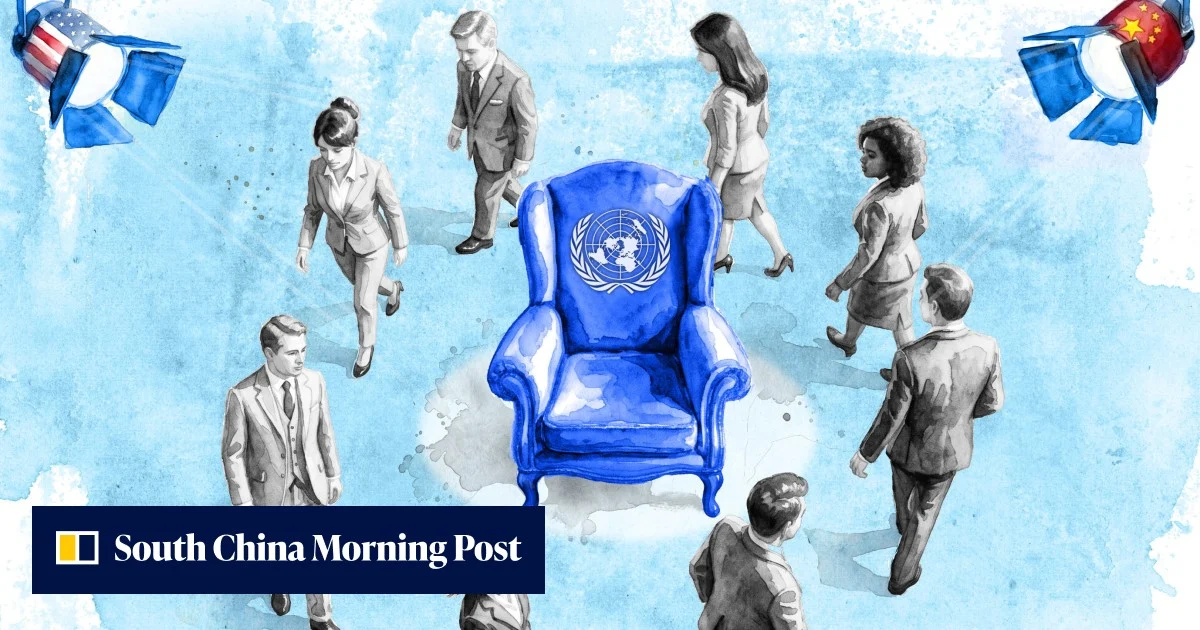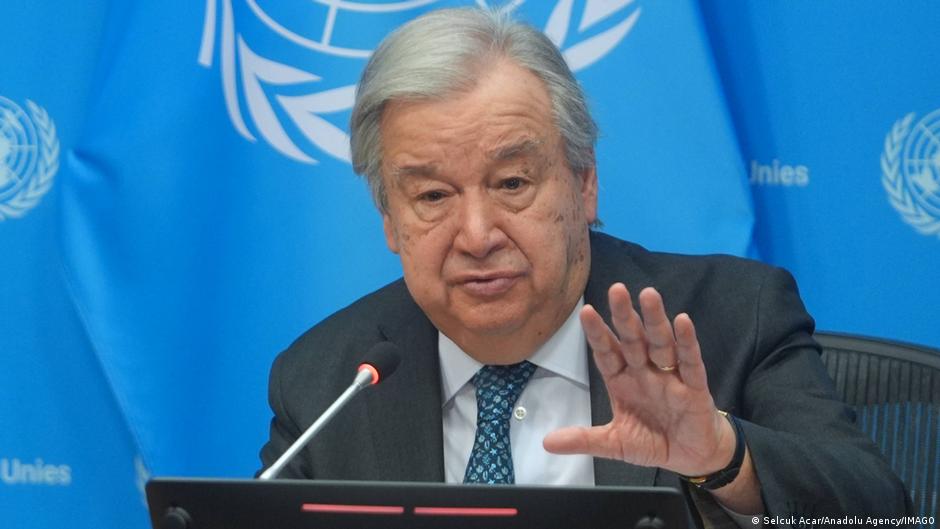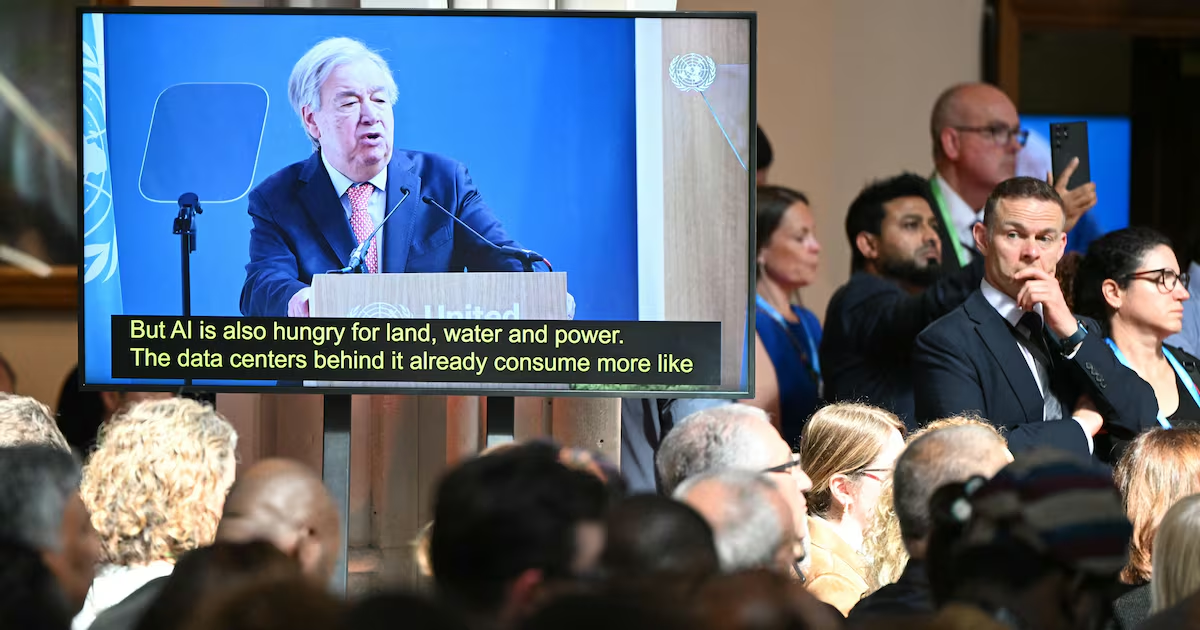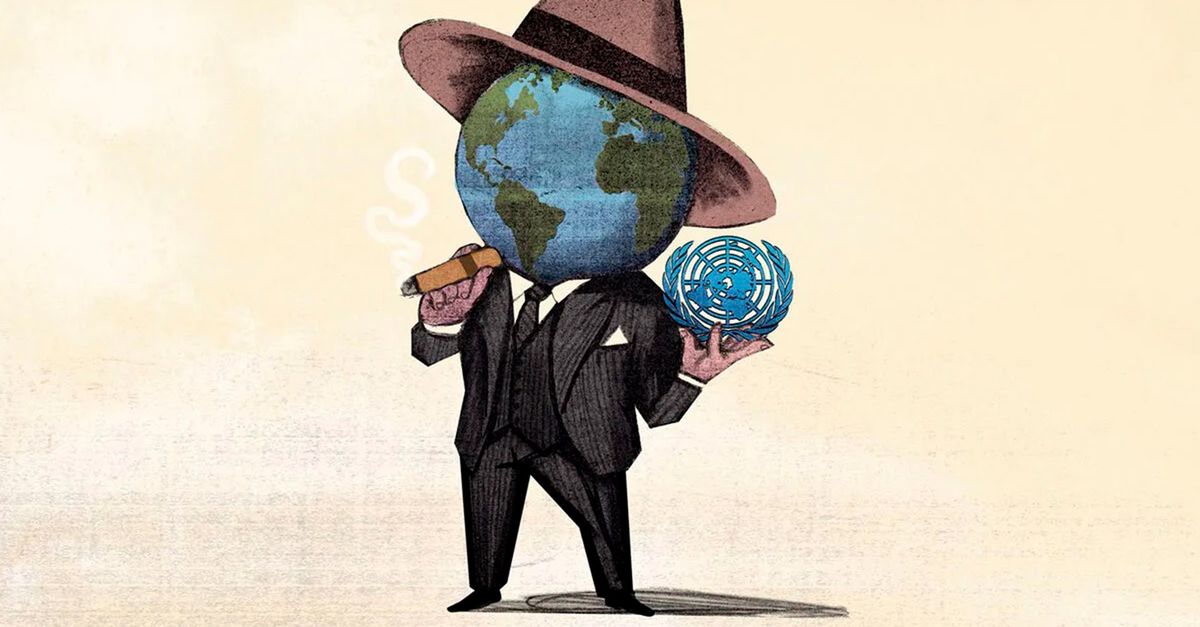
Why does the United Nations still exist? The question is timely because the contest is now under way to choose the UN’s next secretary-general, before the two-term incumbent, António Guterres, steps down at the end of this year. There are seven declared candidates to date. Whoever wins will find the world in a gangsterish state.
Presidents Donald Trump and Vladimir Putin sound like mob bosses when they threaten to punish countries that fail to show respect. Extortion is a tool of foreign policy, as choke points generate protection rackets. When Iran seeks concessions from neighbours and adversaries by closing the Strait of Hormuz, or when America and China seek to win trade wars by controlling sales of prized technologies and inputs, they are acting like racketeers.
De redactie van NRC selecteert de beste artikelen uit The Economist voor een breder perspectief op internationale politiek en economie.
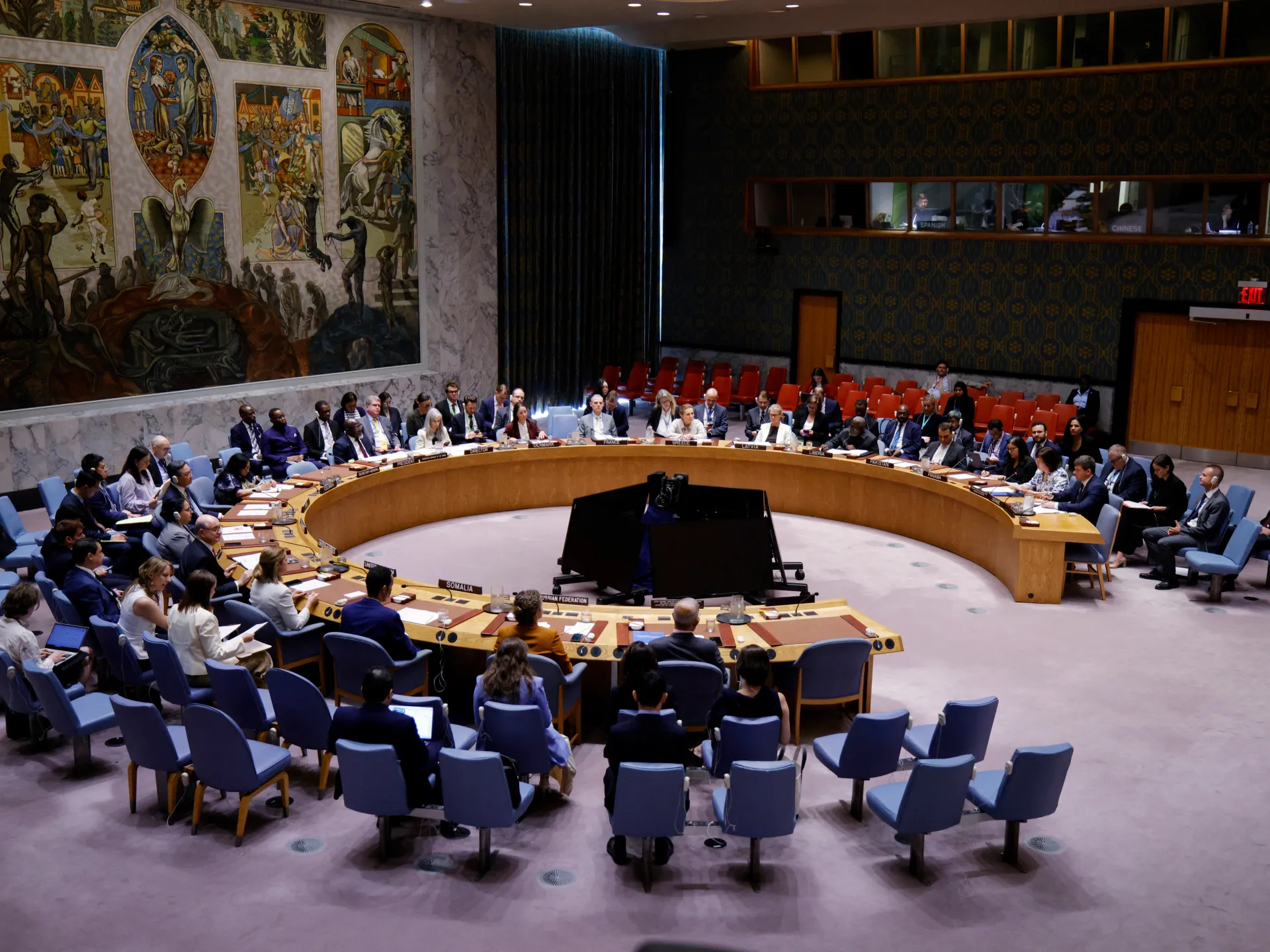
Unfortunately for the UN, the world’s most disruptive bullies, America, China and Russia, each enjoy a veto over its actions and top appointments, as permanent members of the Security Council. A pair of cash-strapped middle powers, Britain and France, are also members of the club of five permanent members, or P5. (The British and French try not to use their vetoes, though. In part they worry about the UN being paralysed by great-power squabbling. In part they know that their P5 rank is a legacy of their former importance, and others would strip it from them if they could.)