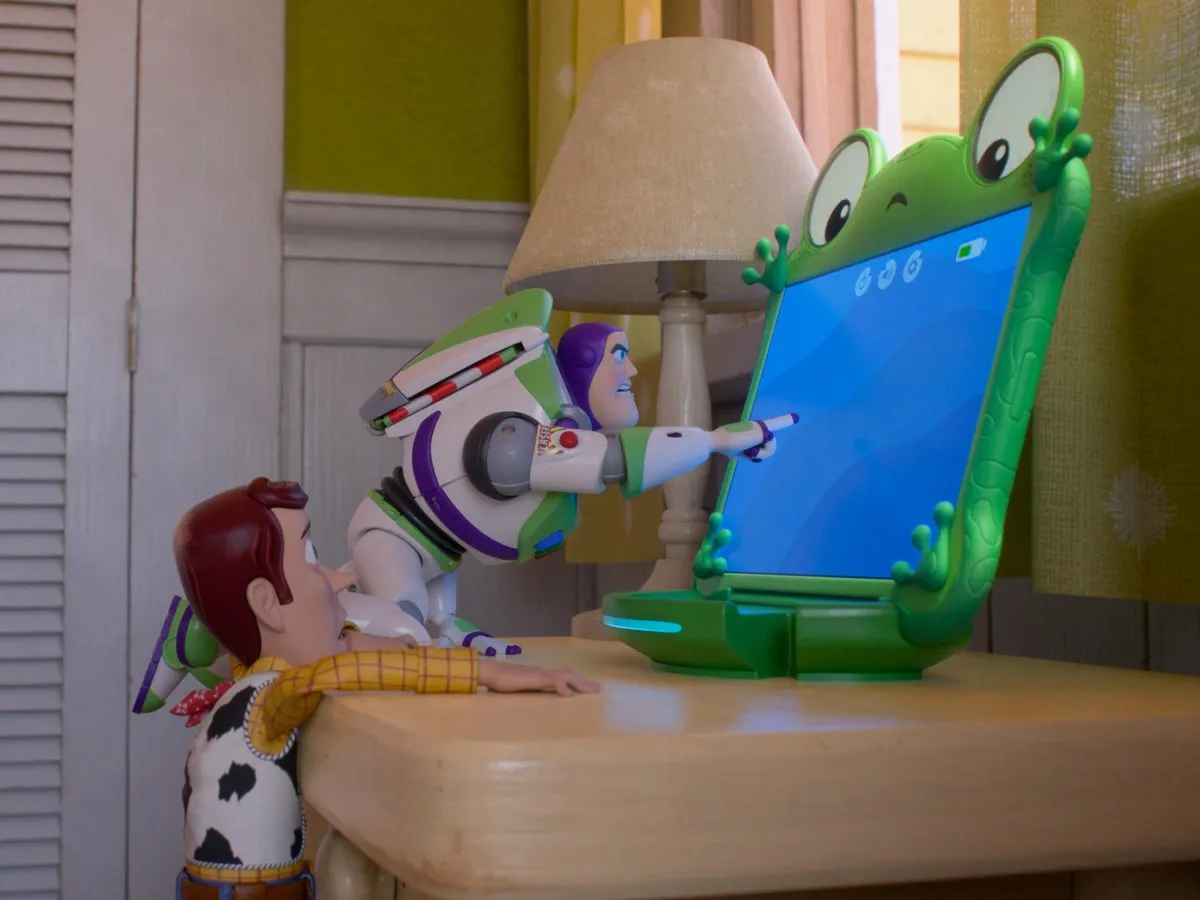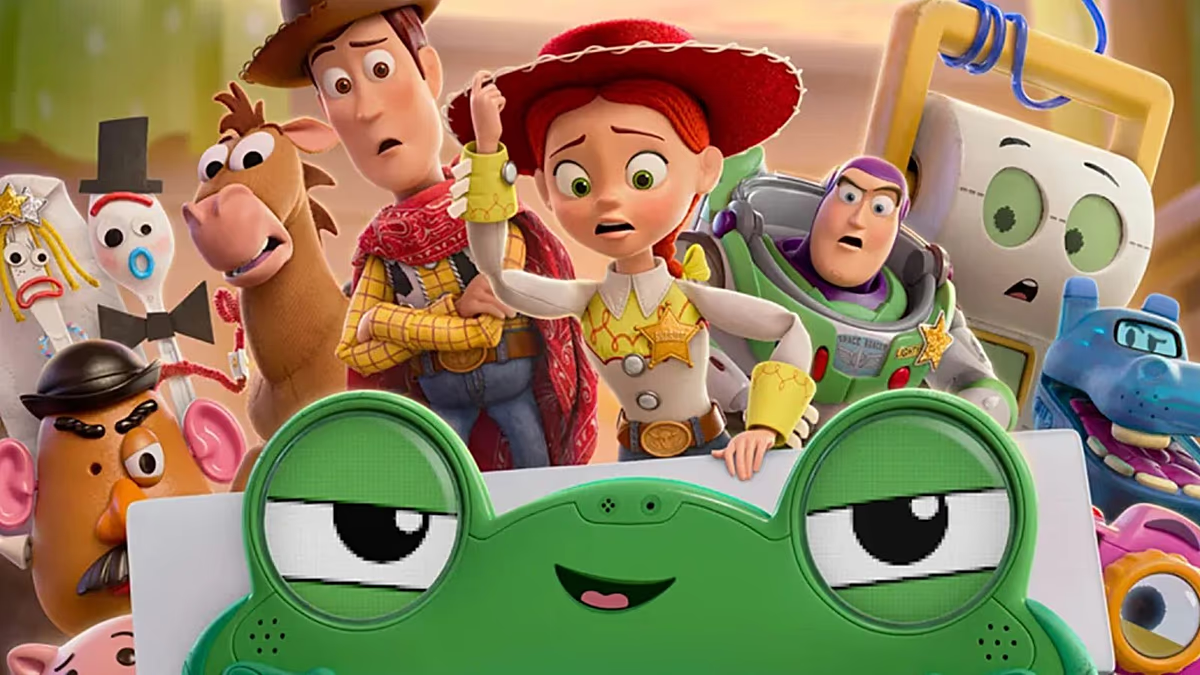
Skip to Content Subscribe Our Offers My Account Manage My Subscriptions FAQ Newsletters Canada Canadian True Crime Canadian Politics Health World Israel & Middle East Financial Post NP Comment Longreads Puzzmo Diversions Comics NP News Quiz New York Times Crossword Horoscopes Life Eating & Drinking Style Sponsored Play for Ontario Travel Travel Canada Travel USA Travel International Cruises Travel Essentials Culture Books Celebrity Movies Music Theatre Television Business Essentials Advice Lives Told Tails Told Shopping Buy Canadian Home Living Outdoor Living Kitchen & Dining Tech Style & Beauty Personal Care Entertainment & Hobbies Gift Guide Travel Guide Amazon Prime Day Deals Savings National Post Store More Sports Hockey Baseball Basketball Football Soccer Golf Tennis Driving Vehicle Research Reviews News Gear Guide Obituaries Place an Obituary Place an In Memoriam Classifieds Place an Ad Celebrations Working Business Ads Archives Healthing Epaper Manage Print Subscription Profile Settings My Subscriptions Saved Articles My Offers Newsletters Customer Service FAQ Newsletters Canada World Financial Post NP Comment Longreads Puzzmo Diversions Life Shopping Epaper Manage Print Subscription HomeMoviesDisney’s dilemma with Toy Story 5The technology behind original movie is now under questionLast updated 16 minutes ago You can save this article by registering for free here. Or sign-in if you have an account.Woody and Buzz Lightyear in Toy Story 5. Photo by Disney/PixarWe independently select everything we recommend. Buying through us may earn us a commission, which supports our work.Three decades ago, the first Toy Story movie burst onto cinema screens, its computer-generated animation signalling a stunning new cinematic breakthrough.Enjoy the latest local, national and international news.Exclusive articles by Conrad Black, Barbara Kay and others. Plus, special edition NP Platformed and First Reading newsletters and virtual events.Unlimited online access to National Post.National Post ePaper, an electronic replica of the print edition to view on any device, share and comment on.Daily puzzles including the New York Times Crossword.Support local journalism.Enjoy the latest local, national and international news.Exclusive articles by Conrad Black, Barbara Kay and others. Plus, special edition NP Platformed and First Reading newsletters and virtual events.Unlimited online access to National Post.National Post ePaper, an electronic replica of the print edition to view on any device, share and comment on.Daily puzzles including the New York Times Crossword.Support local journalism.Create an account or sign in to continue with your reading experience.Access articles from across Canada with one account.Share your thoughts and join the conversation in the comments.Enjoy additional articles per month.Get email updates from your favourite authors.Create an account or sign in to continue with your reading experience.Access articles from across Canada with one accountShare your thoughts and join the conversation in the commentsEnjoy additional articles per monthGet email updates from your favourite authorsSign In or Create an AccountorBut these days, technology is increasingly suspect, and now we have a bizarre situation that sees one of the most successful franchises in Hollywood history questioning its very roots with a cautionary tale about the perils of progress.Toy Story 5 may be making tons of money, but it also finds itself under assault from more than one quarter. There are those who think this latest instalment in a lucrative CGI success story shows a further decline in quality. There are others who applaud it for reflecting current social concerns by putting Woody and his toy-box pals under threat from a menacing tablet named Lilypad. There are still others who, believing that all tech advancement is sacrosanct, see Toy Story 5 as an outrageous act of betrayal by a franchise that owes its very existence to the march of progress.Meanwhile, an online trawl through this continuing debate suggests that many feel that this latest Pixar entry doesn’t go far enough.“Toy Story 5 chickens out on its critique of our own Tech Addictions” — that’s the verdict of one reviewer.There’s a delicious irony to this situation. Thirty years ago when the original Toy Story romped onto screens and demonstrated the wonders of computer-generated imagery, it was hailed as revolutionary. Such accolades were premature: there were serious limitations to the technology.But mythology prevailed, and as Hollywood scrambled to get onto the CGI bandwagon, traditionalists would see Toy Story and what it represented as a high-tech enemy, an unstoppable force that would kill the classic, hand-drawn artistry that had given us films such as Bambi, Snow White and The Lion King.This was always a faulty indictment. Traditional animation remains with us to this day — but not at major Hollywood studios where the boardroom brass, always seduced by the latest bauble, would soon abandon the past and commit their dollars to a CGI present. Even Disney, once it brought Pixar securely under its umbrella, would eventually throw its own groundbreaking heritage under the bus.There is no denying the glories of Toy Story, an undeniable charmer, or Shrek or Finding Nemo. But this hasn’t stopped key figures in the CGI revolution from mourning Hollywood’s sanctioned demise of old- fashioned 2D animation. They knew that the old ways often worked better.Dollars aside, how formidable has been CGI’s affect animation history? The Collider website recently submitted its choice of the 10 greatest animated films of the last century, Only three — Toy Story, Shrek and Spider-Man: Into The Spider-Verse — are CGI products. So much for revolutions.Indeed, there’s little romance in the birth of Toy Story. Cold pragmatism was at play here. That’s because of the limitations imposed by computer graphics. Humans in particular looked awful. “Everything tended to look like plastic,” Pixar guru John Lasseter told The Los Angeles Times. “So why not have the main characters made out of plastic?” Having toys as characters was the solution, given that the project was denied recourse to the rich, hand-drawn techniques of the past. So ironically Toy Story as we know it came to be because of the early inadequacies of computer-generated animation.The technology would improve, but its limitations would again be underlined with the 2009 release of The Princess And The Frog, one of Disney’s last ventures into classic animation before calling it quits. John Lasseter, by this time part of the Disney team, told Postmedia that some of its most dazzling moments were beyond the reach of even the most advanced computer technology. But the Disney bigwigs weren’t listening. CGI was making more money and when one final hand-drawn entry, an exquisitely rendered Winnie The Pooh, was ready, it would die at birth because of Disney’s insane decision to release it the same weekend as the latest Harry Potter blockbuster.Now with the shiny appeal of CGI starting to wear off, Disney is cautiously making moves to return to its classic origins with an old-fashioned, hand-drawn film that will celebrate the unique craftsmanship and true creative freedom that first brought glory to the Mouse House nearly a century ago.So is the wheel finally come to a full turn? Well, not quite — not when the Toy Story 5 marketing team challenges the message of its own movie by sanctioning the sale of tablet-style Lilypad devices for youngsters as young as three so they can “stay connected with Jessie, Buzz, Woody and the Tech Trio by texting them using emojis and preset messages.”In an interview with USA Today, clinical psychologist Shara Brofman warned that this marketing move “erases” the intent of a movie concerned with “the harm of these devices on cognitive social, emotional development and mental health.” Join the Conversation This website uses cookies to personalize your content (including ads), and allows us to analyze our traffic. Read more about cookies here. By continuing to use our site, you agree to our Terms of Use and Privacy Policy.
Disney’s dilemma with Toy Story 5
The technology behind original movie is now under question
1,261 words~6 min read