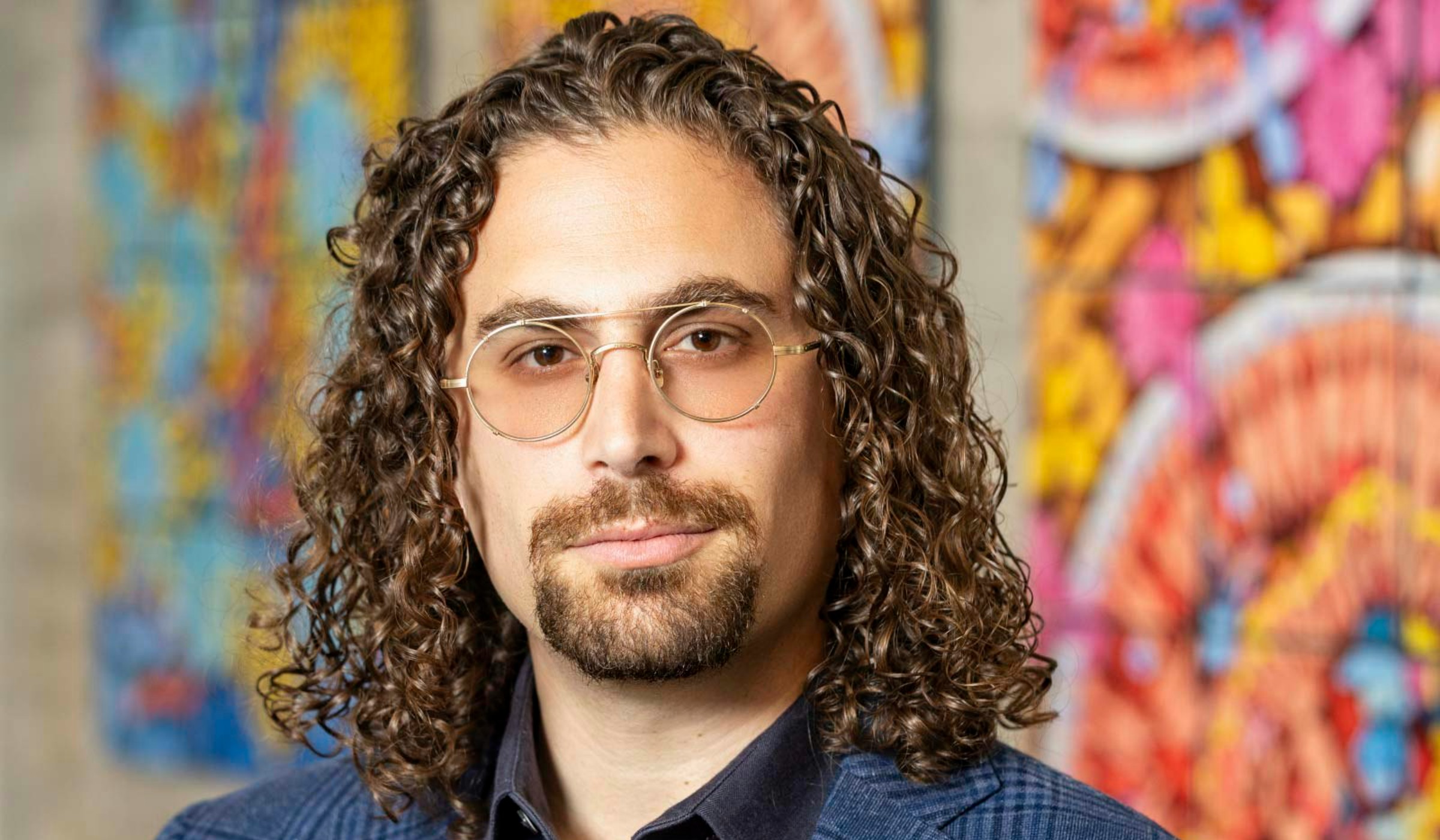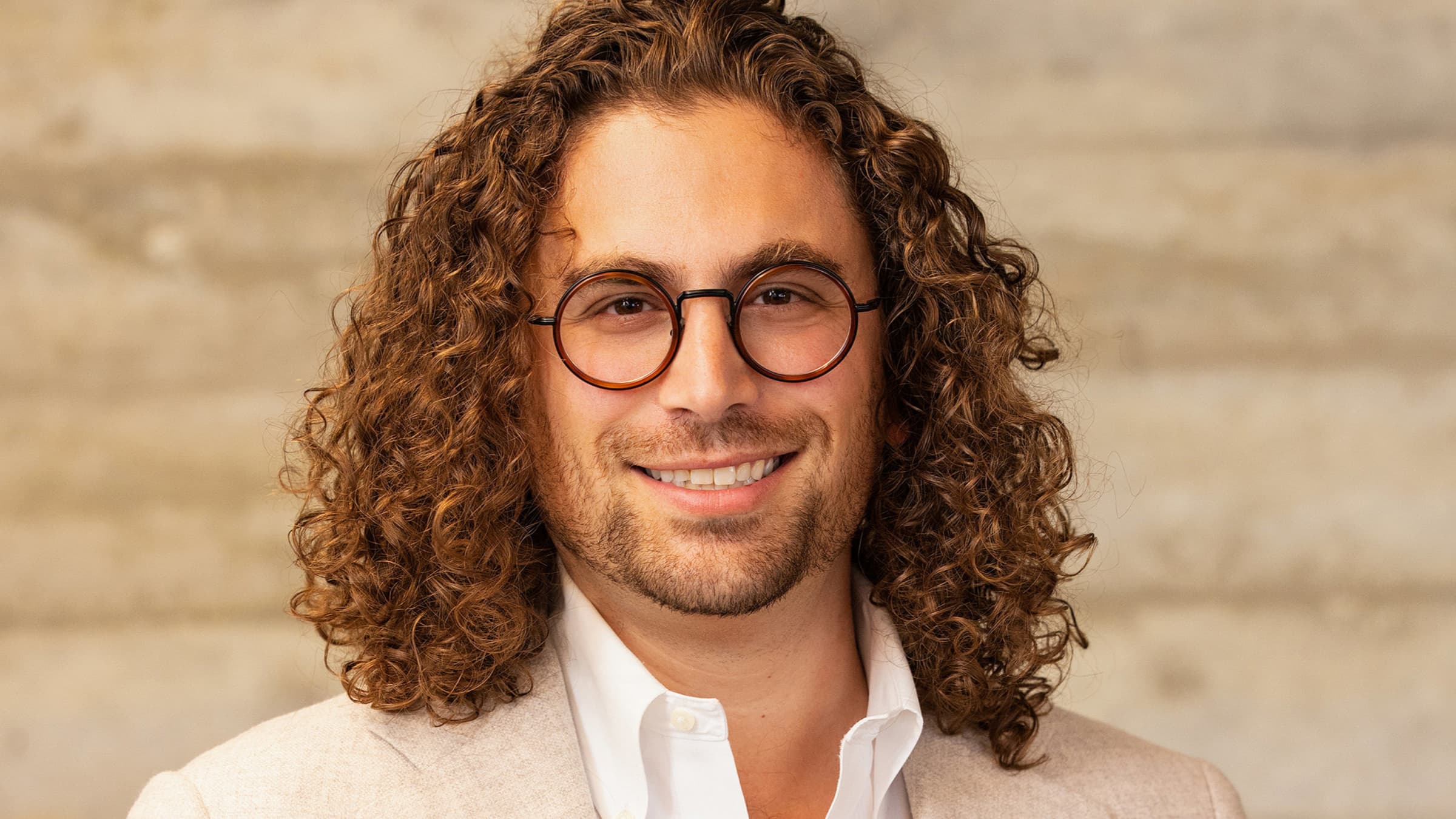
Gene editing company Scribe Therapeutics resides in two renovated buildings on the site of the former Alameda Works Shipyard in California. There's a layer of irony, Scribe CEO Benjamin Oakes says, in designing cutting-edge, microscopic gene modifying medicines where steelworkers once built and repaired 18,000-ton ships during World War II.
Oakes' company is at the forefront of a wave of young biotechs aiming to bring CRISPR technology to the masses. Launched with the help of several accomplished genetic medicine researchers from the University of California, Berkeley, Scribe is working on treatments for the kind of cardiovascular conditions that affect millions of people. In papers outlining its recently priced initial public offering — the first for a gene editing company in more than two years — Scribe pitched plans to make the approach more scalable than it's ever been. Its first program "switches off" a gene implicated in high cholesterol, rather than permanently altering it as some others do.
But as Oakes scrawled in thick black marker at the bottom of a canvas in one of Scribe's conference rooms, "plan B is your plan A." Many gene editing companies have made similarly bold claims, only to face surprise setbacks in clinical testing that battered their stock prices. Investors and Wall Street analysts are also skeptical that people would embrace gene editing drugs in diseases where more conventional alternatives are available.