Published Aug 10, 2026, 1:35 PM EDT
Groups talked to Military.com about the new commission, which will recommend policies on a variety of issues that are related to military families.
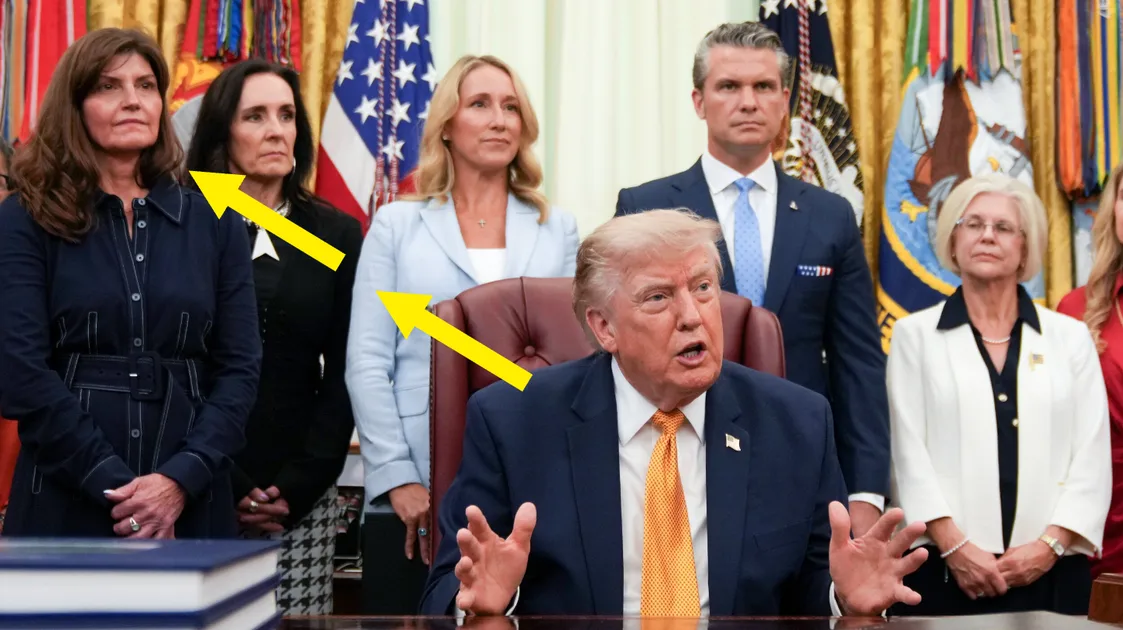
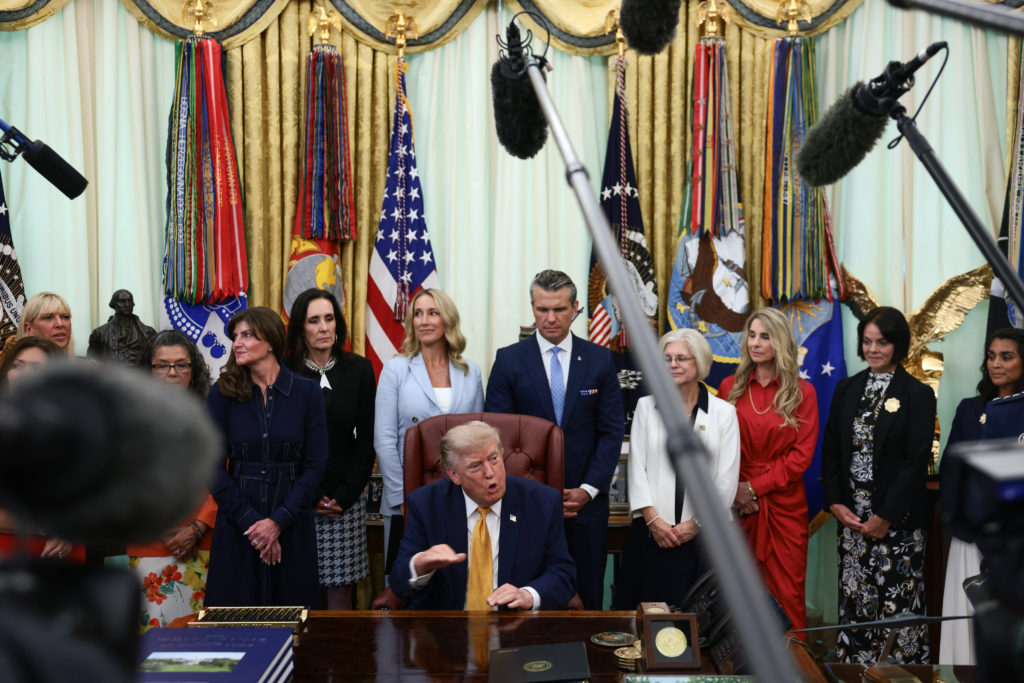
Groups are coming out in support of President Donald Trump's new White House Spouse Commission addressing matters affecting the military spouses and families of America. Such issues of note as part of the executive order will include persistent problems that arise involving employment, housing, and access to health care. The commission, led by Defense Secretary Pete Hegseth's wife, Jennifer Rauchet, will include membership of spouses of several service secretaries, the Joint Chiefs chair, and other high-ranking military service members. It will identify and advise the administration on recommended actions they should take to improve the well-being and quality of life for the families of military members. “Military spouses are intrinsically linked to the good order, readiness and retention of our military,” the executive order said. The White House is targeting other issues including education, deployment moves, and limited employment opportunities. Issues like these arise and put additional pressure on an already complicated life that many military families have to deal with on a daily basis. The commission’s chair or executive director has the role of picking other individuals who are willing to participate, which has the potential to allow spouses from outside senior leadership circles and representatives from lower ranks to contribute. The order also allows the commission to establish subcommittees to focus on specific topics or issues that they may deem more critical to military family life. Federal departments and agencies are directed to provide information and assistance when requested, as permitted by law and subject to available funding. This allows the commission access to the necessary information and expertise in order to get the job done in an effective manner. At the time of the signing, the commission was scheduled to run for two consecutive years unless extended by the White House. Members can only serve on the commission as long as their spouses remain in military or governmental positions that qualify them for leadership.