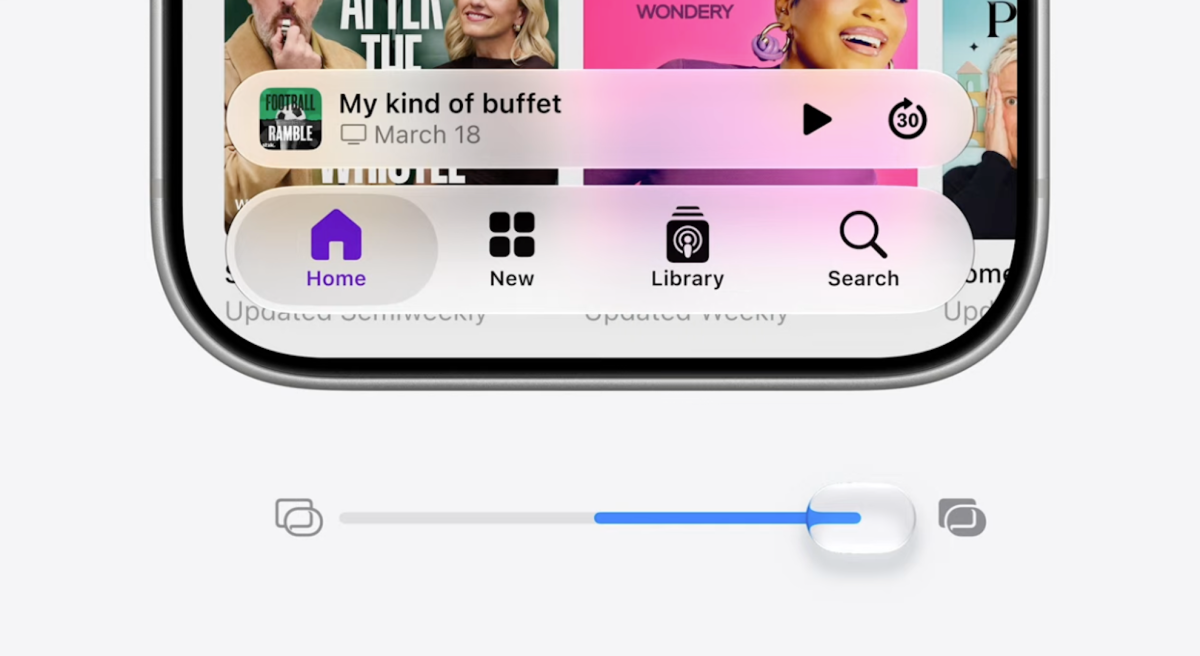
We trust Apple with a lot of our data. In general, that hasn’t seemed like a bad idea; in particular, compared to its competitors, Apple seems to ensure that it can inspect or interact with very little of our data. The company has built its platform and its reputation on being an elegant, frictionless, hands-off conduit. While we can make many complaints about Liquid Glass, its increased focus on invasive (and poor) advertising, its software quality, and much else, Apple has kept its corporate nose cleaner than anybody else. Its transparency and documentation are, oddly, worse than its actions and clear intent.
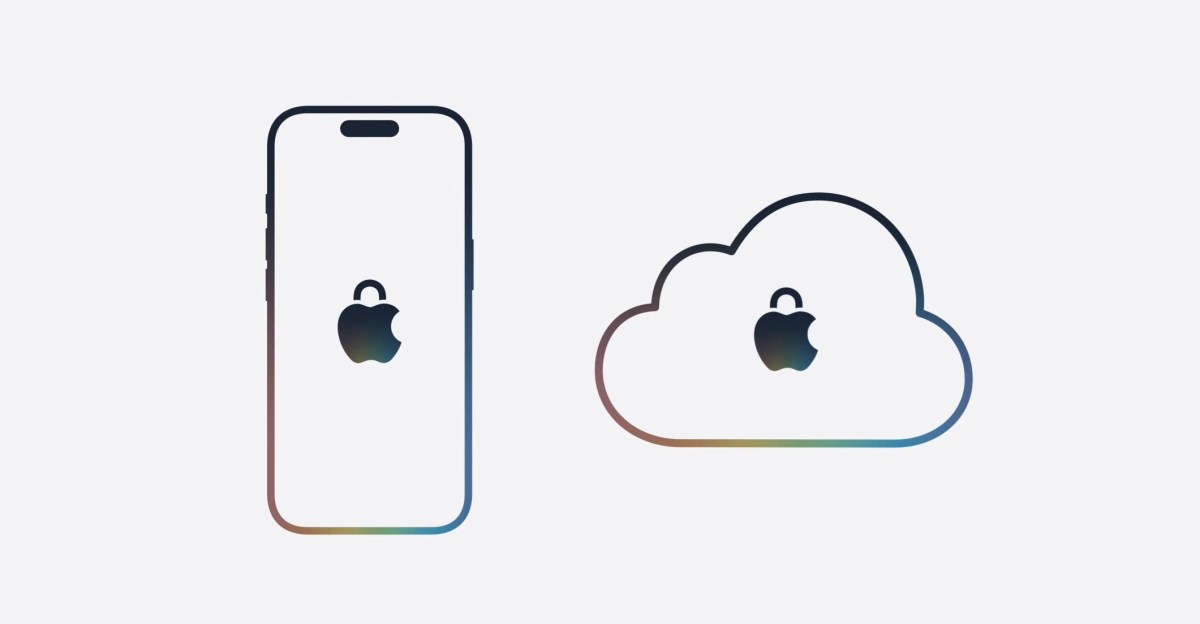
The Apple Watch is the only wearable with end-to-end encryption for first-party health data. (Image: Apple)
I was thinking about this when I received an email from an anonymized iCloud Hide My Email account, asking for more detail about how Apple managed the transition from the old method of presenting or escrowing (in iCloud) your macOS FileVault Recovery Key to the new method, in which the key is stored in Passwords. This transition, which I’ve documented in a few places, was a step forward in privacy and security.
But not transparency! I’ll explain, but you can’t find an explanation on Apple’s site about the transition. The support documentation remains out of sync with Tahoe. That leaves it to yours truly to explicate.