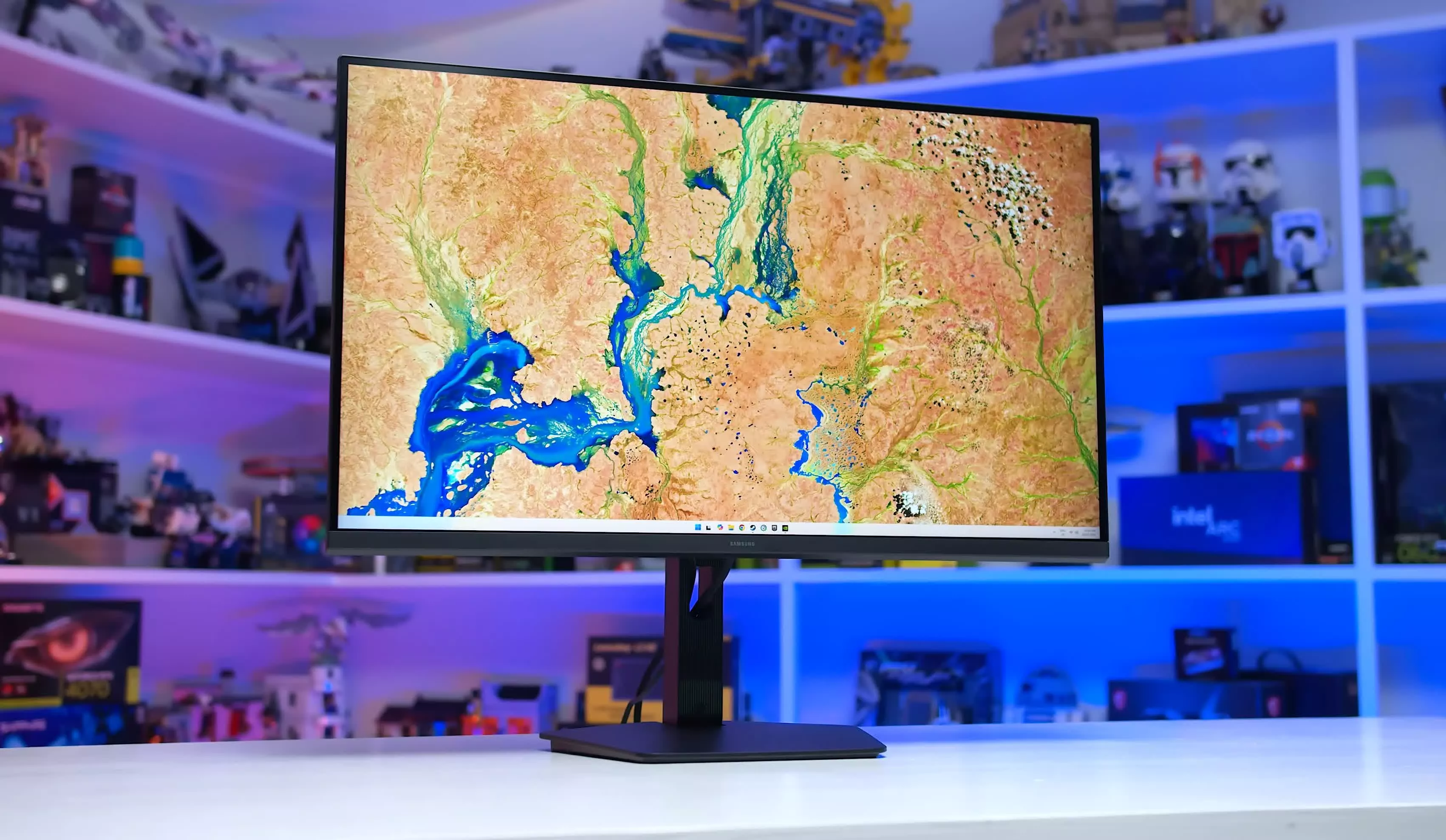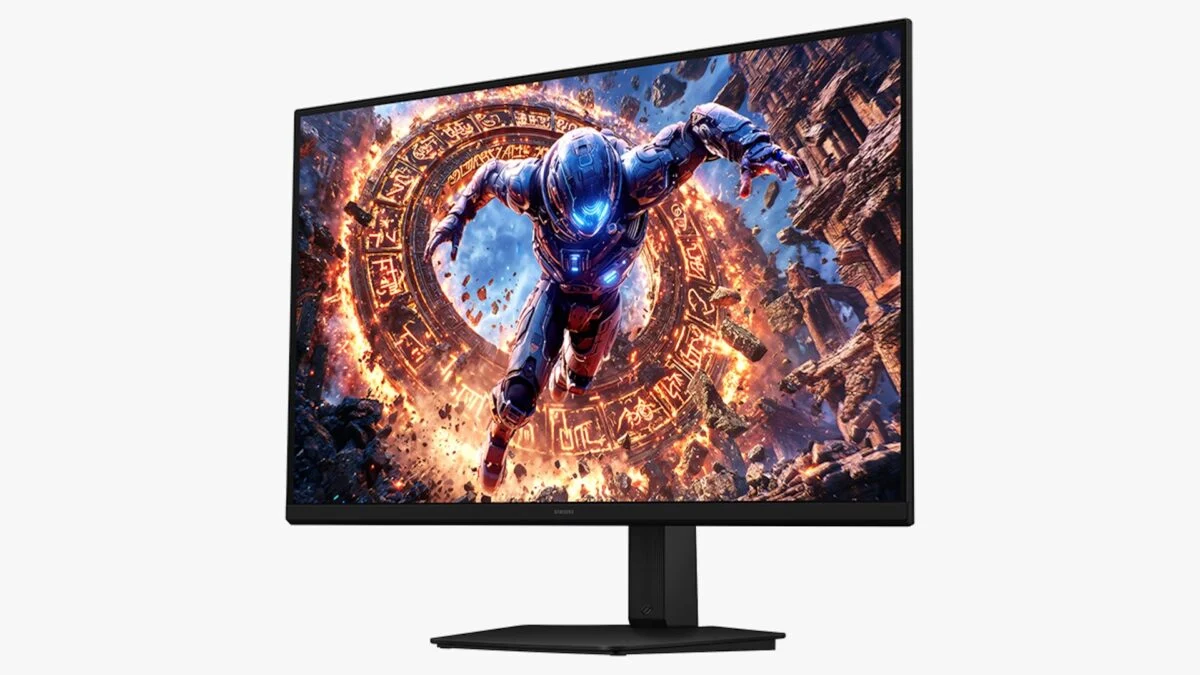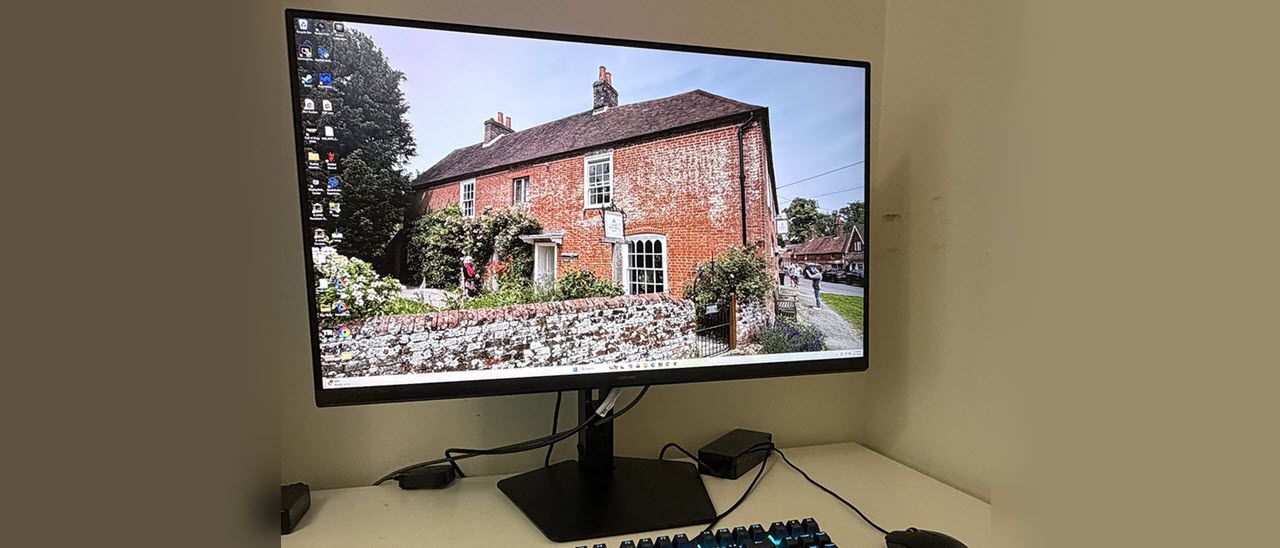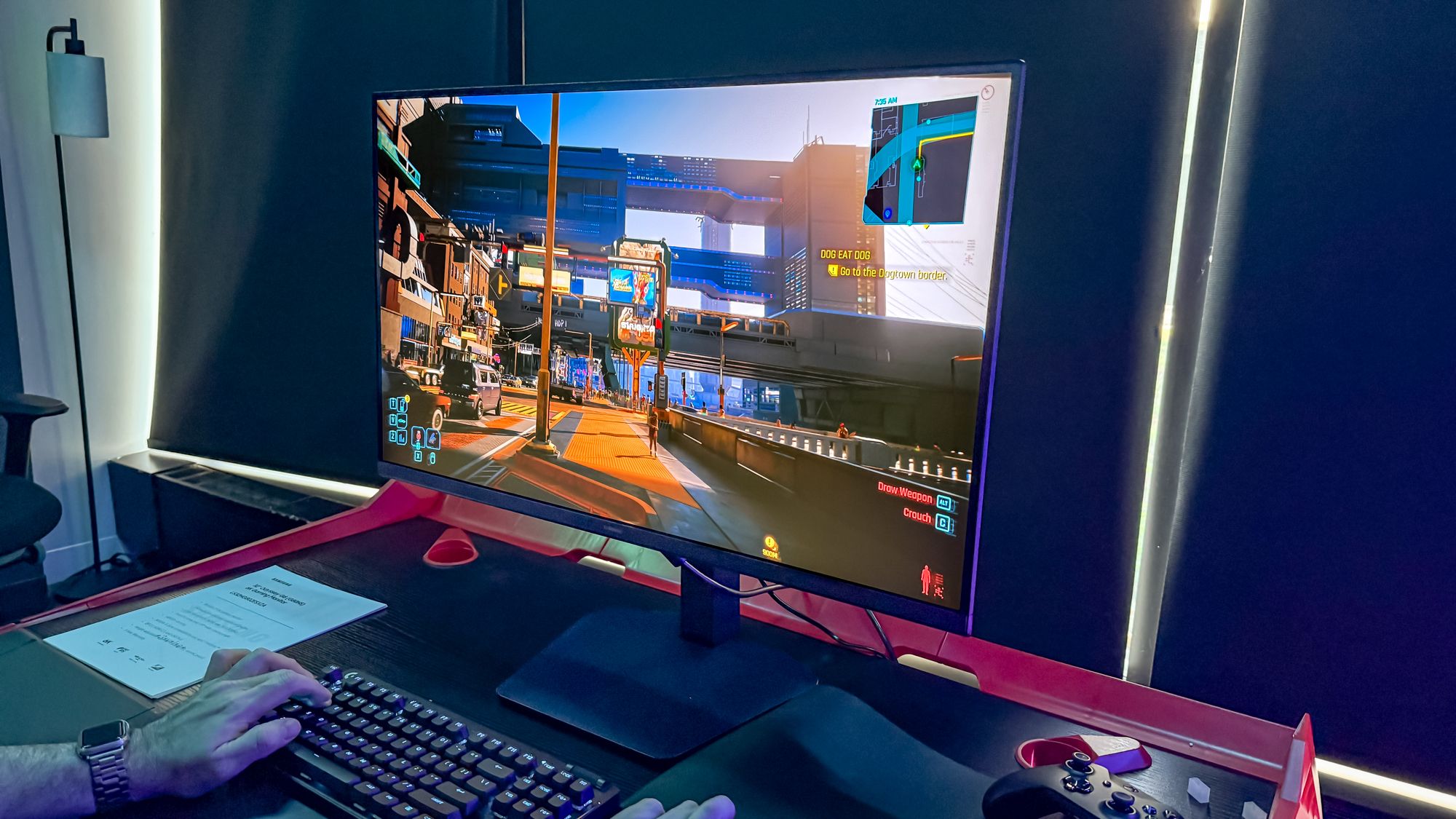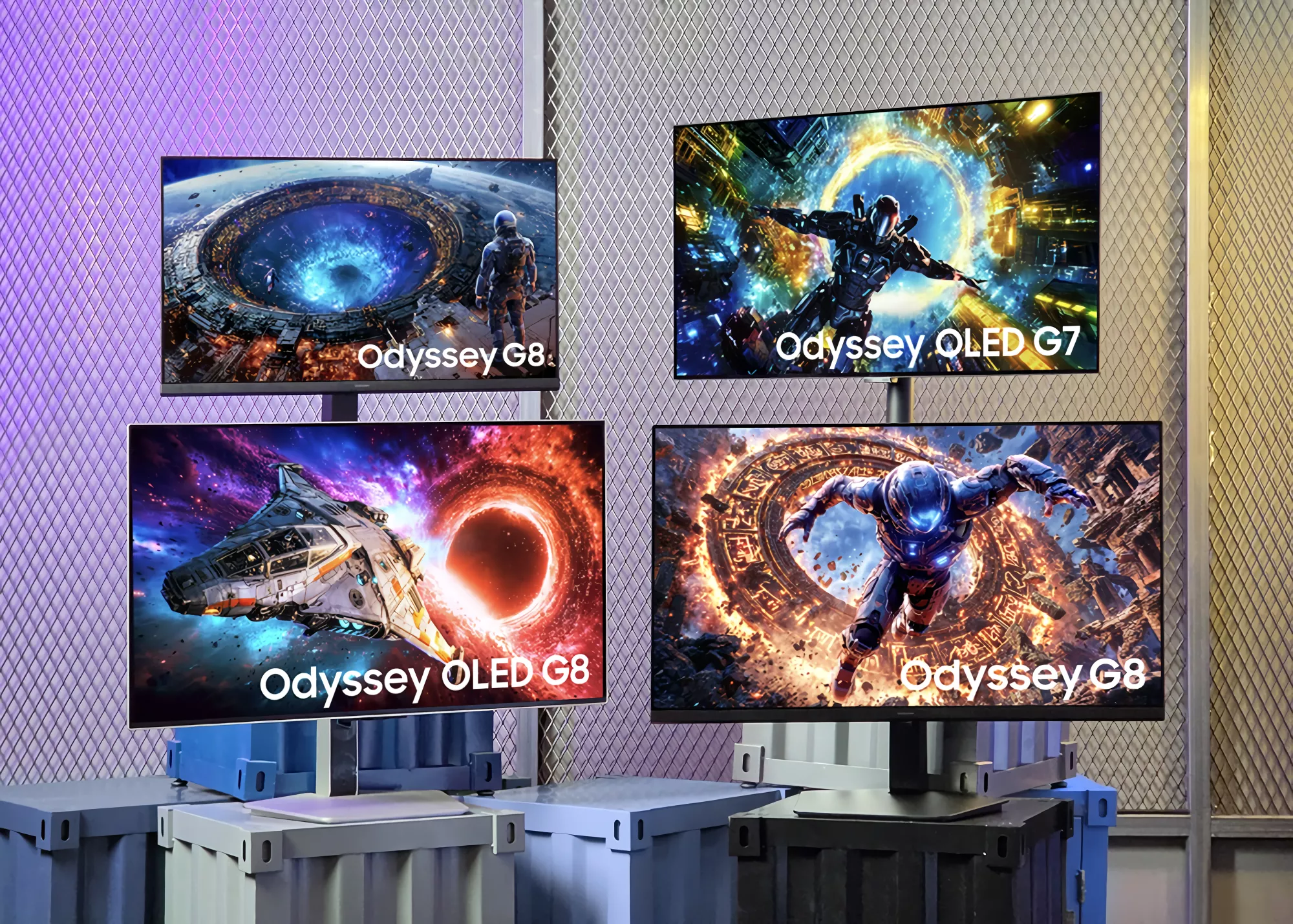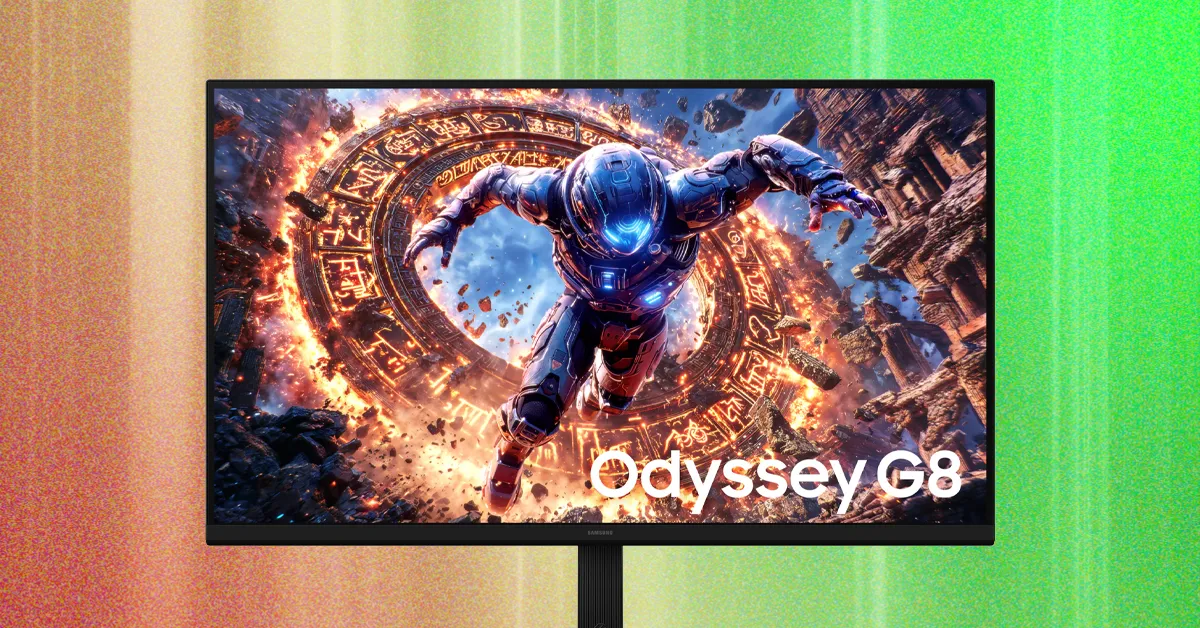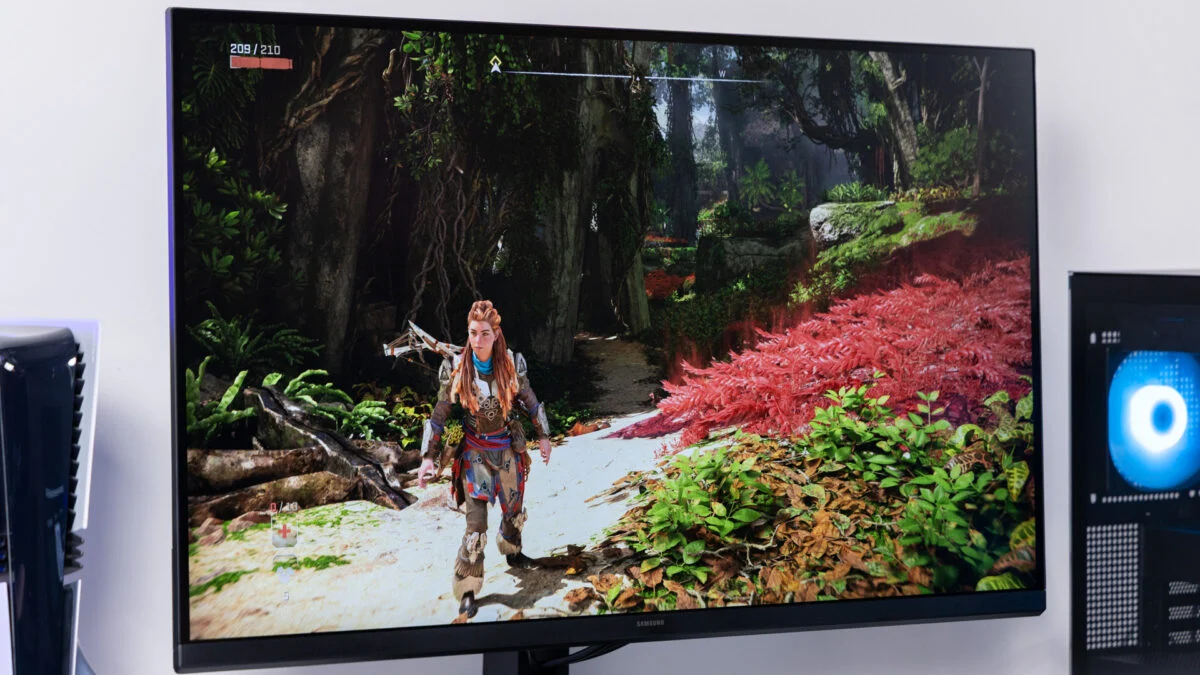
Let’s get the main thing out of the way: You do not need a 6K monitor for gaming. I spent so many hours with the recently released Samsung Odyssey G80HS 6K monitor with the few games available that actually support this resolution. For every minute I spent staring at every detail, every strand of hair, and every pore and blemish on characters’ skin on this $1,600 monitor, I could barely determine the difference between any title running at 4K versus 6K. If you’re a gamer determined to spend well over $1,000 on a monitor, get yourself a high-end, fast, 4K QD-OLED model with all the fixings. There are a ton of good ones available now, including from Samsung. 3 Samsung Odyssey G80HS It's a high-resolution hybrid work/gaming laptop that may be too dull for either task. Pros Strong build quality Just enough ports High refresh rate at both 6K and 3K Good amount of screen tilt/pivot Full 90-degree rotation Cons Games don't look much better in 6K Relatively few games support max resolution Reflective screen Low brightness spec No speakers But there are other reasons to consider this screen. Samsung bills its costly $1,600 Odyssey G80HS 6K monitor as a semi-gaming, semi-professional screen for the kind of 3D modelers or video editors who legitimately need a high-resolution display for spotting every pixel out of place thanks to the screen’s peak 224 PPI. It’s a 32-inch display that’s tall enough you may not need a secondary display. After you’re done with the daily grind, Samsung imagines you’ll use the same screen for gaming. It has a 165Hz refresh rate for playing PC titles at a fast clip as well as features like Nvidia G-Sync and AMD FreeSync to reduce the chance of screen tearing as you desperately try to push in-game framerates.
Samsung Odyssey G80HS Monitor Review: 6K Isn't the Future of Gaming
Is 6K the next 4K? Only if you care about the most minute details you can see on a paltry few PC titles.
2,302 words~10 min read