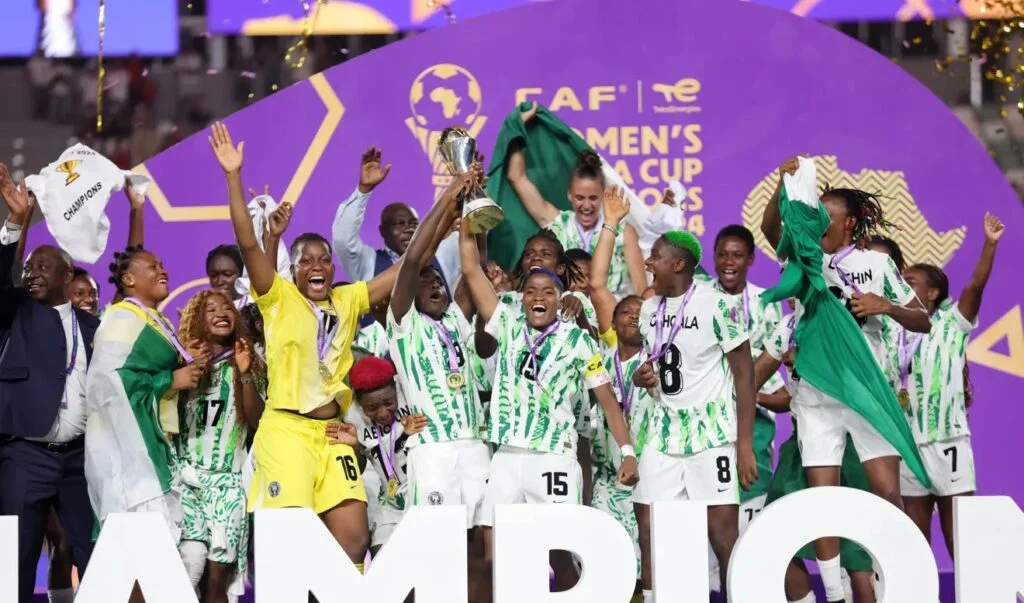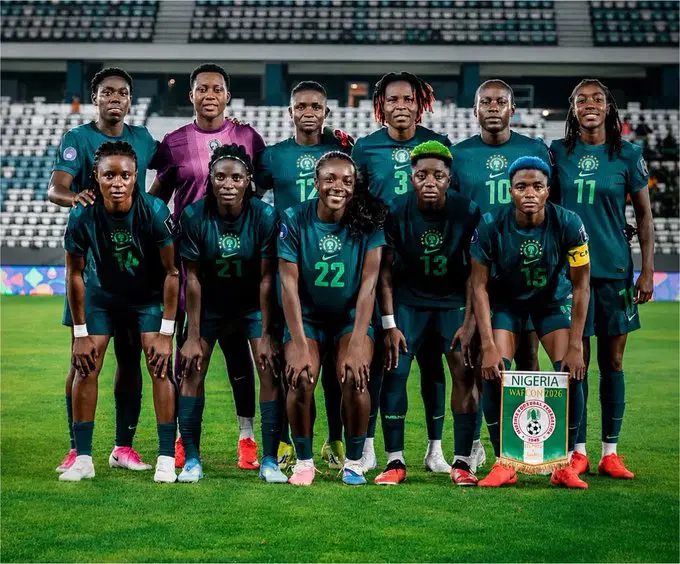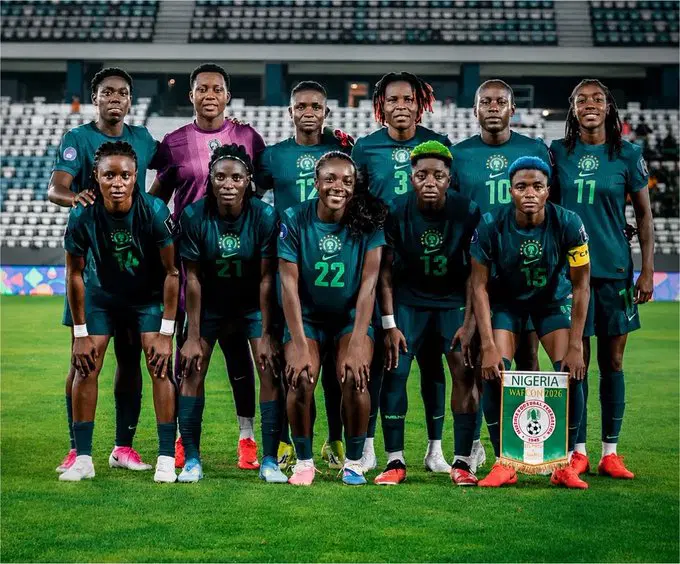
The signs have been there since last year, when the collective strength of the players, not any masterplan from the Nigeria Football Federation (NFF), dragged the team to a 10th WAFCON title in Rabat.
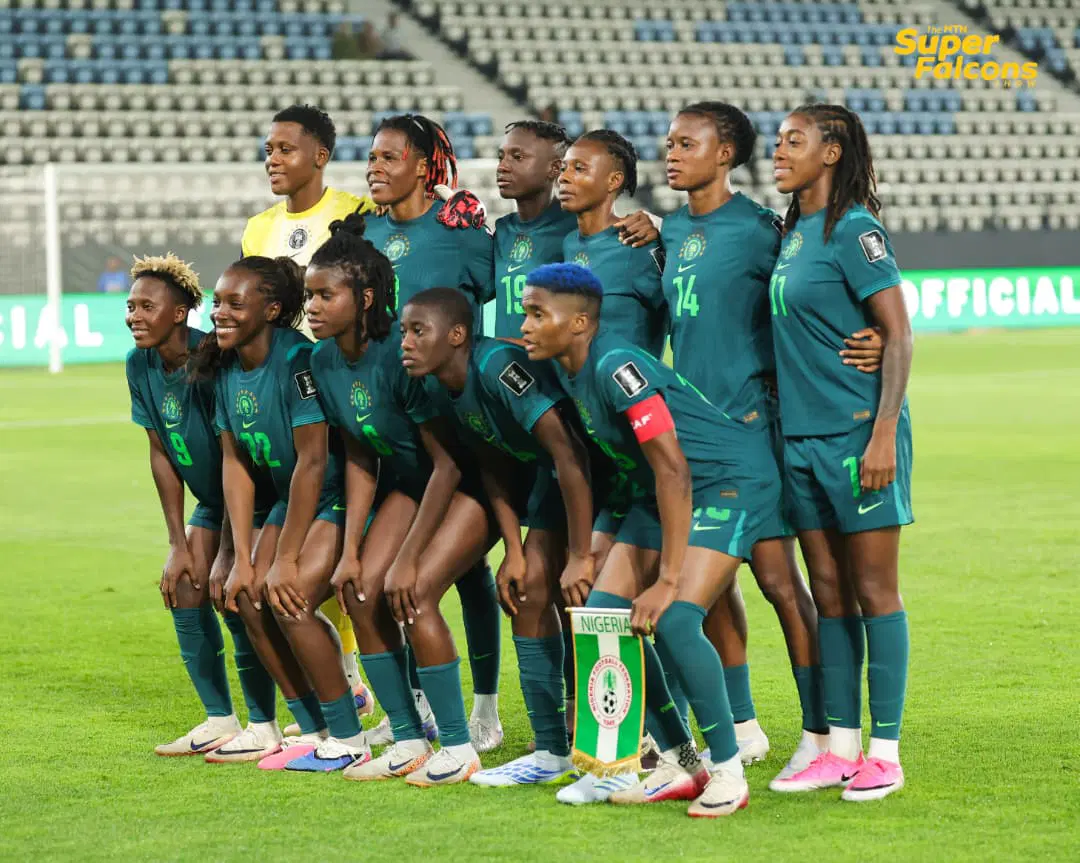
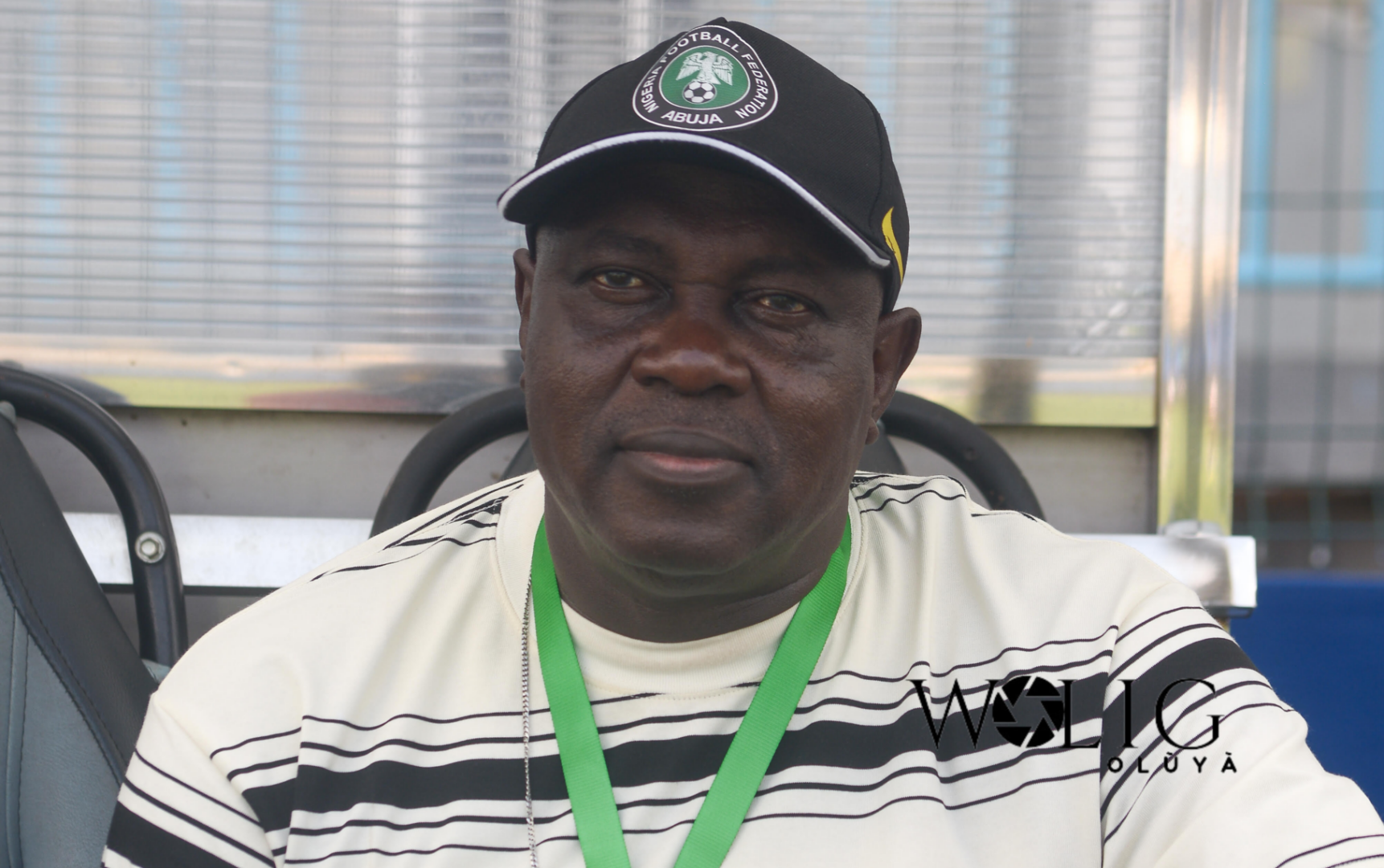
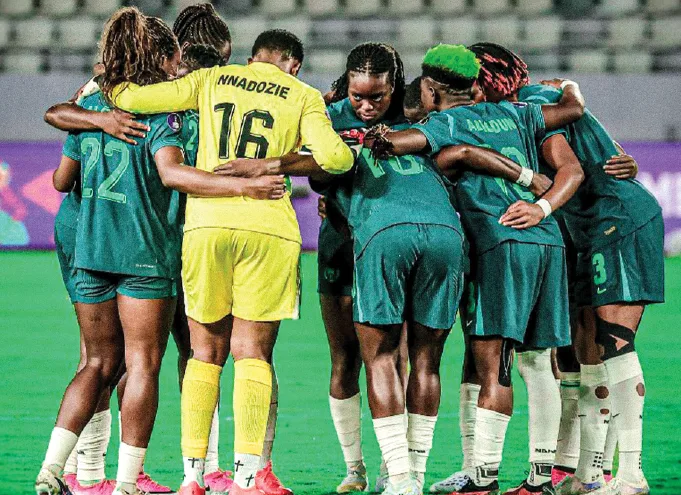
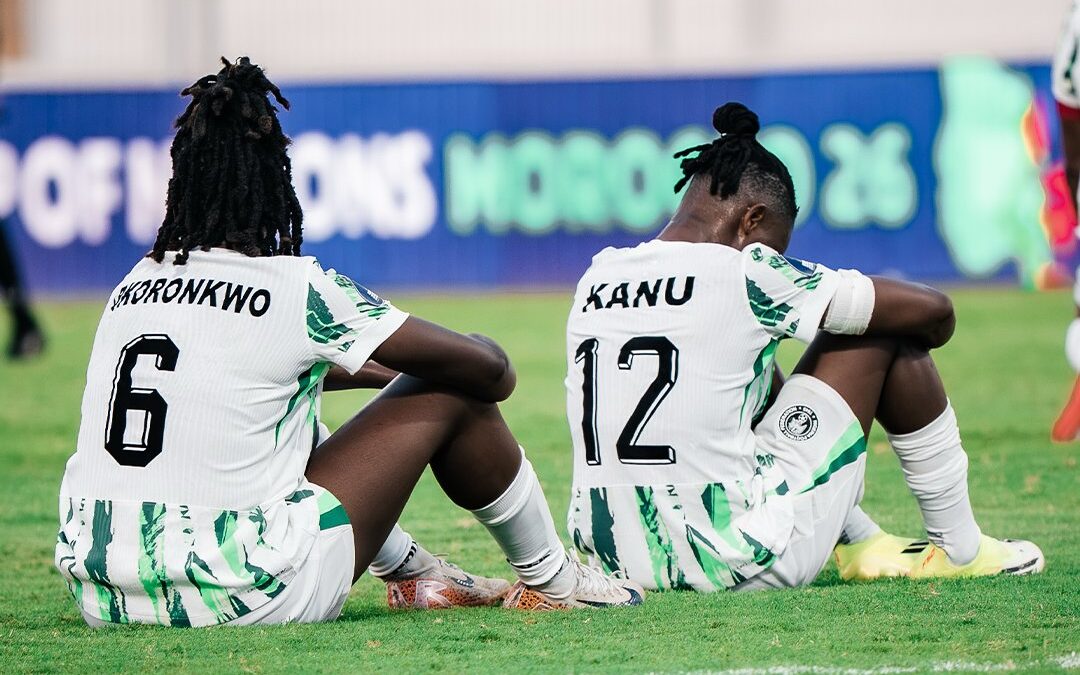
With twelve months to restrategise and rebuild a squad capable of surviving an increasingly competitive women’s football landscape, the Falcons, led by coach Justin Madugu, and the NFF instead stood still. So, there was no real surprise on Sunday when a 19th-minute free-kick from Cameroon’s Myriam Nyadjou was enough to end Nigeria’s title defence at the quarter-final stage in Casablanca, the earliest continental exit for the Falcons in recent memory, and one that leaves their automatic ticket to the 2027 FIFA Women’s World Cup in Brazil gone.
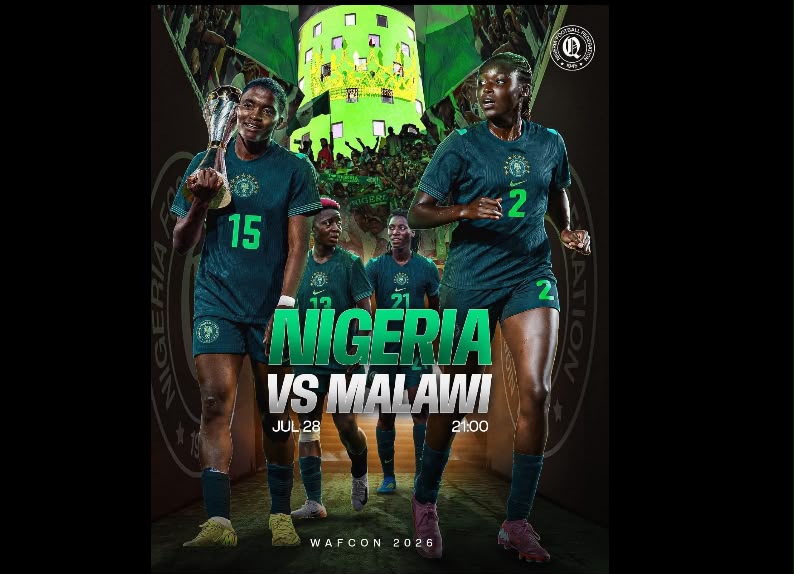
Like the biblical Samson, who did not know his strength had left him, the Falcons arrived in Morocco believing that ten stars on the badge and a rich history would be enough to waltz through. It wasn’t. Nigeria stumbled through the group stage. They lost to WAFCON debutants Malawi, scraped past Zambia 1-0, and needed a fortuitous 6-2 rout of Egypt to survive on goal difference.
In Nigerian parlance, they wobbled and fumbled their way into the quarter-finals, where Cameroon shut them out entirely. Only the four WAFCON semi-finalists earn automatic World Cup places. Under Gusau’s NFF, both of Nigeria’s flagship national teams, the Super Eagles and the Super Falcons, have now failed to qualify for their respective World Cups through the front door. That is not misfortune. That is the cumulative cost of two decades of drift.